Should I Get a Treadmill or Rowing Machine
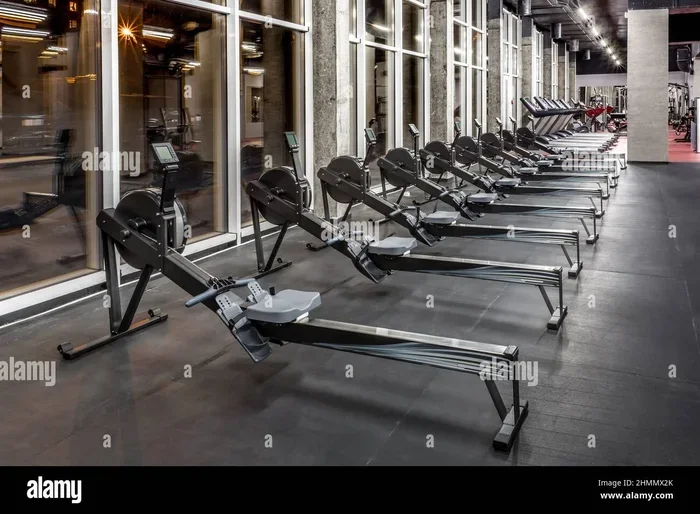
Choosing between a treadmill and a rowing machine depends on your fitness goals, available space, and personal preferences. A treadmill is ideal for walkers and runners who want a straightforward cardio workout, while a rowing machine offers a full-body exercise that builds strength and burns calories. Both machines deliver excellent results when used consistently.
Deciding between a treadmill and a rowing machine can feel overwhelming. You see both machines at the gym. You read reviews online. You wonder which one will actually help you reach your goals. The truth is, both machines offer fantastic benefits. But they work your body in very different ways.
This guide breaks down everything you need to know. We will compare the treadmill vs rowing machine head to head. You will learn about calorie burn, muscle engagement, joint impact, and more. By the end, you will feel confident choosing the right machine for your home gym or fitness routine.
Whether you are a beginner just starting out or a seasoned fitness enthusiast, this comparison covers what matters most. Let us dive in and help you make the best decision for your health.
Key Takeaways
- Treadmills are great for walking and running workouts that target your lower body and improve cardiovascular health.
- Rowing machines provide a full-body workout engaging up to 86% of your muscles with every stroke.
- Impact level matters — treadmills can stress your joints, while rowing machines are gentle on knees and hips.
- Space and budget play a big role in deciding which machine fits your home setup best.
- Consistency wins over equipment choice — the best machine is the one you will actually use regularly.
- Both machines help with weight loss when paired with a balanced diet and proper workout routine.
📑 Table of Contents
Treadmill vs Rowing Machine: The Big Picture
A treadmill lets you walk, jog, or run indoors. It focuses mainly on your legs and core. A rowing machine uses a pulling motion that works your arms, back, legs, and core together. This makes the rowing machine a full-body workout tool.
When you compare the treadmill vs rowing machine, the differences are clear. A treadmill mimics outdoor walking or running. A rowing machine mimics the motion of rowing a boat. Each has its own strengths depending on what you want from your exercise routine.
Here is a quick look at how they stack up:
- Treadmill: Best for runners, walkers, and those who love high-impact cardio.
- Rowing Machine: Best for those seeking a low-impact, full-body workout.
- Calorie Burn: Both burn significant calories, but rowing engages more muscles at once.
- Joint Impact: Treadmills can be hard on knees and ankles. Rowing machines are much gentler.
If you are still unsure, check out this detailed treadmill vs rowing machine comparison for more insights.
Calorie Burn and Weight Loss
How Many Calories Does Each Machine Burn?
Calorie burn is often the number one reason people buy home gym equipment. Both machines can help you shed pounds when combined with a healthy diet. But the numbers differ based on intensity, body weight, and workout duration.
On a treadmill, a 155-pound person burns roughly:
- 300 calories in 30 minutes of running at 6 mph
- 200 calories in 30 minutes of brisk walking at 4 mph
On a rowing machine, the same person burns roughly:
- 300 calories in 30 minutes of moderate rowing
- 400 calories in 30 minutes of vigorous rowing
What makes rowing special is that it works your entire body. Your legs push, your arms pull, and your core stabilizes. This means you burn more calories per minute compared to many other machines. If you want efficient calorie burn in less time, a rowing machine has a clear edge.
Fat Burning and Heart Health
Both machines improve your heart health. Regular cardio exercise lowers blood pressure, improves cholesterol, and boosts endurance. Treadmills are excellent for steady-state cardio. You can set a pace and maintain it for 30 to 60 minutes.
Rowing machines also support heart health. They allow you to switch between steady and intense intervals easily. This type of training, known as HIIT, is very effective for burning fat. Many people use a rowing machine for HIIT workouts because it ramps up the heart rate quickly.
Want to know how long a rowing session should last? Check out our guide on how long to row on a rowing machine for recommended durations.
Muscle Engagement and Strength Building
What Muscles Does a Treadmill Work?
A treadmill primarily targets your lower body. Your quadriceps, hamstrings, calves, and glutes do most of the work. Your core stabilizes your body, and your arms swing naturally to help with balance. However, the upper body involvement is minimal.
If your goal is to tone your legs and improve endurance, a treadmill works well. But it will not give you the same upper body strengthening as other machines.
What Muscles Does a Rowing Machine Work?
This is where the rowing machine really shines. A single rowing stroke engages multiple muscle groups:
- Legs: Quads, hamstrings, and calves power the push-off phase.
- Back: Your lats and rhomboids pull the handle toward your chest.
- Arms: Biceps and forearms complete the pull motion.
- Core: Abs and obliques stabilize your torso throughout the stroke.
Studies show that rowing engages up to 86% of your body’s muscles. That is remarkable for a single piece of equipment. If you want a workout that builds strength and endurance at the same time, the rowing machine is hard to beat.
Proper rowing technique is essential to get the most out of every stroke. Focus on driving through your legs first, then pulling with your arms, and keeping your back straight throughout the movement.
Joint Impact and Injury Risk
Treadmill Impact on Joints
Running on a treadmill puts repeated stress on your knees, ankles, and hips. Each footstrike sends impact forces through your joints. This can be a problem for people with existing joint issues or those recovering from injuries.
Walking on a treadmill is much gentler. But if you plan to run regularly, the impact can add up over time. Many runners experience shin splints, knee pain, or ankle soreness from high-impact treadmill workouts.
Rowing Machine Impact on Joints
Rowing machines are low-impact by design. Your feet stay planted on the footplates, and there is no jumping or pounding. The sliding seat and smooth rowing motion create a gentle workout that is easy on your joints.
This makes rowing machines excellent for seniors, people with arthritis, and anyone recovering from surgery. In fact, many physical therapists recommend rowing as a rehabilitation exercise because it builds strength without stressing the joints.
If you are concerned about joint health, the rowing machine is the safer choice for long-term use.
Space, Budget, and Home Setup
How Much Space Does Each Machine Need?
Space is a major factor when buying home gym equipment. Treadmills are typically large and heavy. A standard folding treadmill still needs about 6 feet of length and 3 feet of width when in use. Some models fold up for storage, but they are still bulky.
Rowing machines vary in size. A standard rowing machine is about 8 feet long when in use. However, many models are narrow and can slide under a bed or against a wall when stored upright. Some compact rowing machines are surprisingly space-efficient.
Budget Considerations
Both machines come in a wide price range. Basic treadmills start around $300 and can go up to $2,000 or more for commercial-grade models. Rowing machines range from $200 for basic models to $1,500 for high-end magnetic or water rowers.
When comparing price, consider the value you get. A rowing machine gives you a full-body workout for a similar or lower price than a quality treadmill. That makes it a strong value proposition for home gym setups.
Both machines are widely available at major retailers. You can also find used options at sporting goods stores or online marketplaces if you want to save money.
Which Machine Fits Your Fitness Goals?
The best machine depends on what you want to achieve. Here is a simple breakdown:
Choose a treadmill if:
- You love running or walking outdoors and want a weather-proof alternative
- Your primary goal is leg strengthening and cardiovascular endurance
- You prefer high-impact workouts that mimic real-world movement
- You want a machine that is easy to use right out of the box
Choose a rowing machine if:
- You want a full-body workout that builds strength and cardio simultaneously
- You have joint issues or want a low-impact exercise option
- You enjoy variety and want to try interval training at home
- You want maximum calorie burn in shorter workout sessions
Many fitness experts suggest owning both if space and budget allow. But for most people, one machine is enough to get in great shape. The key is to pick the one you will actually use consistently.
If you are curious about resistance settings for rowing, our guide on what resistance to use on a rowing machine can help you get started with the right setup.
Common Mistakes to Avoid
No matter which machine you choose, avoiding common mistakes will help you get better results and stay injury-free.
On a treadmill:
- Holding onto the handrails too tightly reduces your calorie burn and ruins your posture.
- Skipping the warm-up increases your risk of muscle strains and joint pain.
- Always using the same speed and incline leads to plateaus in fitness progress.
On a rowing machine:
- Using only your arms instead of driving with your legs wastes the power of the stroke.
- Rounding your back during the rowing motion can cause lower back pain.
- Rowing too fast without proper form leads to sloppy technique and reduced benefits.
Take the time to learn proper form on whichever machine you choose. A few sessions with correct technique will pay off for years to come.
Final Verdict
So, should I get a treadmill or rowing machine? The answer comes down to your personal goals and situation. If you are a runner or walker who wants a straightforward cardio workout, a treadmill is a solid choice. It is familiar, easy to use, and effective.
If you want a machine that works your entire body, burns lots of calories, and is gentle on your joints, a rowing machine is the winner. It offers incredible versatility and value for the price.
Both machines will help you stay active, burn calories, and improve your heart health. The best machine is the one that fits your space, matches your goals, and keeps you motivated to show up every day. Pick the one that excites you, and you will stick with it for the long haul.
Start slow, stay consistent, and enjoy the journey. Your future self will thank you for making the move today.
Frequently Asked Questions
Is a treadmill or rowing machine better for weight loss?
A rowing machine generally burns more calories in less time because it engages your entire body. However, a treadmill is also excellent for weight loss, especially if you enjoy running. The best machine for weight loss is the one you will use consistently over time.
Can beginners use a rowing machine easily?
Yes, rowing machines are beginner-friendly. Start with low resistance and focus on learning proper form. A few practice sessions will help you feel comfortable. Most people pick up the basic motion within a week of regular use.
Which machine takes up less space at home?
Rowing machines tend to be more space-efficient when stored. Many models fold vertically and fit against a wall. Treadmills are bulkier even when folded. Measure your available space before purchasing either machine.
Is rowing bad for my back?
Rowing is not bad for your back when done with proper form. Keep your back straight and avoid rounding your spine. If you have existing back problems, consult a doctor before starting a rowing routine. Start slowly and build up intensity over time.
Can I replace my gym membership with a home treadmill or rowing machine?
Absolutely. Both machines provide gym-quality workouts at home. A rowing machine offers especially good value because it delivers a full-body workout in a compact footprint. Consistency at home can match or even exceed your gym results.
How often should I use either machine each week?
For general fitness, aim for 150 minutes of moderate cardio per week. That works out to about 30 minutes, five days a week. You can split this between a treadmill and a rowing machine for variety. Mixing both machines keeps your workouts fresh and challenges different muscle groups.