How to Size Jump Rope for Double Unders
Sizing your jump rope correctly for double unders is the single most important step you can take to improve your rhythm, speed, and overall performance. A rope that is too long or too short will throw off your timing and make double unders feel impossible. In this guide, we walk you through every method for measuring the right rope length, choosing the correct size based on your height, and adjusting your rope for the perfect fit. Whether you are a beginner just learning double unders or an experienced athlete looking to fine-tune your setup, this guide has everything you need.
This is a comprehensive guide about How To Size Jump Rope For Double Unders.
Key Takeaways
- The right rope length makes double unders feel effortless: A properly sized jump rope clears the ground with just a few inches of slack, giving you the speed and control you need.
- Height-based sizing is the most reliable method: Using your height to estimate rope length gives you a strong starting point before fine-tuning with a test jump.
- Multiple measurement methods exist: From the wrist-to-floor method to the step-on technique, each approach helps you dial in the perfect length.
- Rope type matters for double under performance: Beaded ropes and speed ropes behave differently, and choosing the right one impacts your sizing needs.
- Adjustments are easy and essential: Most jump ropes can be shortened quickly, and small changes make a big difference in your double under success.
- Common mistakes cost you progress: Using the wrong rope length leads to tripping, poor form, and frustration at the gym.
[FEATURED_IMAGE_PLACEHOLDER]
Getting double unders down is one of the most rewarding feelings in fitness. That smooth, fast rotation where the rope passes under your feet twice per jump? It is pure magic once it clicks. But here is the thing most people get wrong: they do not size their rope correctly. A rope that is even a few inches off can turn a simple double under into a tangled mess of frustration. In this guide, we break down exactly how to size a jump rope for double unders so you can stop tripping and start flowing.
Whether you are brand new to double under training or you have been practicing for weeks, getting the right rope length is non-negotiable. Think of it like wearing the wrong shoes for a marathon. No matter how good your technique is, the wrong equipment will hold you back. We will cover every method, every tip, and every mistake to avoid so you can find your perfect fit.
Why Rope Length Matters for Double Unders
Double unders demand a lot from your rope. The rope needs to spin fast enough to pass under your feet twice in a single jump. If the rope is too long, it will drag on the ground, slow down your rotation, and throw off your timing. If it is too short, you will hit your toes or feel like you are jumping too high. Neither situation helps you progress.
The ideal jump rope length for double unders leaves just a small amount of slack. When you stand on the middle of the rope and pull the handles up, the handles should reach somewhere between your armpits and your shoulders. This gives you the clearance and speed you need without excess rope flapping around.
Using the wrong rope length for double unders leads to several problems. You may find yourself constantly catching the rope on your feet, which breaks your rhythm and kills your momentum. You might also develop bad habits trying to compensate for an ill-fitting rope. Over time, this can lead to poor jump rope form and even minor injuries. Getting the length right from the start saves you weeks of frustration.
The Difference Between Single Unders and Double Unders
For single unders, where the rope passes under your feet once per jump, you can afford a slightly longer rope. The extra length gives you a more comfortable range of motion. But for double unders, precision is everything. The rope must travel through a tight, fast arc. Even a small amount of excess rope adds weight and drag that makes double unders much harder to execute.
This is why many athletes who can do single unders with ease struggle with double unders. Often, the problem is not technique. It is rope length. Taking the time to properly measure your jump rope for double unders can unlock a whole new level of performance.
How to Measure Your Jump Rope for Double Unders
There are several tried-and-true methods for measuring a jump rope for double unders. Each method has its strengths, and using more than one can help you confirm your sizing. Let us walk through the most effective approaches.
Method 1: The Height-Based Sizing Guide
The easiest way to estimate your rope length is by using your height. This method works well as a starting point before you fine-tune with a test jump. Here is a general guide:
- Under 5 feet tall: You likely need a rope around 7 to 8 feet long.
- 5 feet to 5 feet 6 inches: Look for a rope between 8 and 9 feet.
- 5 feet 6 inches to 6 feet tall: A rope around 9 to 10 feet should work.
- Over 6 feet tall: You may need a rope that is 10 feet or longer.
These numbers give you a solid baseline. However, everyone’s body proportions are slightly different, so use this as a guide rather than a hard rule.
Method 2: The Step-On Technique
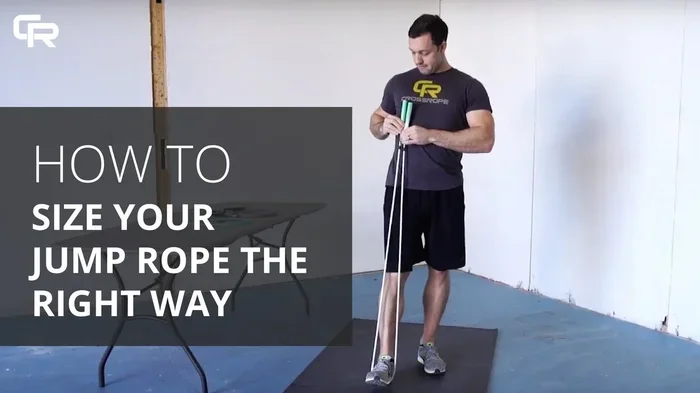
This is one of the most reliable ways to find your correct rope length for double unders. Here is how to do it:
- Stand on the center of the rope with one foot.
- Pull both handles upward toward your chest.
- The handles should reach between your armpits and your shoulders.
- If the handles reach your chest or lower, the rope is too long.
- If the handles go above your shoulders, the rope is too short.
This method accounts for your individual body proportions and gives you a very accurate starting point. Once you have the right length, you can adjust the length of your jump rope if needed by shortening the cable or rope.
Method 3: The Wrist-to-Floor Measurement
Another approach is to measure from the floor to your wrist while standing barefoot. This gives you a measurement that closely matches the ideal rope length for most people. Stand tall, let your arms hang naturally at your sides, and measure from the floor to the crease of your wrist. This measurement closely matches the total length of rope you should have when standing on the center.
For double under jump rope sizing, many experts recommend subtracting a few inches from this measurement. Double unders need a slightly shorter rope than single unders because the rope must spin faster and tighter. A rope that is a touch shorter gives you the quick rotation double unders demand.
Choosing the Right Jump Rope for Double Unders
Not all jump ropes are created equal, and the type of rope you choose affects how you size it. Different rope materials and designs behave differently during double under training, and picking the right one makes a huge difference.
Beaded Ropes
Beaded ropes are made of plastic beads strung along a cable. They are durable, provide good feedback, and are a popular choice for beginners learning double unders. Because beaded ropes are slightly heavier than speed ropes, they spin a bit more slowly. This can actually help beginners feel the rhythm of double unders more easily. If you are using a beaded rope, you may want to size it very precisely because the extra weight amplifies any length issues.
Speed Ropes
Speed ropes are lightweight and thin, designed for fast rotation. They are the go-to choice for advanced athletes and competitive double under training. Because they spin so quickly, speed ropes are very forgiving of small mistakes in timing. However, they demand precise sizing. A speed rope that is even slightly too long will not clear the ground fast enough for smooth double unders.
Cable Ropes with Handles
Cable ropes feature a thin metal cable wrapped in a thin sheath. They offer minimal air resistance and spin extremely fast. These are ideal for experienced jumpers who want maximum speed. When using a cable rope, pay close attention to the length because there is very little margin for error. Many cable ropes come with an adjustable length mechanism that makes fine-tuning easy.
If you are not sure which type to choose, check out our guide on what is the best jump rope for double unders to find the perfect match for your needs.
How to Adjust Your Jump Rope Length
Once you have determined the right length, you may need to adjust your rope. Most modern jump ropes are designed to be easily shortened, and the process is straightforward.
Adjusting Beaded Ropes
Beaded ropes typically have a knot or clip system that lets you remove beads from the cable. Slide the beads off until you reach the desired length, then secure the end cap back on. Make small adjustments, testing after each change. It is always better to trim less and test more.
Adjusting Speed and Cable Ropes
Speed ropes and cable ropes usually have a screw or lock mechanism inside the handle. Unscrew the handle cap, pull out the appropriate amount of cable, and then reattach the cap. Some ropes have a quick-release system that lets you cut the cable to the exact length without tools.
After adjusting, always test the rope with a few double under attempts. Stand on the center, pull the handles up, and confirm the handles reach the right height. Then jump and see how the rope feels in motion. Small tweaks can make a big difference, so do not be afraid to fine-tune.
If you need more detailed guidance on this process, our article on how to adjust the length of a jump rope covers the topic in depth.
Common Mistakes When Sizing a Jump Rope for Double Unders
Even experienced jumpers make sizing mistakes. Here are the most common errors and how to avoid them.
Using a Rope Sized for Single Unders
This is the number one mistake. A rope that feels perfect for single unders is almost always too long for double unders. The extra length creates drag and slows the rope down, making it nearly impossible to complete clean double unders. Always size your rope specifically for the type of jumping you are doing.
Guessing Instead of Measuring
It is tempting to just grab a rope and start jumping, but guessing leads to wasted time and frustration. Take five minutes to measure properly using one of the methods above. The time you invest upfront saves you hours of trial and error later.
Ignoring Body Proportions
Two people of the same height can have different torso lengths, arm lengths, and wrist positions. This means the height-based chart is a starting point, not the final answer. Always test the rope by jumping and make adjustments based on how it feels in motion.
Not Considering Rope Type
A beaded rope and a speed rope of the same length will feel different during double unders. Beaded ropes are heavier and slower, so you may need to size them slightly shorter. Speed ropes are light and fast, so they need to be very precise. Always factor in the rope type when you are determining your length.
Forgetting to Re-Check After Adjustments
After you shorten your rope, the length can shift slightly during use. Check your sizing periodically, especially if you switch between different types of ropes or after storing your rope in a cold or hot environment. Temperature changes can affect cable tension and rope behavior.
Expert Tips for Perfect Double Under Rope Sizing
Here are some insider tips from experienced athletes and coaches that will help you dial in your rope length like a pro.
- Test on a hard surface: Carpet and mats can hide small length issues. Test your rope on a hard floor for the most accurate feel.
- Wear your workout shoes: The thickness of your shoes affects how high you need to jump. Measure and test with the shoes you plan to wear during training.
- Start slightly short: It is easier to add a few inches back than to deal with a rope that is too long. When in doubt, go a touch shorter.
- Mark your ideal length: Once you find the perfect length, mark the rope with a piece of tape or a permanent marker. This saves you from re-measuring every time.
- Practice with the right rope consistently: Using different ropes for different sessions makes it hard to build muscle memory. Stick with one well-sized rope for your double under practice.
If you are just starting out with double unders, you might also want to read our step-by-step guide on how to double Dutch jump rope step by step to build a strong foundation.
How Long Does It Take to Get Comfortable with Double Unders?
The timeline varies from person to person, but most people can get comfortable with double unders within a few weeks of consistent practice. The key is using the right equipment from day one. A properly sized rope removes one of the biggest barriers to progress and lets you focus on building your rhythm and timing.
Start with shorter sessions of 5 to 10 minutes focused on double under attempts. As your jump rope endurance improves, you can extend your sessions and increase the number of consecutive double unders. The right rope length gives you the best chance of building momentum and seeing fast improvements.
Final Thoughts
Sizing your jump rope for double unders is one of the simplest yet most impactful things you can do for your training. A correctly sized rope transforms double unders from a frustrating challenge into a smooth, rhythmic movement you can build on. Use the measurement methods in this guide, choose the right rope type, and do not be afraid to make small adjustments until the fit is perfect.
Remember, the goal is not just to get the rope the right length on paper. The goal is to feel the rope in motion and confirm that it clears the ground with just the right amount of speed and control. Take your time, test thoroughly, and trust the process. Once your rope is sized correctly, you will be amazed at how much easier double unders become.
For more guidance on your double under journey, check out our resources on how to measure a jump rope for double unders and how long should a double Dutch jump rope be to deepen your understanding.
Now grab your rope, measure it properly, and get those double unders flowing. Your future self will thank you.
Frequently Asked Questions
What is the best jump rope length for double unders?
The best jump rope length for double unders depends on your height, but a general rule is that the handles should reach between your armpits and shoulders when you stand on the center of the rope. Use the height-based guide or step-on technique in this article to find your ideal length.
Can I use the same rope for single unders and double unders?
You can, but a rope sized for single unders is usually too long for double unders. Double unders need a slightly shorter rope to allow for faster, tighter rotation. If you only have one rope, consider sizing it closer to the double under length for versatility.
How do I know if my jump rope is too long for double unders?
If the rope drags on the ground, catches your feet frequently, or feels sluggish during rotation, it is likely too long. Stand on the center and pull the handles up. If they reach below your armpits, the rope needs to be shortened.
Does rope type affect the sizing for double unders?
Yes, absolutely. Beaded ropes are heavier and spin slower, so they may need to be sized slightly shorter than speed ropes. Cable ropes are very light and fast, requiring precise length adjustments. Always factor in rope type when determining your ideal length.
How often should I re-check my jump rope length for double unders?
Re-check your rope length every few weeks, especially if you switch rope types or notice changes in performance. Cables can stretch over time, and beads can shift. A quick check ensures your rope stays perfectly sized for double under training.
What should I do if my rope cannot be shortened enough?
If your rope cannot be shortened to the right length, consider replacing it with a rope designed for double unders. Many speed ropes and adjustable cable ropes offer a wide range of length settings. Visit our guide on the best jump rope for double unders to find a suitable replacement.