What Is a Good Split Time for Rowing
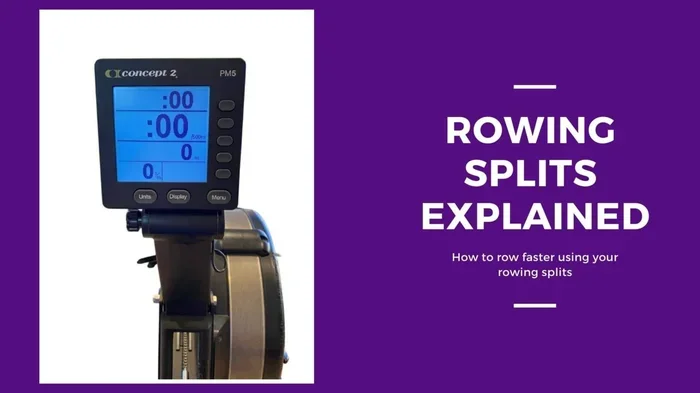
Understanding your split time is the key to unlocking better rowing performance. A good split time for rowing depends on your fitness level, the distance you are covering, and your training goals. Whether you are a beginner or a seasoned athlete, knowing your target split helps you train smarter and track real progress.
Key Takeaways
- A good split time varies by fitness level, with beginners starting around 2:00–2:30 per 500 meters.
- Split time measures how long it takes to row 500 meters and is the standard metric for rowing performance.
- Improving your split requires a mix of technique, consistency, and smart interval training.
- Stroke rate and pacing play a huge role in maintaining a steady and efficient split.
- Tracking your splits over time helps you see real progress and stay motivated.
- Common mistakes like rushing the drive or ignoring form can slow your split time significantly.
📑 Table of Contents
- What Does Split Time Mean in Rowing?
- What Is A Good Split Time For Rowing By Distance?
- Split Time Benchmarks for Different Fitness Levels
- How to Improve Your Rowing Split Time
- Common Mistakes That Slow Your Split Time
- Quick Tips to Track and Improve Your Splits
- What Is A Good Pace on a Rowing Machine for Split Training?
- Conclusion
What Does Split Time Mean in Rowing?
If you have ever stared at a rowing machine monitor and wondered what all those numbers mean, you are not alone. The split time is one of the most important metrics in rowing. It tells you how many minutes and seconds it takes you to row 500 meters. Think of it like a mile marker on a road. It gives you a clear snapshot of your pace at any given moment.
Every rowing machine displays the split time in the format of minutes:seconds. For example, a split of 2:00/500m means it takes you 2 minutes to cover 500 meters. The lower the number, the faster you are going. A split of 1:45 is faster than a split of 2:15. Simple as that.
Understanding your split time is the first step toward setting real goals and measuring improvement. It does not matter if you are rowing for fitness, competition, or fun. Knowing your pace helps you train with purpose. And that is exactly what this article is all about.
So, what is a good split time for rowing? The answer depends on several factors. Your fitness level, your experience, the distance you are rowing, and even your age all play a role. Let us break it all down.
What Is A Good Split Time For Rowing By Distance?
Rowing distances vary widely. Some people do short sprints. Others row for long steady distances. Each distance has its own ideal pace range. Here is a closer look at what a good split time looks like across common rowing distances.
500 Meter Rowing Split
The 500-meter row is a popular benchmark test. It is short enough to push your limits but long enough to require real effort. For a beginner, a good 500m split time falls between 2:00 and 2:30 per 500 meters. Intermediate rowers aim for 1:45 to 2:00. Advanced athletes often hit sub-1:45 splits.
If you want to compare your times, check out our detailed guide on What Is A Good Time For Rowing 500 Meters. It covers benchmarks for every fitness level.
1000 Meter Rowing Split
Doubling the distance means you need endurance as well as speed. A good 1000m split for beginners is around 2:00–2:15 per 500 meters. Intermediate rowers target 1:45–2:00. Advanced rowers push below 1:45 for the full distance. The key here is to avoid starting too fast. Many beginners burn out in the first 500 meters and then slow down dramatically.
2000 Meter Rowing Split
The 2000-meter row is the standard race distance in competitive rowing. It is also the most common benchmark test on rowing machines. A good 2000m rowing split for beginners is around 2:00–2:30 per 500 meters. For intermediate rowers, 1:50–2:10 is solid. Advanced athletes aim for sub-1:50 splits across the full distance.
If you are training for a 2000m test, our article on What Is A Good Time For 2000M Rowing Machine has detailed breakdowns and training tips.
5000 Meter and Longer Rowing Splits
Longer distances shift the focus from speed to endurance. For a 5000-meter row, a good split for beginners is around 2:30–3:00 per 500 meters. Intermediate rowers stay between 2:15–2:45. Advanced rowers maintain splits under 2:15 for the full distance. The trick with longer rows is to find a pace you can hold steady. Going out too fast is the number one mistake.
Split Time Benchmarks for Different Fitness Levels
Not everyone rows at the same level, and that is perfectly fine. The rowing community uses general benchmarks to classify fitness levels. Here is a simple table that shows average split times across categories.
- Beginner: 2:00–2:30 per 500m. You are just getting comfortable on the machine and learning proper form.
- Intermediate: 1:45–2:00 per 500m. You have built a base level of fitness and can maintain consistent pacing.
- Advanced: 1:30–1:45 per 500m. You train regularly and have strong technique and cardiovascular fitness.
- Elite: Sub-1:30 per 500m. These are competitive rowers with years of dedicated training.
Remember, these are general guidelines. Your personal good split time depends on your age, weight, body composition, and overall fitness. The most important thing is to compare your current split to your past splits. Are you getting faster? That is the real measure of progress.
If you are looking for a rowing machine to train at home, our guide on What Is A Good Rowing Machine For Home Use can help you find the right equipment to support your training goals.
How to Improve Your Rowing Split Time
Want to get faster? Improving your split time is not just about pulling harder. It is about rowing smarter. Here are proven strategies that actually work.
Focus on Your Stroke Rate
Your strokes per minute (SPM) directly affects your split time. A higher stroke rate does not always mean a faster split. In fact, rowing at a very high stroke rate with poor form can slow you down. Most rowers perform best between 24 and 32 strokes per minute for moderate intensity. For sprint efforts, you might push to 36 or higher, but only for short bursts.
If you want to learn more about finding the right stroke rate, read our article on What Is A Good Strokes Per Minute When Rowing.
Practice Interval Training
Interval training is one of the most effective ways to improve your split time. The idea is simple. You row hard for a set period, rest, and then repeat. This builds both speed and endurance. Here is a basic interval workout to try:
- Warm up for 5 minutes at a relaxed pace.
- Row 4 x 500 meters at a hard effort with 90 seconds of rest between each.
- Cool down for 5 minutes at an easy pace.
Over time, try to bring your split time down on each 500-meter interval. This type of training teaches your body to sustain a faster pace for longer.
Work on Your Technique
Proper rowing technique is the foundation of a fast split time. Many people think rowing is all about the arms. It is not. The power comes from your legs, then your core, then your arms. This sequence is called the drive. The recovery phase is when you slide back forward and prepare for the next stroke.
Common technique mistakes include:
- Yanking the handle too high at the finish.
- Rounding your back during the drive.
- Rushing the recovery phase.
- Using only your arms instead of your legs.
Fixing these mistakes alone can shave significant time off your split. If you want a deeper dive into proper form, check out our guide on What Is The Proper Form For A Rowing Machine.
Build Your Aerobic Base
Long, steady rows at a moderate pace build your aerobic capacity. This is the engine behind your rowing performance. Aim for at least two longer sessions per week, rowing for 20–40 minutes at a comfortable split. You should be able to hold a conversation during these rows. If you cannot, you are going too fast.
Common Mistakes That Slow Your Split Time
Even experienced rowers fall into habits that hurt their performance. Here are the most common mistakes and how to avoid them.
Starting Too Fast
This is the classic beginner error. You see a fast split on the monitor and try to match it right away. What happens next is predictable. You burn out in the first few minutes and your split time climbs dramatically. Start at a steady, manageable pace. You can always increase your effort in the second half.
Ignoring the Recovery Phase
The recovery phase is just as important as the drive. Many rowers rush through it, which wastes energy. A smooth, controlled recovery sets you up for a more powerful next stroke. Think of it like breathing. You inhale during the recovery and exhale during the drive. It creates rhythm and efficiency.
Chasing the Monitor Instead of Feeling the Row
It is easy to get obsessed with numbers on the screen. But constantly checking your split can throw off your rhythm. Instead, focus on how your body feels. Are your strokes smooth and connected? Is your breathing steady? Trust your body. The numbers will follow.
Skipping Warm-Ups
Jumping straight into high-intensity rowing without a warm-up is a recipe for poor performance and potential injury. A 5–10 minute warm-up gets your blood flowing, loosens your joints, and prepares your muscles for the work ahead. It is a small investment with big returns.
Quick Tips to Track and Improve Your Splits
- Log your splits after every workout. A simple notebook or app helps you spot trends over time.
- Set realistic goals. Aim to improve your split by 2–3 seconds per week. Small gains add up fast.
- Use the damper setting wisely. A setting of 3–5 works well for most rowers. Higher settings do not always mean faster splits.
- Stay consistent. Rowing 3–4 times per week gives your body time to adapt and improve.
- Mix up your workouts. Combine long steady rows with intervals and sprints for well-rounded fitness.
What Is A Good Pace on a Rowing Machine for Split Training?
Your pace and your split time are closely connected. Pace refers to how fast you are moving at any given moment, while your split time is the average pace over 500 meters. For split training, a good pace to aim for is one that you can hold consistently across multiple intervals. If your target split is 2:00 per 500 meters, your pace should feel sustainable and controlled.
For more insights on pacing, check out our article on What Is A Good Pace On A Rowing Machine. It covers how to find the right pace for your specific goals.
Conclusion
So, what is a good split time for rowing? The honest answer is that it depends on you. Your fitness level, your goals, and your experience all shape what a good split looks like for you. But one thing is certain: tracking your split time gives you something concrete to work toward. It turns vague workouts into focused training sessions.
Start where you are. Do not compare your splits to someone else’s. Focus on steady improvement and proper technique. Over time, you will see your split times drop and your fitness rise. That is the beauty of rowing. Every stroke counts, and every session brings you closer to your goals.
Whether you are a complete beginner or a seasoned rower, the journey to a better split time is rewarding. Get on the machine, track your numbers, and enjoy the process. Your faster splits are waiting for you.
Frequently Asked Questions
What Is A Good Split Time For Rowing For Beginners?
A good starting split time for beginners is between 2:00 and 2:30 per 500 meters. As you build fitness and confidence, you should see this number drop. Focus on consistency rather than speed in the early weeks.
How Often Should I Test My Rowing Split Time?
Testing your split every 2–4 weeks is a good rhythm. This gives your body enough time to adapt between tests. Use the same distance and conditions for each test to keep results comparable.
Does Body Weight Affect Rowing Split Time?
Yes, body weight plays a role. Heavier rowers may have slightly slower splits because they are moving more mass. However, fitness level and technique often matter more than weight alone. A fit heavier rower can easily outperform an unfit lighter rower.
Can I Improve My Split Time Without a Rowing Machine?
While a rowing machine provides the most direct training, you can supplement your work with exercises that build leg drive, core strength, and cardiovascular endurance. Bodyweight squats, planks, and cycling are excellent complements to rowing.
What Is The Difference Between Split Time and Stroke Rate?
Split time measures your pace over 500 meters. Stroke rate measures how many strokes you take per minute. A lower stroke rate with strong technique often produces a faster split than a high stroke rate with poor form.
Is A Faster Split Time Always Better?
Not necessarily. A faster split is great for performance goals, but for general fitness, consistency matters more than speed. Rowing at a comfortable, steady split provides excellent health benefits without the risk of burnout or injury.