Is Rowing in the Gym Good for You
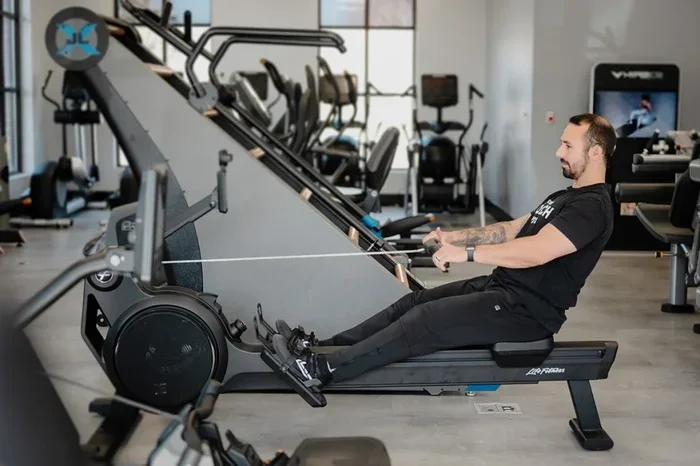
Rowing in the gym is one of the best full-body workouts you can do. It targets your legs, back, arms, and core while boosting cardiovascular health. Whether you want to burn calories, build endurance, or tone muscles, the rowing machine delivers real results. This guide covers everything you need to know about rowing in the gym and why it deserves a spot in your routine.
Have you ever walked past the rowing machine at the gym and wondered if it is worth your time? You are not alone. Many people skip the rowing machine because they do not know how to use it or what it actually does for their body. The truth is that rowing in the gym is one of the most underrated workouts you can do.
Unlike treadmills that mostly work your lower body, the rowing machine hits almost every muscle group. Your legs push, your core stabilizes, and your arms pull. It is a smooth, continuous motion that builds strength and endurance at the same time. Whether you are a gym beginner or a seasoned fitness enthusiast, rowing in the gym can fit your goals perfectly.
In this article, we will break down all the benefits of gym rowing. You will learn how it works, what muscles it targets, and how to avoid common mistakes. By the end, you will understand why the rowing machine might become your favorite piece of gym equipment.
Key Takeaways
- Full-Body Workout: Rowing engages over 80% of your muscles, making it one of the most efficient gym exercises.
- Low Impact: It is gentle on your joints, making it ideal for beginners and those with joint concerns.
- Burns Calories Fast: A 30-minute session can burn 200-400 calories depending on intensity.
- Improves Heart Health: Regular rowing boosts cardiovascular endurance and circulation.
- Proper Form Matters: Using the correct technique prevents injury and maximizes results.
- Great for Weight Loss: Rowing combines cardio and strength, making it a powerful tool for shedding pounds.
📑 Table of Contents
What Happens When You Row in the Gym
Rowing in the gym is more than just pulling a handle. It is a coordinated movement that involves multiple muscle groups working together. The rowing stroke has four phases: the catch, the drive, the finish, and the recovery. Each phase activates different muscles, which is why rowing feels so complete as a workout.
When you sit on the rowing machine, your feet are strapped in and your hands grip the handle. You push off with your legs, lean back slightly, and pull the handle toward your chest. Then you reverse the motion to return to the starting position. This cycle repeats with every stroke, creating a smooth and rhythmic workout.
Many people think rowing is just an arm exercise. That is a common mistake. Your legs do about 60% of the work, your core stabilizes your torso, and your arms finish the pull. This balance is what makes rowing in the gym such an effective full-body workout. If you want to try a dedicated full-body routine, check out our guide on Is The Rowing Machine A Good Full Body Workout for more details.
The Four Phases of a Rowing Stroke
Understanding the stroke phases helps you row more efficiently. Here is a quick breakdown:
- The Catch: You are at the front of the machine with bent knees and arms extended. Your shins are vertical and your core is engaged.
- The Drive: This is the power phase. Your legs push forward, your hips open, and then your arms pull the handle to your lower chest.
- The Finish: Your legs are straight, the handle is pulled to your lower ribs, and your torso is slightly leaned back.
- The Recovery: You reverse the motion. Arms extend first, then you lean forward, and finally your knees bend as you slide back to the catch.
Getting these phases right makes a huge difference. Proper form prevents injury and ensures you get the most out of every stroke. For a deeper dive into technique, read our article on What Is The Proper Form For A Rowing Machine.
The Top Benefits of Rowing in the Gym
Now that you understand the basics, let us look at why rowing in the gym is so beneficial. The advantages go far beyond just burning calories.
1. It Works Almost Every Muscle
Rowing is rare because it combines cardio and strength training in one movement. Your quads, hamstrings, glutes, calves, back, shoulders, biceps, and core all get involved. Few gym exercises can claim that kind of muscle engagement. This is why many fitness experts call the rowing machine a full-body exercise.
2. It Is Gentle on Your Joints
Running on a treadmill puts a lot of stress on your knees and ankles. Rowing, on the other hand, is a low-impact workout. The seated position removes the jarring impact from your joints. This makes it an excellent choice for people who are recovering from injuries or those who have joint pain. If you have back concerns, check out our guide on Is A Rowing Machine Good For Lower Back Pain to learn more.
3. It Burns a Lot of Calories
A vigorous rowing session can burn between 200 and 400 calories in just 30 minutes. The exact number depends on your weight, intensity level, and rowing pace. Because rowing builds muscle while burning fat, it boosts your metabolism even after you leave the gym. This makes it a great option for anyone focused on weight loss. For more on this topic, see our article on Is A Rowing Machine Good Exercise For Weight Loss.
4. It Boosts Cardiovascular Health
Your heart is a muscle, and rowing trains it effectively. Regular rowing sessions strengthen your heart, improve blood circulation, and lower blood pressure. Over time, you will notice that everyday activities feel easier because your endurance has improved. Indoor rowing is one of the best ways to build a strong cardiovascular base without the impact stress of running.
5. It Improves Posture and Core Strength
Rowing requires a strong core to maintain proper form throughout each stroke. As you strengthen your abdominal and lower back muscles, your posture improves both on and off the machine. Many people who sit at desks all day notice that rowing helps counteract the negative effects of prolonged sitting. Your core becomes more stable, and your lower back feels stronger.
How Long Should You Row at the Gym
The ideal rowing session length depends on your fitness level and goals. If you are just starting out, 10 to 15 minutes is a great place to begin. As your endurance improves, you can gradually increase the duration. For most people, 20 to 30 minutes of rowing provides an excellent workout.
Here is a simple breakdown of rowing durations and their benefits:
- 10-15 minutes: Great for beginners. Focuses on building a habit and learning proper technique.
- 20-30 minutes: The sweet spot for most gym-goers. Balances intensity with sustainability.
- 30-45 minutes: Best for advanced users looking to maximize calorie burn and endurance gains.
- 45+ minutes: Ideal for long-distance training or endurance-focused sessions.
For specific guidance on session length, our article on How Long Should You Use The Rowing Machine For provides detailed recommendations based on different fitness goals.
Tips for Building a Rowing Routine
Consistency is the key to seeing results from rowing in the gym. Here are some practical tips to help you build a sustainable routine:
- Start with 3 sessions per week. This gives your body time to recover between workouts.
- Warm up for 3-5 minutes at a slow pace before increasing intensity.
- Mix up your intensity. Alternate between steady-state rows and interval training to keep things interesting.
- Track your progress. Most rowing machines display distance, pace, and calories burned. Use this data to stay motivated.
- Cool down and stretch. Spend 5 minutes rowing at a relaxed pace and stretch your legs and back afterward.
Common Mistakes to Avoid When Rowing
Even though rowing is a natural movement, many people make mistakes that reduce their results or increase their risk of injury. Here are the most common errors to watch out for.
1. Overusing Your Arms
One of the biggest mistakes beginners make is pulling with their arms too early in the stroke. Your arms should only finish the pull after your legs have driven and your torso has opened. Think of the sequence as legs, then core, then arms. Reversing this order leads to arm fatigue and poor power transfer.
2. Rounding Your Back
Keeping your back straight is essential during every phase of the rowing stroke. Rounding your back puts unnecessary pressure on your spine and can lead to lower back pain over time. Sit tall, engage your core, and maintain a neutral spine throughout the movement.
3. Rushing the Recovery
The recovery phase is just as important as the drive phase. Many people slide back to the catch too quickly, which wastes energy and disrupts the rhythm. The recovery should be slower and controlled. Think of it as a chance to rest and prepare for the next powerful drive.
4. Setting the Resistance Too High
It can be tempting to crank up the damper setting for a harder workout, but too much resistance forces you to use poor form. Start with a moderate setting (around 3-5 on most machines) and focus on smooth, controlled strokes. You can always increase resistance as your technique improves.
Is Rowing in the Gym Good for Weight Loss
The short answer is yes. Rowing in the gym is one of the most effective exercises for weight loss. It combines high-calorie burning with muscle building, which creates a powerful metabolic effect. When you build more muscle, your body burns more calories even at rest.
Rowing also keeps your heart rate elevated for extended periods, which means you are in the fat-burning zone for a longer time. Compared to machines like the elliptical or stationary bike, rowing often burns more calories per minute because it engages so many muscle groups simultaneously.
To maximize weight loss results, pair your rowing sessions with a balanced diet and strength training. Rowing alone is a great tool, but combining it with other healthy habits gives you the best outcome. For more insights on how rowing supports weight loss goals, check out our article on Is A Rowing Machine Good For Losing Belly Fat.
Expert Tips for Getting the Most from Your Gym Rowing Session
Whether you are new to the rowing machine or looking to push your performance, these expert tips will help you get more from every workout.
- Focus on your breathing. Exhale during the drive and inhale during the recovery. Proper breathing keeps your oxygen flow steady and delays fatigue.
- Use your legs. Your legs are the strongest muscle group in your body. Let them do the heavy lifting during the drive phase.
- Stay relaxed at the catch. Avoid tension in your shoulders and arms at the front of the stroke. Stay loose and ready.
- Keep your strokes per minute moderate. Aim for 24-30 strokes per minute for a sustainable, effective workout. Going too fast often leads to sloppy form.
- Stay hydrated. Rowing works your entire body and can cause significant sweating. Drink water before, during, and after your session.
Final Thoughts
Rowing in the gym is truly one of the best all-around exercises you can do. It builds strength, improves cardiovascular health, burns calories, and is gentle on your joints. Whether your goal is to lose weight, tone your muscles, or simply get fitter, the rowing machine delivers results.
The beauty of rowing is its simplicity. You sit down, grab the handle, and row. There is no complicated setup or intimidating equipment. Once you learn the basic technique, you can enjoy effective workouts every time you visit the gym. Start with short sessions, focus on your form, and gradually increase your intensity. Your body will thank you.
So next time you are at the gym, do not walk past the rowing machine. Give it a try. You might just discover your new favorite workout.
Frequently Asked Questions
Is rowing in the gym good for beginners?
Yes, rowing is excellent for beginners because it is low-impact and easy to learn. You can start with short sessions of 10-15 minutes and gradually build up your endurance and technique over time.
How many calories does rowing burn in 30 minutes?
A 30-minute rowing session can burn between 200 and 400 calories depending on your weight and intensity level. Vigorous rowing at a steady pace tends to burn more calories than moderate-intensity sessions.
Can rowing help reduce belly fat?
Rowing is a full-body cardio exercise that burns calories and builds muscle, which helps reduce overall body fat including belly fat. However, spot reduction is not possible, so combining rowing with a healthy diet is the best approach.
Is a rowing machine better than a treadmill?
Both have unique benefits. Rowing is low-impact and works your upper and lower body, while treadmills focus mainly on your legs. The best choice depends on your fitness goals and any joint concerns you may have.
How often should I row at the gym?
For most people, rowing 3 to 5 times per week provides great results. Allow at least one rest day between sessions to let your muscles recover, especially when you are just starting out.
Does rowing tone your arms?
Yes, rowing engages your biceps, shoulders, and forearms during the pull phase of each stroke. Over time, consistent rowing can lead to toned arms along with improved upper body strength.