What Is the Rowing Machine Exercise Good For
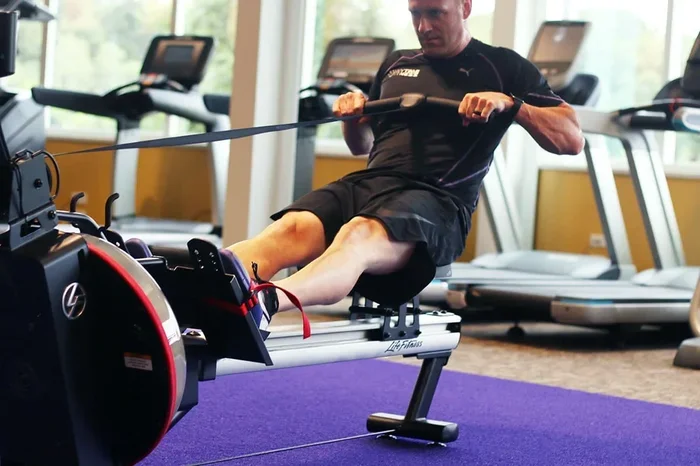
The rowing machine exercise is one of the best full body workouts you can do at home or in the gym. It combines cardiovascular fitness, muscle toning, and low impact movement into a single powerful session. Whether you want to lose weight, build endurance, or protect your joints, a rowing machine delivers real results.
A rowing machine exercise is one of the most underrated workouts out there. People often think of it as just an arm workout. But that is far from the truth. Rowing hits your legs, back, arms, and core all at once. It is a true full body exercise that delivers serious results.
Whether you are trying to shed extra pounds, build endurance, or just find a low impact exercise that does not wreck your joints, the rowing machine has you covered. It fits almost every fitness goal. And the best part? You do not need a gym membership to get started. A compact rowing machine at home can change your entire routine.
In this article, we will break down exactly what a rowing machine exercise is good for. You will learn about the physical benefits, the mental health perks, and how to get started safely. By the end, you will understand why so many people call the rowing machine a secret weapon for fitness.
Key Takeaways
- Full Body Workout: A rowing machine exercise engages over 80% of your muscles, including legs, back, arms, and core.
- Great for Weight Loss: Rowing burns significant calories and boosts your metabolism for hours after your session.
- Joint Friendly: This low impact exercise is perfect for people with bad knees, hips, or lower back issues.
- Heart Health: Regular rowing improves cardiovascular fitness and helps lower blood pressure over time.
- Beginner Friendly: You can start slow and adjust resistance to match your fitness level.
- Mental Health Boost: Rowing reduces stress, improves mood, and builds mental toughness through consistent practice.
📑 Table of Contents
Full Body Workout Benefits
The biggest reason people turn to a rowing machine exercise is the full body engagement. Unlike a treadmill that mostly works your legs, or a bench press that isolates your chest, rowing pulls nearly every muscle group into action.
Here is what happens during each stroke:
- Legs: Your quads, hamstrings, and glutes power the drive phase. They push you back on the slide.
- Back and Core: Your lats, rhomboids, and abs stabilize your torso and pull the handle toward your chest.
- Arms and Shoulders: Your biceps, triceps, and deltoids finish the stroke by pulling the handle to your ribcage.
- Hip Flexors: These muscles help you return to the starting position smoothly.
That means one single movement works your entire body. Studies show that indoor rowing activates about 86% of your muscle groups. No other exercise machine comes close to that level of full body involvement.
Why Full Body Workouts Matter
Full body workouts save time. Instead of spending an hour on five different machines, you can get a complete session in 20 to 30 minutes on a rower. This makes it perfect for busy people who still want effective exercise. You also build balanced muscle strength because both sides of your body work equally.
If you are new to fitness, check out our guide on what is the best rowing machine for a beginner to find the right machine to start with.
Weight Loss and Calorie Burning
If your goal is to drop weight, a rowing machine exercise is a top choice. Rowing burns a lot of calories in a short amount of time. A moderate session can burn between 400 and 600 calories per hour, depending on your weight and intensity level.
Here is why rowing is so effective for weight loss:
- High Calorie Burn: Rowing combines cardio and resistance, which means you burn more calories than steady pace cardio alone.
- Afterburn Effect: Intense rowing sessions boost your metabolism for hours after you finish working out.
- Fat Loss Without Muscle Loss: Because rowing builds lean muscle, your body burns more calories even at rest.
- Consistent Effort: You can maintain a steady pace for longer periods compared to running, which means more total calories burned.
Many people also use rowing for HIIT rowing workouts. These short bursts of intense effort followed by rest periods are proven to maximize fat burning. A 20-minute HIIT rowing session can rival an hour of moderate jogging.
For more details on how rowing helps with shedding pounds, see our article on is a rowing machine good exercise for weight loss.
How Many Calories Does Rowing Actually Burn?
The exact number depends on several factors. Your body weight, the resistance level, and your stroke rate all play a role. A 155-pound person rowing at moderate intensity for 30 minutes burns roughly 260 calories. The same person at high intensity can burn over 400 calories in that same window.
The key is consistency. Even if you start with just 15 minutes a day, you will see results over time. Pair your rowing machine workouts with a balanced diet, and the weight loss effects multiply.
Low Impact and Joint Friendly Exercise
One of the biggest advantages of a rowing machine exercise is that it is gentle on your joints. Running on pavement or doing jump exercises puts a lot of stress on your knees, ankles, and hips. Rowing eliminates that problem almost entirely.
Because your feet stay planted on the footplates and the seat slides smoothly, there is very little impact force. Your joints get all the movement benefits without the wear and tear. This makes rowing an excellent choice for people recovering from injuries or dealing with chronic joint pain.
Is Rowing Safe for People with Back Pain?
Rowing can actually help strengthen the muscles around your spine when done with proper form. However, poor technique can make back problems worse. The most important thing is to learn the correct rowing technique before pushing hard.
If you have existing back issues, it is always smart to consult a doctor first. But many people find that low impact exercise like rowing helps reduce stiffness and build support around the spine over time.
For a deeper look at this topic, check out our article on is a rowing machine good for a bad back.
Cardiovascular and Heart Health
Your heart is a muscle, and it needs regular training just like any other muscle. A rowing machine exercise gives your heart and lungs a fantastic workout. Over time, this improves your cardiovascular fitness in a meaningful way.
Regular rowing helps with:
- Lower resting heart rate: Your heart becomes more efficient at pumping blood.
- Reduced blood pressure: Consistent aerobic exercise keeps your blood vessels flexible and healthy.
- Better oxygen delivery: Your lungs learn to take in more air with each breath.
- Improved circulation: Blood flows more easily throughout your body, which speeds up recovery.
The American Heart Association recommends at least 150 minutes of moderate aerobic activity per week. A rowing machine is one of the best ways to hit that target. You can row at a steady pace for long durations or mix in intervals to challenge your heart further.
Rowing also qualifies as aerobic exercise, which has been linked to reduced risk of heart disease, stroke, and type 2 diabetes. It is one of the simplest ways to invest in your long term health from the comfort of your home.
Steady State vs. Interval Rowing
Both approaches benefit your heart. Steady state rowing means maintaining a consistent pace for 20 to 45 minutes. It builds endurance and teaches your body to burn fat efficiently. Interval rowing alternates between high effort and rest periods. It pushes your cardiovascular system harder and improves your fitness faster.
For beginners, start with steady state sessions two to three times per week. Once you feel comfortable, add one interval session to your routine. Your heart health will improve noticeably within just a few weeks.
Muscle Toning and Strength Building
Many people do not realize that a rowing machine exercise is also a form of resistance training. The flywheel on the rower creates tension that your muscles must work against. This builds strength and tone without the need for heavy weights.
Here are the main muscle groups that benefit from regular rowing:
- Legs: The biggest power source in every stroke. Your quads and glutes get stronger with each push.
- Back: The latissimus dorsi and erector spinae muscles stabilize your torso and pull the handle.
- Core: Your abs and obliques keep your body stable and transfer power between your upper and lower body.
- Arms: Your biceps and forearms control the handle throughout the stroke.
- Shoulders: The rear deltoids and traps help pull the handle toward your chest.
Unlike machines that isolate single muscles, rowing builds functional strength. This means the muscles you develop actually help you in real life. Carrying groceries, climbing stairs, and playing sports all get easier when you have a strong, well coordinated body.
Can Rowing Replace the Gym?
For many people, a rowing machine can replace several pieces of gym equipment. It works your upper and lower body at the same time. You do not need a separate leg press, cable row, or treadmill. A single rower can serve as the centerpiece of your home gym setup.
If you are looking for a quality machine for your home, check out our guide on what is a good rowing machine for home use to explore the best options.
Mental Health and Stress Relief
The benefits of a rowing machine exercise go far beyond physical health. Rowing is a powerful tool for your mental and emotional well-being. Like other forms of exercise, it triggers the release of endorphins, which are your body’s natural mood boosters.
Here is how rowing supports your mental health:
- Stress Reduction: The rhythmic, repetitive motion of rowing has a meditative quality. It helps quiet your mind and release tension.
- Better Sleep: Regular exercise like rowing improves sleep quality and helps you fall asleep faster.
- Increased Confidence: Seeing progress on the rower, whether it is faster times or longer distances, builds self-esteem.
- Focus and Clarity: Many rowers report feeling sharper and more focused after a session.
Exercise is one of the most effective natural treatments for mild anxiety and depression. Rowing is particularly effective because it combines physical effort with a calming, rhythmic pattern. You get the benefits of intense exercise without the mental burnout that comes from high impact sports.
Building a consistent exercise habit is one of the best things you can do for your overall quality of life. The rowing machine makes that habit easy to stick with because every session delivers visible results. You can track your distance, pace, and calories burned in real time, which keeps you motivated.
Common Mistakes to Avoid
While the rowing machine exercise is safe and effective, poor technique can lead to injuries. Here are the most common mistakes beginners make:
- Rounding the Back: Keep your spine neutral throughout the stroke. Slouching puts unnecessary pressure on your lower back.
- Using Only Your Arms: The power comes from your legs first, then your core, then your arms. Arms should finish the stroke, not start it.
- Rushing the Recovery: The return to the starting position should be slow and controlled. Rushing it wastes energy and reduces the workout effect.
- Setting Resistance Too High: Especially as a beginner, start with moderate resistance. You can always increase it as your strength improves.
- Skipping Warm Ups: Always spend 5 to 10 minutes warming up before jumping into a hard rowing session.
For detailed guidance on proper technique, read our article on what is the proper form for a rowing machine.
Quick Tips for Better Rowing Form
Good form makes all the difference. Keep your core tight, your shoulders relaxed, and your movements smooth. Think of the stroke as one fluid motion rather than three separate parts. The drive, the finish, and the recovery should flow together like a single movement. This not only prevents injury but also maximizes the power of each stroke.
Who Should Try the Rowing Machine Exercise
One of the best things about a rowing machine exercise is how accessible it is. Almost anyone can benefit from it:
- Beginners: Start with low resistance and short sessions. Build up gradually as your fitness improves.
- Seniors: The low impact nature makes it ideal for older adults looking to stay active without stressing their joints.
- Athletes: Rowing builds endurance and functional strength that translates to almost every sport.
- Busy Professionals: A 20-minute rowing session can replace an hour-long gym workout.
- People Recovering from Injury: With medical clearance, rowing helps maintain fitness during recovery without high impact stress.
No matter your age or fitness level, the rowing machine adapts to you. You control the resistance, the pace, and the duration. It is one of the most flexible pieces of home gym equipment you can own.
Final Thoughts
The rowing machine exercise truly is one of the most complete workouts available. It builds muscle, burns fat, strengthens your heart, protects your joints, and lifts your mood. Few pieces of equipment can claim all of those benefits in a single session.
Whether you are just starting your fitness journey or you are a seasoned athlete looking for a cross training tool, the rowing machine fits the bill. It is effective, efficient, and easy to use at home. You do not need fancy equipment or a personal trainer to get great results. Just a rower, some dedication, and the willingness to show up consistently.
Start with short sessions, focus on your form, and gradually increase your intensity. The results will follow. Your body, your heart, and your mind will all thank you for adding this powerful exercise machine to your routine.
Grab a water bottle, hop on the rower, and give yourself the gift of a workout that truly does it all. Your future self will be glad you started today.
Frequently Asked Questions
What muscles does a rowing machine exercise work?
A rowing machine exercise works over 80% of your muscle groups. This includes your legs, back, arms, shoulders, and core. Every stroke engages your quads, glutes, lats, biceps, abs, and more in a coordinated full body movement.
How often should I use the rowing machine for best results?
For general fitness, aim for three to five rowing sessions per week. Each session should last between 20 and 45 minutes. Mix steady state rows with interval training for the best combination of cardiovascular and strength benefits.
Is the rowing machine exercise good for weight loss?
Yes, a rowing machine exercise is excellent for weight loss. It burns a high number of calories in a short time and preserves lean muscle mass. Combined with a healthy diet, regular rowing can help you achieve and maintain a healthy weight.
Can beginners use a rowing machine safely?
Absolutely. The rowing machine is very beginner friendly. Start with low resistance and short durations. Focus on learning the proper technique before increasing intensity. Most people can start seeing benefits within just two to three weeks of consistent use.
Is rowing bad for your back?
When done with proper form, rowing is not bad for your back. In fact, it can strengthen the muscles that support your spine. However, rounding your back or using poor technique can cause strain. Always maintain a neutral spine and avoid hunching over the handle.
How does rowing compare to running for cardio fitness?
Rowing offers similar cardiovascular benefits to running but with much less impact on your joints. It also works your upper body, which running does not do as effectively. For people who want a joint friendly alternative to running, the rowing machine is an excellent choice.
=== CONCLUSION ===
The rowing machine exercise is a versatile, effective, and accessible way to improve nearly every aspect of your fitness. From full body muscle engagement to heart health, weight management, and mental well-being, the benefits are hard to ignore. It is one of the smartest investments you can make in your health, whether you are a complete beginner or a seasoned fitness enthusiast. Start today, stay consistent, and let the rowing machine transform your workouts for the better.