What Is a Good Rowing Machine to Buy

Choosing the right rowing machine depends on your fitness goals, budget, and available space. This guide breaks down the types of rowing machines, key features to consider, and what to look for when buying a rowing machine. You will learn how to pick a model that delivers a total body workout and fits your home setup perfectly.
Finding a good rowing machine to buy can feel overwhelming. There are so many brands, types, and price points out there. You might wonder which one actually delivers a great workout without breaking the bank.
The good news is that you do not need to be a fitness expert to make the right choice. This guide walks you through everything you need to know. We will cover the different types of machines, the features that matter most, and how to match a rowing machine to your goals. By the end, you will feel confident picking the best model for your home.
Whether you are a complete beginner or someone looking to upgrade your current setup, this article has you covered. Let us dive in and find your perfect rowing machine.
Key Takeaways
- Choose the right type: Air, magnetic, water, and hydraulic rowing machines each offer unique benefits for different users.
- Focus on key features: Resistance levels, rail length, weight capacity, and noise level matter most when selecting a model.
- Set a realistic budget: Good rowing machines range from affordable options under $500 to premium models over $1,500.
- Consider your space: Measure your available area before purchasing to ensure the machine fits comfortably in your home.
- Prioritize comfort and durability: A comfortable seat, smooth glide, and solid warranty are signs of a quality rowing machine.
- Match the machine to your goals: Whether you want cardio, strength training, or rehabilitation, the right machine supports your needs.
📑 Table of Contents
Why Buying the Right Rowing Machine Matters
A rowing machine is more than just another piece of gym equipment. It is a serious investment in your fitness journey. The right machine can give you a full body workout every time you sit down. A poor choice, on the other hand, can lead to frustration, discomfort, or even injury.
When you buy a rowing machine, you want something that feels smooth, tracks your progress, and holds up over time. A quality rowing machine engages your legs, arms, back, and core all at once. This makes it one of the most efficient tools for burning calories and building endurance.
Many people also love that a home rowing machine fits into small spaces. You do not need a dedicated home gym to get a great workout. A compact model can slide under a bed or tuck into a closet when not in use.
What Makes a Rowing Machine Worth Your Money?
Not all machines are created equal. A good rowing machine should feel comfortable from the first stroke. The seat should glide smoothly, the resistance should be adjustable, and the monitor should track your key stats. If you are new to rowing, look for a rowing machine for beginners that is easy to set up and use right away.
Durability is another big factor. You want a frame that feels solid and stable. A wobbly machine will not last long and can throw off your form. Check the rowing machine weight capacity to make sure it supports your body size safely.
Warranty coverage tells you a lot about a brand’s confidence. A solid warranty means the company stands behind its product. Look for at least a one-year warranty on parts and a longer coverage period on the frame.
Types of Rowing Machines Explained
Not all rowing machines work the same way. Each type uses a different system to create resistance. Understanding these differences helps you pick the one that fits your needs best.
Air Rowing Machines
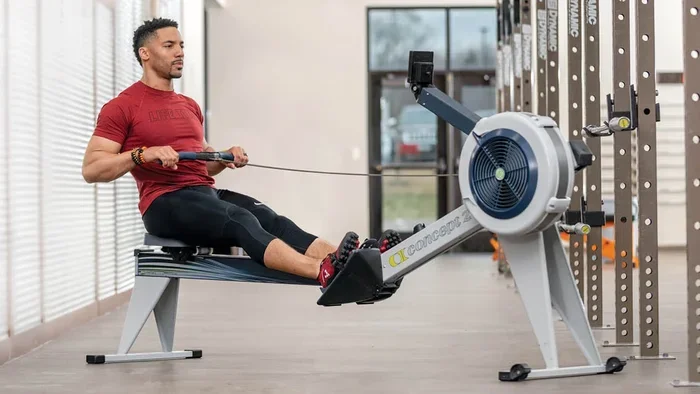
Air rowing machines use a spinning flywheel to create resistance. The harder you pull, the more resistance you feel. This gives you a natural and dynamic workout that mimics real rowing on the water.
Air models are popular in gyms because they handle intense workouts well. They tend to be louder than other types, though. If you plan to watch TV or listen to music while you row, the noise might bother you or others in your home.
Magnetic Rowing Machines
Magnetic rowing machines use magnets to create smooth, quiet resistance. They are some of the quietest machines on the market. This makes them a great choice for apartment living or early morning workouts.
Many magnetic models offer multiple resistance levels. You can adjust the tension with the push of a button. They are ideal for people who want a rowing machine workout that is gentle on the joints but still challenging.
Water Rowing Machines
Water rowing machines use a tank of water to create resistance. The sound of the water moving is calming and realistic. Many users say these machines feel the most like actual rowing on a lake or river.
Water models tend to be heavier and more expensive. They also take up more space. But if you want a premium feel and a beautiful design, a water rowing machine is hard to beat.
Hydraulic Rowing Machines
Hydraulic models use pistons or cylinders to create resistance. They are usually the most affordable option. They also tend to be compact, which makes them great for small apartments.
The downside is that the rowing motion can feel less natural. The pull might not be as smooth as air, magnetic, or water models. They work well for casual users but may not satisfy serious rowers.
Key Features to Look For
When you are shopping for a rowing machine, certain features stand out. Paying attention to these details helps you avoid buyer’s remorse.
Resistance Levels and Adjustability
The best machines let you adjust resistance easily. Whether you want a light recovery row or a tough interval session, you need control over the intensity. Look for a model with a wide range of resistance settings.
Some machines use magnetic resistance for quiet, precise adjustments. Others use air resistance for a more dynamic feel. Your choice depends on your preference and the space where you plan to use the machine.
Rail Length and Seat Comfort
Rail length matters more than most people realize. A longer rail accommodates taller users and allows for a full, comfortable stroke. If you are over six feet tall, look for a rail that is at least 48 inches long.
The seat should feel padded and glide without sticking. An uncomfortable seat can ruin an otherwise great workout. Test the seat glide before you buy if possible, or read reviews that mention comfort.
Monitor and Performance Tracking
A good monitor displays your strokes per minute, distance, time, calories burned, and heart rate. Some advanced models even track your rowing machine pace and split times. These metrics help you stay motivated and measure your progress over time.
You do not need the most expensive monitor to get useful data. Even a basic display that shows the essentials is enough for most users. The key is that the data is accurate and easy to read.
Size and Foldability
Measure your available space before you shop. A home rowing machine should fit comfortably in your room with some clearance around it. Many models fold up for easy storage, which is a huge plus for small apartments.
Check the folded dimensions and weight. A machine that is too heavy to move easily will stay in storage instead of getting used. Look for transport wheels and a manageable weight for easy setup and storage.
How to Set Your Budget
Rowing machines come in a wide range of prices. Setting a budget before you shop keeps you focused and prevents overspending.
Budget-Friendly Options (Under $500)
You can find decent hydraulic and basic magnetic models under $500. These machines are perfect for beginners who want to try rowing without a big commitment. They may lack advanced features, but they get the job done.
At this price point, focus on build quality and a smooth seat glide. Read customer reviews carefully to learn about long-term durability.
Mid-Range Models ($500 to $1,200)
The sweet spot for most buyers is the mid-range category. You get solid build quality, multiple resistance levels, and a reliable monitor. Many best rowing machine picks fall in this price range.
Mid-range air and magnetic models offer a great balance of performance and price. They suit regular users who want a challenging and comfortable workout several times a week.
Premium Models (Over $1,200)
Premium water and high-end air rowing machines cost more but deliver a premium experience. They feature realistic rowing feel, high-quality construction, and advanced monitoring systems.
If you are a serious athlete or plan to use the machine daily, investing in a premium model pays off. These machines last longer and feel better with every stroke.
Matching the Machine to Your Goals
Your fitness goals should guide your choice. Different machines serve different purposes.
For Cardio and Weight Loss
Rowing is an excellent cardio workout that burns a high number of calories. A rowing machine gives you a total body workout that engages over 80% of your muscles. If weight loss is your goal, aim for 30 to 60 minutes of rowing at a moderate pace several times a week.
A good rowing machine for weight loss should offer adjustable resistance and a comfortable seat for longer sessions. An air or magnetic model works well for this purpose.
For Strength and Muscle Building
Rowing builds strength in your legs, back, arms, and core. To focus on muscle building, use higher resistance levels and shorter, more powerful strokes. Water rowing machines are especially popular for strength training because of their realistic resistance curve.
For Rehabilitation and Low-Impact Exercise
Rowing is gentle on the joints, making it a great option for people recovering from injuries. A magnetic rowing machine with smooth, quiet resistance is ideal for rehabilitation. Start with low resistance and short sessions, and gradually increase as your body adapts.
If you have a bad back or lower back pain, consult your doctor before starting a rowing routine. Proper form is essential to avoid strain and get the most benefit.
Final Thoughts on Choosing Your Rowing Machine
Finding the right rowing machine comes down to understanding your needs. Think about your budget, your available space, and your fitness goals. A good rowing machine to buy should feel comfortable, perform smoothly, and last for years.
Take your time comparing models and reading reviews. Do not rush into a purchase just because of a low price. The best machine is the one that fits your body, your home, and your workout style.
Once you find the right machine, consistency is key. Rowing a few times a week will transform your fitness level. You will build strength, improve your endurance, and enjoy a workout that is both challenging and rewarding.
Start small, stay consistent, and enjoy the journey. The perfect rowing machine is waiting for you.
Frequently Asked Questions
What is the best type of rowing machine for beginners?
Magnetic rowing machines are often the best choice for beginners. They are quiet, easy to use, and offer smooth resistance. They are also gentle on the joints, which makes them ideal for people who are new to exercise or returning after a break.
How much should I spend on a rowing machine?
Most quality rowing machines fall between $500 and $1,200. This mid-range price point offers the best balance of features, durability, and performance. You can find solid options at lower prices, but they may lack advanced features and long-term durability.
Is a rowing machine a good total body workout?
Yes, rowing engages your legs, core, back, and arms all at once. It is one of the most efficient full body workouts you can do on a single piece of equipment. A 30-minute rowing session can burn 300 or more calories depending on your intensity.
How much space do I need for a rowing machine?
A standard rowing machine needs about 8 to 10 feet of length and 3 to 4 feet of width. Make sure you have enough overhead clearance too. Many models fold up for storage, which is a big plus if space is limited.
Can I lose belly fat using a rowing machine?
Rowing helps you burn calories and reduce overall body fat, including belly fat. It is not possible to target fat loss in one specific area, but consistent rowing combined with a healthy diet will help you slim down over time.
How often should I use my rowing machine?
For general fitness, rowing three to five times per week is a great goal. Start with 20 to 30 minute sessions and gradually increase the duration and intensity as your fitness improves. Listen to your body and rest when needed.