Whats the Best Exercising Rowing Machine for Home
Choosing the best exercising rowing machine for home can transform your fitness routine. A rowing machine delivers a full-body workout that builds strength, burns calories, and improves heart health all from the comfort of your living room. This guide breaks down the top options, key features to consider, and practical tips to help you pick the right rower for your space and budget.
Home fitness has changed a lot over the past few years. More people want equipment that works their whole body without taking up too much space. That is where a rowing machine for home really shines. Unlike treadmills or ellipticals, a rower gives you a low-impact, high-intensity workout that feels natural and effective.
If you have been searching for the best exercising rowing machine for home, you are in the right place. This guide walks you through everything you need to know. From the different types of rowers to the features that actually matter, we cover it all. By the end, you will feel confident picking the right machine for your home and your goals.
Key Takeaways
- Rowing machines offer a full-body workout that targets over 80% of your muscles in a single session.
- Air, magnetic, water, and hybrid rowers each have unique benefits suited for different home environments.
- Budget-friendly options exist that still deliver excellent performance for home exercisers.
- Noise level and footprint matter when choosing a rowing machine for indoor use.
- Proper form and consistent use are key to getting the most out of your home rower.
- Consider your fitness goals before picking a model, whether it is weight loss, endurance, or strength.
- Reading user reviews helps you avoid common pitfalls and find a durable machine.
📑 Table of Contents
Why a Rowing Machine Is Perfect for Home Workouts
A rowing machine for home use is one of the smartest investments you can make. It works your arms, legs, back, and core all at once. Few pieces of equipment can match that kind of efficiency. Plus, rowing is gentle on your joints, which makes it great for people of all fitness levels.
Full-Body Benefits You Cannot Ignore
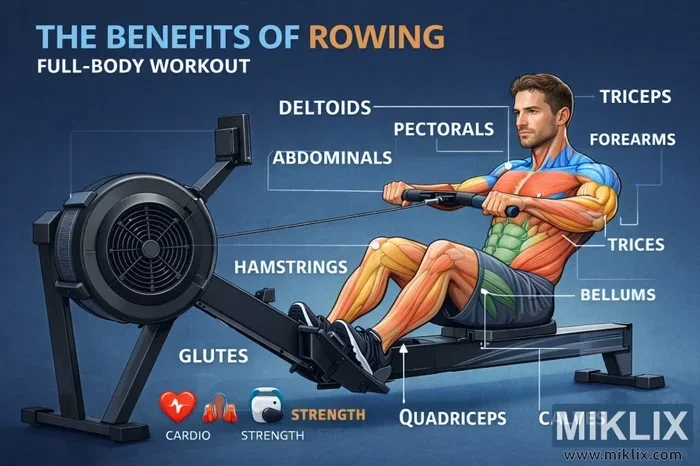
When you pull on a rower, you are not just working your arms. Your legs push, your core stabilizes, and your back pulls. This means you get a complete full body workout in one session. Studies show that rowing engages about 86% of your muscles. That is more than most gym machines can claim.
Here are some key benefits of using a rowing machine at home:
- Burns calories fast – a 30-minute session can torch 300 to 500 calories depending on intensity.
- Improves heart health – rowing is excellent for cardiovascular fitness.
- Builds lean muscle – it tones your arms, legs, and core without bulky gains.
- Low impact – easy on knees and hips compared to running.
- Reduces stress – the rhythmic motion can be meditative and calming.
If you want a machine that gives you a lot of return on your investment, a rowing machine for home is hard to beat.
Types of Rowing Machines Explained
Not all rowers are the same. Each type uses a different resistance system, and that affects how the machine feels, how loud it is, and how much it costs. Let us break down the main options so you can find the best fit for your home.
Air Rowing Machines
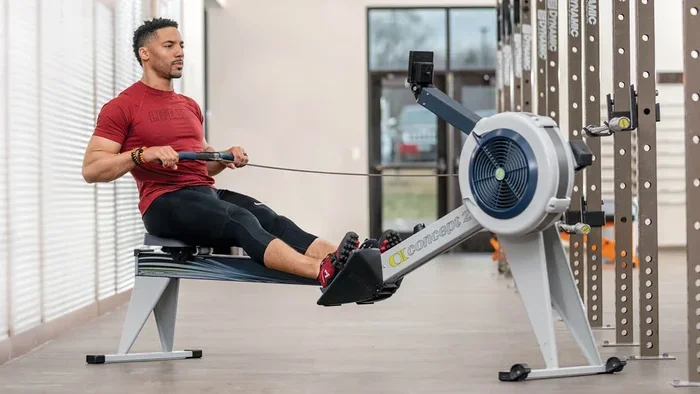
Air rowers use a spinning flywheel to create resistance. The harder you pull, the more resistance you feel. This gives you a very realistic rowing experience. Air rowers are the ones you often see in gyms and CrossFit boxes.
They are known for being durable and offering smooth, dynamic resistance. The downside is that they can be noisy. If you live in an apartment or have close neighbors, the fan noise might be a concern. However, many people love the natural feel and the challenge of an air rowing machine.
Magnetic Rowing Machines
Magnetic rowers use magnets to create resistance. They are much quieter than air rowers, which makes them ideal for home use. You can adjust the resistance levels digitally, and the pull feels smooth and controlled.
Magnetic rowers are a great choice if you plan to watch TV or listen to music while you row. They also tend to be more compact and easier to store. If you want a quiet rowing machine for home, magnetic is the way to go.
Water Rowing Machines
Water rowers use a tank of water to create resistance. The result is a smooth, realistic rowing feel that many people find incredibly satisfying. The sound of the water sloshing adds to the experience. Water rowers are often the most beautiful looking machines too.
They are heavier and more expensive than other types. They also take up more space. But if you want the most authentic rowing experience at home, a water rower is hard to top. They are also very quiet compared to air rowers.
Hybrid and Hydraulic Rowers
Some rowers combine different resistance types or use hydraulic pistons. These tend to be the most affordable and compact options. They work well for beginners or people with very limited space. Just know that the rowing feel may not be as smooth as air, magnetic, or water models.
What to Look for When Choosing a Rowing Machine
With so many options out there, picking the right one can feel overwhelming. Here are the features that matter most when you are shopping for a rowing machine for home.
Resistance Type and Levels
The resistance type determines how the machine feels during your workout. As we covered above, air, magnetic, and water are the top three. Think about what matters most to you. Do you want a challenging, gym-like feel? Go air. Do you want quiet and smooth? Go magnetic. Want the most realistic experience? Go water.
Also check how many resistance levels the machine offers. More levels give you more flexibility to adjust your workout intensity over time.
Track Length and Seat Comfort
The track length is the distance the seat slides. Longer tracks generally feel more comfortable for taller users. A track of at least 40 inches works well for most adults. Shorter tracks can feel cramped if you are over 6 feet tall.
Seat comfort is often overlooked. You will be sitting on this seat for 20 to 45 minutes at a time. Look for a seat with good padding and smooth rails. A comfortable rowing machine seat makes a big difference in your enjoyment.
Size and Storage
Home space is limited for most people. Before you buy, measure the area where you plan to keep the rower. Some models fold up for easy storage, which is a huge plus. Others are upright and compact but do not fold.
Think about the weight of the machine too. Heavier models tend to be more stable but harder to move around. Lighter models are easier to store but may feel less sturdy during intense workouts.
Noise Level
This is a big one for home use. You do not want a machine that sounds like a jet engine every time you work out. Magnetic rowers are the quietest, followed by water rowers. Air rowers are the loudest, though many people find the fan noise motivating rather than annoying.
If you plan to row early in the morning or late at night, noise level should be a top priority in your decision.
Monitor and Features
Most modern rowers come with a display monitor that tracks your distance, time, strokes per minute, and calories burned. Basic models show just the essentials. Higher-end models offer Bluetooth connectivity, workout programs, and even virtual rowing courses.
You do not need the fanciest monitor to get a great workout. But if you like tracking your progress and staying motivated, look for a rower with a clear and responsive display.
Top Rowing Machines for Home Use
Now that you know what to look for, let us talk about some of the best options available. Keep in mind that the best exercising rowing machine for home depends on your budget, space, and fitness goals.
Best Overall: Air Rowers
Air rowers offer the most authentic rowing experience. They are durable, challenging, and used by athletes around the world. If you want a machine that will last for years and give you a serious workout, an air rower is a top choice. Many fitness experts consider them the gold standard for home rowing.
Best for Quiet Home Use: Magnetic Rowers
If noise is a concern, magnetic rowers are your best bet. They run almost silently and still deliver a solid workout. They are especially popular among people who live in apartments or share walls with neighbors. You can row at any hour without worrying about disturbing anyone.
Best for Realism and Style: Water Rowers
Water rowers give you the most natural feel and look stunning in a home. They are quieter than air rowers and offer a smooth, flowing resistance. They do cost more and take up more space, but the experience is unmatched. If you want your rower to double as a piece of furniture, a water rower is worth considering.
Best Budget Option: Hydraulic Rowers
Hydraulic rowers are the most affordable way to get into home rowing. They work well for beginners and casual users. The rowing feel is not as smooth as other types, but for the price, they are hard to beat. If you are just getting started and want to test the waters, a hydraulic model is a great entry point.
For more detailed recommendations on the best home rowers, check out our guide on the best rowing machine for home use. We also have a guide on the best rowing machine for the money if budget is your main concern.
How to Get the Most Out of Your Rowing Machine
Buying a great rower is only half the battle. Using it correctly and consistently is what delivers real results. Here are some practical tips to help you get started and stay on track.
Learn the Proper Form
Good form is essential for an effective and safe rowing workout. The movement has four phases: the catch, the drive, the finish, and the recovery. Keep your back straight, push with your legs first, then pull with your arms. Avoid rounding your lower back, as that can lead to strain.
If you are new to rowing, start with shorter sessions of 10 to 15 minutes. Focus on technique before you try to go fast or hard. Over time, you can increase your duration and intensity. For more guidance on form, visit our article on proper rowing machine form.
Start Slow and Build Up
Do not jump into hour-long sessions right away. Your body needs time to adapt to the new movement pattern. Start with 15 to 20 minutes, three times a week. As your fitness improves, you can increase the duration and add intervals for extra challenge.
Consistency beats intensity every time. A 20-minute row done three times a week will do more for you than one long session followed by a week of rest.
Mix Up Your Workouts
Doing the same steady rowing session every day can get boring. Try mixing in interval training, where you alternate between high-intensity sprints and easy recovery rows. You can also set distance goals, like rowing 2,000 meters as fast as you can, to keep things interesting.
Variety keeps you motivated and challenges your body in new ways. It also helps prevent plateaus in your fitness progress.
Track Your Progress
Use the monitor on your rower to track your workouts. Note your distance, time, and calories burned. Over weeks and months, you will see your numbers improve, which is incredibly motivating. Some rowers also connect to apps that let you compete with friends or join virtual challenges.
Maintain Your Machine
A well-maintained rower lasts longer and performs better. Wipe down the seat and rails after each use. Check the resistance settings periodically. If you have a water rower, add water treatment tablets to keep the tank clean. Follow the manufacturer’s care instructions to get the most life out of your machine.
Common Mistakes to Avoid
Even experienced rowers make mistakes. Here are a few to watch out for:
- Rounding your back – this puts unnecessary strain on your spine. Keep your chest lifted and core engaged.
- Using only your arms – the power comes from your legs, not your arms. Let your legs do the heavy pushing.
- Rushing the recovery – the recovery phase is just as important as the drive. Slow and controlled wins the race.
- Setting resistance too high – especially as a beginner, too much resistance leads to poor form and frustration.
- Skipping warm-ups – always warm up your joints and muscles before jumping into a rowing session.
Avoiding these mistakes will help you row safer and get better results faster.
Final Thoughts
Finding the best exercising rowing machine for home comes down to your personal needs, budget, and space. Whether you choose an air, magnetic, water, or hydraulic rower, you are making a smart move for your health. Rowing machines deliver an incredible full-body workout that is hard to match with any other piece of home equipment.
Take your time to compare options. Think about what matters most to you, whether that is noise level, price, track length, or features. The right rower will fit seamlessly into your home and your routine. Start with shorter sessions, focus on your form, and build from there. You will be amazed at how quickly you see and feel the results.
A rowing machine is more than just exercise equipment. It is an investment in your health and well-being. So go ahead, find the perfect rower, and start rowing your way to a stronger, fitter you.
Frequently Asked Questions
What is the best rowing machine for a small home?
Magnetic rowers are the best choice for small spaces. They are compact, quiet, and many models fold up for easy storage. You can find a quality magnetic rower that fits in a closet or corner without taking up much room.
How often should I use a rowing machine at home?
For best results, aim for three to five sessions per week. Each session should last between 15 and 45 minutes depending on your fitness level. Consistency is more important than duration, so find a schedule you can stick with.
Is a rowing machine good for weight loss?
Yes, rowing machines are excellent for weight loss. They burn a high number of calories in a short time while also building muscle. Combined with a healthy diet, regular rowing sessions can help you reach and maintain a healthy weight.
Can beginners use a rowing machine safely?
Absolutely. Rowing machines are low-impact and suitable for all fitness levels. Beginners should start with shorter sessions and focus on learning proper form. A rowing machine for a beginner can be a safe and effective way to build fitness over time.
What should I look for when buying a rowing machine for home?
Focus on resistance type, track length, noise level, and storage options. Also consider your budget and fitness goals. A machine with adjustable resistance and a comfortable seat will serve you well regardless of your experience level.
How long does a home rowing machine last?
A quality rowing machine can last anywhere from five to ten years with proper care. Air and water rowers tend to be the most durable. Regular maintenance, such as cleaning and checking bolts, will help extend the life of your machine significantly.