Do You Need a Yoga Mat for Barre

Whether you need a yoga mat for barre depends on your studio, your comfort, and the type of barre exercises you do. A mat provides cushioning for floor work and helps prevent slipping during high-repetition movements. Most studios supply mats, but having your own ensures better hygiene and a familiar feel under your feet.
You have signed up for your first barre class. You packed your water bottle, your grip socks, and your workout clothes. Then it hits you: do you need a yoga mat for barre? It seems like a simple question. But the answer is not always straightforward.
The short answer is: it depends. Some barre classes use the mat heavily. Others barely touch the floor at all. Your choice also depends on the studio, your comfort level, and what kind of barre experience you want. This guide breaks it all down so you can walk into class fully prepared.
Barre workouts blend ballet-inspired moves with Pilates and yoga principles. They focus on small, controlled movements that build strength and flexibility. Many of these moves happen on the floor. That is where the mat question really matters. A yoga mat for barre can make the difference between a great workout and an uncomfortable one.
Key Takeaways
- Barre classes often involve floor work: a mat protects your knees, spine, and hips during stretches and strengthening moves on the ground.
- Most barre studios provide mats: but bringing your own gives you better hygiene and a mat you are comfortable with.
- Mat thickness matters: a standard 6mm mat balances comfort and stability, which is ideal for barre movements.
- Non-slip grip is essential: barre involves small, controlled pulses, and a mat that slides on the floor can cause injury.
- You can skip the mat for standing-only barre: if the class focuses entirely on standing work, a mat may not be necessary.
- Check with your studio first: always confirm their mat policy before purchasing gear you may not need.
📑 Table of Contents
- What Is Barre and Why Does the Floor Matter?
- When You Definitely Need a Yoga Mat for Barre
- When You Can Skip the Mat
- How to Choose the Right Mat for Barre
- Benefits of Bringing Your Own Mat to Barre
- Common Mistakes People Make with Barre Mats
- Expert Tips for Your First Barre Class
- The Bottom Line: Do You Need a Yoga Mat for Barre?
What Is Barre and Why Does the Floor Matter?
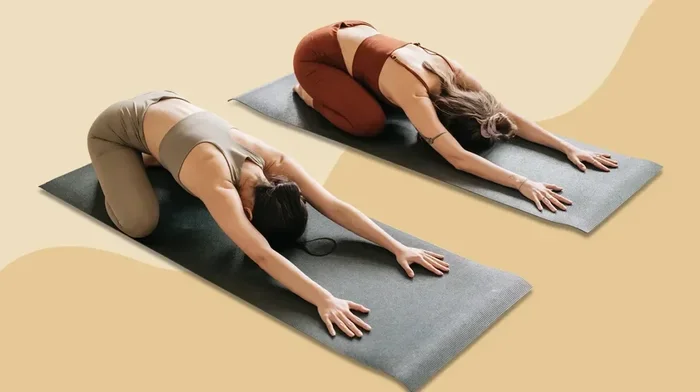
Barre is a low-impact fitness method inspired by ballet. It uses a ballet barre (the handrail) for support during standing exercises. But barre also includes significant floor work. Think of exercises like leg lifts, bridges, and planks performed on the ground. These moves target your core, glutes, and legs with high repetition.
Here is why the floor matters so much in barre:
- Knee protection: many barre exercises require kneeling or lying down. A hard studio floor can put pressure on your joints.
- Spinal support: floor exercises like spinal curls need a stable but cushioned surface to protect your lower back.
- Grip and stability: you need a mat that stays in place. A mat that slides around during barre pulses can throw off your form.
- Comfort during stretches: barre includes deep stretches on the floor. Without a mat, these can be painful on your hips and shoulders.
The barre workout mat is not just a luxury. For many people, it is a necessity. But not every barre session demands one. Let us look at when you definitely need a mat and when you can skip it.
When You Definitely Need a Yoga Mat for Barre
Not all barre classes are the same. Some lean heavily into mat work. Others focus almost entirely on standing exercises. Here are the situations where bringing a mat is a must.
Classes with Extensive Floor Work
If your barre class includes mat-based exercises, you need a mat. Many barre routines incorporate Pilates-style moves performed on the floor. These include:
- Leg circles and extensions while lying on your back
- Spinal articulation exercises
- Glute bridges and hip openers
- Core stabilization holds like planks and side planks
- Stretches for hamstrings and hip flexors
In these classes, the mat is not optional. It is part of the equipment. Without a mat, you risk discomfort and even injury. The hard studio floor offers zero cushion for repeated movements.
Classes That Require Kneeling
Some barre exercises involve kneeling positions. For example, you might kneel to perform back extensions or inner thigh work. A mat provides essential padding for your knees in these positions. Skipping the mat in these cases can lead to knee pain over time.
Pilates-Style Barre Fusion Classes
Many modern barre classes blend traditional barre with Pilates. These fusion classes often spend a significant portion of time on the mat. If you are attending a Pilates-style barre session, treat it like a Pilates class when it comes to mat needs. The mat thickness and grip become even more important for these flowing floor sequences.
When You Can Skip the Mat
Here is the good news. Not every barre class requires a mat. Some barre formats focus almost entirely on standing work at the barre. In these classes, you might never touch the floor.
Standing-Only Barre Formats
Certain barre classes emphasize upper body work, standing leg exercises, and balance drills. These classes use the barre for support throughout. If the class description mentions no floor work or mat exercises, you can safely skip the mat.
Studio-Provided Equipment
Many barre studios keep mats on-site for their clients. Before you buy your own mat, check what your studio offers. Some studios include mat rental in the class fee. Others have communal mats you can use. This is a great way to test barre without investing in equipment right away.
You might also want to check out whether you need a mat for yoga if you are exploring multiple studio fitness options. The mat requirements can overlap between these disciplines.
How to Choose the Right Mat for Barre
If you decide you need a mat, the next question is: which one? Not all mats are created equal. Barre has specific demands that differ from other fitness activities.
Thickness: Finding the Sweet Spot
Mat thickness is one of the most important factors for barre. Too thin, and you feel the floor directly through your body. Too thick, and you lose stability during standing balance work.
For barre, a standard thickness of 5mm to 6mm works best. This provides enough cushion for floor work without compromising your balance during standing exercises. If you are very sensitive on your knees or hips, you might prefer a slightly thicker mat for the floor portions only.
Here is a quick comparison of common mat thicknesses for barre:
- 3mm thin mats: Great for stability during standing work. Not enough cushion for floor exercises.
- 5mm to 6mm standard mats: The ideal balance for most barre classes. Recommended for beginners.
- 8mm to 10mm thick mats: Very comfortable for floor work. Can feel unstable during standing barre moves.
- 15mm+ extra thick mats: Too bulky for barre. Better suited for yoga or floor stretching only.
If you are unsure about thickness, check out our guide on the best yoga mat thickness for more detailed recommendations.
Material and Grip
Barre mats need excellent grip for two reasons. First, your hands and feet must stay planted during small pulses and movements. Second, the mat itself must not slide on the studio floor. Look for mats made from TPE (thermoplastic elastomer) or natural rubber. These materials offer superior traction.
Size Considerations
A standard yoga mat is usually long enough for barre. Most barre exercises require you to lie fully extended on your back. If you are taller than average, consider a long mat (72 inches or more) to avoid hanging off the edge.
Benefits of Bringing Your Own Mat to Barre
Even if your studio provides mats, there are strong reasons to bring your own. Here is why investing in a personal barre mat is worth it:
- Hygiene: Studio mats get used by dozens of people. Even with cleaning protocols, a personal mat is cleaner and more sanitary.
- Familiarity: Knowing your mat’s texture, grip, and thickness helps you feel more confident during class.
- Comfort: You can choose the exact thickness and material that suits your body and preferences.
- Cost savings: Over time, buying your own mat is cheaper than paying for mat rentals each class.
- Personal style: A mat you love can make you more excited to attend class and stick with your fitness routine.
Think of your barre mat as part of your workout gear. Just like your grip socks or your water bottle, it becomes an essential part of your class experience.
Common Mistakes People Make with Barre Mats
Avoid these common pitfalls when using a mat for barre:
- Using a mat that is too thick: This is the number one mistake. Thick mats feel cozy on the floor but make standing balance work much harder. Stick to 5mm or 6mm for barre.
- Skipping the mat entirely: Some people skip the mat because they think barre is all standing work. But many barre classes include floor segments. Always check the class description.
- Ignoring mat grip: A mat that slides on the studio floor can cause you to shift mid-movement. This throws off your alignment and can lead to injury.
- Forgetting to clean your mat: Sweat builds up on mats quickly, especially after barre classes. Regular cleaning keeps your mat fresh and hygienic.
If you are also curious about whether a yoga mat works for other activities, you might want to read about whether a yoga mat is needed specifically for barre class for more targeted advice.
Expert Tips for Your First Barre Class
Walking into your first barre class can feel intimidating. Everyone seems to know what they are doing. But remember, every seasoned barre-goer started exactly where you are now. Here are some expert tips to help you succeed.
Arrive early. Give yourself time to set up your mat, find a spot, and get comfortable. Rushing into class adds unnecessary stress.
Bring a towel. Barre classes make you sweat, even though they look gentle. A small towel helps manage sweat and keeps you comfortable.
Wear grip socks. Most barre studios require grip socks. They prevent your feet from slipping on the mat and the studio floor. Some studios rent them, but having your own is more hygienic.
Listen to your body. Barre movements are small but intense. If something hurts, modify the move or take a break. There is no shame in resting during class.
Stay hydrated. Even though barre is low-impact, it is still a workout. Drink water before, during, and after class.
The Bottom Line: Do You Need a Yoga Mat for Barre?
So, do you need a yoga mat for barre? The honest answer is: probably yes, at least occasionally. Most barre classes include some floor work, and a mat makes that experience safer and more comfortable. Even if your studio provides mats, having your own is a smart investment in your hygiene and comfort.
Start with a standard 5mm to 6mm mat. Choose one with good grip and a size that fits your body. Check with your studio about their mat policy before you buy. And remember, the best mat for barre is one that makes you feel confident and supported during every rep.
Barre is a fantastic workout that builds strength, flexibility, and body awareness. Whether you use a mat or not, the most important thing is that you show up and enjoy the process. Your mat is just one small piece of the puzzle. But for many barre lovers, it is an essential one.
Frequently Asked Questions
Do all barre classes require a yoga mat?
No, not all barre classes require a mat. Some barre classes focus entirely on standing exercises at the barre and never touch the floor. However, many barre formats include mat-based floor work. Always check the class description or ask the instructor before your first session to know what to expect.
What thickness yoga mat is best for barre?
A standard thickness of 5mm to 6mm is ideal for barre classes. This thickness provides enough cushioning for floor exercises while maintaining the stability needed for standing barre work. Avoid extra-thick mats (10mm or more) as they can make balance exercises more difficult.
Can I use a regular yoga mat for barre class?
Yes, you can use a regular yoga mat for barre class. Barre mats and yoga mats are very similar. The key features you need are cushioning for floor work and a non-slip surface. A standard yoga mat with good grip will serve you well in most barre classes.
Do barre studios provide mats for their clients?
Many barre studios do provide mats for their clients, but policies vary widely. Some studios include mat rental in the class fee. Others expect you to bring your own mat. Contact your studio ahead of time to confirm their mat policy and avoid being caught unprepared.
Is a yoga towel enough instead of a full mat for barre?
A yoga towel alone is usually not enough for barre class. While a towel can provide some grip and sweat absorption, it lacks the cushioning needed for floor exercises. Barre involves kneeling, lying down, and repeated movements on the ground that require proper mat support for joint protection.
How often should I clean my barre mat?
You should clean your barre mat after every use. Barre classes involve a lot of sweating, and bacteria can build up quickly on the mat surface. Use a gentle mat cleaner or a solution of water and mild soap. Let the mat air dry completely before rolling it up to prevent mold and odor.
=== CONCLUSION ===
The question of whether you need a yoga mat for barre comes down to your specific class and personal comfort. Most barre workouts include floor work that benefits greatly from mat cushioning. A good mat protects your joints, improves your grip, and enhances your overall experience. Even if your studio provides mats, having your own is a smart and hygienic choice. Choose the right thickness, prioritize non-slip grip, and enjoy every moment of your barre journey with confidence.