Do You Need a Yoga Mat for Carpet
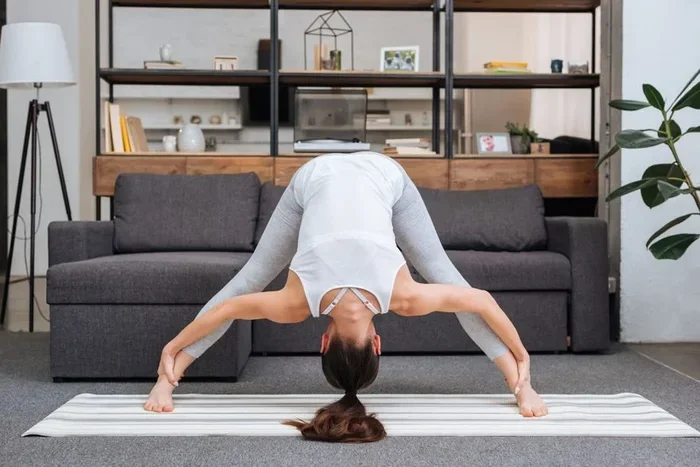
Using a yoga mat for carpet can improve grip, cushion your joints, and protect your flooring. While some styles of yoga work fine without a mat on carpet, a proper yoga mat adds comfort and stability. This guide covers why you might need one, which mat type works best, and how to choose the right yoga mat thickness for carpet.
Have you ever rolled out your yoga mat on carpet and wondered if it was even necessary? Maybe you have a cozy carpeted bedroom and think it’s soft enough to practice on bare knees. The truth is, carpet can feel nice at first, but it has some real downsides when it comes to yoga practice.
A yoga mat for carpet solves many of those problems. It gives you a stable surface, protects your joints, and keeps your hands and feet from sliding around. Whether you do gentle stretching or intense power yoga, the right mat makes a big difference. Let’s dig into why this matters and how to pick the best option.
If you’re new to yoga or just curious about matting options, this guide has you covered. We’ll look at the benefits, the types of mats that work best, and simple tips to get the most out of your carpet practice. By the end, you’ll know exactly whether you need a mat for your carpeted space.
Key Takeaways
- Carpet alone may not be enough: Carpet can shift under you and lack the cushioning needed for joint comfort during long holds.
- A yoga mat improves grip and stability: It prevents slipping on carpet fibers and gives you a consistent surface for balance poses.
- Mat thickness matters: A thicker mat works better on carpet to bridge the gap between your body and the floor beneath.
- Not all mats work well on carpet: Some materials grip carpet better than others, so choosing the right type is key.
- You can practice without a mat on carpet: But for comfort, hygiene, and proper alignment, a mat is often worth it.
- Consider your carpet type: Low-pile carpet needs a different mat than thick, plush carpet.
📑 Table of Contents
Why You Might Need a Yoga Mat for Carpet
Carpet feels soft, but it doesn’t always work well for yoga. The surface can shift under your hands and feet, making balance poses tricky. You might also notice that your knees or wrists hurt after a session on bare carpet.
A yoga mat on carpet creates a consistent, reliable surface. It locks your feet in place and gives you a firm base for standing poses. Without a mat, carpet fibers can bunch up under your toes and throw off your alignment.
Here are the main reasons people use a mat on carpet:
- Joint protection: Carpet may feel soft, but it doesn’t cushion your joints the way a dedicated mat does. Your knees, wrists, and spine need support during long holds.
- Better grip: A yoga mat grips the carpet underneath it, so it doesn’t slide around while you move from pose to pose.
- Hygiene: Carpets trap dust, dirt, and allergens. A mat creates a clean barrier between you and the floor.
- Consistent surface: Carpet has different textures in different spots. A mat gives you the same feel every time you unroll it.
Now, if you practice on a low-pile carpet and do mostly seated stretches, you might get by without a mat. But for most people, a yoga mat for carpet is a smart investment. If you want more details on when a mat is essential, check out our guide on do you need a yoga mat to do yoga.
Benefits of Using a Yoga Mat on Carpet
Using a yoga mat on carpet brings several clear advantages. These benefits go beyond just comfort and can improve your entire practice.
Improved Stability and Balance
When you stand on carpet without a mat, your feet can sink slightly into the fibers. This makes balancing harder, especially in poses like tree pose or warrior III. A yoga mat creates a firm, flat surface that keeps you steady. Your ankles and feet stay aligned, which reduces the risk of wobbling or falling.
The mat also grips the carpet beneath it. This means the mat stays put while you shift your weight from side to side. You won’t have to stop and readjust your mat every few minutes.
Joint Comfort and Support
Carpet might feel soft, but it doesn’t provide the same level of cushioning as a proper yoga mat. During poses like downward dog or child’s pose, your joints bear your body weight. A yoga mat for carpet adds a layer of support that protects your knees, elbows, and spine.
If you have sensitive joints or are recovering from an injury, this extra cushioning is especially important. Even on carpet, long holds can cause discomfort without proper mat support.
Better Hygiene and Floor Protection
Carpets collect dust, pet dander, and tiny particles over time. When you do yoga directly on carpet, you press these particles into your skin and clothing. A yoga mat acts as a barrier that keeps you cleaner and more comfortable.
Also, some carpets can stain or wear down from repeated use. A mat protects your carpet from sweat, oils, and dirt from your hands and feet. This helps your carpet last longer and stay looking fresh.
What to Look for in a Yoga Mat for Carpet
Not all yoga mats work the same way on carpet. Some grip well, while others slide around no matter what you do. Here’s what to keep in mind when choosing a mat for your carpeted floor.
Mat Thickness
Thickness is one of the most important factors. A thin mat might not provide enough cushioning on carpet, especially if your carpet is low-pile. On the other hand, an overly thick mat can make balance poses harder because it feels unstable.
For carpet, a mat that is about 5mm to 6mm thick usually works well. This thickness bridges the gap between your body and the carpet without making you feel wobbly. If you want more detail on choosing the right thickness, our article on how thick of a yoga mat do I need covers this in depth.
Mat Material
The material of your mat affects how well it grips carpet. Here are the most common options:
- TPE (Thermoplastic Elastomer): Lightweight, affordable, and offers decent grip on carpet. A good choice for beginners.
- Natural rubber: Excellent grip on carpet and very durable. It’s heavier but stays in place really well.
- PVC: Cheap and easy to clean, but it may slide on thicker carpets. Works best on low-pile carpet.
- Cork: Natural antimicrobial surface with good grip. It’s eco-friendly but can be pricey.
For carpet use, natural rubber and TPE mats tend to perform best. They grip the carpet fibers and stay put during your practice.
Mat Size
Your mat needs to fit comfortably on your carpeted space. A standard mat is about 68 inches long and 24 inches wide. If you’re taller than average, consider a longer mat. And make sure you have enough room around the mat to move freely during poses.
For guidance on sizing, check out our piece on how big of a yoga mat do I need.
Best Types of Yoga Mats for Carpet
Some mats are specifically designed to work well on carpeted surfaces. Here’s a closer look at the top options.
| Mat Type | Grip on Carpet | Cushioning | Best For |
|---|---|---|---|
| Natural Rubber | Excellent | Good | All-around practice, hot yoga |
| TPE | Very Good | Moderate | Beginners, travel |
| Closed-Cell Foam | Good | High | Gentle yoga, restorative poses |
| Cork | Very Good | Moderate | Eco-conscious yogis |
| Jute/Bamboo Fiber | Good | Low | Warm climates, sweaty hands |
If you want to know what thickness works best overall, our guide on what is the best thickness for a yoga mat has detailed recommendations for different surfaces including carpet.
Common Mistakes to Avoid
Even experienced yogis make mistakes when setting up their practice space on carpet. Here are the most common ones and how to avoid them.
Using the Wrong Mat Thickness
A mat that’s too thin won’t protect your joints on carpet. A mat that’s too thick can feel unstable. Always test the mat thickness on your carpet before committing to a long practice session. The sweet spot is usually between 4mm and 6mm for most carpet types.
Ignoring Carpet Pile Height
Not all carpets are the same. A low-pile carpet works differently than a thick, plush carpet. On high-pile carpet, a thicker mat helps even out the surface. On low-pile carpet, a thinner mat may be fine. Pay attention to your carpet type and adjust accordingly.
Skipping a Non-Slip Base
Some mats slide on carpet even if they grip well on hard floors. Look for mats with a textured bottom or non-slip backing. This keeps the mat anchored during vigorous movements and transitions.
Forgetting to Clean Your Mat
Carpet dust and fibers can stick to your mat over time. Clean your mat regularly with a gentle yoga mat cleaner to keep it hygienic and performing well. Dirty mats lose their grip, which defeats the purpose of using one on carpet.
Quick Tips for Practicing Yoga on Carpet
Here are some simple tips to get the most out of your carpet yoga practice:
- Choose a low-pile area: If possible, practice on a section of carpet that’s flat and not too thick. This gives you a more stable base.
- Use a yoga towel: A yoga towel over your mat can add extra grip and absorb sweat during hot yoga sessions on carpet.
- Secure your mat edges: Tuck the edges of your mat under furniture or use mat clips to prevent it from shifting on carpet.
- Roll out your mat fully: Make sure there are no folds or bubbles, which can throw off your balance on carpet.
- Clean your carpet regularly: Vacuum the area where you practice to reduce dust and debris that can get on your mat.
Do You Really Need a Yoga Mat for Carpet? Final Thoughts
The short answer is: it depends on your practice and your carpet. If you do gentle stretching or seated meditation on a low-pile carpet, you might not need a mat. But for most yoga styles, a yoga mat for carpet provides real benefits that carpet alone can’t match.
A good mat protects your joints, improves your grip, and keeps your practice space clean. It also gives you a consistent surface that feels the same every time you unroll it. Whether you’re a beginner or an experienced yogi, taking a few minutes to set up your mat properly can transform your carpet practice.
Think about your needs, your carpet type, and the style of yoga you practice. Choose a mat with the right thickness, material, and grip. With the right setup, your carpeted floor can become a comfortable and effective yoga space. Roll out your mat, take a deep breath, and enjoy your practice.
Frequently Asked Questions
Can I do yoga on carpet without a mat?
Yes, you can do gentle yoga on carpet without a mat, especially if your carpet is low-pile and flat. However, a mat provides better grip, joint support, and hygiene. For more active styles of yoga, a mat is strongly recommended even on carpet.
What is the best yoga mat thickness for carpet?
A thickness of 4mm to 6mm works best for most carpets. This range provides enough cushioning for your joints without making balance poses too unstable. If your carpet is very thick or plush, consider a slightly thicker mat.
Will a yoga mat slide on carpet?
Some mats can slide on carpet, especially on high-pile or smooth carpet fibers. To prevent sliding, choose a mat with a textured or non-slip bottom. Natural rubber mats and TPE mats tend to grip carpet very well.
Can I use a yoga towel on carpet instead of a mat?
A yoga towel can work on carpet for light stretching or hot yoga, but it doesn’t provide the same cushioning as a full mat. A towel adds grip and absorbs sweat, but for joint protection, a proper yoga mat is better.
How do I clean a yoga mat used on carpet?
Wipe your mat down after each use with a gentle cleaner or a mix of water and mild soap. Carpet fibers and dust can stick to the mat, so regular cleaning keeps it hygienic and maintains its grip. Let it air dry completely before rolling it up.
Is a thick yoga mat better for carpet?
A moderately thick mat (5mm to 6mm) is usually the best choice for carpet. Very thick mats can feel unstable during balance poses. The right thickness depends on your carpet pile height and the type of yoga you practice.