How Much Does a 5 Ft Barbell Weigh
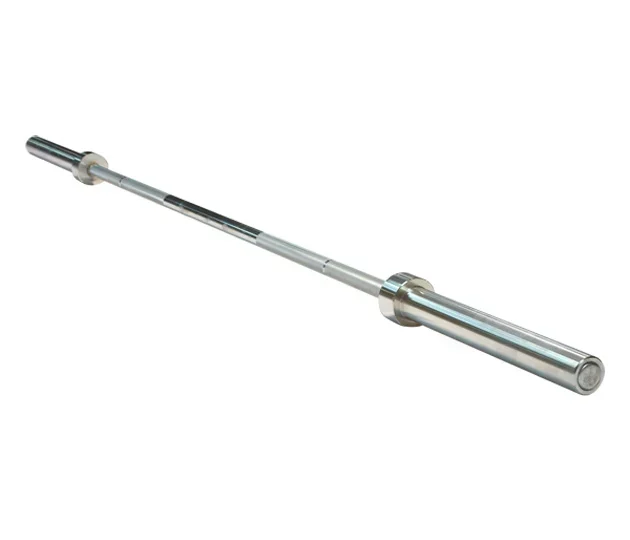
A standard 5 ft barbell typically weighs between 15 and 25 pounds, depending on the type, material, and construction. Knowing the 5 ft barbell weight matters because it affects your lifting form, workout intensity, and overall training results. This guide breaks down everything you need to know about how much a 5 ft barbell weighs and how to pick the best one for your goals.
If you are setting up a home gym or just curious about your equipment, you have probably wondered about how much a 5 ft barbell weighs. This is one of the most common questions among beginners and experienced lifters alike. The weight of your barbell directly impacts every rep, every set, and every workout you do. So getting the right answer matters more than you might think.
A 5 ft barbell is a popular choice for home gyms, small spaces, and beginners. It is compact enough to fit in tight areas but long enough to support a wide range of exercises. Whether you are doing bench presses, squats, or curls, knowing the exact weight of your bar helps you train smarter. In this article, we will cover everything from basic specs to practical tips for choosing the right bar.
Key Takeaways
- Standard 5 ft barbells weigh 15 to 25 lbs: The exact weight depends on the bar type, material, and manufacturer specifications.
- Barbell weight affects your total lift: You must account for the bar’s weight when calculating your one-rep max and training loads.
- Different bar types have different weights: Olympic bars, standard bars, and EZ bars all vary in weight even at the same length.
- Check the shaft and sleeve weight separately: The shaft and sleeves contribute differently to the total 5 ft barbell weight.
- Always verify specs before buying: Not all 5 ft bars are created equal, so check the manufacturer’s listed weight.
- Compare with other barbell sizes: A 6 foot standard barbell typically weighs more than a 5 ft version, so length matters.
📑 Table of Contents
- What Is the Weight of a 5 Ft Barbell?
- Why Does Barbell Weight Matter?
- How a 5 Ft Barbell Compares to Other Sizes
- What Affects the Weight of a 5 Ft Barbell?
- How to Choose the Right 5 Ft Barbell
- Common Mistakes People Make With Barbell Weight
- Expert Tips for Getting the Most From Your 5 Ft Barbell
- Final Thoughts
What Is the Weight of a 5 Ft Barbell?
The 5 ft barbell weight is not a single fixed number. It varies based on the bar type, material, and brand. Most standard 5 ft barbells fall in the 15 to 25 pound range. But that is just the starting point. Let us break it down further.
A standard 5 ft barbell made from basic steel usually weighs around 15 to 20 pounds. These bars are common in budget home gyms and beginner setups. They are simple, durable, and get the job done for most casual lifters.
On the other hand, a higher-quality 5 ft barbell with better bearings and a thicker shaft can weigh closer to 25 pounds. Olympic-style bars, even at 5 ft, tend to be on the heavier side because they use precision bearings and higher-grade steel. The sleeves rotate smoothly, which adds to the overall construction weight.
Shaft Weight vs. Sleeve Weight
Here is something many people overlook. A barbell has two main parts: the shaft and the sleeves. The shaft is the long center bar you grip. The sleeves are the ends where you load weight plates.
The shaft weight makes up the bulk of the 5 ft barbell weight. A typical shaft on a standard bar weighs about 10 to 15 pounds. The sleeves add another 2 to 5 pounds depending on the material and design. So when you look at the total weight, both parts matter.
When you are calculating your working weight, always include the bar. If you load 25 pounds on each side and the bar weighs 20 pounds, your total lift is 70 pounds. Forgetting to count the bar is a mistake that can throw off your training log and progress tracking.
Why Does Barbell Weight Matter?
You might think the weight of the bar itself is a small detail. But it adds up fast, especially during high-volume workouts. Understanding why barbell weight matters can change the way you train.
First, your 5 ft barbell weight affects your one-rep max calculations. If you think you are lifting 100 pounds but forget to count the 20-pound bar, you are actually lifting 120. This can make your progress numbers inaccurate and confuse your training plan.
Second, heavier bars require more stability. A 25-pound bar demands more control than a 15-pound bar, especially during exercises like overhead presses or single-arm movements. Beginners may find a lighter bar easier to handle while they build their technique.
Third, the bar weight influences your muscular endurance. Lighter bars allow you to do more reps with less fatigue. Heavier bars build more raw strength and grip endurance over time. Both have a place in a well-rounded training program.
How Bar Weight Affects Your Workouts
- Lighter bars (15 lbs): Great for high-rep workouts, beginners, and mobility drills.
- Medium bars (18-20 lbs): Ideal for general strength training and intermediate lifters.
- Heavier bars (22-25 lbs): Best for advanced lifters who need more resistance and stability challenges.
Knowing your bar weight helps you set realistic goals. It also makes your workouts safer because you can plan your loads accurately. If you are unsure about your bar’s weight, check the manufacturer’s website or the label on the packaging. Many companies list the exact 5 ft barbell weight in their product specifications.
How a 5 Ft Barbell Compares to Other Sizes
Not all barbells are the same length, and that difference matters. A 5 ft barbell sits in the middle of the size range. It is shorter than a standard 6 foot bar but longer than a 4 foot training bar. Each length serves a different purpose.
For comparison, a 6 foot standard barbell typically weighs between 20 and 30 pounds. The extra length adds material, which adds weight. A shorter 4 foot bar might weigh as little as 10 pounds. So the 5 ft bar offers a nice balance between compact size and moderate weight.
Here is a quick comparison of common barbell lengths and their typical weights:
| Barbell Length | Typical Weight | Best For |
|---|---|---|
| 4 ft | 10-15 lbs | Beginners, small spaces |
| 5 ft | 15-25 lbs | Home gyms, general training |
| 6 ft | 20-30 lbs | Full-size workouts, serious lifters |
| 7 ft (Olympic) | 44-45 lbs | Competition, advanced training |
The 5 ft barbell is a versatile option. It works well in apartments, garages, and small gym rooms. It is also a great choice for people who want a bar that is easy to store but still supports a full range of exercises. If you are deciding between sizes, consider your space, your strength level, and your training goals.
What Affects the Weight of a 5 Ft Barbell?
Several factors determine the final 5 ft barbell weight. Not every bar is built the same way, and small differences in design can change the number on the scale.
Material and Build Quality
The type of steel used plays a big role. High-carbon steel bars tend to be heavier than alloy steel bars. Stainless steel bars can also vary in weight depending on the grade. Budget bars often use thinner steel, which keeps the weight down but may affect durability.
Sleeve Design
The sleeves on a barbell are the tubes at each end where plates slide on. Some sleeves are fixed, while others rotate. Rotating sleeves use bearings or bushings, which add a small amount of weight. The sleeve material also matters. Steel sleeves are heavier than plastic or aluminum ones.
Knurling and Finishing
Knurling is the crosshatch pattern on the shaft that gives you grip. The amount of knurling and the type of finish (chrome, black oxide, etc.) can slightly affect the total weight. While this difference is usually small, it can add up on precision scales.
Barbell Type
Different barbell types have different weight profiles. A standard 1 inch standard 1 inch barbell at 5 ft will weigh differently than an Olympic 2 inch bar at the same length. Always check the specs for your specific bar type.
How to Choose the Right 5 Ft Barbell
Choosing a barbell is not just about picking the right length. You need to think about weight, material, capacity, and your personal training goals. Here is what to look for.
Check the Weight Specs
Always read the product listing carefully. The manufacturer should list the exact 5 ft barbell weight. If it is not listed, reach out to customer support or check reviews where other users may have weighed it.
Consider Your Strength Level
If you are a beginner, a lighter bar in the 15-pound range is a great starting point. It lets you focus on form without being overwhelmed by the bar itself. More advanced lifters might prefer a heavier bar that challenges their grip and stability.
Think About Your Training Space
A 5 ft barbell is perfect for smaller spaces. It fits in apartments, closets, and compact home gyms. If you have plenty of room, a longer bar might work better. But for most people, 5 ft is the sweet spot between functionality and convenience.
Look at Weight Capacity
Not all 5 ft bars can hold the same amount of weight. Some bars handle up to 100 pounds, while others can support 300 pounds or more. If you plan to lift heavy, make sure the bar’s weight capacity matches your goals. Check the weight capacity guide for more details on bar limits.
Barbell Weight at Different Gyms
If you train at a gym, the barbell weight may differ from what you use at home. Gym barbells can vary widely. For example, the barbell weight at Planet Fitness is often on the lighter side, around 15 to 20 pounds. Other gyms may use heavier commercial bars. Knowing the difference helps you adjust your training when you switch environments.
Common Mistakes People Make With Barbell Weight
Even experienced lifters sometimes make mistakes when it comes to barbell weight. Here are the most common ones and how to avoid them.
Forgetting to count the bar. This is the number one mistake. Always add the bar weight to your plates when calculating your total lift. If you skip this step, your training log will be wrong.
Assuming all 5 ft bars weigh the same. They do not. A budget bar might weigh 15 pounds while a premium bar weighs 25 pounds. Always verify the specific weight of your bar.
Using the wrong bar for the exercise. A standard 5 ft bar works for most exercises, but some movements benefit from specialized bars. For bench press, the barbell weight for bench press is the same as any other bar, but the grip width and bar type can change your experience.
Ignoring sleeve rotation. Fixed sleeves create more friction during lifts. Rotating sleeves with bearings allow smoother plate movement and reduce wrist strain. This does not change the bar weight much, but it affects your comfort and performance.
Expert Tips for Getting the Most From Your 5 Ft Barbell
Here are some practical tips from experienced lifters to help you get the best results from your 5 ft barbell.
- Weigh your bar on a bathroom scale. If you are unsure of the exact weight, place the bar on a scale at home. This gives you a reliable number for your training calculations.
- Track your bar weight separately. Keep a note of your bar’s weight in your training log. This makes it easy to add it to every workout without guessing.
- Invest in quality collars. Good collars keep plates secure and add minimal weight. Cheap collars can slip during heavy lifts, which is dangerous.
- Rotate your bar regularly. If you use the bar frequently, the knurling wears down over time. A bar with good knurling gives you a better grip and safer lifts.
- Store your bar properly. Keep it in a dry place to prevent rust. A barbell stand or rack helps protect the bar and your floor.
Final Thoughts
The 5 ft barbell weight is a simple detail that has a big impact on your training. Whether your bar weighs 15 pounds or 25 pounds, knowing the exact number helps you train with precision and confidence. A lighter bar is great for beginners and high-rep workouts, while a heavier bar suits experienced lifters who want more challenge.
Remember to always include the bar weight in your total lift calculations. Check the manufacturer specs, verify your bar at home if needed, and choose a bar that fits your space, strength level, and training goals. The right 5 ft barbell makes every workout more effective and more enjoyable.
Now that you know what to look for, you can pick the perfect bar for your setup. Train smart, track your numbers, and enjoy the progress that comes with it.
Frequently Asked Questions
How much does a standard 5 ft barbell weigh?
A standard 5 ft barbell typically weighs between 15 and 25 pounds. The exact weight depends on the bar type, material, and manufacturer. Always check the product specs for the precise number.
Is a 5 ft barbell good for beginners?
Yes, a 5 ft barbell is an excellent choice for beginners. It is compact, easy to store, and light enough to learn proper form. The moderate length also supports a wide range of exercises.
How does a 5 ft barbell compare to a 6 ft barbell?
A 5 ft barbell is shorter and usually lighter than a 6 ft barbell. While a 6 foot bar weighs between 20 and 30 pounds, a 5 ft bar is typically in the 15 to 25 pound range. The shorter bar is better for smaller spaces.
Can I use a 5 ft barbell for bench press?
Absolutely. A 5 ft barbell works well for bench press. The barbell weight for bench press is the same regardless of bar length. Just make sure the bar is long enough to grip comfortably with your desired hand placement.
Does the weight of the barbell matter for muscle growth?
Yes, it does. The barbell weight contributes to your total training load. Heavier bars challenge your muscles more, while lighter bars allow for higher reps. Both approaches support muscle growth in different ways.
Where can I find the exact weight of my barbell?
Check the manufacturer’s website or product manual. You can also weigh the bar yourself using a bathroom scale. Many retailers list the exact 5 ft barbell weight in the product description before you buy.