What Part of Bicep Do Barbell Curls Work
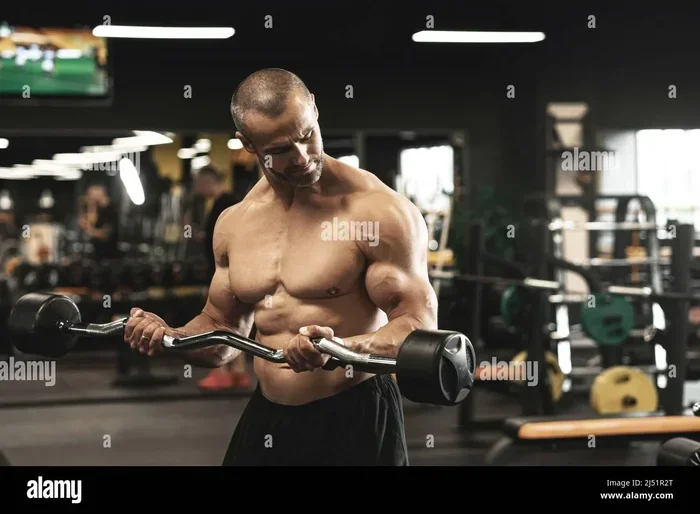
Barbell curls primarily target the biceps brachii, hitting both the short head and long head of the bicep. They also engage the brachialis and brachioradialis muscles in the forearm. Understanding which muscles barbell curls work helps you train smarter and build bigger, stronger arms.
Barbell curls are one of the most popular resistance training exercises in any gym. Whether you are a beginner or a seasoned lifter, you have likely grabbed a barbell and curled it hundreds of times. But have you ever stopped to think about what part of the bicep do barbell curls work? Understanding the bicep anatomy behind this classic move can completely change how you train.
The biceps brachii is a two-headed muscle on the front of your upper arm. Each head plays a different role during the curl. By learning how these muscles work, you can target them more effectively. This guide breaks down everything you need to know about barbell curl muscle activation, proper form, and how to get the best results from your arm workouts.
Key Takeaways
- Bicep Activation: Barbell curls work both the short head and long head of the biceps brachii for full arm development.
- Forearm Engagement: The brachialis and brachioradialis assist during the movement, strengthening your forearms too.
- Proper Form Matters: Using the right technique maximizes muscle activation and reduces injury risk.
- Variation Options: Different grip widths and curl angles shift focus across bicep heads for balanced growth.
- Progressive Overload: Gradually increasing weight or reps drives muscle hypertrophy and strength gains.
- Complementary Exercises: Pairing curls with other arm workouts creates a well-rounded bicep training plan.
📑 Table of Contents
- The Anatomy of the Bicep
- What Part of the Bicep Do Barbell Curls Work
- How to Perform Barbell Curls with Perfect Form
- Benefits of Barbell Curls for Arm Development
- Barbell Curl Variations to Target Different Bicep Heads
- How to Program Barbell Curls Into Your Routine
- Barbell Curls vs. Other Bicep Exercises
- Expert Tips for Maximizing Barbell Curl Results
- Quick Tips for Beginners
- Common Mistakes That Limit Your Bicep Growth
- Final Thoughts on Barbell Curls and Bicep Development
The Anatomy of the Bicep
Before we dive into the curl itself, let us look at the bicep muscles in detail. The bicep is not just one single muscle. It is made up of several parts that all work together during arm flexion. Knowing these parts helps you understand why barbell curls are so effective.
The Biceps Brachii: Short Head and Long Head
The biceps brachii has two main heads. The short head of the bicep sits on the inner part of your arm. It gives your bicep that coveted peak when you flex. The long head of the bicep sits on the outer part. It contributes to overall arm size and thickness.
Both heads connect to your shoulder and insert near your elbow. When you perform a curl, both heads contract to flex your elbow. The barbell curl targets both heads at the same time. This makes it a highly efficient arm workout exercise.
The Brachialis and Brachioradialis
Beyond the biceps brachii, two other muscles play a big role during curls. The brachialis sits underneath the bicep. It is a powerful elbow flexor that adds width to your upper arm. The brachioradialis runs along the forearm. It helps with forearm size and grip strength.
These muscles are called synergist muscles. They assist the bicep during the curl movement. When you train barbell curls regularly, you also build these supporting muscles. The result is bigger, more defined arms overall.
What Part of the Bicep Do Barbell Curls Work
Now let us get to the core question. What part of bicep do barbell curls work? The answer is simple yet detailed. Barbell curls primarily work the biceps brachii, but they also engage several surrounding muscles.
The movement is called elbow flexion. This means you are bending your elbow to bring the weight toward your shoulder. During this motion, the short head and long head of the bicep both contract. The brachialis and brachioradialis also fire to assist.
What makes barbell curls unique is the fixed position of the barbell. Unlike dumbbells, a barbell keeps both arms moving in sync. This allows you to lift heavier weights. Heavier weight means more muscle activation across both bicep heads.
Studies on muscle activation show that barbell curls produce high levels of tension on the biceps. This tension is what drives muscle hypertrophy and strength gains. If you want to build bigger arms, barbell curls should be a staple in your routine.
How Grip Width Changes Muscle Focus
One interesting detail about barbell curls is how your grip affects which muscles work harder. A shoulder-width grip targets both bicep heads evenly. A narrow grip places more emphasis on the outer head of the bicep. A wide grip shifts focus more toward the inner head.
You do not need to change your grip dramatically. Even small adjustments can alter the muscle fiber recruitment pattern. Experimenting with grip width helps you find what works best for your body and goals.
How to Perform Barbell Curls with Perfect Form
Proper form is the key to getting the most out of barbell curls. Bad form leads to poor results and potential injury. Follow these steps to ensure you are curling correctly.
Step-by-Step Form Guide
- Stand tall: Keep your feet shoulder-width apart. Hold a barbell with an underhand grip at shoulder width.
- Keep your elbows still: Let them rest at your sides. Do not let them swing forward during the lift.
- Curl the bar up: Use your biceps to lift the bar toward your chest. Squeeze at the top for one second.
- Lower with control: Slowly lower the bar back to the starting position. Do not let it drop quickly.
- Repeat: Maintain a steady tempo throughout each rep.
The most common mistake is using momentum. Swinging your body or moving your elbows takes the work away from your bicep muscles. Keep the movement slow and controlled. This ensures maximum bicep activation on every rep.
Common Form Mistakes to Avoid
- Using your back: Leaning backward shifts the load away from the biceps.
- Swinging the bar: Using momentum reduces muscle tension and limits gains.
- Partial reps: Only curling halfway means you miss the full range of motion.
- Lifting too much weight: Heavy weight with bad form leads to strain and poor results.
- Rushing the tempo: Fast reps reduce time under tension, which is key for hypertrophy.
Focus on quality over quantity. A slower, more controlled curl with lighter weight will build more muscle than swinging heavy loads with poor form.
Benefits of Barbell Curls for Arm Development
Barbell curls offer many benefits beyond just building bigger biceps. They are a foundational strength training exercise that supports overall arm health and function. Here are the key benefits you can expect.
1. Builds Bicep Size and Peak
The most obvious benefit is bicep growth. Regular barbell curl training stimulates the muscle fibers in both bicep heads. Over time, this leads to visible increases in arm size. The short head of the bicep contributes to the peaked look when you flex. The long head adds overall mass and thickness.
For many lifters, the goal of barbell curls is to build a strong bicep peak. This is the rounded shape that stands out when your arm is flexed. Consistent training with proper form makes this achievable.
2. Improves Grip Strength and Forearm Size
Because you must hold the barbell throughout the exercise, your forearms work hard too. The brachioradialis and forearm muscles engage to maintain your grip. Over time, this leads to stronger hands and thicker forearms.
Improved grip strength carries over to other lifts. Deadlifts, rows, and pull-ups all benefit from a strong grip. So barbell curls do more than just build your biceps.
3. Enhances Upper Body Strength
Strong biceps support many other upper body movements. Pulling exercises like rows and pull-ups rely heavily on bicep strength. By training barbell curls, you build the pulling power you need for these compound movements.
This makes barbell curls a smart choice for anyone focused on overall upper body development. They complement compound movements like bench press and rows beautifully.
4. Supports Muscle Balance and Joint Health
Many people focus only on pushing exercises like bench press. This can lead to muscular imbalances. The biceps are a pulling muscle. Training them with barbell curls helps balance the push-to-pull ratio. Better balance means healthier joints and fewer injuries over time.
Barbell Curl Variations to Target Different Bicep Heads
While standard barbell curls work both bicep heads, slight variations can shift the focus. These variations help you target specific areas of the bicep for balanced development.
Close-Grip Barbell Curl
A close grip places the hands closer together. This variation puts more emphasis on the outer head of the bicep. It also increases the range of motion at the bottom of the curl. This is great for building the bicep peak and adding detail to your arms.
Wide-Grip Barbell Curl
A wide grip shifts the focus toward the inner head of the bicep. This head contributes more to the overall mass and width of the arm. Wide-grip curls are excellent for adding thickness to your upper arm.
Incline Barbell Curl
Performing curls on an incline bench changes the angle of the movement. This places extra stretch on the long head of the bicep. The stretch under load is a powerful stimulus for muscle growth. It also targets the biceps brachii from a different angle than standard curls.
If you want to explore other bicep-focused exercises, check out our guide on what part of the bicep barbell curls work for more detailed insights on bicep activation patterns.
How to Program Barbell Curls Into Your Routine
Knowing what part of bicep do barbell curls work is only half the battle. You also need to train them smartly. Here is how to program barbell curls for the best results.
Recommended Sets and Reps
For muscle hypertrophy, aim for 3 to 4 sets of 8 to 12 reps. This rep range keeps the tension high enough to stimulate growth. Rest 60 to 90 seconds between sets. This allows enough recovery to maintain performance across all sets.
If your goal is pure strength, use heavier weight for 4 to 6 reps. If your goal is endurance and definition, use lighter weight for 15 to 20 reps. Varying your rep ranges keeps your muscles guessing and promotes continuous progress.
For more guidance on setting up your curl routine, check out how many sets of barbell curls should I do for practical recommendations.
Best Day to Train Biceps
Most lifters train biceps on arm day or after a back workout. Since the biceps assist in pulling movements, they get some pre-activation on back day. Training them after a compound pulling exercise can be very effective. The muscles are already warmed up and ready to work.
However, training biceps on a separate day also works well. This gives them full focus and energy. Choose whichever approach fits your strength training split best.
Progressive Overload for Continuous Growth
The key to long-term gains is progressive overload. This means gradually increasing the weight, reps, or sets over time. Your muscles adapt to the stimulus you give them. To keep growing, you must consistently challenge them.
Add 2.5 to 5 pounds to the barbell every few weeks. Or add one extra rep to each set. These small increases add up over months and years. They are the foundation of arm development and muscle hypertrophy.
For those looking to understand how barbell curls compare to other exercises, explore what do barbell curls and dips have in common to see how different arm exercises overlap in their muscle targeting.
Barbell Curls vs. Other Bicep Exercises
There are many ways to train the biceps. How do barbell curls compare to other popular options? Let us look at a quick comparison.
| Exercise | Primary Muscle | Equipment Needed | Best For |
|---|---|---|---|
| Barbell Curl | Biceps Brachii | Barbell | Overall bicep size and strength |
| Dumbbell Curl | Biceps Brachii | Dumbbells | Unilateral strength and balance |
| Hammer Curl | Brachialis, Brachioradialis | Dumbbells | Forearm size and arm width |
| Preacher Curl | Biceps Brachii (short head) | EZ Bar or Dumbbells | Bicep peak isolation |
| Cable Curl | Biceps Brachii | Cable Machine | Constant tension throughout the range |
Each exercise has its place in a well-rounded program. Barbell curls are excellent for building overall mass because they allow heavy loading. Dumbbells offer more freedom of movement. Hammer curls target the brachialis for arm width. The best approach is to use a mix of these exercises in your routine.
Expert Tips for Maximizing Barbell Curl Results
Want to get the most out of every curl? Here are some expert-backed tips that make a real difference.
- Warm up your biceps first: Do a few light sets before going heavy. This prepares the muscle and joints for the work ahead.
- Focus on the negative: Lower the bar slowly for 3 seconds. The eccentric phase is where much of the muscle growth happens.
- Squeeze at the top: Pause for one second at the peak of the curl. This increases time under tension and improves the mind-muscle connection.
- Train to near failure: Your last few reps should be challenging. If you could do 10 more, the weight is too light.
- Keep your wrists straight: Avoid bending your wrists backward or forward during the curl. This protects the joints and keeps tension on the biceps.
These small adjustments can lead to big improvements in your bicep training. Consistency and attention to detail are what separate good results from great results.
Quick Tips for Beginners
If you are new to barbell curls, start here. These quick tips will set you on the right path.
- Start with a light weight to learn the movement pattern.
- Focus on full range of motion. Curl all the way up and lower all the way down.
- Do not ego lift. Choose a weight you can control for 8 to 12 reps.
- Train biceps 2 times per week for optimal growth.
- Pair curls with compound movements like rows for balanced arm development.
Common Mistakes That Limit Your Bicep Growth
Even experienced lifters make mistakes with barbell curls. Avoid these common errors to stay on track.
- Overtraining: Training biceps every day does not give them time to recover and grow. Stick to 2 to 3 sessions per week.
- Neglecting the full range: Partial reps limit muscle activation. Use the full stretch and squeeze.
- Ignoring the brachialis: The brachialis sits under the bicep. Training it with hammer curls and reverse curls adds arm width.
- Skipping progressive overload: Lifting the same weight forever leads to plateaus. Keep challenging your muscles.
Fixing these mistakes can unlock new levels of arm definition and strength. Small changes in your approach can produce dramatic results over time.
Final Thoughts on Barbell Curls and Bicep Development
Barbell curls remain one of the best exercises for building bigger, stronger biceps. They target both the short head and long head of the biceps brachii while also engaging the brachialis and brachioradialis. Understanding what part of the bicep barbell curls work gives you the knowledge to train with purpose and precision.
Use proper form, train with progressive overload, and vary your approach to keep making gains. Whether you are building a bicep peak, adding arm mass, or improving overall upper body strength, barbell curls deliver. Make them a regular part of your arm workout routine and watch your results grow over time.
The journey to bigger arms starts with understanding the muscles you are training. Now that you know exactly what part of the bicep barbell curls work, you can train smarter, lift heavier, and build the arms you have always wanted. Stay consistent, stay patient, and enjoy the process.
Frequently Asked Questions
Do barbell curls work the short head or long head of the bicep?
Barbell curls work both the short head and long head of the biceps brachii. The fixed barbell position ensures both heads contract during the curl. Adjusting your grip width can shift emphasis between the two heads for more targeted training.
Can barbell curls build a bicep peak?
Yes, barbell curls are excellent for building the bicep peak. The short head of the bicep contributes most to the peaked look when flexed. Consistent curl training with proper form stimulates growth in this area over time.
Are barbell curls better than dumbbell curls?
Both exercises have their benefits. Barbell curls allow heavier loading, which is great for building mass. Dumbbell curls offer more freedom of movement and help fix strength imbalances. A good routine includes both for balanced arm development.
How often should I train barbell curls?
Training biceps 2 to 3 times per week is ideal for most people. This frequency provides enough stimulus for growth while allowing adequate recovery. Pair your curl sessions with compound pulling exercises for the best results.
Do barbell curls work the forearms too?
Yes, barbell curls engage the forearm muscles, especially the brachioradialis. Your forearms must work to maintain a firm grip on the barbell. Over time, this leads to stronger forearms and improved grip strength.
What weight should I use for barbell curls?
Choose a weight that challenges you for 8 to 12 reps with good form. If you can easily complete 12 reps, increase the weight slightly. The last 2 reps of each set should feel difficult but still achievable with proper technique.