What to Look for When Buying a Barbell
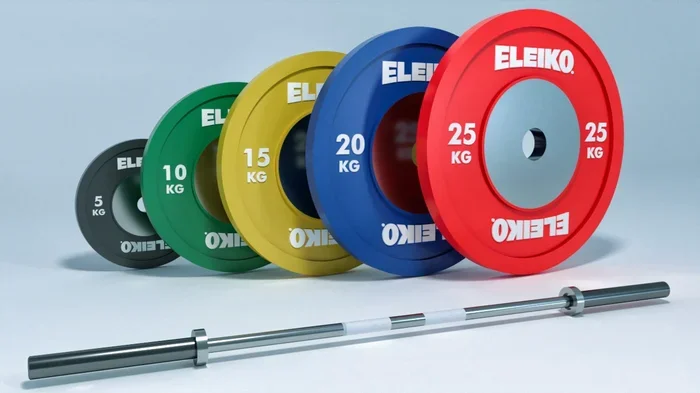
Choosing the right barbell matters more than most people think. A good barbell affects your lifts, your safety, and your progress in the gym. This guide walks you through the key features you need to consider, from material and knurling to sleeve rotation and weight capacity, so you can buy with confidence.
Buying a barbell might seem simple at first glance. You grab a long metal bar, slap some plates on it, and lift. Right? Not quite. The truth is, the barbell you choose can make or break your training experience. A cheap, poorly made bar can cause wrist pain, slip during heavy sets, and even snap under pressure. On the other hand, a well-built bar feels like an extension of your body. It rotates smoothly, grips securely, and lasts for years of hard work.
So what should you actually look for when shopping for a barbell? This guide breaks down every important factor in plain language. Whether you are a beginner setting up your first home gym or a seasoned lifter upgrading your equipment, you will find exactly what you need here. Let us dive in.
Key Takeaways
- Material matters: Steel quality determines durability, whip, and overall performance.
- Knurling affects grip: The right pattern keeps the bar from slipping during heavy lifts.
- Sleeve rotation is crucial: Smooth bearings reduce wrist strain and improve lift speed.
- Weight capacity should exceed your max: Always choose a bar that handles more than your current heaviest lift.
- Bar length and diameter vary by use: Match the bar to your training style and body size.
- Budget doesn’t mean compromise: Great barbells exist at every price point if you know what to look for.
📑 Table of Contents
Understanding Barbell Types and Their Uses
Not all barbells are created equal. Different types serve different purposes, and picking the wrong one can hold back your progress. Before you look at features, you need to know which type of barbell fits your goals.
Olympic Barbells
The Olympic barbell is the most common type you will see in gyms. It has a standard diameter of 28 millimeters and rotates on sleeves that accept 2-inch plates. These bars are versatile. You can use them for squats, bench presses, deadlifts, and Olympic lifts like cleans and snatches. Most barbell buyers start with an Olympic bar because it handles nearly every exercise in a standard weightlifting routine.
Powerlifting Barbells
Powerlifting bars are built specifically for the three competitive lifts: squat, bench press, and deadlift. They tend to be stiffer than Olympic bars, which means they have less whip. This stiffness helps you lift heavier weights with more control. Power bars also usually have more aggressive knurling and a slightly different diameter to meet competition standards. If you compete in powerlifting or train specifically for those three lifts, a dedicated power bar is worth the investment.
Deadlift Bars
Deadlift bars are a specialized type designed for one purpose: pulling heavy weights off the floor. They are typically thinner, have more whip, and feature aggressive knurling to prevent the bar from rolling in your hands. If deadlifts are your main focus, a dedicated deadlift bar can improve your performance significantly.
Barbell Material and Construction Quality
The material a barbell is made from directly impacts how it feels and how long it lasts. This is one of the most important things to understand before you buy.
Steel Grades
Most quality barbells are made from medium-carbon steel or high-carbon steel. Medium-carbon steel offers a good balance of strength and flexibility. It has enough whip to absorb shock during heavy lifts but stays strong under pressure. High-carbon steel is harder and more brittle, which can be great for certain applications but may not be ideal for general training.
Stainless steel bars resist rust and corrosion better than standard steel. If you train in a humid environment or do not have a climate-controlled gym space, stainless steel is a smart choice. However, stainless steel bars can sometimes cost more than their carbon steel counterparts.
Coatings and Finishes
The finish on a barbell serves two purposes. It protects the steel from rust, and it affects how the bar feels in your hands. Here are the most common finishes you will encounter:
- Chrome: Durable and easy to clean. Chrome bars look shiny and professional. They are a solid choice for most gym-goers.
- Black oxide: A matte finish that resists scratches well. It gives the bar a sleek, understated look.
- Zinc plating: Budget-friendly and decent for protection. However, zinc can wear off over time with heavy use.
- Ceramic or bare steel: Some premium bars use ceramic coatings or leave the steel bare for a natural feel. These often provide excellent grip but may require more maintenance.
Barbell Whip and Stiffness
Whip refers to how much a barbell bends under load. More whip stores energy and releases it during explosive movements like cleans and snatches. Less whip gives you more stability for heavy, slow lifts like squats and bench presses. The right amount of whip depends on your training style. If you do a lot of Olympic lifting, look for a bar with moderate to high whip. If you focus on powerlifting, a stiffer bar will serve you better.
Knurling and Grip Design
Knurling is the crosshatched pattern machined into the barbell shaft. It is what keeps the bar from slipping in your hands. Without proper knurling, even a light set can feel dangerous when your palms are sweaty.
Types of Knurling
Knurling comes in different patterns and depths. Here is what you should know:
- Hill knurling: Features rounded ridges. It is less aggressive on the hands and works well for general training.
- Mountain knurling: Has sharp, aggressive peaks. This type bites into the skin and provides maximum grip. Powerlifters and heavy lifters often prefer mountain knurling.
- Micro knurling: A finer pattern that offers moderate grip without being too harsh on the hands.
Knurling Placement
Where the knurling sits on the bar matters too. The markings indicate where your hands should go for specific lifts. For example, the knurling marks on a standard Olympic bar show you the proper hand placement for squats and bench presses. This consistency helps you repeat lifts with the same setup every time. When choosing a barbell, check that the knurling placement matches your training needs.
Grip Diameter
The diameter of the barbell shaft affects how comfortably you can hold it. Standard Olympic bars use a 28-millimeter diameter. However, some bars use a 29-millimeter or even 30-millimeter shaft, which can feel thicker in your hands. If you have smaller hands, a thinner bar might be more comfortable. If you have larger hands, a thicker bar can actually give you a better lockout on pressing movements. The length of the barbell also matters for grip comfort, especially during exercises like deadlifts where your hands need to wrap around the full shaft.
Sleeve Length and Rotation
The sleeves are the ends of the barbell where you load your plates. They might seem like a small detail, but they play a big role in how the bar performs.
Why Sleeve Length Matters
Longer sleeves give you more room between the plates. This prevents the plates from rubbing against each other during lifts, which reduces noise and wear. Longer sleeves also make it easier to load and unload plates quickly. When you are in the middle of a heavy set, you do not want to fumble with tight spacing.
Sleeve Rotation and Bearings
Sleeve rotation refers to how freely the ends of the bar spin. Smooth rotation is essential for Olympic lifts and for reducing wrist strain during any pressing movement. Here is how rotation systems work:
- Bushings: Bronze or brass bushings provide decent rotation at a lower cost. They are common on budget-friendly bars and work well for general training.
- Bearings: Needle bearings or ball bearings offer smoother, faster rotation. They are found on higher-end bars and are ideal for competitive lifters and serious trainees.
- Washers: Some bars use simple washers between the sleeve and the shaft. These provide minimal rotation and are the least desirable option.
If you plan on doing Olympic lifts or want a bar that feels fast and responsive, look for needle bearings. They make a noticeable difference in how the bar moves during your lifts. The process of loading plates is also easier with longer sleeves that have good clearance, so keep this in mind when comparing bars.
Weight Capacity and Durability
Every barbell has a maximum weight capacity. This is the total amount of weight the bar can safely handle, including the weight of the plates and the bar itself. Exceeding this limit is dangerous and can lead to bar failure.
Static vs. Dynamic Weight Capacity
Some barbells list two weight capacities. Static capacity refers to how much weight the bar can hold while standing still. Dynamic capacity refers to how much weight it can handle during explosive movements like drops or throws. Olympic lifting puts more stress on the bar, so if you do cleans or snatches, pay close attention to the dynamic rating.
Breaking Strength and Tensile Strength
Tensile strength measures how much force the bar can withstand before breaking. Higher tensile strength means a stronger bar. Most quality bars have a tensile strength of at least 130,000 PSI. Budget bars may be lower, which is fine for lighter training but risky for heavy lifting. Look for bars with tensile strength clearly listed in the product specifications.
When you are shopping, choose a bar that handles more than your current max. This gives you room to grow without needing to replace your barbell every year. If you are curious about how barbell training fits into broader fitness routines, understanding rep ranges for barbell complexes can help you plan your workouts effectively.
Budget Considerations and Final Tips
Barbell prices range from around $100 to over $1,000. You do not need to spend a fortune to get a good bar, but you should not buy the cheapest option either. Here is how to think about your budget.
Where to Spend and Where to Save
Spend more on the barbell shaft, sleeves, and bearings. These are the parts that directly affect performance and durability. You can save on fancy finishes or branding. A matte black bar with good bearings will outperform a flashy chrome bar with cheap bushings every time.
Matching the Bar to Your Training
Think about what exercises you do most often. If you focus on powerlifting, invest in a stiff, aggressively knurled power bar. If you do CrossFit or Olympic lifting, prioritize whip and sleeve rotation. If you are a casual lifter building strength at home, a versatile Olympic bar with decent bearings and good knurling will serve you well for years.
Testing Before You Buy
If possible, visit a gym or fitness store and test a few barbells. Pay attention to how each one feels in your hands. Check the sleeve rotation by spinning the ends. Look at the knurling depth and decide if it is too aggressive or just right. Your hands and wrists will thank you for taking the time to test before you commit.
When you are ready to make your purchase, remember that the right barbell is an investment in your training. A quality bar lasts for years, performs consistently, and keeps you safe during every lift. Take your time, compare options, and choose the bar that fits your body, your goals, and your budget.
Whether you are loading up for a heavy squat session or practicing clean pulls, the barbell you hold matters. Use the tips in this guide to make a confident, informed decision. Your future self, lifting heavier and feeling stronger, will thank you for it.
Frequently Asked Questions
What is the best barbell for beginners?
A standard Olympic barbell with medium knurling and needle bearings is the best starting point for most beginners. It handles virtually every exercise and provides a comfortable, safe lifting experience without breaking the bank.
How much should I spend on a barbell?
A good quality barbell typically costs between $200 and $500. You can find decent budget options around $100, but spending in the $200 to $400 range gets you better bearings, stronger steel, and a more durable finish that will last for years.
What barbell length should I get?
Standard Olympic barbells are usually 7 feet long and work for most lifters. If you are very tall or have a wide grip, consider a longer bar. For home gyms with limited space, a 5-foot or 6-foot bar may be a better fit.
Do I need a women’s barbell?
Women’s barbells typically have a thinner diameter (25 millimeters), a shorter length, and a lighter overall weight. If you have smaller hands or are new to lifting, a women’s bar can feel more comfortable and easier to control during lifts.
Can I use a deadlift bar for squats?
Yes, you can use a deadlift bar for squats, but the extra whip and thinner shaft may feel less stable during heavy squat sets. It is better to use a stiffer power bar or standard Olympic bar for squats to maintain consistent balance and control.
How do I know if my barbell needs replacing?
Replace your barbell if you notice visible bending, cracks in the steel, rust that won’t come off, or rough spots in the knurling. Also, if the sleeves no longer rotate smoothly or the bar feels unstable under load, it is time for an upgrade.
=== CONCLUSION ===
Buying a barbell does not have to be overwhelming. Focus on the fundamentals: material quality, knurling, sleeve rotation, weight capacity, and how the bar fits your training style. A well-chosen barbell becomes a trusted partner in every workout. You will feel the difference in your grip, your stability, and your confidence under heavy weight. Use the tips from this guide to shop smart, compare options, and invest in a barbell that will serve you for years to come. The right barbell makes every lift better, safer, and more enjoyable.