How to Clean Rubber Yoga Mat at Home
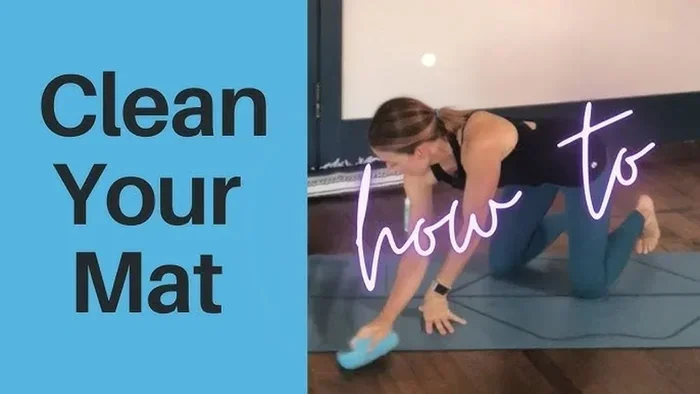
Cleaning your rubber yoga mat at home is simple and essential for hygiene. You only need a few household items like mild soap, water, and baking soda to deep clean a rubber yoga mat effectively. This guide shows you the best techniques to remove odor, stains, and bacteria from your yoga mat surface. Follow these easy steps to keep your mat fresh and ready for every practice.
A rubber yoga mat is one of the most popular choices for yogis of all levels. It provides great grip, cushioning, and durability. But with regular use, it also collects sweat, dirt, bacteria, and odor. Over time, a dirty mat can become slippery and even smell terrible.
That is why cleaning your rubber yoga mat at home matters so much. Many people think a quick rinse is enough. But true yoga mat hygiene goes much deeper. A proper cleaning routine removes invisible buildup and keeps your mat safe and fresh for every session.
In this guide, you will learn exactly how to clean rubber yoga mat at home using easy and affordable methods. Whether you deal with stubborn stains, lingering odor, or just want to maintain your mat, we have you covered. These steps are simple, effective, and use items you already have in your home.
Key Takeaways
- Regular cleaning extends your mat’s life: A clean rubber yoga mat lasts longer and performs better.
- Simple household items work great: Baking soda, vinegar, and mild soap are all you need.
- Deep cleaning removes hidden bacteria: Surface wiping is not enough for thorough yoga mat hygiene.
- Proper drying prevents mold: Air-drying your mat correctly is just as important as cleaning it.
- Avoid harsh chemicals: Strong cleaners can damage the rubber surface and cause skin irritation.
- Consistent maintenance keeps odors away: A regular cleaning routine prevents buildup and keeps your mat fresh.
📑 Table of Contents
- Why Regular Cleaning of Your Rubber Yoga Mat Matters
- What You Need to Clean a Rubber Yoga Mat at Home
- Step-by-Step Guide to Clean Rubber Yoga Mat at Home
- Deep Cleaning Your Rubber Yoga Mat for Stubborn Odor
- How to Maintain Your Yoga Mat Between Cleanings
- Common Mistakes People Make When Cleaning Yoga Mats
- Expert Tips for Keeping Your Yoga Mat Fresh Longer
- Conclusion
Why Regular Cleaning of Your Rubber Yoga Mat Matters
Your yoga mat touches your skin every time you practice. It absorbs sweat, oils, and dead skin cells. Without regular cleaning, all of that builds up fast. Here is why you should make yoga mat cleaning a regular habit.
Prevents Bacterial Growth
Warm and moist environments are perfect for bacteria. A used yoga mat left uncleaned becomes a breeding ground for germs. This can lead to skin infections, breakouts, and irritation. Regular yoga mat disinfect practices keep these harmful organisms under control.
Extends the Life of Your Mat
Dirt and sweat break down rubber over time. A mat that is cleaned regularly stays flexible and supportive for much longer. Yoga mat maintenance saves you money because you replace your mat less often. A small effort each week goes a long way.
Improves Grip and Performance
When a mat is coated in sweat and oils, it becomes slippery. This affects your balance and performance during poses. A clean mat surface gives you the traction you need to hold poses confidently and safely.
What You Need to Clean a Rubber Yoga Mat at Home
You do not need expensive products to get your mat clean. Most of what you need is already in your kitchen or bathroom. Here is a simple list of supplies for effective yoga mat cleaning.
- Mild liquid soap or castile soap – Gentle and effective for cutting through sweat and grime.
- Warm water – Helps dissolve dirt and activate cleaning agents.
- Baking soda – A natural deodorizer that removes odor from deep within the rubber.
- White vinegar – A natural sanitizer that kills bacteria without harsh chemicals.
- Soft cloth or sponge – For gentle scrubbing without damaging the mat surface.
- A spray bottle – Makes it easy to apply your cleaning solution evenly.
- A clean towel – For wiping off excess moisture after cleaning.
For those who prefer a ready-made solution, you can also find natural yoga mat cleaner sprays in stores. But homemade solutions work just as well and cost much less. Can I Use Vinegar To Clean My Yoga Mat? Yes, vinegar is one of the safest and most effective natural options for rubber mats.
Step-by-Step Guide to Clean Rubber Yoga Mat at Home
Now that you have your supplies ready, let us walk through the actual process. This method works for most standard rubber yoga mats and takes only about 15 to 20 minutes.
Step 1: Prepare Your Cleaning Solution
Start by mixing your cleaning solution. In a small bowl or spray bottle, combine warm water with a few drops of mild soap. If you want extra cleaning power, add a tablespoon of baking soda. For disinfecting, mix in a splash of white vinegar.
Note that vinegar and baking soda should not be mixed together in the same step. They neutralize each other. Use them separately for the best results. You can apply vinegar first, then follow up with a baking soda paste for stubborn areas.
Step 2: Wipe Down the Surface
Dip your soft cloth or sponge into the cleaning solution. Wring it out so it is damp, not dripping wet. Gently wipe the entire surface of the mat in long strokes. Focus on areas where you sweat the most, like the center and the corners.
Do not soak the mat completely. Excess water can seep into the rubber and cause it to break down faster. A light, thorough wipe is all you need for regular yoga mat surface cleaning.
Step 3: Scrub Stubborn Stains
For areas with tough stains or buildup, make a paste using baking soda and a small amount of water. Apply it directly to the stain and let it sit for 5 to 10 minutes. Then gently scrub with a soft sponge using circular motions.
This method works wonders for yoga mat stain removal. The mild abrasion of baking soda lifts dirt without scratching the rubber. For even deeper results, you can also check out this guide on how to clean a yoga mat with baking soda for more specific techniques.
Step 4: Rinse Thoroughly
After scrubbing, rinse the mat with clean warm water. Use a fresh damp cloth to wipe away all soap residue. Leaving soap on the mat can make it sticky and irritating to your skin during your next practice.
If your mat is especially dirty, you might consider a deeper rinse method. Some people find it helpful to clean a yoga mat in the bathtub for a more thorough rinse. This works well for large mats that need full immersion.
Step 5: Dry Completely
Drying is one of the most important steps in the entire process. Never roll up a wet mat. This traps moisture inside and encourages mold and mildew growth.
Instead, lay the mat flat on a clean towel in a well-ventilated area. Let it air dry completely before rolling it up. This usually takes 2 to 4 hours depending on the humidity in your home. A fan or open window can speed up the process.
Deep Cleaning Your Rubber Yoga Mat for Stubborn Odor
Sometimes regular cleaning is not enough. If your mat has a strong rubber smell or persistent odor, you need a deeper approach. Here are some powerful methods for deep clean yoga mat sessions at home.
Use Baking Soda for Odor Removal
Baking soda is a natural odor absorber. Sprinkle a generous amount over the entire surface of your mat. Let it sit for at least 30 minutes, or overnight for really bad smells. Then shake or vacuum it off and wipe the mat with a damp cloth.
This method works especially well for mats that have been used heavily without cleaning for a while. The baking soda pulls odor-causing bacteria out of the rubber pores.
Try the Vinegar Spray Method
Mix equal parts water and white vinegar in a spray bottle. Spritz the solution lightly over the mat surface. Do not soak it. Let it sit for 10 minutes, then wipe it down with a clean damp cloth. Vinegar naturally kills bacteria and neutralizes smells.
If you want to learn more about using vinegar safely on your mat, check out can I use vinegar to clean my yoga mat for detailed guidance and tips.
Sunlight Exposure
Natural sunlight is a powerful disinfectant and deodorizer. After cleaning your mat, lay it flat in direct sunlight for a few hours. The UV rays kill bacteria and help eliminate lingering odors. Just do not leave it in the sun for too long, as prolonged exposure can dry out and crack the rubber.
How to Maintain Your Yoga Mat Between Cleanings
Cleaning your mat thoroughly is great, but daily maintenance keeps it in top shape between deep cleans. Here are simple habits that make a big difference.
- Wipe your mat after every use – A quick wipe with a damp cloth removes sweat before it builds up.
- Let your mat breathe – Unroll it and leave it open after practice so moisture can evaporate.
- Wash your hands before practicing – This reduces the amount of oil and dirt transferred to the mat.
- Store your mat in a cool, dry place – Heat and humidity accelerate rubber degradation and odor buildup.
- Use a yoga mat spray – A quick spritz of a natural mat spray between cleanings keeps things fresh.
These small habits add up over time. They keep your rubber yoga mat in excellent condition and reduce how often you need to do a full cleaning session.
Common Mistakes People Make When Cleaning Yoga Mats
Even with good intentions, people often make mistakes that can damage their mats or reduce cleaning effectiveness. Here are the most common errors to avoid.
- Using harsh chemicals or bleach: These can break down the rubber material and leave harmful residues. Your skin absorbs what touches your mat, so always choose gentle, natural cleaners.
- Soaking the mat completely: Excess water weakens the rubber structure over time. Always use damp cloths rather than immersing your mat for long periods.
- Skipping the drying step: Rolling up a damp mat creates the perfect environment for mold. Always ensure your mat is completely dry before storing it.
- Using a rough scrubber: Abrasive tools can scratch and tear the mat surface. Stick to soft cloths and gentle sponges for yoga mat scrub tasks.
- Neglecting regular cleaning: Many people only clean their mat when it smells terrible. A weekly quick wipe prevents buildup and makes deep cleaning much easier.
Avoiding these mistakes keeps your mat cleaner, fresher, and longer-lasting. A little care goes a long way in maintaining yoga mat hygiene and performance.
Expert Tips for Keeping Your Yoga Mat Fresh Longer
Experienced yogis know that mat care is part of the practice. Here are some expert-backed tips to help you get the most out of your rubber yoga mat.
Rotate your mats if you have more than one. This gives each mat time to fully dry and air out between uses. It also distributes wear evenly across the surface.
Consider a yoga mat towel for hot yoga or intense sessions. A microfiber towel absorbs most of your sweat and keeps the bulk of moisture off your rubber mat. This significantly reduces how often you need to deep clean.
Reapply a light layer of natural rubber conditioner every few months. This keeps the surface supple and prevents cracking. It also helps maintain the mat’s grip and cushioning over time.
Finally, know when to replace your mat. Even with the best care, rubber mats wear out eventually. If you notice persistent odor that will not go away, deep cracks, or loss of grip, it is time for a new mat. A fresh mat supports your practice better and keeps you safe during poses.
Conclusion
Cleaning your rubber yoga mat at home does not have to be complicated or time-consuming. With a few simple supplies and a regular routine, you can keep your mat hygienic, fresh, and in great shape for months or even years. The key is consistency. A quick wipe after each session and a deeper clean every week or two makes all the difference.
Remember to use gentle, natural cleaners that respect the rubber material. Avoid harsh chemicals, always dry your mat fully, and store it properly. These small habits protect your investment and your health. A clean mat supports better practice, better hygiene, and better results on the mat. Start your cleaning routine today and feel the difference in your next yoga session.
Frequently Asked Questions
How often should I clean my rubber yoga mat?
You should wipe your mat after every use and do a deep clean at least once a week. If you practice daily or sweat heavily, you may need to clean it more frequently. Regular yoga mat cleaning prevents buildup and keeps your mat hygienic.
Can I use household cleaners on my rubber yoga mat?
It is best to avoid harsh household cleaners like bleach or ammonia. These can damage the rubber and leave chemical residues. Stick to mild soap, baking soda, and vinegar for safe and effective yoga mat hygiene.
How do I remove a strong rubber smell from my yoga mat?
Sprinkle baking soda over the entire surface and let it sit for 30 minutes or overnight. Then wipe it off with a damp cloth. You can also try the vinegar spray method or expose the mat to sunlight for a few hours to naturally deodorize it.
Is it safe to put a rubber yoga mat in the washing machine?
Most rubber yoga mats should not be put in a washing machine. The agitation and heat can warp, crack, or degrade the rubber. Stick to hand cleaning methods using a damp cloth and gentle soap for safe yoga mat care.
What is the best way to dry a yoga mat after cleaning?
Lay your mat flat on a clean towel in a well-ventilated area and let it air dry completely. Avoid direct sunlight for extended periods, and never roll up a wet mat. Proper drying prevents mold, mildew, and unpleasant odors from developing.
Can I use essential oils to freshen my yoga mat?
Yes, a few drops of tea tree oil or lavender oil can add a pleasant scent and provide natural antibacterial benefits. Mix them with water in a spray bottle and spritz lightly over the mat after cleaning. Just make sure the oils are diluted and safe for rubber surfaces.