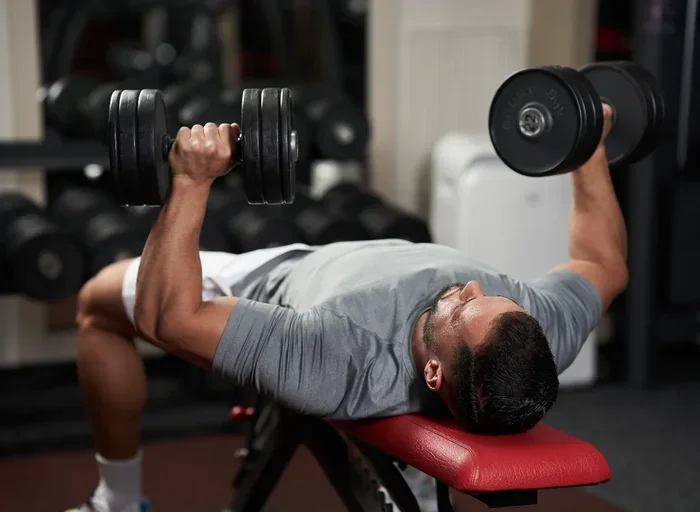
What to Use as a Barbell at Home
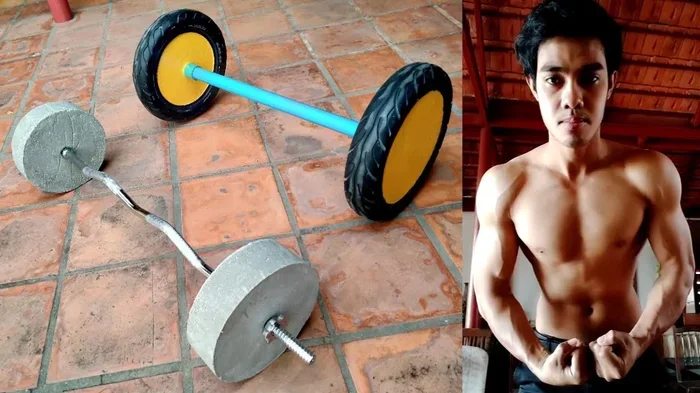
Finding what to use as a barbell at home is easier than you think. You can transform everyday household items into effective workout tools for strength training. From water jugs to PVC pipe setups, these barbell alternatives let you build muscle without expensive equipment.
Not everyone has room for a full home gym setup. And not everyone wants to spend hundreds of dollars on a barbell at home. The good news? You have more options than you think.
When you search for what to use as a barbell at home, you will find plenty of creative solutions. People have been improvising weights for decades. Some of the best workouts in history happened with nothing more than a stick and some heavy objects.
In this guide, we will walk you through the best alternatives for a barbell. You will learn how to use everyday items safely. You will also discover DIY builds that look and feel like the real thing. Whether you are a beginner or a seasoned lifter, this guide has you covered.
Key Takeaways
- Household items work: Water bottles, backpacks, and bags filled with sand or rice can replace a traditional barbell effectively.
- DIY barbell setups are affordable: PVC pipes, wooden dowels, and sturdy sticks make great homemade barbell options.
- Safety matters: Always secure your weight properly and check your equipment before each workout.
- Dumbbells can substitute too: If you have dumbbells at home, they can fill in for barbell exercises in many cases.
- Progressive overload is possible: You can still increase resistance using improvised weights to keep making gains.
- Space-saving solutions: These alternatives take up minimal room and cost a fraction of buying a real barbell.
📑 Table of Contents
- Why You Might Need a Barbell Alternative at Home
- Household Items That Work as a Barbell
- DIY Barbell Builds You Can Make Today
- Using Dumbbells as a Barbell Alternative
- What to Look for in a Barbell Substitute
- Progressive Overload with Improvised Weights
- Quick Tips for Safe Home Barbell Workouts
- Expert Insights: Why Improvised Barbell Workouts Can Be Just as Effective
- Conclusion
Why You Might Need a Barbell Alternative at Home
There are many reasons people look for a barbell replacement at home. Maybe your gym closed down. Maybe you live in a small apartment. Or maybe you just want to save money.
Whatever the reason, the need is real. A barbell is one of the most versatile pieces of equipment. It lets you do squats, presses, rows, and deadlifts. Without one, you might think your strength training options are limited.
They are not. With the right substitute, you can still hit all your major muscle groups. The key is knowing what works and what does not. Let us break it down.
Common Reasons People Seek Alternatives
- No space: Small apartments and condos do not fit a full rack and barbell setup.
- Budget limits: A quality barbell and plates can cost several hundred dollars.
- Travel or temporary living: You might be in a situation where buying equipment is not practical.
- Starting out: Beginners often want to test the waters before investing in gear.
- Home renovation or gym remodeling: Your gym setup might be temporarily unavailable.
Household Items That Work as a Barbell
This is where it gets fun. You probably already have everything you need to start a solid home barbell workout. The trick is knowing which items can hold weight safely and which cannot.
Water Bottles and Jugs
Large water jugs are one of the easiest barbell alternatives you can find. A standard gallon jug weighs about eight pounds. Fill two jugs and attach them to a stick or dowel. Instant barbell.
You can also use smaller water bottles for lighter exercises. This works great for curls, lateral raises, and lighter pressing movements. The beauty of water jugs is that you can adjust the weight by adding or removing water.
Backpacks and Bags
A sturdy backpack can become a surprisingly effective improvised barbell weight. Load it with books, water bottles, or bags of rice. Zip it up tight and wear it on your back during squats or lunges.
Some people even use canvas shopping bags. Just make sure the handles are strong and the bag is secure. You do not want anything breaking mid-rep.
Sandbags and Rice Bags
Filling a sturdy bag with sand or rice creates a great DIY barbell weight. These are especially useful for exercises like deadlifts and carries. You can adjust the fill level to match your strength level.
Sandbags also have a natural advantage. They shift slightly during movement, which forces your stabilizing muscles to work harder. This can actually make your workout more effective in some cases.
DIY Barbell Builds You Can Make Today
If you want something that feels more like a real barbell, a DIY build is the way to go. These projects are simple, cheap, and surprisingly effective.
The PVC Pipe Barbell
A PVC pipe barbell is one of the most popular homemade gym equipment projects. You need a sturdy PVC pipe, some end caps, and a way to attach weights.
Start with a pipe that is about five feet long. Cap both ends securely. You can slide weight plates onto the pipe if you drill holes, or you can attach weighted containers to each end with zip ties or clamps.
This type of barbell substitute works well for squats, overhead presses, and bent-over rows. It is lightweight and easy to store. Perfect for apartment living.
The Wooden Dowel Barbell
A wooden dowel rod from any hardware store makes a solid barbell replacement. Dowels come in various thicknesses. Choose one that feels comfortable in your hands.
Attach weighted bags or containers to each end using strong rope or bungee cords. This setup is very similar to a real Olympic barbell in terms of feel and function.
The wooden dowel option is great because it is natural and quiet. No clanking metal. You can use it in an apartment without bothering your neighbors.
The Stick and Bungee Method
Take a sturdy stick or broom handle. Attach bungee cords to each end. Loop the other ends of the bungee cords around weighted objects. This creates a unique resistance training at home setup that mimics barbell loading.
This method is especially good for people who want variable resistance. The bungee stretches as you lift, which changes the resistance curve. It is a creative way to challenge your muscles differently than a standard barbell.
Using Dumbbells as a Barbell Alternative
If you already own dumbbells, you are in luck. Dumbbells can fill in for many barbell exercises. They are not a perfect replacement, but they get the job done in most cases.
Exercises That Convert Easily
Many barbell exercises have dumbbell versions that work just as well:
- Goblet squats replace barbell back squats for lower body strength.
- Dumbbell bench press works the same chest muscles as a barbell bench.
- Dumbbell rows target your back just like barbell rows.
- Dumbbell deadlifts (sumo style) hit your posterior chain effectively.
- Overhead dumbbell press builds shoulders like a barbell overhead press.
For more ideas on how to use dumbbells in place of other equipment, check out how to use a dumbbell as a kettlebell. This article shows creative ways to expand your dumbbell workout options.
Limitations of Using Dumbbells
Dumbbells do have some limits. They are harder to use for very heavy squats or deadlifts. Your grip strength might give out before your legs or back do. Also, some exercises like barbell good mornings are hard to replicate with dumbbells.
Still, for most home lifters, dumbbells are more than enough. You can build serious muscle and strength with just a pair of adjustable dumbbells.
What to Look for in a Barbell Substitute
Not every substitute is created equal. When you are choosing what to use, keep a few key factors in mind.
Stability and Safety
This is the most important thing. Your substitute must hold the weight securely. If anything shifts or breaks during a lift, you risk injury.
Always test your setup with lighter weights first. Make sure everything is tight and balanced. If you are using a DIY barbell, check the connections before every session.
Weight Capacity
Think about how much weight you need. A beginner might only need twenty to thirty pounds total. An experienced lifter might need more.
Choose your substitute based on your current strength level and your goals. You can always upgrade as you get stronger.
Comfort and Grip
A barbell should feel comfortable in your hands. If you are using a stick or pipe, wrap it with foam or an old towel for better grip.
Comfort might seem like a small detail, but it makes a big difference. Poor grip leads to sloppy form, and sloppy form leads to injuries.
Space and Storage
One advantage of homemade alternatives is that they take up very little space. A PVC pipe barbell can slide under a bed or into a closet. This makes them perfect for people with limited room.
Compare this to a real barbell, which needs a rack, plates, and dedicated floor space. The barbell alternatives at home win on convenience every time.
Progressive Overload with Improvised Weights
A common concern is whether you can still make progress without a real barbell. The answer is absolutely yes. Progressive overload is the key to building strength, and you can achieve it with improvised weights.
Here is how to apply progressive overload with your home barbell alternatives:
- Increase the weight: Add more water, sand, or books to your makeshift weights.
- Increase reps: Do more repetitions with the same weight over time.
- Increase sets: Add an extra set to your workout each week.
- Decrease rest time: Shorten your rest periods between sets.
- Improve form: Focus on slower, more controlled movements.
These methods work whether you are using a homemade barbell or a real one. The principle of progressive overload does not care what equipment you use. It only cares that you keep challenging your muscles.
Tracking Your Progress
Keep a simple workout log. Write down what you used, how much weight you added, and how many reps you completed. This helps you stay consistent and see your progress over time.
You can also take progress photos and measurements. Sometimes the scale does not move, but your body is changing in positive ways. Tracking gives you the full picture.
Quick Tips for Safe Home Barbell Workouts
Working out at home with improvised equipment comes with its own set of challenges. Here are some quick tips to keep you safe and effective.
- Clear your space: Make sure you have enough room around you. Remove any furniture or obstacles that could get in the way.
- Warm up first: Spend five to ten minutes warming up before you lift. This prepares your muscles and joints for the work ahead.
- Use a spotter when needed: Even at home, do not lift heavy alone if you can avoid it. Ask a friend or family member to watch you.
- Check your equipment every time: Give your DIY barbell a quick inspection before each workout. Look for cracks, loose connections, or worn-out materials.
- Start light: Do not jump straight to heavy weights. Build up gradually to let your body adapt.
- Focus on form: With improvised weights, form matters even more. Without a guided rack or proper bar, bad form can lead to strains and injuries.
Expert Insights: Why Improvised Barbell Workouts Can Be Just as Effective
Many people assume that you need expensive equipment to get a good workout. But fitness experts have long known that bodyweight and improvised resistance can produce real results.
Studies show that muscle growth depends on tension, volume, and progressive overload. Not on the specific equipment you use. A barbell made from a stick and water jugs can provide all three of these factors.
Some of the most successful strength athletes in history trained with minimal equipment. They focused on consistency, proper nutrition, and smart programming. You can do the same at home with a barbell alternative at home.
If you are looking for more ways to build a home gym on a budget, you might also enjoy what to use as a substitute for dumbbells. This guide covers even more creative alternatives for home strength training.
Conclusion
Finding what to use as a barbell at home does not have to be complicated. You have plenty of options, from simple household items to full DIY builds. The best choice depends on your budget, your space, and your fitness goals.
Start with what you already have. Water jugs, backpacks, and sturdy sticks can go a long way. If you want something more structured, build a PVC pipe or wooden dowel barbell. And if you already have dumbbells, use them to cover many of the same exercises.
The most important thing is to stay consistent. Show up, do the work, and track your progress. With the right approach, your home workouts can be just as effective as any gym session. So grab whatever you have, get creative, and start lifting today.
Frequently Asked Questions
Can I use a broomstick as a barbell at home?
Yes, a broomstick works as a basic barbell substitute. Just make sure it is sturdy and free of cracks. You can attach weight bags or containers to each end using rope or bungee cords for added resistance.
How much weight can a homemade barbell hold?
This depends entirely on the materials you use. A PVC pipe barbell can typically handle twenty to fifty pounds safely. A wooden dowel barbell can handle more, sometimes up to seventy pounds. Always test with lighter weights before going heavy.
Are improvised barbell weights safe?
They can be safe if you take the right precautions. Secure all weights tightly, inspect your equipment before each use, and start with lighter loads. Never use items that are cracked, brittle, or unstable.
What is the best household item to use as a barbell weight?
Water jugs are one of the best options because they are easy to adjust, widely available, and relatively safe. Sandbags and filled backpacks are also excellent choices for different types of exercises.
Do I need a rack if I use a homemade barbell?
A rack is helpful but not required. You can perform exercises like floor presses, deadlifts, and squats without a rack. Just make sure you have enough clear space around you and use proper form.
Can I build muscle with a barbell alternative at home?
Absolutely. Muscle growth comes from progressive overload, proper nutrition, and consistency. You can achieve all of these with improvised barbell equipment. Many people build impressive strength and muscle mass using only home alternatives.