What Workouts Can You Do with a Barbell
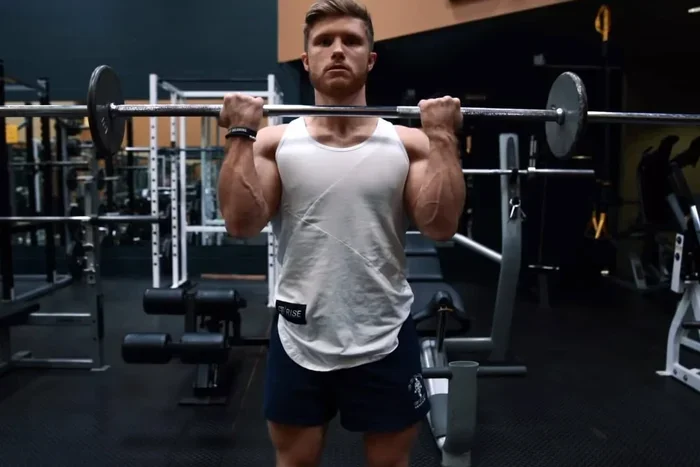
A barbell is one of the most versatile tools you can use for strength training. With a barbell, you can target every major muscle group through compound movements like squats, deadlifts, bench presses, and rows. Whether you are a beginner or an experienced lifter, the right barbell workouts can help you build muscle, burn fat, and improve your overall fitness.
A barbell is one of the simplest and most effective tools you can use to build strength. It is just a long metal bar with weights on each end. But do not let its simplicity fool you. The barbell can help you train almost every muscle in your body. If you have ever wondered what workouts you can do with a barbell, the answer is a lot more than you might think.
Whether you are brand new to lifting or you have been training for years, barbell exercises form the backbone of most strength programs. They let you lift heavy, track progress easily, and build functional strength that carries over to everyday life. In this guide, we will walk through the best barbell exercises, how to do them safely, and how to build a routine that actually works for you.
Key Takeaways
- Barbell exercises work multiple muscle groups at once: Compound movements like squats and deadlifts deliver maximum results in minimum time.
- You do not need a fancy gym: A barbell and some plates are all you need for a serious full-body workout at home.
- Progressive overload is key: Gradually adding weight helps you keep getting stronger and building muscle over time.
- Proper form matters more than heavy weight: Using good technique prevents injuries and gets better results.
- Barbell rows and hip thrusts are underrated gems: These exercises target muscles that many lifters overlook.
- A barbell can replace many machines: One barbell can handle pressing, pulling, squatting, and hinging movements.
📑 Table of Contents
- Why Barbell Workouts Are So Effective
- The Best Barbell Exercises for Every Muscle Group
- Barbell Rows: Build a Strong Back
- Barbell Hip Thrusts and Other Lower Body Moves
- How to Build a Barbell Workout Routine
- Common Mistakes to Avoid
- Can You Do Barbell Workouts at Home?
- Final Thoughts on Barbell Training
Why Barbell Workouts Are So Effective
There is a reason almost every serious strength program uses a barbell. Barbell exercises are compound movements, meaning they work several muscle groups at the same time. This makes your workouts more efficient and your gains more balanced.
When you squat with a barbell, you are not just working your legs. You are engaging your core, your back, and even your shoulders. The same goes for a bench press or a deadlift. These movements recruit more muscle fibers than isolation exercises, which means you get more done in less time.
Another big advantage is progressive overload. It is easy to add small amounts of weight to a barbell. You can add 2.5 pounds per side each week. This steady increase in load is one of the most reliable ways to keep building strength and muscle over months and years.
Barbells also allow you to lift heavier than most dumbbells. Heavy loading is essential for building raw strength and triggering muscle growth. Plus, a single barbell setup takes up very little space, making it perfect for a home gym.
Key Benefits of Training With a Barbell
- Full-body engagement: Most barbell moves work multiple muscles at once.
- Heavy loading capacity: Barbells can handle more weight than dumbbells or machines.
- Easy progression: Adding plates is simple and precise.
- Functional strength: Barbell movements mimic real-life patterns like pushing, pulling, and lifting.
- Time efficiency: Fewer exercises can still deliver a complete workout.
The Best Barbell Exercises for Every Muscle Group
Now let us get into the actual exercises. These are the foundational movements that should be at the core of any barbell routine. Each one targets specific muscle groups while also involving your whole body for stability and control.
Barbell Squats
The barbell squat is often called the king of all exercises. It primarily targets your quads, hamstrings, and glutes. But it also heavily engages your core and lower back. To perform a barbell squat, place the bar across your upper back, stand with feet shoulder-width apart, and lower your body until your thighs are parallel to the floor. Push back up and repeat.
There are several variations you can try. The front squat places the bar across the front of your shoulders and puts more emphasis on your quads. The goblet squat style can also be done with a barbell for beginners who want to master the movement pattern first.
Barbell Deadlifts
Deadlifts are the ultimate full-body exercise. They work your hamstrings, glutes, lower back, traps, and forearms all at once. To do a barbell deadlift, stand with your feet hip-width apart, hinge at the hips, grip the bar, and stand up straight while keeping your back flat.
This movement builds incredible posterior chain strength. Your posterior chain includes the muscles along the back of your body. Strong posterior chain muscles help with posture, athletic performance, and injury prevention. If you want to build real-world strength, deadlifts are essential.
Barbell Bench Press
The bench press is the most popular upper body exercise for a reason. It targets your chest, front shoulders, and triceps. Lie on a flat bench, grip the bar slightly wider than shoulder width, and lower it to the middle of your chest. Push it back up to full arm extension.
The bench press is a great measure of upper body strength. Many lifters track their progress on this lift over time. You can also try incline bench presses to target the upper chest more specifically, or close-grip bench presses to shift emphasis toward your triceps.
Barbell Overhead Press
The overhead press, also called the military press, targets your shoulders and upper chest. It also requires strong core stability. Stand with the bar at shoulder height, press it straight overhead, and lower it back down with control.
This exercise builds serious shoulder strength and size. It also improves your ability to push heavy objects overhead in real life. If you are new to this movement, start with a lighter weight and focus on maintaining a tight core throughout the lift.
Barbell Rows: Build a Strong Back
Your back is one of the largest muscle groups in your body, and it deserves direct training. Barbell rows are one of the best ways to build a thick, strong back. They target your lats, rhomboids, traps, and rear deltoids. They also work your biceps and forearms as secondary movers.
To perform a barbell row, hinge forward at the hips with a slight bend in your knees, grip the bar with an overhand grip, and pull it toward your lower chest. Keep your back flat and your core tight throughout the movement.
Barbell bent-over rows are one of the most effective variations. They hit your upper and mid-back hard and help improve your posture. Another excellent option is the T-bar row with a barbell, which allows for a different angle of pull and can feel more comfortable on the lower back for some lifters.
Why Back Training Matters
- Balanced physique: Training your back prevents the hunched posture that comes from too much pressing.
- Injury prevention: Strong back muscles protect your spine during heavy lifts.
- Better pulling strength: A strong back improves your performance in all pulling movements.
- Core stability: Rows force your core to work hard to keep your torso stable.
Barbell Hip Thrusts and Other Lower Body Moves
Your lower body is home to some of the largest muscles in your body. Training them with a barbell leads to massive strength and muscle gains. While squats and deadlifts cover a lot of ground, isolating the glutes with specific movements can take your lower body development to the next level.
Barbell Hip Thrusts
The barbell hip thrust is one of the best glute-building exercises you can do. Sit on the floor with your back against a bench, place the bar across your hips, and drive your hips upward until your body forms a straight line from shoulders to knees. Squeeze your glutes hard at the top and lower back down with control.
Many lifters find that hip thrusts build more glute size than squats or deadlifts alone. The barbell hip thrust is a staple in many powerlifting and bodybuilding programs. You may also want to check whether you need a barbell pad for hip thrusts to make the exercise more comfortable on your hips.
Other Lower Body Barbell Exercises
- Barbell lunges: Step forward or backward while holding the bar on your back. Great for building single-leg strength.
- Barbell front squats: Hold the bar across the front of your shoulders. Places more emphasis on your quads and core.
- Barbell Romanian deadlifts: A hinge-focused movement that targets your hamstrings and glutes with a shorter range of motion.
- Barbell calf raises: Stand on a raised surface and lift your heels with the barbell on your back. Builds strong calves.
How to Build a Barbell Workout Routine
Now that you know the exercises, let us talk about how to put them together into a routine. A good barbell workout program should be simple, balanced, and progressive. You do not need a complicated plan to get great results.
Beginner Full-Body Routine
If you are just starting out, a full-body routine done three times per week is ideal. This gives each muscle group enough stimulus while allowing proper recovery between sessions.
Here is a simple structure:
- Barbell Squats: 3 sets of 6-8 reps
- Barbell Bench Press: 3 sets of 6-8 reps
- Barbell Rows: 3 sets of 8-10 reps
- Barbell Deadlifts: 2 sets of 5 reps
- Barbell Overhead Press: 2 sets of 8-10 reps
Rest 2-3 minutes between sets. Focus on good form and steady progression. Add a small amount of weight each week when you can complete all sets with clean technique.
Intermediate Split Routine
After a few months, you might want to switch to a split routine. This allows you to train each muscle group more specifically. A common approach is an upper/lower split performed four days per week.
On upper days, focus on the bench press, overhead press, and barbell rows. On lower days, focus on squats, deadlifts, and hip thrusts. This gives each muscle group two dedicated sessions per week, which is ideal for growth.
How Many Plates Can You Fit on a Barbell
A standard Olympic barbell is 7 feet long and can hold up to 500 pounds or more, depending on the bar. Most standard bars can accommodate 25-pound plates on each side for a total of 100 pounds of added weight. If you are serious about heavy lifting, investing in an Olympic barbell with proper plate capacity is essential for long-term progress.
Common Mistakes to Avoid
Even the best exercises can cause problems if you do them incorrectly. Here are some common mistakes lifters make when training with a barbell:
- Skipping warm-ups: Your joints and muscles need preparation before heavy lifting. Start with lighter sets and gradually increase the weight.
- Rounding your back: This is especially dangerous during deadlifts and rows. Keep your spine neutral at all times.
- Using too much weight too soon: Ego lifting leads to injury. Build up gradually and master the movement pattern first.
- Neglecting your core: Your core stabilizes your spine during every barbell lift. Train it intentionally and brace it during heavy sets.
- Ignoring imbalance: If one side is stronger than the other, it can lead to injury. Address imbalances early with unilateral exercises or lighter loads.
Another mistake is not tracking your workouts. If you do not write down your sets, reps, and weights, you have no way to know if you are actually progressing. Keep a simple training log and review it regularly.
Can You Do Barbell Workouts at Home?
The short answer is yes. Many people build effective home gyms around a barbell and a squat rack. You do not need a lot of space or expensive machines. A barbell, a set of plates, a bench, and a squat rack or power rack are all you need for a complete strength program.
If you are setting up a home gym, a barbell setup at home is one of the best investments you can make. It replaces the need for dozens of machines and gives you the freedom to train every muscle group with heavy, compound movements.
You can also store your barbell and plates easily. A quality barbell and a set of bumper plates take up very little floor space. This makes barbell training one of the most practical options for home fitness enthusiasts who want serious results without a huge footprint.
Final Thoughts on Barbell Training
The barbell remains one of the most powerful tools in any lifter’s arsenal. From squats and deadlifts to bench presses and rows, the exercises you can do with a barbell are virtually endless. These movements build real strength, real muscle, and real confidence.
Whether you are training at home or in a gym, a barbell gives you the freedom to progressively overload your muscles and track your progress over time. Start with the foundational movements, focus on proper form, and be consistent. The results will follow.
If you are new to barbell training, start light and learn the movements before adding significant weight. If you are more experienced, use the exercises in this guide to refresh your routine and target any weak points. The barbell is a lifelong training tool that can serve you for decades.
Frequently Asked Questions
What are the best barbell exercises for beginners?
The best barbell exercises for beginners are the squat, bench press, deadlift, overhead press, and barbell row. These five movements cover your entire body and teach you the fundamental lifting patterns. Start with lighter weights and focus on learning proper form before increasing the load.
How often should I train with a barbell?
Most people benefit from training with a barbell 3 to 4 times per week. A full-body routine three times a week works well for beginners. Intermediate lifters may prefer an upper/lower split done four days per week. Make sure to include rest days for recovery and muscle growth.
Do I need a squat rack to train with a barbell at home?
A squat rack or power rack makes barbell training at home much safer and more convenient. It allows you to rack the bar at the right height for squats, bench presses, and other exercises. However, you can also do exercises like deadlifts and hip thrusts without a rack by loading the bar on the floor or a bench.
Can I build muscle with just a barbell?
Yes, you can build significant muscle with just a barbell and some plates. Barbell exercises are compound movements that recruit many muscle groups at once. By progressively increasing the weight and training consistently, you can achieve excellent muscle-building results with minimal equipment.
What weight should I start with on the barbell?
Men can often start with an empty bar, which weighs 45 pounds, and add weight as they get comfortable. Women may start with a 35-pound bar or even just the empty 45-pound bar with lighter plates. The key is to start light enough that you can perform each rep with perfect form and gradually increase the weight over time.
How do I know if I am using the right weight?
The right weight is one that challenges you but allows you to maintain proper form throughout all your sets and reps. If you can barely complete the target reps with clean technique, the weight is appropriate. If your form breaks down early, the weight is too heavy and you should reduce it.