Should I Do Barbell or Dumbbell Bench Press
The barbell bench press is ideal for building raw strength and lifting heavier weights, while the dumbbell bench press offers better muscle activation, shoulder health, and a greater range of motion. Most lifters benefit from doing both, but your goals, equipment, and body type should guide your choice. This guide breaks down everything you need to pick the right bench press for your chest workout.
When you walk into any gym, the bench press station is always busy. People are pressing barbells, curling dumbbells, and chasing gains on the chest machines. But if you have ever stood there wondering whether to grab the barbell or the dumbbells, you are not alone. The debate between the barbell or dumbbell bench press is one of the oldest in strength training.
The truth is, both exercises are excellent tools for building a powerful chest. They each bring something unique to the table. The barbell lets you load up heavy plates and push your max strength to new heights. The dumbbell allows a wider range of motion and helps fix muscle imbalances that a barbell simply cannot address. Choosing the right one depends on your goals, your body, and your training experience.
In this guide, we will break down everything you need to know. You will learn the key differences, the pros and cons of each, and exactly how to decide which bench press variation belongs in your routine. Whether you are a beginner just starting out or a seasoned lifter looking to optimize your chest workout, this article has you covered.
Key Takeaways
- Barbell bench press: Best for lifting heavier loads and building overall pressing strength.
- Dumbbell bench press: Superior for muscle activation, shoulder safety, and addressing imbalances.
- Both exercises: Offer unique benefits that complement each other in a well-rounded chest routine.
- Your goals matter: Strength-focused lifters lean barbell, while hypertrophy-focused lifters often prefer dumbbells.
- Form is critical: Poor technique on either variation can lead to injury, especially in the shoulders and wrists.
- Equipment access: Your gym setup may naturally influence which variation you choose more often.
- Progressive overload: Both variations allow you to steadily increase demand for continued strength gains.
📑 Table of Contents
What Is the Barbell Bench Press?
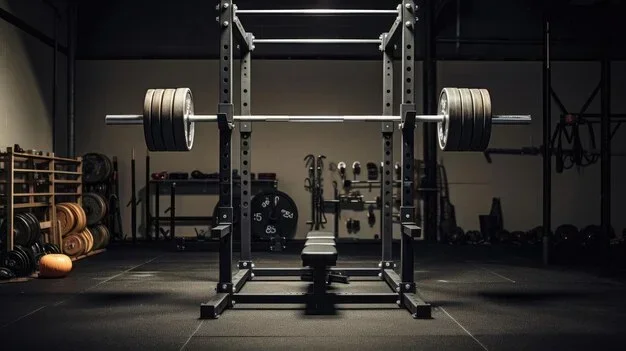
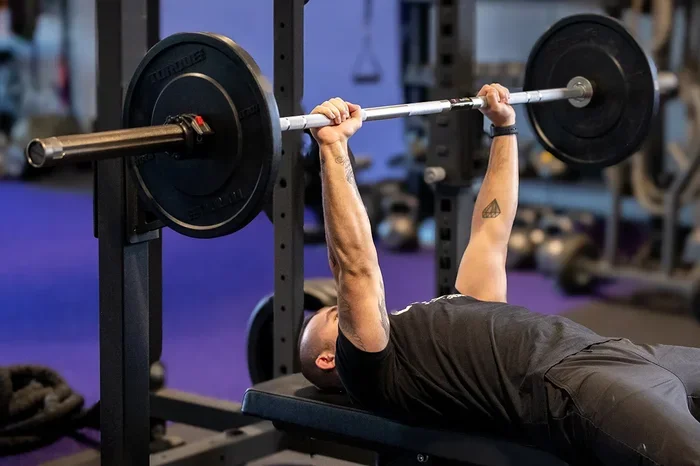
The barbell bench press is a compound exercise that targets your chest, shoulders, and triceps. You lie flat on a bench and press a loaded barbell up from a rack. It is one of the foundational compound exercises in any strength training program.
Why Lifters Love the Barbell Bench
- Heavy loading potential: A barbell lets you add weight in small or large increments, making it easy to track progress.
- Stability: The barbell is balanced, so your stabilizer muscles do less work compared to dumbbells.
- Strength standards: Most strength benchmarks and powerlifting competitions use the barbell bench press as the standard.
- Simple to learn: The movement pattern is straightforward, making it beginner-friendly once you learn proper form.
Limitations of the Barbell
The barbell bench press has some drawbacks. It locks your hands into a fixed position, which can place extra stress on your shoulders. Your range of motion is also slightly shorter because the bar stops at the rack. Additionally, the barbell can mask strength imbalances between your left and right sides. If one arm is weaker, the stronger arm often compensates.
If you are curious about whether you can swap the barbell for dumbbells, check out this guide on can I do dumbbell bench press instead of barbell for more insight.
What Is the Dumbbell Bench Press?
The dumbbell bench press uses a pair of dumbbells instead of a barbell. You can perform it on a flat bench, an incline bench, or a decline bench. The movement is very similar to the barbell version, but the free-moving nature of the dumbbells changes everything about how your muscles work.
Why Lifters Love the Dumbbell Bench
- Greater range of motion: Dumbbells allow you to lower the weight further down, stretching the chest muscles more deeply.
- Unilateral training: Each arm works independently, which exposes and corrects strength imbalances.
- Shoulder-friendly: You can rotate your wrists naturally, reducing strain on the shoulder joints.
- Muscle activation: Studies show that dumbbell presses often activate the chest muscles more effectively than barbell presses.
Limitations of the Dumbbell
Dumbbells come with their own challenges. You cannot load them as heavily as a barbell, which limits your raw strength gains. The movement requires more stabilization, which can fatigue your stabilizers before your target muscles do. Dumbbells also take up more space and can be harder to re-rack safely if you are training alone.
Wondering how much more you can actually lift on the barbell compared to dumbbells? This article on how much more can you barbell bench than dumbbell breaks down the numbers.
Barbell vs Dumbbell Bench Press: Key Differences
Understanding the differences between these two movements is essential for making the right choice. Let us compare them side by side across the most important categories.
Strength vs Hypertrophy
The barbell bench press is the king of strength gains. Because you can load it heavier and it provides a stable base, it is the go-to exercise for building raw pressing power. Powerlifters and strength athletes almost always prioritize the barbell version.
The dumbbell bench press shines for hypertrophy, or muscle growth. The greater range of motion and increased muscle activation create a stronger stimulus for muscle fibers. If your goal is a bigger, more defined chest, dumbbells deserve a prominent spot in your program.
Muscle Activation and Range of Motion
With dumbbells, your arms can travel further down and further back. This deeper stretch under tension is one of the main reasons dumbbells often produce greater chest activation. The barbell restricts your range because the plates hit the bench at the bottom of the movement.
Here is a quick comparison table to make the differences clear:
| Factor | Barbell Bench Press | Dumbbell Bench Press |
|---|---|---|
| Maximum Weight | Higher | Lower |
| Range of Motion | Shorter | Longer |
| Muscle Activation | Good | Excellent |
| Shoulder Stress | Higher | Lower |
| Strength Building | Best | Good |
| Muscle Imbalance Fix | Poor | Excellent |
| Stabilizer Demand | Lower | Higher |
| Ease of Learning | Easier | Moderate |
If you want to explore the full comparison between these two movements, check out our detailed breakdown on is it better to do dumbbell bench or barbell.
Which One Should You Choose?
The answer depends on what you want to achieve. There is no single best option, but there is a best option for you and your current goals.
Choose the Barbell If…
- You want to build maximum strength. The barbell allows you to progressively overload with heavier weights more easily.
- You are a powerlifter or compete in strength sports. The barbell bench press is a competition lift, so you need to practice it specifically.
- You prefer a stable, balanced movement. The barbell reduces the demand on your stabilizer muscles, letting you focus on pushing heavy weight.
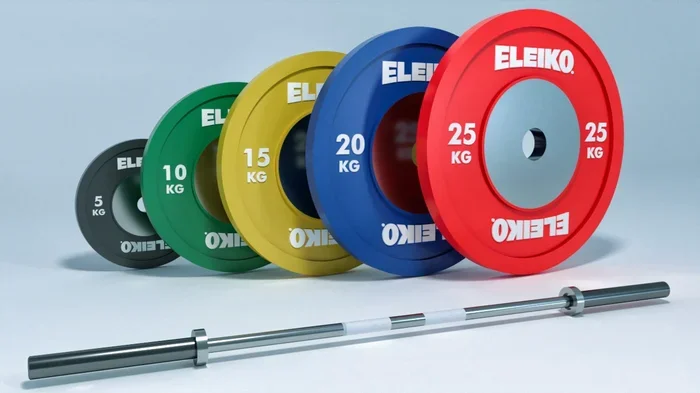
- You have access to a squat rack and bumper plates. Loading heavy dumbbells can be impractical without the right equipment.
Choose the Dumbbell If…
- You want more chest activation and muscle growth. The deeper range of motion and natural movement pattern target the chest more effectively.
- You have shoulder issues. Dumbbells allow a more natural wrist and shoulder position, reducing joint stress.
- You want to fix left-right imbalances. Each arm works independently, so a weak side cannot hide behind a stronger one.
- You train at home with limited equipment. A pair of adjustable dumbbells and a bench is all you need for an effective chest workout.
If you are still deciding, consider reading about should I do both dumbbell and barbell bench press to understand how combining both can supercharge your results.
Common Mistakes to Avoid
Whether you choose the barbell or dumbbell bench press, avoiding common mistakes is crucial for staying injury-free and making progress.
Mistake 1: Bouncing the Bar Off Your Chest
Using momentum to bounce the bar off your chest is dangerous and cheating. It reduces the work your muscles do and increases the risk of rib or sternum injuries. Lower the bar with control and pause briefly at the bottom before pressing back up.
Mistake 2: Flaring Your Elbows Too Wide
Excessively flared elbows place enormous stress on your shoulder joints. Keep your elbows at about a 45 to 75 degree angle from your body. This protects your shoulders while still engaging your chest effectively.
Mistake 3: Neglecting Your Legs and Back
Your bench press is not just an upper body exercise. Your legs drive force into the bench, and your upper back creates a stable base. Squeeze your shoulder blades together and drive your feet into the floor for a stronger, safer press.
Mistake 4: Using Too Much Weight Too Soon
Ego lifting is one of the fastest ways to get injured. Start with a weight you can control with perfect form. Add small increments over time rather than jumping up to heavy weights before your body is ready.
Mistake 5: Skipping the Warm-Up
Jumping straight into heavy bench press without warming up your shoulders, chest, and triceps is a recipe for disaster. Perform a few light sets and some dynamic stretches before you load up the bar or grab the dumbbells.
Expert Tips for Better Performance
Want to get more out of your bench press sessions? These expert tips apply to both barbell and dumbbell variations.
- Train your triceps: Strong triceps are the limiting factor for most bench press progress. Include close-grip presses and tricep extensions in your routine.
- Use a spotter: Always have someone watch you when lifting heavy. A spotter keeps you safe and can help you push through tough reps.
- Control the eccentric phase: Lower the weight slowly and with intention. This increases time under tension and builds more muscle.
- Breathe properly: Take a deep breath before unracking the bar, hold it at the bottom, and exhale as you press up.
- Track your workouts: Write down your sets, reps, and weights. Progressive overload requires consistent tracking to see results.
If you want to understand why you can often lift more on the barbell than on dumbbells, our article on why can I lift more with barbell than dumbbell explains the science behind this common observation.
Can You Do Both? The Best Approach
Here is the best-kept secret in chest training: you do not have to choose just one. Most serious lifters benefit from incorporating both the barbell and dumbbell bench press into their routines. Each variation targets the chest slightly differently and addresses different training goals.
A simple approach is to use the barbell bench press as your primary strength exercise early in your workout. Follow it up with dumbbell bench presses for hypertrophy and muscle-building volume. This combination gives you the best of both worlds. You build raw strength with the barbell and maximize muscle growth with the dumbbells.
If you are wondering about the difference between doing both versus just one, this guide on should I do both dumbbell and barbell bench press provides a deeper look at programming both exercises effectively.
The key is to periodize your training. Focus more on the barbell during strength phases and shift toward dumbbells during hypertrophy phases. This approach keeps your training fresh and prevents plateaus.
Final Verdict: Barbell or Dumbbell Bench Press?
The barbell or dumbbell bench press debate does not have a single winner. Both exercises are incredibly effective for building a strong, muscular chest. The barbell is your best friend for raw strength and heavy loading. The dumbbell is unmatched for muscle activation, shoulder health, and correcting imbalances.
If you are a beginner, start with the barbell bench press to learn the basic movement pattern. Once you are comfortable and have built a foundation of strength, add dumbbell bench presses to your routine. If you have shoulder concerns or want to prioritize muscle size, start with dumbbells and build from there.
The smartest approach is to use both. They complement each other perfectly and together create a complete chest training program. Your chest workout should never feel boring or stagnant, and alternating between these two variations keeps your muscles challenged and growing.
Remember, the best exercise is the one you can perform with proper form and consistent effort. Choose the variation that aligns with your goals, respect the process, and trust that your hard work will pay off. The barbell or dumbbell bench press will build the chest you want, as long as you show up and put in the work.
Frequently Asked Questions
Is the barbell bench press better for building strength?
Yes, the barbell bench press is generally better for building raw strength because it allows you to lift heavier weights. The fixed bar path and stable base let you focus all your effort on pressing heavy loads, making it the preferred choice for strength athletes and powerlifters.
Can dumbbell bench press help fix muscle imbalances?
Absolutely. Because each arm works independently with dumbbells, the weaker side cannot hide behind the stronger side. Over time, dumbbell bench pressing helps correct left-right imbalances and promotes more symmetrical chest development.
Which bench press variation is safer for shoulders?
The dumbbell bench press is generally safer for shoulders because it allows a more natural range of motion and wrist rotation. You can adjust the angle of your arms to find a comfortable position that reduces stress on the shoulder joints compared to the fixed bar path of a barbell.
How often should I bench press each week?
Most lifters benefit from bench pressing 2 to 3 times per week. This frequency allows enough stimulus for strength and muscle growth while giving your joints and muscles adequate recovery time between sessions.
Should beginners start with barbell or dumbbell bench press?
Beginners should start with the barbell bench press to learn the fundamental movement pattern. It is easier to learn and provides a stable base. Once the movement feels natural, adding dumbbell bench presses helps build balanced strength and better muscle activation.
Can I build a big chest with just dumbbell bench press?
Yes, you can build a significant chest using only dumbbell bench presses. The greater range of motion and higher muscle activation make dumbbells very effective for hypertrophy. However, adding a barbell variation can help you lift heavier and continue making strength gains over time.