How Much Do the Short Barbells Weigh 2
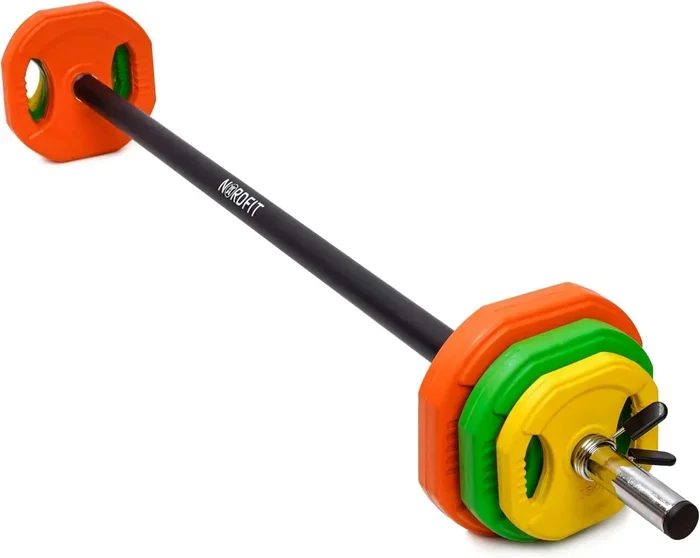
So, how much do the short barbells weigh 2? Most short barbells weigh between 5 and 15 pounds on their own, depending on the type and material. This guide breaks down every short barbell weight you need to know so you can train smarter and plan your lifts accurately.
If you have ever walked into a gym and grabbed a short barbell off the rack, you might have wondered about its actual weight. The question how much do the short barbells weigh 2 comes up a lot among gym-goers who want to track their lifting numbers precisely. Whether you are a beginner just starting out or a seasoned lifter fine-tuning your routine, knowing the weight of your bar is essential.
Short barbells are popular for good reason. They fit in tight spaces, work great for home gyms, and are perfect for exercises like bench press, curl, and shoulder press. But here is the thing — not all short barbells weigh the same. Some are light and compact, while others are built heavier for durability. In this guide, we will walk you through everything you need to know about short barbell weights, types, and how to pick the right one for your goals.
Key Takeaways
- Short barbells typically weigh 5 to 15 pounds: The exact weight depends on the bar type, material, and diameter.
- Standard 1-inch short barbells are lighter: They usually weigh around 5 to 10 pounds without any plates.
- Olympic short barbells are heavier: These can weigh 15 to 25 pounds due to thicker shafts and better construction.
- Knowing your bar weight matters: It helps you calculate your total lift and track progress accurately.
- Material affects weight: Chrome, stainless steel, and composite bars all have different weights.
- Always check the manufacturer specs: Not all short barbells are created equal, and labels can vary.
📑 Table of Contents
- What Is a Short Barbell and Why Does Weight Matter?
- How Much Do Short Barbells Weigh?
- Short Barbell Weight Compared to Standard Barbell Weight
- Factors That Affect Short Barbell Weight
- Tips for Choosing the Right Short Barbell
- Common Mistakes People Make with Short Barbells
- Final Thoughts on Short Barbell Weight
What Is a Short Barbell and Why Does Weight Matter?
A short barbell is a smaller version of the standard Olympic barbell. It usually measures between 3 and 5 feet in length. People use them for strength training, home workouts, and spaces where a full-size barbell just does not fit. They are also great for beginners who want to ease into lifting without handling a long, heavy bar.
So why does the weight of the bar matter so much? When you calculate how much you are actually lifting, you need to add the weight of the bar itself to the plates you load on. If you do not know your bar weight, your numbers will be off. For example, if you think you are benching 100 pounds but your short bar weighs 15 pounds, your real total is 115 pounds. That is a big difference when you are tracking progress or trying to hit a new personal record.
Also, knowing the bar weight helps you choose the right plates. If your bar is heavy, you might not need as many plates to reach your target weight. This saves money and space, which is especially important for people working out at home.
How Much Do Short Barbells Weigh?
The answer to how much do the short barbells weigh 2 depends on several factors. Let us break it down by bar type so you can find the exact number you are looking for.
Standard 1-Inch Short Barbells
The standard 1-inch short barbell is the most common type you will find at budget gyms and home setups. These bars usually weigh between 5 and 10 pounds. They have a 1-inch diameter shaft and accept standard weight plates that also have a 1-inch hole.
These bars are great for casual lifting and light workouts. They are not built for heavy compound lifts, but they work well for isolation exercises like bicep curls, tricep extensions, and lateral raises. The lighter weight of the bar itself means you can load more plates without worrying about the bar bending or snapping.
Olympic Short Barbells
Olympic short barbells have a 2-inch diameter shaft and are designed to handle heavier loads. These bars typically weigh between 15 and 25 pounds on their own. The extra weight comes from the thicker steel and better construction quality.
If you are doing serious strength training with squats, deadlifts, or bench press, an Olympic short bar is the way to go. The added weight of the bar also means you need fewer plates to reach your target. These bars are more durable and spin better on the sleeves, which reduces wrist strain during heavy lifts.
EZ Curl Short Bars
EZ curl bars are a special type of short barbell with a wavy or angled shaft. They usually weigh between 10 and 20 pounds. The design reduces wrist strain and makes curl movements more comfortable. These bars are popular for arm workouts and rehabilitation exercises.
When you are searching for how much do the short barbells weigh 2, keep in mind that EZ curl bars often have their weight listed separately from standard straight bars. Always check the label or the manufacturer website for the exact number.
Short Barbell Weight Compared to Standard Barbell Weight
It helps to compare short barbells with standard full-size barbells so you can see the differences clearly. Here is a quick comparison table to put things in perspective.
- Standard Full-Size Olympic Barbell: Weighs 45 pounds (20 kg). Length is about 7 feet.
- Standard 1-Inch Full Barbell: Weighs 10 to 20 pounds. Length varies from 5 to 6 feet.
- Short Olympic Barbell: Weighs 15 to 25 pounds. Length is about 3 to 4 feet.
- Short 1-Inch Barbell: Weighs 5 to 10 pounds. Length is about 2 to 3 feet.
- EZ Curl Short Bar: Weighs 10 to 20 pounds. Length is about 3 to 4 feet.
As you can see, short barbells are significantly lighter than their full-size counterparts. This makes them ideal for home gyms, small spaces, and beginners who are still building their strength. If you want to learn more about how barbell weight varies at different gyms, check out how much a barbell weighs at the gym for a deeper dive into gym equipment weights.
One thing to keep in mind is that the total weight you lift is always the bar weight plus the plate weight. So if you are using a short Olympic bar that weighs 20 pounds and you load 25-pound plates on each side, your total lift is 70 pounds. This simple math is something every lifter should know by heart.
Factors That Affect Short Barbell Weight
Not all short barbells are made the same way. Several factors determine how much a short barbell actually weighs. Let us look at the key ones.
Material
The material used to make the bar plays a big role in its weight. Chrome-plated bars tend to be on the lighter side. Stainless steel bars are heavier but more durable. Some budget bars use composite or hollow steel tubes, which keeps the weight down but might not hold up as well under heavy loads.
Shaft Diameter
A thicker shaft means more material and more weight. Olympic bars with a 2-inch diameter are heavier than standard bars with a 1-inch diameter. If you are looking for a lighter option, a 1-inch short barbell might be the better choice.
Bar Length
Longer bars need more material, so they weigh more. A 4-foot short barbell will weigh more than a 2.5-foot short barbell, all else being equal. This is an easy way to estimate weight if you do not have the exact specs handy.
Sleeve and Collar Design
The sleeves are the parts at the ends of the bar where the plates slide on. Some bars have rotating sleeves, which add a bit of extra weight. Collar designs also contribute to the total weight, though usually only by a pound or two.
Tips for Choosing the Right Short Barbell
Picking the right short barbell is about more than just weight. Here are some practical tips to help you make the best choice for your needs.
- Check the weight capacity: Make sure the bar can handle the total weight you plan to lift. Cheap bars often have lower weight limits and can bend or break under heavy loads.
- Look for knurling: Knurling is the textured pattern on the shaft that helps you grip the bar. Good knurling prevents your hands from slipping, especially during heavy sets.
- Consider your space: Short barbells are perfect for small areas. Measure your workout space before buying to make sure the bar fits comfortably.
- Read reviews: Other lifters will tell you if a bar is worth its weight in gold or if it is a cheap product that falls apart after a few months.
- Match the bar to your plates: Make sure your bar is compatible with your weight plates. A 1-inch bar needs 1-inch plates, and an Olympic bar needs 2-inch plates.
For more information on barbell weights at specific gyms, you can also read how much a standard 1-inch barbell weighs to get a better sense of what to expect from your equipment.
Common Mistakes People Make with Short Barbells
Even experienced lifters sometimes make mistakes when it comes to short barbells. Here are a few to watch out for.
- Not knowing your bar weight: This is the most common mistake. Always record the bar weight so your training logs are accurate.
- Using the wrong plates: Mixing 1-inch and 2-inch plates on the wrong bar can be dangerous and will not work properly.
- Overloading the bar: Just because a bar is short does not mean it can handle the same weight as a full-size bar. Check the manufacturer’s weight limit.
- Ignoring bar whip: Shorter bars have less whip, which changes the feel of certain lifts. This is especially noticeable during bench press and squat movements.
- Skipping maintenance: Keep your bar clean and check for rust or damage regularly. A well-maintained bar lasts much longer.
Understanding these common pitfalls will help you get the most out of your short barbell and stay safe while lifting. If you are curious about how much the actual bar portion of a barbell weighs, check out how much the bar of a barbell weighs for detailed breakdowns.
Final Thoughts on Short Barbell Weight
Knowing how much your short barbell weighs is one of the simplest yet most important things you can do as a lifter. It affects every workout, every rep count, and every progress check you make. The next time someone asks you how much do the short barbells weigh 2, you will have a clear and confident answer.
Short barbells are versatile, convenient, and perfect for a wide range of fitness goals. Whether you are building muscle at home, training in a small gym, or just getting started with strength training, the right short barbell makes all the difference. Take the time to understand your equipment, track your numbers accurately, and you will see real results in your training.
Remember, the weight of the bar is just the starting point. What you do with it — your consistency, your form, your dedication — is what truly drives your progress. Pick the right short barbell, load it up with the right plates, and get after your goals.
Frequently Asked Questions
How much does a short barbell weigh without plates?
A short barbell without plates typically weighs between 5 and 25 pounds, depending on the type. Standard 1-inch short bars weigh around 5 to 10 pounds, while Olympic short bars weigh 15 to 25 pounds. Always check the manufacturer specifications for the exact weight.
Can I use standard plates on a short barbell?
Yes, but only if the bar and plates have matching hole sizes. A 1-inch short barbell needs standard 1-inch plates, while an Olympic short barbell needs 2-inch plates. Using the wrong plate size will not work and can be unsafe.
Are short barbells good for beginners?
Absolutely. Short barbells are lighter, easier to handle, and perfect for small spaces. They are ideal for beginners who want to learn proper form without the intimidation of a full-size Olympic barbell.
How do I find the exact weight of my short barbell?
Check the label on the bar or look up the model number on the manufacturer’s website. Most brands list the weight in the product specifications. You can also weigh the bar on a bathroom scale if you cannot find the info online.
Does a heavier short barbell mean it is better quality?
Not necessarily. A heavier bar often means more material and a thicker shaft, which can indicate durability. But weight alone does not determine quality. Look at the build, the knurling, the weight capacity, and user reviews to judge quality.
What exercises work best with short barbells?
Short barbells are great for bench press, shoulder press, curls, tricep extensions, and rows. They are also useful for squat variations in tight spaces. Their compact size makes them versatile for a wide range of upper and lower body exercises.