How to Break in Manduka Yoga Mat 2
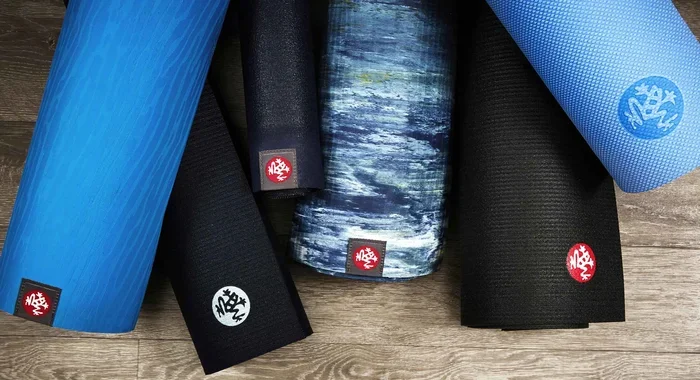
Breaking in a Manduka yoga mat is essential for comfort, grip, and longevity. This guide walks you through proven methods to soften your new Manduka mat, eliminate odors, and stop slipping during practice. You will learn simple step-by-step techniques that work without damaging your mat or voiding the warranty.
This is a comprehensive guide about How To Break In Manduka Yoga Mat 2.
Key Takeaways
- Break-in time varies: Most Manduka mats need 1 to 4 weeks of regular use to fully soften and grip properly.
- Start with a saltwater scrub: This is the most effective natural method to loosen the mat surface and improve traction.
- Avoid harsh chemicals: Never use alcohol or bleach, as they can degrade the mat material and void your Manduka mat warranty.
- Consistent practice speeds things up: Daily yoga sessions accelerate the break-in process far more than any single treatment.
- Proper storage matters: Rolling your mat correctly and keeping it away from heat preserves its new texture longer.
- Patience is key: Rushing the process with aggressive methods can damage the mat and reduce its lifespan.
[FEATURED_IMAGE_PLACEHOLDER]
Why Breaking In Your Manduka Yoga Mat Matters
A brand new Manduka yoga mat feels stiff, smooth, and sometimes slippery under your feet. This is completely normal. The factory coating needs time to wear down and conform to your body weight, movement patterns, and sweat. When you skip the break-in phase, your practice suffers from reduced grip and discomfort during poses.
The Manduka Yoga Mat 2 is made from high-density eco-friendly materials. These materials are designed to last for years, but they need proper conditioning before they reach peak performance. Think of it like breaking in a new pair of hiking boots. You would not hike a mountain on day one, right? The same logic applies to your yoga mat.
Breaking in your mat correctly also prevents surface damage. Aggressive scrubbing or chemical cleaners can strip the protective layer. This leads to faster wear, odor buildup, and even cracking over time. Gentle, consistent methods work far better and keep your mat in top shape for the long haul.
How Long Does It Take to Break In a Manduka Yoga Mat?
The break-in timeline depends on how often you practice and which methods you use. Most users report that their Manduka mat feels noticeably softer within the first one to two weeks of daily use. Full break-in, where the grip feels perfect and the surface has molded to your body, typically takes three to four weeks.
Here is a realistic timeline to set expectations:
- Week 1: The mat feels stiff and slightly slippery. Your hands and feet may slide during standing poses.
- Week 2: Surface texture begins to soften. Grip improves, especially in dry conditions.
- Week 3: The mat conforms to your body. Sweat absorption increases and slippage drops significantly.
- Week 4: Full break-in achieved. The mat feels custom-fitted to your practice style.
Hot yoga practitioners often notice faster results because sweat and body heat accelerate the softening process. If you practice only a few times per week, expect the timeline to stretch closer to six weeks. Consistency beats intensity every time when breaking in a yoga mat.
Step-by-Step Methods to Break In Your Manduka Mat
There are several proven techniques to speed up the break-in process. Each method targets a different aspect of mat conditioning, from surface softening to grip improvement. You do not need to use all of them. Pick one or two that fit your routine and stick with them.
Method 1: The Saltwater Scrub
This is the most popular and effective natural method for breaking in a Manduka yoga mat. Salt acts as a gentle abrasive that roughs up the smooth factory surface without causing damage.
- Mix one cup of sea salt with four cups of warm water in a bowl.
- Dip a soft cloth or sponge into the solution.
- Scrub the entire mat surface in circular motions.
- Rinse the mat thoroughly with clean water.
- Hang it to air dry in a shaded area for 24 hours.
Repeat this process two to three times during the first week. You will notice the mat surface becoming slightly textured and more absorbent after each scrub. Many users also find that the saltwater method helps remove the chemical smell that comes with new mats.
Method 2: The Baking Soda Soak
Baking soda is a natural deodorizer and mild cleaner. It works wonders on new yoga mats that carry a strong factory odor. This method is especially helpful if your Manduka mat smells like chemicals when you first unbox it.
- Fill a bathtub with lukewarm water and add half a cup of baking soda.
- Submerge your mat and let it soak for 30 minutes.
- Gently agitate the water to help the solution penetrate the surface.
- Drain the tub and rinse the mat with fresh water.
- Air dry completely before rolling it up.
For stubborn odors, you can also check out our detailed guide on how to get chemical smell out of yoga mat for additional tips.
Method 3: Daily Use and Body Heat
The simplest method is also the most effective over time. Just practice on your mat every day. Your body heat, sweat, and movement naturally break down the surface coating. This is the method that professional yoga instructors rely on most often.
To maximize this approach:
- Practice at least four to five times per week.
- Focus on standing poses that put direct pressure on the mat surface.
- Allow your mat to air out completely after each session.
- Avoid rolling the mat tightly right after practice.
Over time, the mat develops a unique patina that matches your foot placement and hand positions. This is what experienced yogis call a personalized break-in, and it cannot be replicated by any single treatment.
Method 4: The Towel Rub Technique
Another gentle method involves using a dry towel to create friction on the mat surface. Take a rough-textured towel and rub it vigorously across the top of your mat for five to ten minutes. This manually loosens the smooth outer layer and improves grip.
This technique works best when combined with the saltwater scrub. Use the saltwater method first, then follow up with the towel rub once the mat is dry. Together, these two methods can cut your break-in time in half.
Common Mistakes to Avoid When Breaking In Your Mat
Even with good intentions, many yoga practitioners make mistakes that damage their new Manduka mat during the break-in phase. Avoiding these errors will save you time, money, and frustration.
Mistake 1: Using Harsh Chemicals
Never use alcohol, bleach, or strong household cleaners on your new mat. These substances strip away the protective layer and weaken the material structure. Your mat will deteriorate faster and may crack or peel within months.
Mistake 2: Skipping the Drying Step
After any cleaning or soaking method, always let your mat dry completely before rolling it up. Trapped moisture leads to mold and mildew growth. This creates a new set of problems, including persistent odors and potential health risks during practice.
Mistake 3: Over-Scrubbing
More scrubbing does not mean faster results. Aggressive scrubbing with rough brushes or abrasive pads can tear the mat surface. Stick to soft cloths and gentle circular motions. Patience gives you better results than force.
Mistake 4: Ignoring the Slippery Phase
During the first week, your mat will feel slippery. Some users try to compensate by using too much chalk or grip spray. This can build up on the surface and actually make the problem worse over time. Trust the process and let the natural break-in do the work.
If you struggle with grip during the break-in phase, our guide on how to stop your yoga mat from being slippery offers additional strategies that work alongside your break-in routine.
Tips to Maintain Your Manduka Mat After Breaking It In
Once your Manduka yoga mat 2 is fully broken in, proper maintenance keeps it in excellent condition for years. A well-maintained mat retains its grip, stays odor-free, and resists premature wear.
Clean After Every Practice
Wipe down your mat with a damp cloth after each session. For a deeper clean, use a natural yoga mat spray or a diluted vinegar solution. You can find more detailed cleaning instructions in our guide on how to clean a yoga mat in the bathtub.
Store It Properly
Never leave your mat rolled up tightly for extended periods. Unroll it flat whenever possible to prevent creasing. Store it in a cool, dry place away from direct sunlight. Heat and UV exposure break down the mat material faster than regular use.
Deep Clean Monthly
Once a month, give your mat a thorough cleaning session. Use the saltwater scrub method or a gentle mat cleaner. This removes built-up sweat residue and keeps the surface texture fresh. It also prevents odor from becoming embedded in the material.
Know When to Replace Your Mat
Even with excellent care, every mat eventually wears out. Signs that your Manduka mat needs replacement include visible thinning, loss of cushioning, persistent odors that do not go away, and surface flaking. A well-broken-in mat that is properly maintained can last five years or more.
How to Tell Your Manduka Mat Is Fully Broken In
Knowing when your mat is ready helps you adjust your practice and care routine accordingly. Look for these clear signs that the break-in process is complete:
- Grip feels consistent: Your hands and feet stay in place without slipping, even during sweaty sessions.
- Surface feels soft but supportive: The mat has molded to your body without losing its cushioning.
- No chemical or rubber smell: The mat carries a neutral scent, indicating that off-gassing is complete.
- No visible stiffness: The mat lies flat and does not curl at the edges.
- Your practice feels natural: Poses flow more easily and you feel more grounded during standing sequences.
For additional guidance on managing mat texture and grip, check out our article on how to get rubber smell out of yoga mat, which covers related odor and surface concerns.
Conclusion
Breaking in a Manduka Yoga Mat 2 is a simple process that pays off in comfort, grip, and mat longevity. By using gentle methods like saltwater scrubs, baking soda soaks, and consistent daily practice, you can soften your mat naturally without causing damage. Avoid common mistakes like harsh chemicals and over-scrubbing, and invest in proper maintenance to keep your mat performing at its best.
Remember that patience is your greatest tool. Give your mat the time it needs, and it will reward you with years of reliable, comfortable practice. Start your break-in routine today, and your feet will thank you in every downward dog and warrior pose.
Frequently Asked Questions
Can I use vinegar to clean my Manduka mat during the break-in process?
Yes, a diluted vinegar solution is safe and effective for cleaning your mat. Mix one part white vinegar with three parts water and wipe the surface gently. Vinegar helps neutralize odors without damaging the mat material. Just make sure to rinse it off and let the mat air dry completely.
Should I wash my Manduka yoga mat in the washer to speed up break-in?
No, washing your Manduka mat in a washing machine is not recommended. The agitation and heat can warp, tear, or delaminate the mat layers. Stick to gentle hand-cleaning methods like saltwater scrubs and surface wiping for the best results and longest mat life.
How do I stop my new Manduka mat from slipping during practice?
Slipping is normal during the first one to two weeks of use. To minimize it, try the saltwater scrub method and practice on dry days when possible. You can also use a small amount of natural grip spray, but avoid over-applying as buildup can worsen the problem over time.
How thick should my Manduka yoga mat be for comfort during break-in?
The Manduka Yoga Mat 2 typically comes in standard thicknesses. A thicker mat provides more cushioning during break-in, which can feel more comfortable on your joints while the surface softens. Most users find the standard thickness works well once the mat is fully broken in.
Can I leave my Manduka mat in the car while it breaks in?
No, leaving your mat in a hot car can damage the material and cause warping. Always store your mat in a cool, dry place. Heat accelerates odor buildup and can weaken the mat structure, especially during the sensitive break-in phase.
How often should I deep clean my Manduka mat after it is broken in?
Once your mat is fully broken in, a monthly deep clean is sufficient for most practitioners. Use a gentle mat cleaner or the saltwater method. If you practice daily or sweat heavily, consider cleaning every two weeks to maintain surface texture and prevent odor buildup.