Can You Do Yoga Without a Mat 2
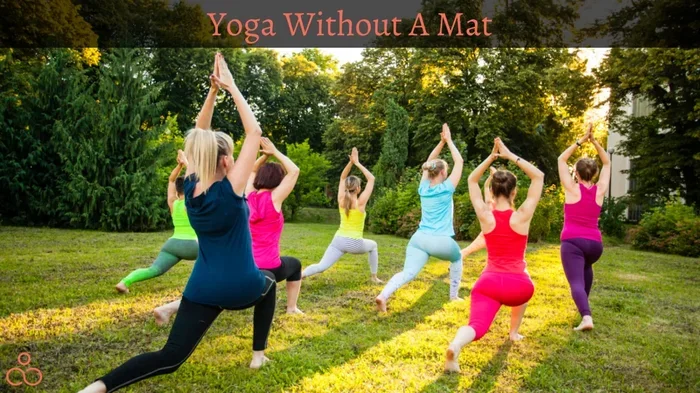
Yes, you can do yoga without a mat, and many people already do it. Practicing yoga without a mat is simpler than most people think, and it opens up new ways to enjoy your yoga practice anywhere. In this guide, we will cover the benefits, drawbacks, and best surfaces for yoga without a mat so you can decide what works for you.
Have you ever walked into a yoga class and realized you forgot your mat? Or maybe you are traveling and do not want to carry one. You might wonder, can you do yoga without a mat? The short answer is yes. You absolutely can. Yoga is a practice that started thousands of years ago on the ground, not on fancy rubber mats. Today, many people still practice yoga without one, and they get great results.
In this article, we will explore everything you need to know about doing yoga without a mat. We will look at the benefits, the downsides, and the best surfaces to use. We will also share tips to make your practice comfortable and safe. Whether you are a beginner or a seasoned yogi, this guide will help you decide if going mat-free is right for you.
Key Takeaways
- Yoga without a mat is possible: You can still do your favorite poses on carpet, grass, or a bare floor.
- There are real benefits: Practicing without a mat can improve balance and grounding.
- Not every surface works well: Hard wood or tile can be slippery and uncomfortable without proper support.
- Alternatives exist: A towel, blanket, or even grass can replace a traditional yoga mat.
- It depends on your goals: Gentle yoga and stretching work great without a mat, but hot yoga or advanced poses may need one.
- You can still get a great workout: Many yoga styles do not require a mat at all.
📑 Table of Contents
- What Does Yoga Without A Mat Mean?
- The Benefits Of Doing Yoga Without A Mat
- The Drawbacks Of Yoga Without A Mat
- Best Surfaces For Yoga Without A Mat
- How To Practice Yoga Without A Mat Safely
- Common Mistakes People Make When Doing Yoga Without A Mat
- Yoga Styles That Work Well Without A Mat
- Expert Insights On Yoga Without A Mat
- Final Thoughts
What Does Yoga Without A Mat Mean?
Doing yoga without a mat means practicing your poses directly on the floor or ground. There is no rubber or foam mat between your body and the surface below. Some people call this “barefoot yoga” or “mat-free yoga.” It is a simple idea, but it comes with some important things to consider.
Yoga without a mat is not a new concept. In traditional yoga, practitioners often used grass, dirt, or simple cloths as a surface. The modern yoga mat became popular in the late 20th century. But many yoga styles today still do not require one. Yoga without a mat can mean practicing on carpet, grass, a beach towel, or even just a bare floor.
Who Can Benefit From Yoga Without A Mat?
Many types of people can benefit from skipping the mat. If you travel often, a mat can be bulky and heavy. Going mat-free makes your practice more portable. People who live in small spaces also appreciate the simplicity. And if you are new to yoga, starting without a mat can help you focus on your form and alignment without relying on extra padding.
The Benefits Of Doing Yoga Without A Mat
Practicing yoga without a mat has some real advantages. Let us look at the main benefits you can expect.
Better Balance and Grounding
When you practice directly on the floor, your body connects more closely with the surface. This can improve your balance and stability. Your toes and soles grip the ground more naturally. Many yoga teachers say this creates a stronger sense of grounding. You feel more connected to the earth beneath you.
Greater Portability
Without a mat, you can practice anywhere. A hotel room, a park, or even a beach. You do not need to carry extra gear. This makes it easier to keep up with your yoga practice no matter where life takes you. A quick 15-minute session becomes much simpler when all you need is a clear floor.
Cost Savings
Yoga mats can be expensive. A good quality mat can cost anywhere from $30 to $100 or more. Skipping the mat saves you money. This makes yoga more accessible to people on a tight budget. You also avoid the ongoing cost of replacing worn-out mats.
Stronger Foot and Ankle Muscles
Practicing on a harder surface without padding forces your feet to work harder. This can strengthen the muscles in your feet and ankles over time. Strong feet are the foundation of many yoga poses. Over time, you may notice improved stability in standing poses like Warrior and Tree.
The Drawbacks Of Yoga Without A Mat
Yoga without a mat is not all sunshine and rainbows. There are some real downsides you should know about before you skip your mat.
Less Cushioning for Joints
This is the biggest concern. Without a mat, hard surfaces like tile or wood can put pressure on your knees, hips, and wrists. Poses like Downward Dog and Child’s Pose can become uncomfortable on a bare floor. If you have joint issues or sensitive knees, going mat-free might not be the best choice.
Slippery Surfaces
Some floors are very slippery, especially when you are sweaty. Smooth hardwood or tile can cause your hands and feet to slide during poses. This increases the risk of slipping and injury. Yoga without a mat on a slippery surface requires extra caution and possibly a towel for grip.
Limited Grip for Sweaty Practices
If you practice hot yoga or vigorous vinyasa flows, you will sweat a lot. Without a mat, sweat can make the surface even more slippery. A yoga mat is designed to provide traction even when wet. Going without one means you need to be more mindful of your movements.
Hygiene Concerns
Public floors can carry bacteria and dirt. Practicing directly on the floor in a gym or studio might not be the cleanest option. If you do practice on shared surfaces, make sure to clean the area and wash your hands and feet afterward.
Best Surfaces For Yoga Without A Mat
Not all surfaces are created equal when it comes to practicing yoga without a mat. Here is a look at the best options and what to expect on each one.
| Surface | Comfort Level | Grip | Best For |
|---|---|---|---|
| Carpet | High | Good | Gentle yoga, stretching, beginners |
| Grass | Medium | Excellent | Outdoor yoga, gentle flows |
| Bare Wood Floor | Low | Poor | Experienced yogis, balance poses |
| Tile or Concrete | Very Low | Poor | Not recommended without a towel |
| Beach Towel or Blanket | Medium | Good | Travel, quick sessions |
Carpet Is Your Best Friend
If you have carpet at home, you are in luck. Carpet provides a soft, comfortable surface for yoga without a mat. It offers natural cushioning for your joints and good grip for your feet. Yoga on carpet is one of the easiest ways to start a mat-free practice. Just make sure the carpet is clean and flat. Avoid carpet with a deep pile that can trip you up during poses.
Grass Is Great When Weather Permits
Practicing yoga on grass is a wonderful experience. The natural surface provides cushioning and excellent grip. It is soft on your knees and wrists. Yoga without a mat on grass feels close to the traditional yoga experience. Just watch out for uneven ground, rocks, or bugs. Choose a flat, clean patch of grass for your practice.
Hard Floors Require Extra Care
Hardwood and tile floors can be tricky. They are slippery and offer no cushioning. If you must practice on a hard floor, use a towel or blanket to create a barrier. This adds some grip and comfort. You can also check out using a yoga towel without a mat for more ideas on how to make hard floors work for your practice.
How To Practice Yoga Without A Mat Safely
If you want to try yoga without a mat, safety should come first. Here are some practical tips to keep your practice safe and comfortable.
Start With Gentle Poses
Do not jump into advanced poses right away. Start with simple stretches and gentle flows. Focus on poses that do not put a lot of pressure on your joints. Cat-Cow, Child’s Pose, and seated stretches are great places to begin. As your body adjusts, you can gradually add more challenging poses.
Use a Towel or Blanket As An Alternative
If the floor is too hard, lay down a towel or blanket. This gives you some cushioning and can improve grip. A yoga towel is especially useful because it is thin and easy to carry. You can also check out whether you really need a yoga mat to do yoga for more tips on alternatives.
Keep Your Mat Nearby If Needed
There is no rule that says you cannot use a mat sometimes and skip it other times. If you are doing a gentle session at home, go mat-free. But if you are doing a tough power yoga class, bring your mat. Listen to your body and adjust as needed.
Watch Your Foot Placement
Without a mat, your feet can slide more easily. Pay close attention to where your feet are placed. Spread your toes wide for better grip. Press down through your heels and the balls of your feet. This small adjustment can make a big difference in your stability.
Clean the Surface Before You Start
Make sure the floor or surface you are using is clean and dry. Sweep or mop hard floors before your practice. If you are outdoors, clear the area of rocks, sticks, and debris. A clean surface reduces the risk of slipping and keeps your practice hygienic.
Common Mistakes People Make When Doing Yoga Without A Mat
Even experienced yogis can make mistakes when practicing without a mat. Here are some common errors to avoid.
Skipping Warm-Up
Without the cushioning of a mat, your body needs extra time to warm up. Cold muscles and joints are more prone to injury. Always start with gentle movements and stretches before moving into deeper poses.
Practicing on an Uneven Surface
Uneven surfaces can throw off your balance and cause strain. Make sure the area is flat and stable. If you are on grass, watch for bumps and slopes. On carpet, check for wrinkles or folds that could trip you.
Ignoring Pain
Some discomfort is normal, especially when you are new to mat-free yoga. But sharp or persistent pain is a warning sign. If a pose hurts, back off or modify it. Your body will thank you for listening.
Forgetting About Hygiene
Floors collect dust, dirt, and bacteria. Always wash your hands and feet after practicing. If you use a towel or blanket, wash it regularly. Keeping things clean prevents skin irritation and infections.
Yoga Styles That Work Well Without A Mat
Not all yoga styles require a mat. Some are naturally suited for mat-free practice. Here are a few styles to consider.
Yin Yoga
Yin yoga involves long, passive holds in seated or lying poses. These poses are gentle on the joints and work well on a soft carpet or blanket. Yoga without a mat is a natural fit for yin practice.
Restorative Yoga
Restorative yoga focuses on relaxation and deep stretching. Poses are supported by props like bolsters and blankets. You can easily do this style on a bed or soft carpet without any mat at all.
Chair Yoga
Chair yoga uses a chair for support during poses. Since most of the work is done while seated, a mat is not necessary. This is a great option for people with limited mobility or those who want to practice at a desk.
Meditation and Breathwork
Meditation and pranayama (breathwork) do not require a mat at all. You can practice these sitting on a cushion, a chair, or even on the floor. They are excellent complements to any mat-free yoga routine.
Expert Insights On Yoga Without A Mat
Many yoga teachers support practicing without a mat, especially for certain styles. They point out that yoga is about connection, not equipment. The mat is a tool, not a requirement. Some teachers recommend starting without a mat to build a strong foundation in your practice. They say it helps you understand your alignment and balance from the ground up.
However, most experts agree that for vigorous or hot yoga styles, a mat is important. The grip and cushioning it provides help prevent injuries. The key is to choose what works best for your body and your practice. If going mat-free feels right for you, embrace it. If you need a mat, do not feel pressured to skip it.
You might also be interested in whether a yoga mat can serve other purposes, like as a sleeping pad. Check out can a yoga mat work as a sleeping pad for an interesting take on multi-use yoga gear.
Final Thoughts
Can you do yoga without a mat? Absolutely. Yoga is a flexible, adaptable practice that works with or without equipment. Whether you are at home, traveling, or just looking for a change, practicing without a mat can be a refreshing and grounding experience. Start slow, choose the right surface, and listen to your body. With the right approach, you can enjoy all the benefits of yoga without ever unrolling a mat.
The beauty of yoga is that it meets you where you are. No fancy gear required. Just your body, your breath, and a willingness to move. So next time you feel like stretching or flowing through some poses, skip the mat and see how it feels. You might be surprised at how good it is.
Frequently Asked Questions
Is it OK to do yoga without a mat?
Yes, it is perfectly fine to do yoga without a mat. Many people practice yoga on carpet, grass, or a towel without any issues. It really depends on the type of yoga you are doing and the surface you are using. Just make sure the surface is clean and safe.
What can I use instead of a yoga mat?
You can use a thick towel, a blanket, or even a carpeted area. Some people practice directly on grass or a beach towel. The key is to find a surface that provides enough grip and cushioning for your body. A yoga towel works especially well as a mat alternative.
Can beginners do yoga without a mat?
Yes, beginners can absolutely do yoga without a mat. In fact, starting without a mat can help you focus on proper alignment and balance. Just stick to gentle poses and use a soft surface like carpet or a blanket for comfort and safety.
What are the disadvantages of doing yoga without a mat?
The main disadvantages include less cushioning for your joints, potential slipping on hard floors, and hygiene concerns on shared surfaces. Hard floors can also make poses like Downward Dog uncomfortable. Always assess your surface before practicing without a mat.
Can I do hot yoga without a mat?
It is not recommended to do hot yoga without a mat. Hot yoga involves a lot of sweating, and a mat provides the traction and grip needed to stay safe. Without a mat, you are more likely to slip and injure yourself during a hot yoga session.
Does doing yoga without a mat build better balance?
Yes, practicing yoga without a mat can help build better balance. When you are directly on the floor, your feet and toes work harder to maintain stability. Over time, this can lead to improved balance and stronger foot and ankle muscles.
=== CONCLUSION ===
Can you do yoga without a mat? The answer is a clear yes. Yoga without a mat is a practical, affordable, and refreshing way to enjoy your practice. Whether you are traveling, short on space, or just curious, going mat-free offers real benefits. You get better grounding, improved balance, and the freedom to practice anywhere. Just be mindful of the surface you choose, start gently, and protect your joints. With the right approach, your yoga practice can thrive without a mat. Give it a try and see how it transforms your routine.