What to Do with Old Yoga Mats 2
Knowing what to do with old yoga mats 2 opens up a world of creative reuse, eco-friendly recycling, and practical solutions. Instead of tossing your worn mat in the trash, you can repurpose it for home projects, clean it for a second life, or find responsible disposal options. This guide covers every method you need to extend the life of your old yoga mat and reduce waste.
You unroll your yoga mat and notice it’s cracked, slippery, or covered in stains. What do you do? Throwing it in the trash feels wrong, but keeping it seems pointless. The good news is there are plenty of things you can do with an old yoga mat. From creative DIY projects to eco-friendly recycling, what to do with old yoga mats 2 has never been easier to figure out. In this guide, we walk you through every option so your old mat gets a second life instead of ending up in a landfill.
Yoga mats are made from materials like PVC, TPE, rubber, or foam. These materials don’t break down easily in nature. That means tossing them in the trash contributes to long-term waste. But here’s the bright side. A worn-out yoga mat still has tons of value. You just need to know how to unlock it. Whether you want to repurpose, clean, recycle, or donate, this article has you covered with practical and simple ideas.
Let’s dive in and explore the best ways to handle that old mat sitting in your closet or garage. You might be surprised at how much you can do with it.
Key Takeaways
- Repurpose Old Yoga Mats: Turn worn mats into knee pads, drawer liners, pet beds, and more useful household items.
- Clean Before Reusing: A deep clean can refresh an old mat and make it safe for continued use or donation.
- Recycle Responsibly: Many mats contain materials that can be recycled through specialized programs instead of landfills.
- DIY Crafts Are Fun: Old mats work great for crafts like floor protectors, jar openers, and garden mulch.
- Know When to Replace: Recognizing the signs of a worn-out mat helps you stay safe and comfortable during practice.
- Donate or Share: Gently used mats can benefit community centers, shelters, and beginners who need affordable gear.
📑 Table of Contents
- Why You Shouldn’t Just Throw Away Your Old Yoga Mat
- Creative Ways to Repurpose Your Old Yoga Mat
- How to Clean and Refresh a Used Yoga Mat
- Eco-Friendly Yoga Mat Disposal Options
- How to Extend the Life of Your Yoga Mat
- DIY Projects Using Old Yoga Mats
- Where to Buy or Find Quality Replacement Mats
- Common Mistakes People Make With Old Yoga Mats
- Final Thoughts on What To Do With Old Yoga Mats 2
Why You Shouldn’t Just Throw Away Your Old Yoga Mat
Most yoga mats are made from synthetic materials. PVC and TPE are common. These plastics take hundreds of years to decompose. When they sit in landfills, they can release harmful chemicals into the soil and water. That’s bad news for the environment.
But the environmental impact isn’t the only reason to think twice. Old yoga mats still have plenty of useful life left in them. With a little creativity, you can transform them into something helpful around the house. And if the mat is still in decent shape, someone else might benefit from it. Giving it away or selling it keeps useful items out of the waste stream.
So before you toss your mat, consider these alternatives. You’ll save money, help the planet, and maybe even discover a fun new project.
Environmental Impact of Yoga Mat Waste
The fitness industry produces millions of tons of waste each year. Yoga mats are a small part of that, but it adds up. Most mats contain PVC or thermoplastic elastomer. These are not biodegradable. That means they sit in landfills for decades. Some mats also contain chemical dyes and phthalates. These can leach into the ground over time.
By finding a second use for your mat, you directly reduce your personal waste footprint. It’s a small action, but when thousands of people do it, the impact is significant. Think of it as one tiny step for your mat and one giant leap for sustainability.
Financial Benefits of Reusing Your Mat
New yoga mats can cost anywhere from 15 to 100 dollars. That’s not cheap. By reusing or repurposing your old mat, you save money. You also avoid the need to buy new gear right away. An old mat can serve as a knee pad for gardening or a protective liner for drawers. These are jobs that don’t require a brand-new mat.
Plus, if you sell or donate your mat, someone else saves money too. It’s a win-win situation for everyone involved.
Creative Ways to Repurpose Your Old Yoga Mat
This is where the fun begins. An old yoga mat is surprisingly versatile. The material is durable, cushioned, and water-resistant. That makes it perfect for all kinds of household projects. Here are some of the best ideas to try at home.
Use It as a Knee Pad for Gardening or DIY Work
Kneeling on hard ground for hours can really hurt your knees. Cut a section of your old yoga mat and place it on the ground. It provides cushion and support. You can even fold it over for extra thickness. This works great for gardening, laying pavers, or any project where you spend time on your knees.
One of the best things about what to do with old yoga mats 2 is how simple these projects are. You don’t need any special tools or skills. Just scissors and a little imagination.
Make Drawer Liners or Shelf Protectors
Old yoga mats work perfectly as drawer liners. Cut them to fit the bottom of your drawers. They prevent scratches and keep items from sliding around. You can also use them to line shelves in your garage or pantry. The material is easy to wipe clean, which makes it ideal for messy storage areas.
Create a Pet Bed or Blanket
If you have a pet, an old yoga mat can become their new favorite spot. Cut it to a comfortable size and layer it with old towels or blankets. The material is soft and cushioned. Dogs and cats love the warmth and comfort it provides. Plus, it’s easy to clean if your pet has accidents.
Turn It Into Jar Openers or Grip Pads
Yoga mats have a slightly textured surface that provides grip. Cut small pieces and place them under jars or containers to keep them from slipping. You can also use them as jar openers. The cushioning makes it easier to grip tight lids. This is one of the most practical uses for an old mat.
Make Floor Protectors for Heavy Furniture
Place pieces of old yoga mat under heavy furniture legs. This protects hardwood floors and tiles from scratches. The material absorbs impact and reduces noise when you move chairs or tables. It’s a simple solution that costs nothing and works incredibly well.
How to Clean and Refresh a Used Yoga Mat
If your old mat is still in decent shape, a deep clean can bring it back to life. Regular cleaning removes sweat, bacteria, and odor. A refreshed mat feels much better under your feet and hands. You can even donate a clean mat to someone who needs it.
For more tips on keeping your mat fresh, check out what do you use to clean a yoga mat for product recommendations and cleaning techniques.
Daily and Weekly Cleaning Routine
A quick wipe-down after each session goes a long way. Use a damp cloth with mild soap. Wipe both sides of the mat. This removes surface sweat and prevents bacteria from building up. Once a week, do a deeper clean. Spray the mat with a diluted solution of water and vinegar. Let it sit for a few minutes. Then rinse it with clean water and hang it to dry.
Deep Cleaning Stubborn Stains and Odors
For tough stains, make a paste of baking soda and water. Apply it to the stain and let it sit for 30 minutes. Scrub gently with a soft brush. For stubborn odors, sprinkle baking soda over the entire mat. Let it sit overnight. Vacuum or shake it off the next day. This works wonders for mats that have absorbed sweat over months of use.
When Cleaning Isn’t Enough
Sometimes a mat is too far gone for cleaning. If it has deep cracks, persistent odor, or visible mold, it’s time to move on to other options. A mat that loses its grip and cushioning can actually cause injuries during practice. Safety always comes first. Don’t hesitate to retire a mat that no longer serves you properly.
Eco-Friendly Yoga Mat Disposal Options
When your mat has truly reached the end of its life, you still have responsible options. Throwing it in the trash should be your last resort. There are better ways to handle the disposal.
Recycling Programs for Yoga Mats
Some companies and organizations accept old yoga mats for recycling. TerraCycle has a program specifically for fitness equipment. You can mail in your old mat and they process it responsibly. Check with local recycling centers too. Some facilities accept PVC and TPE materials. It might take a little research, but finding a recycling option is worth the effort.
Donation and Community Giving
If your mat is still in good condition, consider donating it. Community centers, shelters, and schools often accept yoga mats. Beginners who are just starting out usually can’t afford new gear. A donated mat can make a big difference for someone else. You can also give it to friends or family members who practice yoga. Someone in your circle might appreciate it more than you think.
Before donating, make sure the mat is clean and in usable condition. A quick wash and inspection goes a long way. If the mat has tears or severe wear, recycling is the better option.
Upcycling Into New Products
Upcycling means transforming waste into something of higher value. Old yoga mats can be cut into strips and braided into ropes. These ropes can serve as garden ties or decorative items. You can also layer cut pieces to create custom-sized mats for specific needs. The possibilities are limited only by your imagination.
For those who want to learn more about sustainable practices, consider exploring do you need a yoga mat to do yoga to understand how mats fit into your overall practice and whether alternatives exist.
How to Extend the Life of Your Yoga Mat
Prevention is always better than cure. Taking care of your yoga mat from day one helps it last longer. A well-maintained mat can serve you for years. Here are some simple habits that make a big difference.
Proper Storage Techniques
Roll your mat loosely after each use. Avoid folding it, which can create permanent creases and cracks. Store it in a cool, dry place away from direct sunlight. Heat and UV rays break down the material over time. A mat bag or strap keeps it protected and makes transport easy.
Cleaning Habits That Prevent Damage
Never use harsh chemicals on your mat. Avoid bleach, alcohol-based cleaners, and strong detergents. These strip the material and cause it to deteriorate faster. Stick to mild soap and water or natural cleaning solutions. Wipe down your mat after every session. This prevents sweat and oils from soaking into the material.
Knowing When to Replace Your Mat
Even with the best care, every mat has a lifespan. Signs that it’s time for a new mat include loss of grip, visible cracks, persistent odor, and thinning cushion. If you find yourself slipping during poses, it’s definitely time to upgrade. A worn-out mat can cause injuries. Listen to your body and your mat. Replace it when it no longer supports your practice safely.
DIY Projects Using Old Yoga Mats
Do you love hands-on projects? Old yoga mats are perfect for DIY enthusiasts. The material is easy to cut, shapes well, and holds up over time. Here are some fun project ideas you can try this weekend.
Make a Custom Yoga Mat Bag
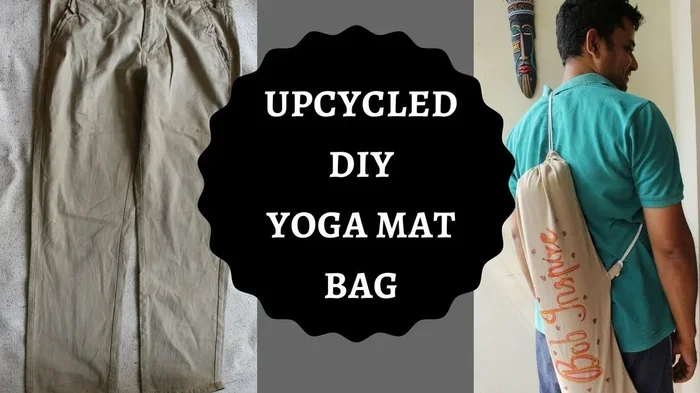
Use the fabric-like side of your old mat to create a simple carry bag. Cut the mat to size, fold it, and sew the edges. Add a strap from an old belt or piece of fabric. You now have a unique, eco-friendly mat bag that fits your old mat perfectly.
Create a Non-Slip Surface for Your Car Floor
Cut pieces of your old mat to fit your car floor. They prevent items from sliding around and protect the carpet from spills and dirt. The textured surface provides excellent grip. This is especially useful if you have pets or kids in the car.
Build a Raised Garden Bed Liner
Line the bottom of a raised garden bed with cut pieces of old yoga mat. It prevents weeds from growing up through the soil while still allowing water drainage. The material lasts for a full growing season and then you can replace it easily.
Make Coasters and Placemats
Cut your old mat into circles or squares of any size you like. These make excellent coasters and placemats. They protect surfaces from heat and moisture. You can even decorate them with fabric paint or markers for a personalized touch. This is a great project to do with kids.
Craft a Dog Puzzle Toy
Cut strips from your old mat and braid them together. Tie knots at intervals to create a durable chew toy for dogs. The material is safe and non-toxic. Most dogs love the texture and can’t resist playing with it. It’s a great way to give your pet something new while repurposing your old gear.
For more creative fitness storage ideas, you might enjoy reading about do I need to bring my own yoga mat to learn how proper storage and transport play a role in mat longevity.
Where to Buy or Find Quality Replacement Mats
When it’s finally time to say goodbye to your old mat, you’ll want a good replacement. The market has tons of options at every price point. Here are some tips to help you choose wisely.
Consider the material first. TPE mats are eco-friendly and lightweight. Rubber mats offer excellent grip and durability. PVC mats are affordable but less sustainable. Think about what matters most to you. If sustainability is important, look for brands that use recycled or biodegradable materials.
Set a budget before you shop. Mats range from 15 dollars for basic options to over 100 dollars for premium models. You don’t always need to spend more to get quality. Many mid-range mats offer excellent performance and durability. Read reviews and compare features before making a decision.
If you’re new to yoga or just starting to build your home practice, consider checking out do I need a yoga mat to do yoga for guidance on choosing the right mat for your needs and skill level.
Also, think about where you’ll practice. If you travel often, a lightweight travel mat might be the best choice. If you practice at home, a thicker, denser mat provides more comfort and stability. Matching the mat to your lifestyle ensures you get the most value out of your investment.
Common Mistakes People Make With Old Yoga Mats
There are a few pitfalls to avoid when handling old yoga mats. These common mistakes can waste your time or even create new problems.
Mistake 1: Ignoring mold and bacteria. If your mat has visible mold or a persistent musty smell, don’t try to clean it. Mold can spread and cause health issues. Dispose of it properly through recycling.
Mistake 2: Throwing it in the regular trash. This is the most common mistake and the worst for the environment. Always explore recycling or donation options first.
Mistake 3: Keeping a mat that’s no longer safe. A mat that has lost its grip is a safety hazard. Slipping during poses can cause injuries. Don’t hold onto a mat just because it was expensive or had sentimental value.
Mistake 4: Using harsh cleaners. Strong chemicals damage the mat material and can leave residues that irritate your skin. Stick to gentle, natural cleaning solutions.
Mistake 5: Storing it improperly. Leaving your mat in direct sunlight or a damp garage accelerates degradation. Always store it in a cool, dry place.
Avoiding these mistakes saves you time and ensures your old mat gets handled the right way.
Final Thoughts on What To Do With Old Yoga Mats 2
What to do with old yoga mats 2 is a topic that matters more than most people realize. Every year, millions of yoga mats end up in landfills. Most of them are perfectly reusable or recyclable. With a little effort, you can make a real difference.
Whether you choose to repurpose your mat into household items, clean it for continued use, donate it to someone in need, or recycle it responsibly, every option is better than throwing it away. The key is to take action. Pick one idea from this guide and try it this week. You’ll be amazed at how satisfying it feels to give an old mat a new purpose.
Your yoga mat has served you well. It supported your practice through countless sessions. Now it’s time to return the favor. Choose the option that works best for you and take the first step today. A small action like this creates a ripple effect. You help the planet, you save money, and you inspire others to do the same.
So grab those scissors, grab your old mat, and get started. The possibilities are endless, and the impact is real. Here’s to giving your old yoga mat the second life it deserves.
Frequently Asked Questions
Can I recycle my old yoga mat?
Yes, many yoga mats can be recycled through specialized programs. TerraCycle accepts old fitness mats, and some local recycling centers take PVC and TPE materials. Check with your local waste management facility to find out what options are available in your area.
How do I know if my yoga mat needs to be replaced?
Look for signs like loss of grip, visible cracks, persistent odor, and thinning cushion. If you slip during poses or feel discomfort on your knees and wrists, your mat is no longer providing adequate support. A mat that shows these signs should be replaced for safety.
Can I donate a used yoga mat?
Absolutely. Community centers, shelters, schools, and beginner yoga programs often accept gently used mats. Make sure the mat is clean and in good condition before donating. Call ahead to confirm they accept donations of used fitness equipment.
What materials are yoga mats made from?
Most yoga mats are made from PVC, TPE, natural rubber, or foam. PVC is the most common but least eco-friendly. TPE and natural rubber are more sustainable options. The material affects how you should clean, recycle, or dispose of the mat.
How long does a yoga mat typically last?
A quality yoga mat lasts between one and five years depending on how often you use it and how well you care for it. Daily practice wears a mat out faster. Regular cleaning and proper storage can extend its lifespan significantly.
Are there eco-friendly alternatives to traditional yoga mats?
Yes, there are many eco-friendly options available. Mats made from natural rubber, cork, or recycled materials are sustainable alternatives. Some brands also offer biodegradable mats that break down more easily at the end of their life. Look for certifications like OEKO-TEX when shopping for an eco-friendly mat.