Which Side of Yoga Mat Goes Down 2
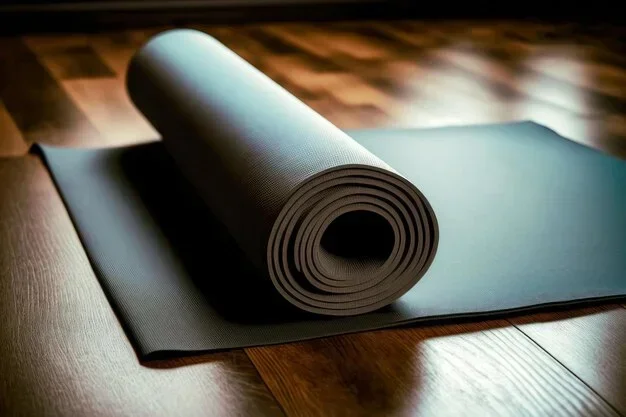
Knowing which side of your yoga mat goes down is one of the simplest yet most overlooked details in your practice. The bottom side is designed for stability and non-slip grip, while the top offers cushioning and texture for your hands and feet. Getting this right can transform your balance, comfort, and overall yoga experience.
This is a comprehensive guide about Which Side Of Yoga Mat Goes Down 2.
Key Takeaways
- Mat Orientation Matters: The correct side facing down prevents slipping and protects your joints during poses.
- Texture vs. Smooth: Most mats have a textured top for grip and a smoother bottom for floor contact.
- Alignment Marks Help: Many mats include printed lines or logos that guide proper placement.
- Thickness Affects Setup: Thicker mats may need extra attention to stay in place when the right side faces down.
- Wrong Side = Wasted Effort: Placing the mat upside down reduces grip and comfort significantly.
- Quick Checks Prevent Mistakes: A simple visual and tactile check before each session saves frustration.
[FEATURED_IMAGE_PLACEHOLDER]
Setting up your yoga mat seems like the easiest part of any session. You unroll it, step on it, and start stretching. But here is the thing most people miss: which side of yoga mat goes down actually matters a lot more than you think.
It is not just about looks or habit. The two sides of a yoga mat serve completely different purposes. One side grips the floor. The other grips your skin. Getting the orientation wrong means less stability, more slipping, and a practice that feels off from the very first pose.
This guide breaks down everything you need to know about mat orientation. Whether you are a complete beginner or a seasoned practitioner, you will learn how to identify the correct side, why it matters, and how to set up your mat for the best possible experience. Let us get into it.
Understanding the Two Sides of a Yoga Mat
Every yoga mat has two distinct sides. Understanding what each side does is the first step toward proper setup. Most people assume both sides are the same, but that is rarely true.
The Top Side: Grip and Comfort
The top side of your mat is where your body makes contact. This surface is designed with texture and grip in mind. You will notice it feels slightly tacky or raised under your hands and feet. This is intentional.
The yoga mat texture on top helps prevent your palms and soles from sliding during poses. Whether you are holding a downward dog or balancing in warrior two, the top side keeps you locked in place. It also provides the cushioning that protects your joints from hard floor surfaces.
The Bottom Side: Stability and Floor Contact
The bottom side faces the ground. It is typically smoother and designed to grip the floor rather than your body. This side prevents the mat from sliding around during your practice. Some mats have a rubberized or textured bottom layer specifically for floor adhesion.
When you place the wrong side down, the mat can shift beneath you. This is especially frustrating during standing poses or balance work. Your mat should feel planted and secure the moment you step on it.
Which Side of Yoga Mat Goes Down?
The short answer: the bottom side of the mat goes down, facing the floor. But how do you tell which side that is? Not all mats make this obvious, and the difference can be subtle.
Most quality mats have a slight texture difference between the two sides. Run your hand across both surfaces. The smoother, less grippy side usually belongs on the bottom. The textured, slightly sticky side goes on top where your body meets the mat.
Many mats also have alignment marks, logos, or text printed on one side. These markings typically face up so you can see them during your practice. If your mat has a brand name or design, that side generally faces the ceiling, not the floor.
Some people wonder about which side of the yoga mat do you use for different types of yoga. The answer remains the same. The textured, body-contact side always goes up. The flat, floor-contact side always goes down. This rule applies whether you practice hot yoga, vinyasa, or gentle stretching.
Why Mat Orientation Affects Your Practice
Placing your mat the right way is not a small detail. It directly impacts your safety, comfort, and performance on the mat.
Better Grip and Stability
When the correct side faces down, the mat stays firmly in place. You do not have to constantly adjust your position because the mat shifted mid-pose. This stability lets you focus on your breath and alignment instead of worrying about slipping.
For non-slip yoga mat users, orientation matters even more. The bottom layer works with the floor surface to create a stable base. Flip it around and you lose that foundational grip.
Joint Protection and Comfort
The top side of a yoga mat for beginners and experienced practitioners alike is designed to absorb impact. Kneeling on the wrong side can feel harsh and uncomfortable. The cushioning on the top side protects your knees, wrists, and spine during floor poses.
Proper Alignment
If your mat has printed alignment lines or a centered logo, placing it correctly ensures these guides work for you. Many practitioners use these marks to position their feet consistently. A flipped mat makes alignment cues harder to follow.
Common Mistakes People Make with Yoga Mat Placement
Even experienced yogis sometimes set up their mat incorrectly. Here are the most common mistakes and how to avoid them.
Assuming Both Sides Are the Same
This is the number one mistake. Not all mats are symmetrical in function. Even if they look identical, one side usually offers more texture for body contact. Always check both surfaces before unrolling.
Ignoring the Floor Surface
The interaction between your mat bottom and your floor matters. A smooth floor needs a mat with a grippy bottom side. A textured or carpeted floor may require less bottom-side grip. Understanding this relationship helps you choose the right yoga mat orientation for your space.
Forgetting to Check After Rolling
If you roll your mat up tightly and then unroll it, the sides can flip without you noticing. Always do a quick check before starting your practice. A simple touch test takes just seconds.
How to Identify the Correct Side Every Time
Here is a simple step-by-step process to make sure your mat is always set up correctly.
- Unroll the mat on a clean, flat surface.
- Look for markings like logos, text, or alignment lines. These usually face up.
- Touch both sides with your palm. The stickier, more textured side goes up.
- Step on the mat and test for grip. If your feet slide, flip the mat over.
- Do a quick pose like downward dog. If you feel stable, your mat is right-side up.
Over time, this becomes second nature. You will know instantly which side goes down without even thinking about it. The yoga mat surface differences become easy to spot with just a little practice.
Does Mat Thickness Affect Which Side Goes Down?
The ideal thickness for a yoga mat plays a role in how you set it up. Thicker mats, typically around 6mm or more, offer more cushioning but can be less stable. The correct side still goes down regardless of thickness.
Thin mats, around 3mm to 5mm, tend to grip the floor better on their own. They are less likely to shift when placed correctly. Thicker mats benefit even more from proper orientation because their added cushion can make them slide more easily if the wrong side faces down.
For those wondering about what is the best thickness for a yoga mat, the answer depends on your practice style. But no matter the thickness, the rule stays the same: textured side up, smooth side down.
If you are curious about how mat size and dimensions affect your setup, check out our guide on how big of a yoga mat do I need for more helpful insights.
Expert Tips for Getting the Most Out of Your Mat Setup
Beyond just placing the right side down, a few extra tips can elevate your mat experience.
- Clean both sides regularly. Dirt and oils build up on the bottom and reduce floor grip. Use a gentle cleaner designed for yoga mats.
- Store your mat unrolled. Rolling it up for long periods can cause the sides to fuse together, making orientation harder to distinguish.
- Replace worn mats. Over time, the textured top side wears down and loses its grip. When your mat feels slippery on top, it is time for a new one.
- Use a mat towel if needed. For hot yoga or heavy sweating, a microfiber towel over the top adds extra grip without changing your mat orientation.
These small habits keep your mat performing at its best. They also reinforce the habit of always checking which side faces down before you start practicing.
Quick Tips for Yoga Mat Setup
- Always unroll your mat with the textured side facing up.
- Check for logos or alignment marks that should face upward.
- Do a grip test by placing your hands flat on the surface.
- If the mat slides on the floor, flip it over and try again.
- Keep your mat clean to maintain both top and bottom performance.
Final Thoughts on Mat Orientation
The question of which side of yoga mat goes down is simple, but the answer has a big impact on your practice. The textured, grippy side goes up to support your body. The smoother, more stable side goes down to anchor the mat to the floor.
Getting this right takes seconds but pays off throughout your entire session. Better grip, more comfort, and improved alignment all start with proper mat placement. Make it a habit and you will never have to think about it twice.
Your mat is the foundation of your practice. Treat it with care, set it up correctly, and it will support you through every pose, every session, and every step of your yoga journey.
FAQs
What happens if I put my yoga mat upside down?
Placing your mat upside down means the smooth side faces up and the textured side faces the floor. This reduces grip under your hands and feet, making poses feel slippery and unstable. You may also experience less cushioning for your joints during floor poses.
How can I tell which side of my yoga mat is the top?
Look for printed logos, alignment marks, or text. These typically face upward. Touch both sides with your palm. The stickier, more textured side is designed for body contact and should face up. The smoother side goes down toward the floor.
Does every yoga mat have two different sides?
Most quality yoga mats do have two distinct sides, though some budget mats may feel similar on both surfaces. Premium mats usually have a clearly textured top for grip and a flatter bottom for stability. If your mat feels identical on both sides, choose the side with any visible markings to face up.
Can the wrong mat side cause injuries?
Yes, placing the wrong side up can lead to slipping during standing and balance poses. This increases the risk of falls, strained muscles, and unstable joints. Proper mat orientation is a simple but effective way to reduce injury risk during your practice.
Should I flip my yoga mat after each use?
You do not need to flip it after every use, but it is a good habit to check orientation before each session. Over time, mats can shift during storage or rolling. A quick visual and tactile check ensures you always start with the right side up.
How often should I replace my yoga mat?
Most yoga mats last between one and three years with regular use. Signs it is time to replace include a loss of grip on the top surface, visible wear, thinning cushion, or persistent odors even after cleaning. A worn mat affects your practice just as much as incorrect side placement.
Frequently Asked Questions
What is Which Side Of Yoga Mat Goes Down 2?
Which Side Of Yoga Mat Goes Down 2 is an important topic with many practical applications.