How to Use Yoga Strap as Mat Sling
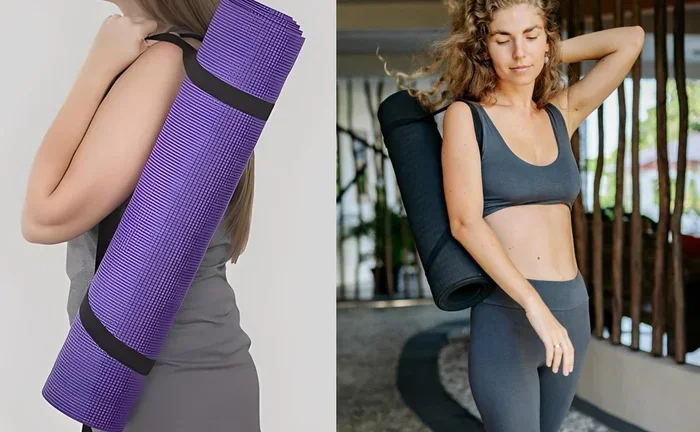
Using a yoga strap as a mat sling is one of the simplest ways to carry your yoga mat without a bag. This guide walks you through threading, knotting, and adjusting your strap so your mat sits snug and secure. You will learn easy DIY methods that save space and make transport a breeze.
This is a comprehensive guide about How To Use Yoga Strap As Mat Sling.
Key Takeaways
- DIY Mat Sling: A yoga strap can double as a mat sling with just a few simple knots and loops.
- Hands-Free Carry: Using a sling frees your hands for keys, water bottles, and bags while you walk.
- Adjustable Fit: You can adjust strap length to fit any mat size or body height.
- Budget Friendly: Skip expensive mat bags and use what you already own.
- Versatile Use: A yoga strap sling works for travel, commuting, and gym trips alike.
[FEATURED_IMAGE_PLACEHOLDER]
How to Use Yoga Strap as Mat Sling
Carrying a yoga mat can feel like a hassle. The mat is bulky. It slides around. And sometimes you do not have a bag big enough to fit it. That is where a yoga strap mat sling comes in handy. A simple yoga strap can transform your mat into something easy to carry on your shoulder or across your back.
In this guide, we will show you exactly how to use a yoga strap as a mat sling. You will learn the basic methods, how to adjust the fit, and common mistakes to avoid. Whether you are heading to class or traveling, this trick will change how you carry your mat. Let us get started.
What Is a Yoga Strap Mat Sling?
A yoga strap mat sling is simply a yoga strap used to hold and carry your mat. Instead of using it for stretching, you loop it around the mat and create a handle or shoulder carry. Think of it like a DIY yoga mat carrier that costs almost nothing.
The strap wraps around the rolled or folded mat. You tie it tight enough so the mat does not slip out. Then you use the loose ends as handles or a shoulder strap. This method works with most yoga straps made of cotton, nylon, or D-ring material.
If you have ever struggled with a mat sliding out of your hands, this sling method solves that problem. It keeps the mat secure and balanced. You can walk across a parking lot or through a busy studio without worrying about dropping anything.
Why Use a Strap Instead of a Bag?
There are several reasons a yoga strap sling beats a traditional mat bag:
- Lightweight: A strap weighs almost nothing compared to a padded bag.
- Compact: You can fold the strap and tuck it right into the mat itself.
- Cheap: Most people already own a yoga strap.
- Versatile: The same strap works for stretching, resistance, and carrying.
- No Bulk: Bags add extra volume. A strap keeps your carry minimal.
If you want an even more detailed look at carrying options, check out our guide on how to carry a yoga mat without a bag for more creative ideas.
How to Make a Yoga Strap Sling for Your Mat
Making a sling from a yoga strap is quick and easy. You do not need any special skills. Just follow these simple steps and you will have a working mat sling in under two minutes.
Step 1: Roll or Fold Your Mat
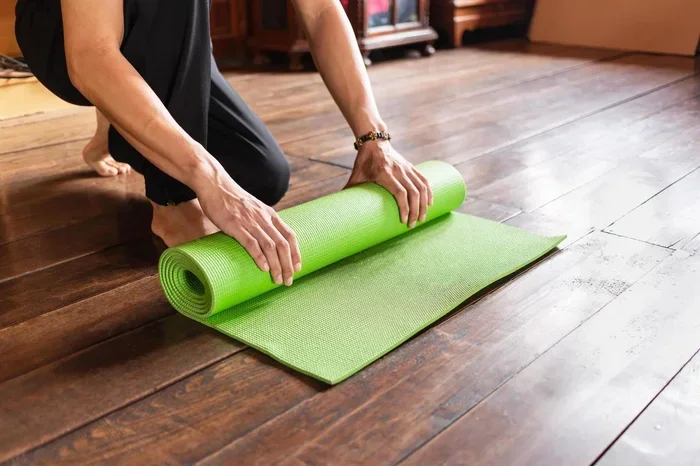
Start by rolling your mat tightly from one end to the other. A tight roll stays secure inside the sling. If your mat is too thick to roll, fold it in thirds lengthwise. The goal is to make the mat as compact as possible so the strap can wrap around it snugly.
For tips on keeping your mat flat and ready to roll, you can reference how to get a yoga mat to lay flat before you begin.
Step 2: Thread the Strap Around the Mat
Lay the rolled or folded mat flat on the ground. Place the yoga strap across the middle of the mat. Now slide the mat onto the strap so that equal lengths of strap come out from both sides.
The strap should sit about one-third of the way up from the bottom edge of the mat. This position keeps the sling balanced when you carry it. If the strap is too high or too low, the mat will tilt to one side.
Step 3: Create the Shoulder Loop
Take the two loose ends of the strap. Tie them together in a secure knot about shoulder-width apart. This creates a loop that slides over your shoulder. The knot should be tight enough to hold but easy to undo when you need to remove the mat.
If you want a longer carry handle, tie the ends together higher up. For a shorter, more compact sling, tie them closer together. Adjust based on your body height and how you prefer to carry the mat.
Step 4: Secure the Mat Inside the Sling
Now comes the most important part. You need to make sure the mat stays locked inside the sling. Take one end of the strap and wrap it tightly around the rolled mat two or three times. Then thread it through the loop created by the shoulder strap. Pull it tight.
This wrapping method, similar to the technique shown in how to make a yoga mat strap with rope, creates tension that holds the mat firmly in place. The tighter you wrap, the less the mat will move while you walk.
Step 5: Test the Sling
Lift the mat by the shoulder loop. Shake it gently side to side. If the mat feels secure and does not shift inside the strap, you are good to go. If it slides around, tighten the wrapping or adjust the knot position.
Walk around your room with the sling for a minute. Make sure the weight feels comfortable on your shoulder. You should be able to carry the mat for several minutes without discomfort.
Adjusting Your Yoga Strap Sling for Comfort
Not all yoga straps are the same length. Some are six feet long. Others are eight feet or more. The length of your strap affects how the sling fits on your body. Here is how to adjust for the best comfort.
Short Straps (6 Feet or Less)
Short straps work best for a hand-carry method. Instead of a shoulder loop, tie the two ends together to form a single handle. Grip the handle with both hands and carry the mat under your arm. This style is great for short trips from your car to the studio.
Long Straps (8 Feet or More)
Long straps give you more options. You can create a longer shoulder loop for a cross-body carry. You can also wrap the strap around your wrist for a hands-free option while you open doors or grab your keys.
If you carry your mat on a bike, you might want extra length so the sling sits securely on a bike rack or handlebar. For more on this, see our guide on how to carry a yoga mat on a bike.
Finding the Right Position
The strap should sit across the wider part of your shoulders, not at the neck. This distributes the weight evenly. If the strap digs into your shoulder, add a folded cloth between the strap and your skin for padding.
Quick Tips for Using Your Yoga Strap Sling
Here are some practical tips that make a big difference when using your sling:
- Use a D-Ring Strap: D-ring straps are easier to thread and adjust than simple cotton straps.
- Keep the Mat Dry: A damp mat is heavier and harder to carry. Make sure your mat is dry before slinging it up.
- Double-Knot the Ends: A double knot prevents the sling from coming undone during your walk.
- Wrap Extra Tight: The more wraps you add around the mat, the more secure the sling holds.
- Practice at Home: Try the sling at home before using it on your way to class. Get comfortable with tying and untying.
For more cleaning and maintenance tips to keep your strap in good shape, check out how to clean a yoga mat in the bathtub to keep everything fresh.
Common Mistakes to Avoid When Using a Yoga Strap Sling
Even though this method is simple, a few common mistakes can cause problems. Here is what to watch out for:
Tying the Knot Too Loose
A loose knot means the mat can fall out mid-walk. Always pull the knot tight and test it before you start walking. A secure knot is the difference between a smooth carry and a frustrating drop.
Placing the Strap Too High or Too Low
If the strap sits too high on the mat, the top of the mat will bulge out. If it sits too low, the mat will tilt forward when you carry it. Always center the strap one-third up from the bottom edge for the best balance.
Using a Worn or Thin Strap
A strap that is frayed or thin may snap under the weight of a heavy mat. Check your strap for wear before each use. Replace it if you see any tears or thinning in the material.
Overloading the Sling
Some people try to carry two mats at once. This puts too much stress on the strap and the knots. Stick to one mat per sling for safety and comfort.
Benefits of Using a Yoga Strap as a Mat Sling
Using a yoga strap as a mat sling offers many benefits beyond just convenience. Here is why this simple hack is worth trying:
- Cost Savings: You do not need to buy a special mat carrier or bag.
- Space Saving: A strap takes up almost no room in your gym bag or luggage.
- Eco-Friendly: Reusing what you already own reduces waste.
- Quick Access: You can sling the mat on and off in seconds.
- Custom Fit: You can adjust the sling to fit any mat size or shape.
This method is especially helpful for people who travel with their yoga practice. A strap sling fits easily into a suitcase or backpack. It takes up less space than a padded mat bag. And when you arrive at your destination, you can quickly pull the mat out and start your practice.
If you are interested in other creative uses for your yoga strap, learning more about strap techniques can open up new possibilities for your practice and your gear setup.
How to Choose the Right Yoga Strap for Sling Use
Not all yoga straps work equally well as a sling. Here is what to look for when choosing a strap for this purpose:
| Strap Type | Best For | Pros | Cons |
|---|---|---|---|
| Cotton Webbing | Lightweight mats | Soft, comfortable, easy to tie | Can stretch over time |
| Nylon with D-Rings | Heavy or thick mats | Durable, adjustable, strong | Can be stiff and less comfortable |
| Jute or Hemp | Eco-friendly option | Natural, strong grip | Less adjustable, rougher texture |
A nylon strap with D-rings is the most popular choice for sling use. The D-rings make it easy to adjust the length and add extra loops for security. Cotton straps work well for lighter mats and offer a softer feel against your shoulder.
For more creative DIY solutions, you might enjoy reading about how to make a yoga mat strap with rope if you prefer a rope-based approach.
Conclusion
Using a yoga strap as a mat sling is one of the easiest and most practical tricks in a yogi’s toolkit. It saves money, saves space, and makes carrying your mat feel effortless. With just a few simple knots and wraps, you can turn any yoga strap into a secure and comfortable mat sling.
Remember to roll your mat tightly, center the strap properly, and tie secure knots. Adjust the length to fit your body and always test the sling before heading out. Once you try this method, you will never go back to struggling with a bare mat under your arm.
Give it a try at your next practice or before your next class. Share this trick with a yoga friend who still carries their mat by hand. Your shoulders and your back will thank you.
Frequently Asked Questions
Can any yoga strap work as a mat sling?
Yes, most yoga straps work as a mat sling. Cotton, nylon, and hemp straps all do the job. The key is that the strap is long enough to wrap around your mat and tie a secure knot. Straps that are at least six feet long work best for most standard yoga mats.
How do I keep the yoga mat from slipping out of the strap sling?
Wrap the strap around the mat at least two or three times before threading through the shoulder loop. Pull the wrapping tight. A double knot at the shoulder loop also helps keep everything secure. If the mat still shifts, add an extra wrap around the rolled mat.
Can I use this sling method for a thick or extra-long mat?
Yes, but you may need a longer strap. Thick mats like Manduka PRO mats need more wrapping to stay secure. Extra-long mats may require you to fold them before rolling. Adjust the strap length so it wraps snugly without stretching too thin.
Is it better to carry the mat as a shoulder sling or a hand carry?
It depends on the distance you are walking. For short distances, a hand carry with a tied handle works well. For longer walks or commutes, a shoulder sling distributes weight better and leaves your hands free. Choose the method that feels most comfortable for you.
What kind of yoga strap is best for making a mat sling?
Nylon straps with D-rings are the best choice for sling use. They are durable, easy to adjust, and hold tight under tension. Cotton straps are softer and more comfortable against the shoulder but may stretch over time with frequent use.
Can I use a yoga strap sling when I bike to yoga class?
Yes, a yoga strap sling works well for biking. Make sure the mat is wrapped tightly so it does not shift while riding. You can also check out our guide on how to carry a yoga mat on a bike for more tips on transporting your mat by bicycle.