Are Yoga Mats Good for Working Out 2
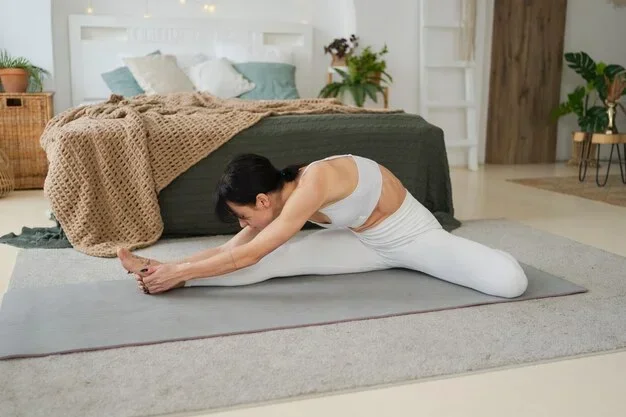
Yes, yoga mats are excellent for working out — they provide cushioning, grip, and stability for a wide range of exercises. Whether you are doing bodyweight moves, stretching, or low-impact cardio, a quality mat can transform your workout experience. This guide covers everything you need to know about using yoga mats for fitness.
Have you ever wondered whether a yoga mat is actually good for working out? Maybe you have one sitting at home and want to use it for more than just stretching. The short answer is yes. Yoga mats for working out are incredibly versatile and can support a wide range of fitness activities.
Whether you are a beginner just starting your fitness journey or a seasoned athlete looking for a comfortable surface, a yoga mat has a place in your routine. These mats do more than just keep you off a hard floor. They provide cushioning, grip, and stability that can make a real difference in how your workout feels and how safe it is.
In this article, we will explore why yoga mats are great for exercise, what types work best for different activities, and how to choose the right one for your needs. We will also cover some common mistakes people make and share practical tips to get the most out of your mat. By the end, you will know exactly how to use your yoga mat to level up your workouts.
Key Takeaways
- Versatile Use: Yoga mats work for many exercises beyond yoga, including strength training, stretching, and floor exercises.
- Joint Protection: A good mat cushions your joints during floor-based movements and reduces injury risk.
- Better Grip: Quality mats prevent slipping, keeping you safe during sweaty workouts.
- Multiple Types: Different mat thicknesses and materials suit different workout styles.
- Home Gym Essential: A yoga mat is an affordable and portable piece of workout gear for any fitness level.
📑 Table of Contents
- Why Yoga Mats Are Great for Working Out
- Best Types of Yoga Mats for Different Workouts
- Workout Exercises You Can Do on a Yoga Mat
- How to Choose the Right Yoga Mat for Your Workouts
- Common Mistakes People Make When Using Yoga Mats for Workouts
- Expert Tips for Getting the Most from Your Yoga Mat
- Conclusion
Why Yoga Mats Are Great for Working Out
Many people think yoga mats are only for yoga. But that is far from the truth. A yoga mat for working out offers benefits that go well beyond a single type of exercise. Let us look at why these mats are such a popular choice for fitness enthusiasts.
Joint Protection and Comfort
One of the biggest reasons people use a yoga mat is joint protection. When you do floor exercises like planks, push-ups, or stretching poses, your knees, elbows, and spine are directly on the ground. A hard surface like hardwood or concrete can be painful and even cause joint strain over time.
A yoga mat creates a soft barrier between your body and the floor. This cushioning absorbs impact and reduces pressure on sensitive joints. If you have lower back pain or sensitive knees, a mat can make floor exercises much more comfortable and doable.
Improved Grip and Stability
Slipping during a workout is not just annoying — it can be dangerous. A good yoga mat has a textured surface that keeps your hands and feet in place. This is especially important during sweaty sessions or balance-focused exercises.
When your hands and feet grip the mat properly, you can focus on your form instead of worrying about sliding around. Better stability means better results and fewer injuries. This is why many people prefer a yoga mat over a bare floor for almost any type of fitness workout.
Hygiene and Cleanliness
Working out directly on a floor exposes you to dust, bacteria, and sweat residue from previous use. A yoga mat creates a personal clean surface for your exercise. Most mats are easy to wipe down and maintain, which helps keep your workout area hygienic.
If you are using a shared space or a gym floor, a personal mat is a smart hygiene choice. You can even wash yoga mats in the washing machine to keep them fresh and clean over time.
Best Types of Yoga Mats for Different Workouts
Not all yoga mats are the same. Different workout styles need different features. Here is a breakdown of the most common types and what they are best for.
Thin Mats for Balance and Stability Work
Thin mats, usually around 3 to 5 millimeters thick, are great for exercises that need a firm base. Think balance poses, standing exercises, and barre classes. Because they are closer to the ground, thin mats give you better ground feedback, which helps with balance and alignment.
These mats are also lightweight and easy to carry. If you want something portable for tai chi or gentle stretching, a thin mat works well. They are also a good choice if you do mostly standing strength training moves.
Thick Mats for Comfort and Cushioning
Thick mats, typically 6 millimeters or more, are ideal for floor-based exercises where cushioning matters most. If you do a lot of core training, Pilates, or floor exercises, a thick mat will protect your spine and joints much better.
These mats are also great for people with joint issues or anyone who does a lot of lying-down exercises. The trade-off is that thick mats can be heavier and less stable for standing work. Choose thickness based on the type of exercise routine you follow most often.
Mat Material Matters
The material of your mat affects grip, durability, and comfort. Here are the most common options:
- TPE (Thermoplastic Elastomer): Lightweight, eco-friendly, and provides good cushioning. Great for general workouts.
- Natural Rubber: Excellent grip and durability. Heavier but very stable for intense resistance training.
- EVA Foam: Lightweight and affordable. Good for beginners and casual workouts.
- Jute or Cotton: Natural and breathable. Best for hot yoga or warm environments.
If you plan to use your mat for sweaty sessions, look for materials that resist moisture and provide a non-slip surface. A mat that gets slippery when wet can be a safety hazard during any type of cardio workout.
Workout Exercises You Can Do on a Yoga Mat
A yoga mat opens up a world of exercise possibilities. Here are some popular workout types that work great on a mat.
Bodyweight Strength Training
You can do push-ups, planks, mountain climbers, and glute bridges on a yoga mat. These exercises build strength training endurance and target multiple muscle groups. The mat gives you a stable, comfortable surface for all these moves.
Even exercises like tricep dips and leg raises feel better on a mat. The cushioning protects your wrists and spine while you work through your reps. A mat makes bodyweight workouts more enjoyable and sustainable over time.
Stretching and Flexibility Work
Stretching is one of the most natural uses for a yoga mat. Whether you are working on hamstring flexibility, hip openers, or spinal twists, a mat provides a clean and comfortable surface. Regular stretching on a mat can improve your flexibility training and reduce muscle soreness.
Many people also use their mat for cool-down routines after a workout. Spending just 10 minutes stretching on a mat after intense exercise helps your muscles recover faster and reduces tightness.
Pilates and Core Work
Pilates is built around mat-based exercises. Moves like the hundred, roll-ups, and leg circles all rely on a padded surface. A yoga mat is essential for any pilates workout routine. The mat supports your spine and gives you the grip needed to control each movement.
Core exercises like bicycle crunches and scissors also benefit from a mat. These moves engage your deep abdominal muscles and can be tough on a hard floor. A mat makes them more accessible and comfortable.
Low-Impact Cardio and HIIT
You might be surprised to learn that you can do cardio and HIIT workouts on a yoga mat. Exercises like jumping jacks, squat pulses, and standing knee raises all work well on a mat. For higher-impact moves, you might want a thicker mat to protect your joints.
If you are interested in adding jump rope to your routine, note that a yoga mat is not ideal for that activity. Jump ropes need a firm, flat surface, and a mat can actually get in the way. If you want to combine jump rope with mat work, consider using a separate surface for the rope and your mat for floor exercises. You can learn more about this in our guide on can I use a yoga mat for jump rope.
How to Choose the Right Yoga Mat for Your Workouts
Choosing the right mat can make or break your workout experience. Here are the key factors to consider.
Thickness
Thickness is the first thing most people look at. As a general rule, thinner mats are better for standing and balance work, while thicker mats are better for floor exercises. If you are unsure, a medium-thick mat around 5 millimeters is a safe starting point.
For specific guidance on choosing the right thickness, check out our article on what is a good thickness for a yoga mat. It covers the ideal thickness for different workout styles in detail.
Size
Standard yoga mats are about 68 inches long and 24 inches wide. If you are taller than average, you might want a longer mat. Make sure you have enough room to stretch out fully without your heels or head hanging off the edge.
Texture and Grip
A mat with good texture prevents slipping. This matters a lot during sweaty workouts or balance exercises. Try to test the grip before buying if possible. Mats with a slightly rough or textured surface tend to grip better than smooth ones.
Portability and Storage
If you plan to carry your mat to the gym or a fitness class, look for lightweight options. Some mats come with carrying straps or fold up for easy transport. For home use, storage space might be a factor too. Rolled mats take up less space than folded ones.
Common Mistakes People Make When Using Yoga Mats for Workouts
Even though yoga mats are simple to use, there are some common mistakes that can reduce their effectiveness or even cause injury.
Using the Wrong Thickness
Using a thin mat for cushioning-heavy exercises or a thick mat for balance work can lead to discomfort or instability. Always match the mat thickness to your workout type. If you are doing mostly floor exercises, go thicker. If you are doing standing work, go thinner.
Skipping Mat Cleaning
Sweat and dirt build up on mats over time. A dirty mat can harbor bacteria and develop a slippery film. Regular cleaning keeps your mat hygienic and safe. Most mats can be wiped down with a mild cleaner or even washed in a machine. Learn more about proper cleaning in our guide on washing yoga mats in the washing machine.
Ignoring Grip Quality
A mat that slips during your workout is more than just annoying — it is unsafe. Cheap mats with poor grip can cause you to slide out of poses or lose balance during exercises. Always test the grip, especially if you sweat a lot during workouts.
Not Replacing Worn Mats
Over time, yoga mats lose their cushioning and grip. A worn-out mat can cause joint pain and instability. If your mat has visible wear, tears, or feels thin in spots, it is time for a replacement. A good mat is a small investment that pays off in comfort and safety.
Expert Tips for Getting the Most from Your Yoga Mat
Here are some expert-backed tips to help you get the best results from your yoga mat during workouts.
Warm Up on the Mat: Start your workout with gentle stretches on the mat. This warms up your muscles and prepares your joints for more intense movements. A proper warm-up on your mat can also help prevent injuries during strength training.
Anchor Your Mat: If your floor is smooth, your mat might slide around during workouts. Use a mat towel or a non-slip mat underneath to keep it in place. This small trick makes a big difference in stability.
Combine Mat Work with Other Equipment: A yoga mat pairs well with resistance bands, dumbbells, and kettlebells. You can do mat-based core exercises between sets of kettlebell swings for a full-body session. If you are curious about kettlebell swings for lower back pain, adding mat-based core work can complement your routine nicely.
Store Your Mat Properly: Roll your mat with the top side facing out to prevent creasing. Store it in a cool, dry place away from direct sunlight. Proper storage extends the life of your mat significantly.
Use Different Mats for Different Activities: If you do hot yoga, consider a mat designed for that purpose. If you do heavy resistance training, a thicker mat might be better. Having the right mat for each activity improves both comfort and performance.
Conclusion
Yoga mats are genuinely good for working out. They offer cushioning, grip, and stability that enhance almost any type of exercise. From bodyweight strength training to stretching and Pilates, a yoga mat for working out is one of the most versatile and affordable pieces of fitness gear you can own.
The key is choosing the right mat for your needs and using it correctly. Pay attention to thickness, material, and grip quality. Keep your mat clean and replace it when it wears out. With the right mat and proper technique, you can elevate your workouts and train more safely and effectively.
Whether you are just starting out or looking to upgrade your home gym setup, a quality yoga mat is a smart investment. It supports your joints, improves your stability, and makes every workout more comfortable. So roll out your mat and get moving — your body will thank you.
Frequently Asked Questions
Can I use a yoga mat for all types of workouts?
Yoga mats work well for most floor-based exercises like stretching, strength training, Pilates, and core work. However, they are not ideal for high-impact activities like jump rope. For exercises that need a firm surface, a yoga mat may actually get in the way. Use your mat for activities where cushioning and grip are the main benefits.
What thickness yoga mat is best for working out?
A medium-thick mat around 5 millimeters is a great all-around choice. Thinner mats work best for balance and standing exercises, while thicker mats are better for floor-based workouts where cushioning matters most. Consider what type of exercise you do most often when choosing thickness.
How often should I clean my yoga mat?
You should clean your yoga mat after every few uses, especially if you sweat heavily during workouts. A quick wipe-down with a mild disinfectant after each session helps prevent bacteria buildup. For a deeper clean, you can wash most mats in the washing machine on a gentle cycle.
Is a yoga mat necessary for home workouts?
While not strictly necessary, a yoga mat makes home workouts much more comfortable and safe. It provides cushioning for your joints, a non-slip surface for stability, and a clean space to exercise. Even a basic mat is a worthwhile addition to any home workout setup.
Can I use a yoga mat on carpet or outdoor surfaces?
Yes, yoga mats can be used on carpet and outdoor surfaces, but they work best on hard, flat floors. On carpet, the mat may not lie completely flat and could shift during exercises. Outdoors, a thicker mat provides better comfort on uneven or rough surfaces. Always check that the surface underneath is clean before unrolling your mat.
What is the difference between a yoga mat and a workout mat?
A yoga mat is typically thinner and designed for flexibility and balance work, while a workout mat is often thicker and built for cushioning during high-impact floor exercises. In practice, the terms are often used interchangeably. The best choice depends on your specific workout needs and preferences.
=== INTERNAL LINKS ===