Are Yoga Mats Good for Sit Ups 2
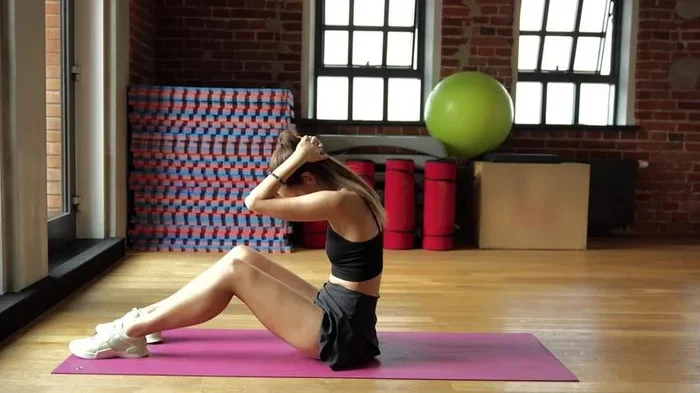
Yes, a yoga mat can be a great surface for doing sit-ups. It provides cushioning, grip, and stability that make your abdominal workout more comfortable and effective. In this guide, we cover everything you need to know about using a yoga mat for sit-ups, from choosing the right thickness to avoiding common mistakes.
Key Takeaways
- Cushioning and comfort: A yoga mat protects your back and spine from hard floors during sit-ups.
- Grip and stability: The right mat keeps you from slipping while performing core exercises.
- Mat thickness matters: A mat that is too thick or too thin can hurt your form and comfort.
- Material choice: PVC, TPE, and rubber mats each offer different benefits for floor exercises.
- Proper technique: Even with a great mat, form is the most important factor for effective sit-ups.
- Alternatives exist: Exercise benches and foam pads can also work if you don’t have a yoga mat.
📑 Table of Contents
Why Use a Yoga Mat for Sit-Ups?
Sit-ups are one of the most popular core exercises out there. They target your abdominal muscles, hip flexors, and lower back. But doing them on a bare floor can be tough on your body. That is where a yoga mat comes in.
A good exercise mat gives you a soft, stable surface to work on. It reduces pressure on your spine and tailbone. It also keeps you from sliding around mid-rep. Whether you are doing crunches or full sit-ups, a mat can make a big difference.
Many people think yoga mats are only for yoga. But they work great for all kinds of floor exercises. Sit-ups, planks, push-ups, and stretching routines all benefit from a quality mat. Let us break down exactly why a yoga mat is a smart choice for your abdominal workout.
Protection for Your Spine
Hard floors like tile or concrete can be brutal on your lower back. When you arch your back during a sit-up, your spine needs something soft to rest against. A yoga mat provides floor padding that absorbs shock and reduces strain. This is especially important if you exercise on a hard surface at home.
Better Grip and Control
Have you ever tried doing sit-ups on a smooth floor? Your body slides up and down. A yoga mat gives you the stability and traction you need. Your back stays in place. Your shoulders stay planted. This means every rep counts.
Portability and Convenience
Yoga mats are lightweight and easy to carry. You can roll one up and take it anywhere. This makes them perfect for home fitness or even outdoor workouts. You do not need a fancy gym setup to get a great core workout.
Best Yoga Mat Features for Sit-Ups
Not all yoga mats are created equal. Some are designed for hot yoga. Others are built for travel. When it comes to sit-ups, you want a mat with specific features. Here is what to look for.
Cushioning and Thickness
The right amount of cushioning is key. A mat that is too thin will not protect your back. A mat that is too thick can make you unstable. For sit-ups, a medium-thickness mat usually works best. Aim for something between 5mm and 8mm. If you want more details on ideal thickness, check out our guide on what is a good thickness for a yoga mat.
Surface Texture and Grip
You want a mat that grips your body and your hands. A textured surface prevents slipping. This is critical during sit-ups when you are moving repeatedly. Look for mats with a non-slip surface or a textured top layer.
Material Quality
The material affects everything. It controls how the mat feels, how long it lasts, and how it handles sweat. Here is a quick comparison of common mat material options:
Quick Comparison: Mat Materials for Sit-Ups
| Material | Cushioning | Grip | Durability | Best For |
|---|---|---|---|---|
| PVC | Medium | Good | High | Budget-friendly workouts |
| TPE | Soft | Very Good | Medium | Comfortable home use |
| Natural Rubber | High | Excellent | High | Intense core exercises |
| Cork | Medium | Excellent | Medium | Sweat-prone workouts |
For sit-ups, natural rubber and TPE mats tend to perform well. They offer great density and mat grip. PVC is a solid budget option if you are just starting out.
Size and Coverage
Make sure the mat is long enough for your body. Standard mats are about 68 inches long. If you are taller, look for extra-long mats. A larger mat also gives you room to stretch out. This is helpful if you combine sit-ups with other bodyweight training movements.
Yoga Mat Thickness Matters
Thickness is one of the most important factors when choosing a mat for sit-ups. Too thin, and you lose comfort. Too thick, and you lose balance. Let us break it down by thickness level.
Thin Mats (3mm to 5mm)
Thin mats are close to the floor. They offer minimal floor padding. These work okay if you have soft carpet underneath. But on hard surfaces, they may not provide enough spine support. They are best for people who like a firm, grounded feel during their ab routine.
Medium Mats (6mm to 8mm)
This is the sweet spot for most people. A medium-thick mat gives you comfortable workout conditions without sacrificing stability. Your back stays supported. Your body stays planted. For most core exercises, this is the best choice.
Thick Mats (10mm to 15mm)
Thick mats are great for people with sensitive joints. They offer maximum cushioning. However, they can feel wobbly during sit-ups. Your hands may not grip the surface as well. If you are unsure what thickness works best, our article on how thick a yoga mat should be for Pilates offers helpful insights that also apply to sit-ups and similar floor exercises.
Quick Tips for Choosing Thickness
- If you have a sensitive lower back, go with a thicker mat.
- If you want more control over your movements, choose a thinner mat.
- Always consider your floor surface before picking a thickness.
- Try a few thicknesses to see what feels best for your body.
How to Do Sit-Ups on a Yoga Mat
Now that you have the right mat, let us talk about proper form. Doing sit-ups correctly makes them more effective and safer for your body.
Step-by-Step Guide
- Lay your mat flat on a clean, level surface. Make sure there are no wrinkles.
- Lie on your back with your knees bent and feet flat on the mat. Your feet should be about hip-width apart.
- Place your hands behind your head or across your chest. Do not pull on your neck.
- Engage your core by tightening your abdominal muscles. Think about pulling your belly button toward your spine.
- Lift your upper body slowly. Curl up until your chest is close to your knees.
- Hold for a second at the top. Focus on squeezing your abs.
- Lower yourself back down slowly. Do not drop onto the mat. Control the movement.
- Repeat for your desired number of reps.
Breathing Tips
Breathe out as you lift up. Breathe in as you lower down. Proper breathing keeps your core engaged and your energy steady. Do not hold your breath.
Adjusting for Comfort
If your lower back arches off the mat, try placing a small towel under your lower back. This adds extra spine support. You can also adjust your foot position. Wider feet give you more stability. Narrower feet challenge your balance more.
Adding Resistance
Once basic sit-ups feel easy, you can add resistance. Hold a light dumbbell or a book against your chest. This increases the workload on your abs. It also turns a simple abdominal workout into a more challenging resistance training session.
Common Mistakes When Using a Yoga Mat for Sit-Ups
Even with a great mat, mistakes can ruin your workout. Here are the most common errors people make and how to fix them.
Mistake 1: Using a Slippery Mat
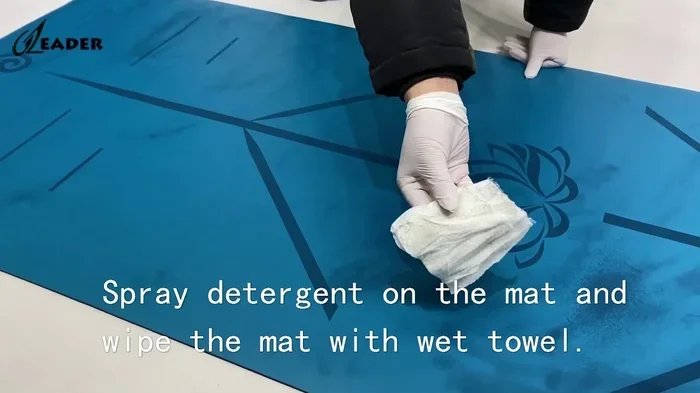
Some mats become slippery when you sweat. This is a big problem for sit-ups. Your body keeps sliding up and down. To fix this, choose a mat with sweat resistance properties. Cork and natural rubber handles moisture well. You can also wipe your mat before each session.
Mistake 2: Choosing the Wrong Thickness
We covered this already, but it is worth repeating. A mat that is too thick can throw off your balance. A mat that is too thin does not protect your back. Match your mat thickness to your body’s needs and your floor type.
Mistake 3: Pulling on Your Neck
This is the most common sit-up mistake. People tug on their necks to force their bodies up. This strains your cervical spine. Instead, use your core muscles. Place your hands lightly behind your head or cross them over your chest.
Mistake 4: Not Engaging Your Core
Sit-ups are not just about lifting your body. You need to actively engage your abs. If you go through the motions without focusing on your core, you will not get much benefit. Think about every rep. Quality beats quantity every time.
Mistake 5: Doing Too Many Too Fast
It is tempting to crush out 50 sit-ups on day one. But your form will fall apart fast. Start with 10 to 15 reps. Build up gradually. Your form and technique matter more than hitting a high number.
Expert Insight
Fitness coaches often say that the first 10 perfect sit-ups are better than 50 sloppy ones. Focus on slow, controlled movements. Feel your muscles working. A yoga mat supports your body, but your mind has to guide the effort.
Alternative Exercises You Can Do on a Yoga Mat
A yoga mat is incredibly versatile. Beyond sit-ups, you can do tons of exercises on one. Here are some great options to add variety to your core workout.
Planks
Planks are fantastic for building full-body strength. Place your forearms on the mat and hold your body straight. The mat protects your elbows and knees. It also gives you a non-slip base.
Bicycle Crunches
Lie on your mat and alternate touching your elbows to opposite knees. This targets your obliques. The cushioning keeps your back comfortable through every rep.
Leg Raises
Lie flat on your mat and lift your legs straight up. Lower them slowly without touching the floor. This works your lower abs. The mat keeps your back pressed down safely.
Russian Twists
Sit on the mat with your knees bent. Lean back slightly and twist your torso side to side. You can hold a weight for extra challenge. The mat keeps your hips stable during the twist.
Mountain Climbers
Start in a plank position on the mat. Alternate bringing your knees toward your chest. This is a dynamic core exercise that also gets your heart rate up. The mat grip keeps your hands from sliding.
Stretching and Cool-Down
After your sit-ups, use the mat for stretching. Stretch your hip flexors, lower back, and hamstrings. This reduces soreness and improves flexibility. A comfortable workout includes both exercise and recovery.
Conclusion
So, are yoga mats good for sit-ups? Absolutely. A quality yoga mat gives you cushioning, grip, and stability. It protects your spine and makes every rep more effective. Choose the right thickness and material for your needs. Focus on proper form. Avoid common mistakes. And do not limit yourself to just sit-ups. A yoga mat opens the door to dozens of floor exercises that build a stronger core.
Whether you are a beginner or experienced, a good mat is a game-changer. It is one of the simplest and most affordable tools you can add to your home fitness routine. Invest in a quality mat, use it consistently, and you will see real results. Your abs will thank you.
Frequently Asked Questions
Is a yoga mat better than a carpet for sit-ups?
A yoga mat is usually better than carpet for sit-ups. Carpet can be uneven and may have dust or allergens. A yoga mat gives you consistent cushioning and grip. It is also easier to clean. However, if your carpet is thick and clean, it can work in a pinch.
What thickness yoga mat is best for sit-ups?
A mat between 6mm and 8mm thick works best for most people. This range offers enough cushioning to protect your back without making the surface too unstable. If you have joint issues, you may prefer a thicker mat at 10mm. For more guidance, check our article on ideal thickness for a yoga mat.
Can I do sit-ups on a thin yoga mat?
Yes, but it depends on your floor. If you have carpet underneath, a thin mat (3mm to 5mm) can work fine. On hard floors like tile or wood, a thin mat may not provide enough spine support. Consider adding an extra layer or upgrading to a medium-thick mat for better comfort.
Does the material of the yoga mat matter for sit-ups?
Yes, it does. Natural rubber and TPE mats offer the best grip and cushioning for sit-ups. PVC is affordable but can feel slippery when wet. Cork handles sweat well but may wear faster. Choose a material that matches your sweat level and comfort needs. You can learn more about mat materials in our guide on what type of foam yoga mats are made from.
How do I keep my yoga mat from sliding during sit-ups?
Place a non-slip rug pad underneath your mat. This stops the mat from moving on the floor. You can also choose a mat with a textured bottom. Wiping the mat surface with a damp cloth before each session improves grip too.
Are yoga mats good for other core exercises besides sit-ups?
Definitely. Yoga mats work great for planks, crunches, leg raises, Russian twists, and mountain climbers. They provide a stable, cushioned surface for nearly any bodyweight training exercise. A versatile mat can become your go-to tool for the entire ab routine.