Can I Use Yoga Mat for Camping 2
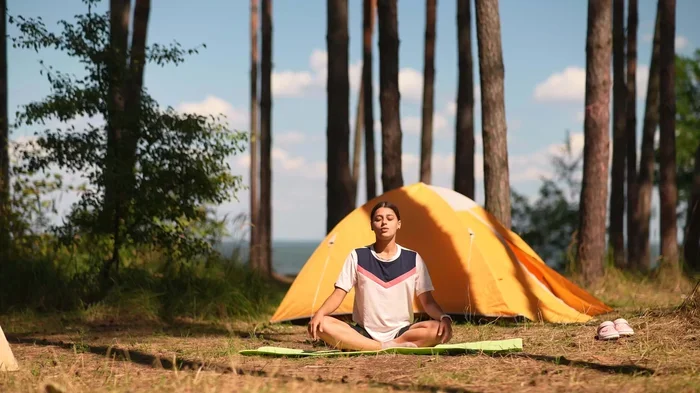
Yes, you can use a yoga mat for camping, but it depends on the type of mat, your comfort needs, and the conditions you face outdoors. A yoga mat can serve as a ground cover, meditation surface, or even a makeshift sleeping pad. However, standard yoga mats often lack the insulation and durability that dedicated camping gear offers. In this guide, we will walk you through everything you need to know about using a yoga mat for camping, including the best types, thickness options, cleaning tips, and real-world scenarios.
Camping is one of the best ways to reconnect with nature. Whether you are headed to a national park or setting up a tent in your backyard, the gear you bring matters. One question that comes up a lot is whether you can use a yoga mat for camping. The short answer is yes. But the full answer is a bit more nuanced, and that is exactly what we are here to explore.
A yoga mat is a versatile piece of equipment. You use it at home, at the gym, and now maybe you are wondering if it can handle the outdoors. The good news is that yoga mats can serve multiple purposes during a camping trip. They can cushion your knees during meditation, provide a clean surface for stretching, and even act as a temporary ground cover. But they are not a perfect replacement for proper camping gear.
In this article, we will break down everything you need to know. We will look at which types of yoga mats work best outdoors, how to choose the right thickness, and whether a yoga mat can double as a sleeping pad. We will also share practical tips on cleaning and caring for your mat after a camping trip. By the end, you will know exactly how to make the most of your yoga mat in the great outdoors.
Key Takeaways
- Yoga mats can work for camping: They provide a clean, comfortable surface for meditation, stretching, or sitting around the campfire.
- Thickness matters a lot: Thicker mats offer better cushioning but may be harder to carry on hikes.
- Not ideal as a sleeping pad: Standard yoga mats lack the insulation needed to keep you warm on cold ground.
- Cleaning is essential after camping: Dirt, moisture, and debris can damage your mat if not cleaned properly.
- Choose the right type: Eco-friendly and foldable mats are the best options for camping trips.
- Carry a carrying case: It keeps your mat clean and makes transport much easier.
📑 Table of Contents
Why Use a Yoga Mat for Camping?
You might be wondering why anyone would bring a yoga mat on a camping trip. The reasons are more practical than you might think. A yoga mat is lightweight, foldable, and easy to carry. It takes up very little space in your backpack. And it serves several useful functions that can improve your camping experience.
Let us look at some of the main reasons campers reach for a yoga mat.
Ground Cover and Comfort
When you are sitting around the campfire or eating a meal outdoors, the ground can be dirty, damp, or rocky. A yoga mat creates a clean, dry surface to sit on. It keeps your clothes off the ground and provides a small comfort zone in the middle of nature. This is especially helpful in wet conditions where the ground is muddy or grassy.
Meditation and Stretching
Many campers enjoy morning yoga or meditation as part of their routine. A yoga mat gives you a familiar, stable surface to practice on. It cushions your joints and provides grip, even on uneven terrain. After a long hike, stretching on a yoga mat can feel amazing and help your muscles recover.
Multi-Purpose Utility
A yoga mat can do more than just provide a clean surface. Some campers use it as a makeshift pillow, a knee pad for setting up a tent, or even a barrier between their sleeping bag and the cold ground. The versatility of a yoga mat makes it a handy addition to any camping checklist.
Can a Yoga Mat Work as a Sleeping Pad?
This is one of the most common questions people ask. The answer is: it depends. A standard yoga mat can provide some cushioning, but it is not designed to insulate you from the cold ground. If you are camping in warm weather, a yoga mat might work fine as a sleeping surface. But in cooler conditions, you will likely feel the cold seeping through.
For those who want to use a yoga mat as a sleeping pad, there are a few things to keep in mind.
Insulation and R-Value
Sleeping pads for camping are rated by something called an R-value. This measures how well the pad resists heat loss. Most yoga mats have a very low R-value, which means they do not insulate well. A dedicated camping sleeping pad typically has an R-value of 2 or higher. Standard yoga mats usually fall below that. This is a key reason why a yoga mat alone is not ideal for sleeping on the ground in cold weather.
Thickness and Comfort
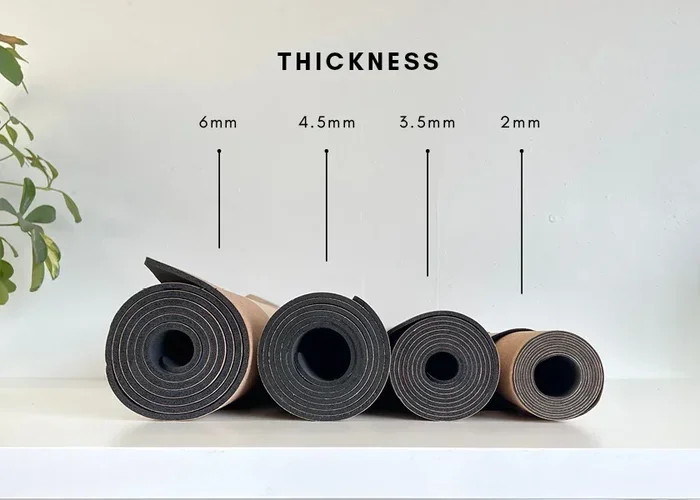
The thickness of your yoga mat plays a big role in how comfortable it is to sleep on. A thin yoga mat (around 3mm) will not provide much cushioning. A thick yoga mat (6mm or more) will feel better, but it will also be heavier and bulkier to carry. If you are backpacking, every ounce counts, so you need to weigh comfort against portability.
If you want to learn more about the best thickness options, check out our guide on what is the best thickness for a yoga mat.
Using a Yoga Mat as a Base Layer
One smart approach is to use a yoga mat as a base layer under your sleeping bag. This adds a small layer of cushioning and keeps your bag off the damp ground. It is not a replacement for a proper sleeping pad, but it can make a big difference in comfort. This is a popular trick among budget campers and casual outdoor enthusiasts.
Types of Yoga Mats for Camping
Not all yoga mats are created equal. Some are better suited for camping than others. Let us look at the most common types and how they perform outdoors.
Standard TPE Yoga Mats
Thermoplastic elastomer (TPE) mats are the most common type. They are lightweight, affordable, and come in a variety of thicknesses. TPE mats are a good choice for casual camping trips where you plan to set up a base camp. They are easy to clean and dry quickly after getting wet. However, they do not offer the best insulation for sleeping.
Eco-Friendly and Natural Rubber Mats
Natural rubber mats are more durable and eco-friendly. They provide better grip and cushioning than TPE mats. Many campers prefer them because they are made from sustainable materials. The downside is that they are heavier and can be harder to clean. They also tend to be more expensive. If you are an eco-conscious camper, a natural rubber mat is a solid choice.
Foldable and Travel Yoga Mats
Foldable mats are designed with portability in mind. They are lightweight, compact, and often come with carrying straps. These mats are perfect for hiking and backpacking trips where every inch of space matters. They may not be as thick as standard mats, but they offer a good balance of comfort and portability. If you are looking for a mat specifically for travel and outdoor use, a foldable option is worth considering.
Yoga Towels as an Alternative
Some campers use a yoga towel instead of a full mat. Yoga towels are ultralight, quick-drying, and take up very little space. They work well as a ground cover or meditation surface. However, they do not provide much cushioning. If you want a lightweight option and are willing to sacrifice some comfort, a yoga towel is a great alternative. You can learn more about using towels as a mat alternative in our article can I use a towel as a yoga mat.
How to Choose the Right Yoga Mat for Camping
Choosing the right yoga mat for camping comes down to a few key factors. You need to balance comfort, weight, durability, and cost. Here is what to look for.
Consider the Thickness
For camping, a mat that is at least 5mm thick is ideal. It provides enough cushioning for sitting and stretching. If you plan to use it as a sleeping surface, consider a 6mm or thicker mat. Keep in mind that thicker mats are heavier, so you need to decide what matters more to you.
Look for Durability
Outdoor conditions can be tough on yoga mats. Rocks, twigs, and sharp debris can puncture or tear a thin mat. Choose a mat made from durable materials that can withstand rough surfaces. Natural rubber mats tend to be the most durable, followed by high-quality TPE mats.
Weight and Portability
If you are hiking to your campsite, weight is critical. A heavy yoga mat will slow you down and tire you out. Look for mats that weigh under 3 pounds and come with a carrying strap or case. Foldable mats are especially convenient for this reason.
Water Resistance
Camping often means dealing with moisture. Dew in the morning, rain at night, and damp ground can all affect your mat. Choose a mat that dries quickly and resists water absorption. TPE mats generally handle moisture better than natural rubber mats. If your mat gets wet, make sure to dry it thoroughly before storing it.
Caring for Your Yoga Mat After Camping
After a camping trip, your yoga mat will likely be dirty. Dirt, sand, and moisture can build up and damage the material over time. Proper cleaning and storage will extend the life of your mat and keep it ready for your next adventure.
Cleaning Tips
Start by shaking off any loose dirt or sand. Then wipe down the mat with a damp cloth. For a deeper clean, you can use a mild soap and water solution. Avoid harsh chemicals that can break down the material. If you want to know more about safe cleaning options, check out our guide on cleaning your yoga mat with Clorox wipes and our article on using Dawn to clean your yoga mat.
Drying and Storage
Never store a damp yoga mat. It can develop mold and mildew, which will ruin the material and create a bad smell. Hang the mat over a clothesline or lay it flat in the sun to dry. Once it is completely dry, roll it up loosely and store it in a cool, dry place. Avoid leaving it in a hot car or in direct sunlight for long periods, as heat can degrade the material.
Dealing with Odors
Camping can leave your yoga mat smelling like dirt, smoke, or campfire. To remove odors, sprinkle baking soda on the mat, let it sit for 15 minutes, and then wipe it off. You can also use a vinegar and water solution for a natural deodorizer. Airing the mat out outdoors for a few hours can also help freshen it up.
Common Mistakes to Avoid
Even experienced campers make mistakes when it comes to using a yoga mat outdoors. Here are some common pitfalls to watch out for.
- Using a thin mat on rough terrain: A thin mat will tear easily on rocky or sharp ground. Always inspect the area before laying down your mat.
- Forgetting to clean your mat: Dirt and moisture left on the mat can cause damage and odors. Always clean your mat after every camping trip.
- Leaving the mat in the car: Heat inside a car can warp and damage your yoga mat. Bring it inside when you get home.
- Using it as the only sleeping pad in cold weather: A yoga mat does not provide enough insulation for cold-weather camping. Invest in a proper sleeping pad for trips in cooler temperatures.
- Ignoring the weight factor: If you are backpacking, every pound matters. Choose a lightweight mat to avoid unnecessary strain on your hike.
Quick Tips for Using a Yoga Mat While Camping
- Bring a lightweight carrying case to keep your mat clean during transport.
- Choose a mat with a non-slip surface for better grip on uneven ground.
- Use your mat as a base layer under your sleeping bag for extra cushioning.
- Wipe down your mat every evening to remove dirt and debris.
- Air-dry your mat completely before packing it up to go home.
- Consider a foldable mat if you are hiking more than a mile to your campsite.
Final Thoughts
Using a yoga mat for camping is a practical and affordable option for many outdoor enthusiasts. It may not replace a dedicated sleeping pad, but it serves as a versatile ground cover, meditation surface, and comfort layer. The key is choosing the right type of mat, caring for it properly, and understanding its limitations. With the right approach, your yoga mat can be a valuable addition to your camping gear.
Whether you are a seasoned camper or just getting started, a yoga mat offers a simple way to add comfort and cleanliness to your outdoor experience. Next time you pack for a camping trip, consider tossing your yoga mat into the bag. You might be surprised at how much it improves your time in the great outdoors.
Frequently Asked Questions
Can I use any yoga mat for camping?
Most yoga mats can be used for camping, but thicker and more durable mats work best. Avoid very thin mats on rough terrain, as they can tear easily. Choose a mat that balances comfort, weight, and durability for the best results.
Is a yoga mat good for sleeping while camping?
A yoga mat can provide some cushioning, but it is not a good substitute for a proper sleeping pad in cold weather. It lacks the insulation needed to keep you warm on cold ground. Use it as a base layer under your sleeping bag for added comfort instead.
How do I clean a yoga mat after a camping trip?
Shake off loose dirt, then wipe the mat with a damp cloth and mild soap. Let it air dry completely before storing it. For deeper cleaning, you can use a vinegar and water solution or follow the tips in our guide on cleaning your yoga mat with vinegar.
What thickness yoga mat is best for camping?
A mat that is at least 5mm thick is ideal for most camping uses. If you plan to use it as a sleeping surface, go for 6mm or thicker. Keep in mind that thicker mats are heavier, so consider the trade-off between comfort and portability.
Can I bring a yoga mat on a camping trip as hand luggage?
Yes, a yoga mat is lightweight and easy to carry, making it a great addition to any camping trip. If you are flying to your camping destination, you can also bring it as hand luggage. Check out our guide on taking a yoga mat as hand luggage for more tips.
Should I leave my yoga mat in the car after a camping trip?
No, you should not leave your yoga mat in the car, especially in hot weather. Heat can warp and damage the material. Always bring your mat inside after your trip and store it in a cool, dry place to extend its lifespan.