How Long Do Cork Yoga Mats Last 2
Cork yoga mats are known for their durability and eco-friendly appeal, but many yogis wonder how long they truly last. With proper care, a cork yoga mat can endure 2 to 5 years of regular use. This guide covers everything you need to know about cork yoga mat lifespan, from care routines to signs of wear and replacement timing.
Yoga practitioners love cork yoga mats for their natural feel, eco-friendly credentials, and excellent grip. But one question comes up again and again: how long do cork yoga mats last? Whether you are a beginner or a seasoned yogi, understanding the lifespan of your mat helps you make smart buying decisions and get the most value from your investment.
The answer depends on several factors, including how often you practice, how well you care for your mat, and the quality of the cork material itself. In this guide, we break down everything you need to know about cork yoga mat durability, care routines, and when it is time to say goodbye to your old mat.
Key Takeaways
- Cork yoga mats last 2 to 5 years on average with proper care and regular use.
- Natural cork material is durable, biodegradable, and resistant to bacteria and odor.
- Proper cleaning and storage significantly extends the life of your cork yoga mat.
- Signs of wear include thinning, peeling, loss of grip, and visible damage to the surface.
- Replacing your mat at the right time prevents injuries and maintains your practice quality.
- Compared to other mats, cork yoga mats often outlast standard PVC and TPE options.
- Using the right mat size matters for longevity and comfort during your sessions.
📑 Table of Contents
- What Makes Cork Yoga Mats Different
- How Long Do Cork Yoga Mats Last on Average
- How to Extend the Life of Your Cork Yoga Mat
- Signs Your Cork Yoga Mat Needs Replacing
- How Cork Yoga Mats Compare to Other Mat Types
- Common Mistakes That Shorten Cork Yoga Mat Life
- When to Upgrade Your Cork Yoga Mat
- Final Thoughts
What Makes Cork Yoga Mats Different
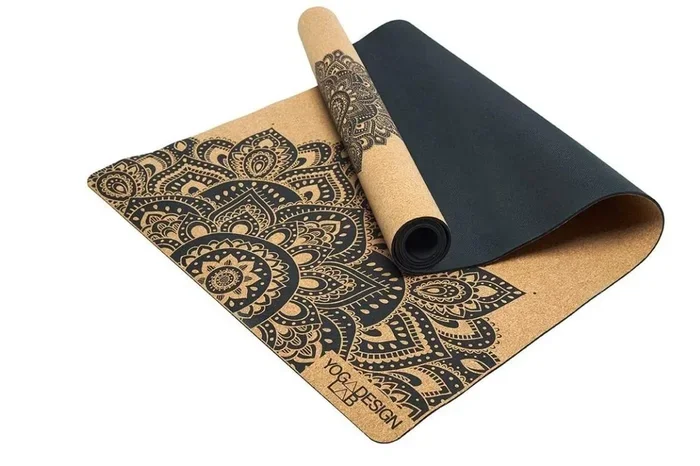
Cork is a natural material harvested from the bark of cork oak trees. Unlike synthetic mats made from PVC or TPE, cork yoga mats are biodegradable and sustainable. The material has natural antimicrobial properties, which means it resists bacteria and odor better than many other mat types.
These mats also offer a unique combination of cushioning and stability. The cork surface provides excellent traction, especially when it becomes slightly damp from sweat. This makes cork mats a popular choice for hot yoga and vigorous practices.
Natural Material Benefits
- Biodegradable and eco-friendly — cork breaks down naturally and does not pollute the environment.
- Antimicrobial properties — the material resists bacteria, mold, and mildew growth.
- Non-slip surface — cork grips better as you sweat, unlike some synthetic mats that become slippery.
- Lightweight — cork mats are easier to carry than many rubber alternatives.
- Aesthetically pleasing — the natural grain and warm tones look beautiful on any studio floor.
Because cork is a natural material, it does behave differently than synthetic options over time. Understanding these differences helps you set realistic expectations for your mat’s lifespan.
How Long Do Cork Yoga Mats Last on Average
The typical lifespan of a cork yoga mat ranges from 2 to 5 years. This range depends heavily on how frequently you use the mat and the level of care you provide. A casual practitioner who practices twice a week can expect their mat to last closer to the 5-year mark. A daily practitioner may see wear within 2 to 3 years.
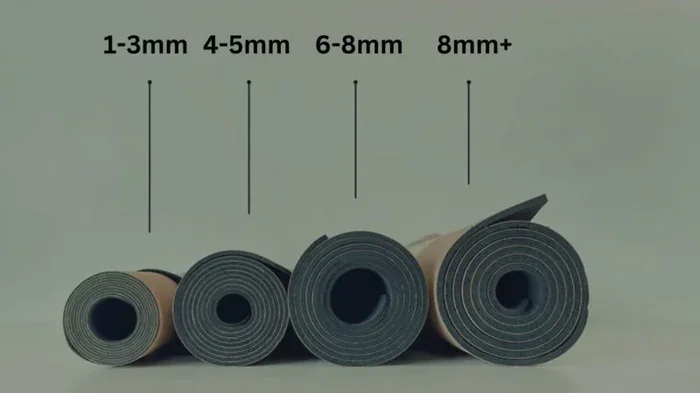
Several factors influence this timeline. The quality of the cork layer, the thickness of the mat, and the base material all play a role. Higher-end mats with thicker cork layers tend to hold up better over time. Budget options may show signs of wear sooner.
Factors That Affect Cork Yoga Mat Lifespan
- Frequency of use — more sessions per week means faster wear and tear.
- Body weight and pressure — heavier practitioners may compress the mat more over time.
- Sweat exposure — frequent sweat can break down natural materials if not cleaned properly.
- Storage conditions — leaving a mat in direct sunlight or extreme heat damages cork.
- Cleaning routine — regular cleaning prevents buildup that degrades the surface.
- Mat thickness — thicker mats tend to last longer because they resist compression better.
- Brand and quality — premium cork mats use denser, more durable cork layers.
One thing to keep in mind is that cork mats feel different over time. The surface may soften slightly, which is normal and does not always mean the mat needs replacing. Understanding what changes are natural versus problematic helps you decide when to act.
How to Extend the Life of Your Cork Yoga Mat
Proper care makes a huge difference in how long your cork yoga mat lasts. A few simple habits can add years to your mat’s life and keep it performing like new. Below are the most effective strategies for maintaining your cork mat.
Clean Your Mat Regularly
After every practice, wipe down your mat with a damp cloth. For deeper cleaning, use a mild, natural cleaner diluted in water. Avoid harsh chemicals and synthetic sprays, as these can break down the cork surface over time. Let your mat air dry completely before rolling it up or storing it.
Store Your Mat Properly
- Never leave your mat in direct sunlight or inside a hot car.
- Store it in a cool, dry place away from heat sources.
- Do not fold your cork mat — roll it instead to prevent cracking.
- Use a mat bag or strap to keep it protected during transport.
Avoid Excessive Moisture Buildup
While cork handles sweat well during practice, leaving moisture on the mat after your session causes problems. Always dry your mat thoroughly after cleaning or wiping it down. Moisture trapped under a rolled-up mat can lead to mold and mildew, which shortens the mat’s life significantly.
Rotate Your Mat
If you practice frequently, consider having two mats and rotating them. This gives each mat time to fully dry and recover between sessions. It also distributes wear more evenly and can effectively double the useful life of your cork yoga mats.
Signs Your Cork Yoga Mat Needs Replacing
Even with the best care, every mat eventually reaches the end of its useful life. Recognizing the warning signs early helps you avoid injuries and maintain a quality practice. Here are the key indicators that your cork mat needs replacing.
Loss of Grip and Traction
One of the main reasons people choose cork mats is the superior grip. When the surface starts to feel slippery or smooth, the cork has worn down. This is especially noticeable during sweaty sessions when you need traction the most. A mat that no longer grips properly increases the risk of slipping and injury.
Visible Thinning or Peeling
Over time, the cork layer can thin out, especially in high-contact areas like where your hands and knees rest. If you notice peeling, flaking, or patches where the cork layer separates from the base, it is time for a new mat. These issues affect both performance and hygiene.
Persistent Odor
Cork mats are naturally odor-resistant, so a strong or persistent smell is a red flag. This usually means bacteria have built up deep within the mat and cleaning is no longer effective. At this point, replacing the mat is the safest choice for your health.
Discomfort During Practice
If your mat feels too thin or hard, the cushioning has compressed beyond recovery. This affects your joints and overall comfort during poses. A mat that no longer supports your body properly can lead to strain and discomfort over time.
Tearing or Cracking
Physical damage like tears, cracks, or holes in the cork surface is a clear sign of a mat past its prime. These defects not only affect your practice but can also harbor bacteria in the damaged areas.
How Cork Yoga Mats Compare to Other Mat Types
Understanding how cork stacks up against other popular mat materials gives you better context for its lifespan and value. Below is a comparison of common mat types and their expected durability.
| Mat Type | Average Lifespan | Durability Rating | Eco-Friendly |
|---|---|---|---|
| Cork Yoga Mat | 2-5 years | High | Yes |
| PVC Mat | 1-3 years | Medium | No |
| TPE Mat | 1-2 years | Medium-Low | Partial |
| Natural Rubber Mat | 2-4 years | High | Yes |
| Cotton Mat | 1-3 years | Low-Medium | Yes |
Cork yoga mats hold their own well against other natural options like rubber. They often last longer than PVC and TPE mats, which tend to degrade faster from sweat and heat exposure. The trade-off is that cork mats usually cost more upfront, but their longer lifespan makes them a cost-effective choice in the long run.
If you are deciding between mat types, consider how long you plan to keep each mat and how much you practice. For dedicated yogis, a cork mat is often the best investment. You might also want to check how big of a yoga mat you need to make sure you are choosing the right size for longevity and comfort.
Common Mistakes That Shorten Cork Yoga Mat Life
Many yogis unknowingly shorten the life of their cork mats with everyday habits. Avoiding these common mistakes can add years to your mat’s lifespan.
Skipping the Post-Practice Wipe Down
Leaving sweat on your cork mat after practice creates a breeding ground for bacteria. Over time, this breaks down the cork surface and causes odor. A quick wipe after every session takes less than a minute and pays off big time.
Using Harsh Cleaning Products
Chemical cleaners strip the natural oils from cork and degrade the surface. Stick to gentle, natural cleaners or simply use water with a splash of white vinegar. Your mat will thank you for it.
Rolling the Mat Too Tightly
Cork needs room to breathe. Rolling your mat too tightly creates pressure points and can cause cracking or warping over time. Keep the roll loose and use a strap to hold it together.
Leaving the Mat Unrolled for Days
While cork mats are great unrolled during practice, leaving them unrolled for extended periods exposes them to dust, sunlight, and air damage. Roll your mat up after each use and store it properly.
Placing the Mat on Rough Surfaces
Using your cork mat on rough or abrasive surfaces like concrete or gravel scratches and wears down the cork layer. Always use your mat on a clean, smooth surface. Placing a towel underneath can also help protect the mat during outdoor practices.
When to Upgrade Your Cork Yoga Mat
Knowing when to upgrade is just as important as knowing how to care for your mat. Most yogis upgrade their cork yoga mat every 3 to 4 years, even if it is still functional. This is because newer mats offer better grip, more cushioning, and improved materials as technology advances.
If you notice any of the warning signs discussed above, do not wait too long to replace your mat. Practicing on a worn-out mat can lead to slips, reduced support, and even joint pain over time. Your mat is the foundation of your practice, and investing in a quality replacement pays off in every session.
Also consider upgrading if your practice has changed. If you have started practicing more frequently or trying new styles like power yoga or hot yoga, you may benefit from a thicker or denser cork mat. You can learn more about choosing the right mat dimensions here to make sure your new mat fits your needs perfectly.
Final Thoughts
How long do cork yoga mats last depends largely on you and how well you care for your mat. With proper cleaning, smart storage, and regular maintenance, a cork yoga mat can easily last 2 to 5 years or more. This makes cork one of the most durable and sustainable options available for yoga practitioners.
Pay attention to the signs of wear, avoid common mistakes, and treat your mat as the valuable tool it is. A well-maintained cork mat not only supports your practice but also aligns with a sustainable, eco-conscious lifestyle. Take care of your mat, and it will take care of you for years to come.
Remember that every practice session is an opportunity to care for your mat too. Small habits like wiping it down, rolling it properly, and storing it in the right place add up to a longer, healthier lifespan for your cork yoga mat. Your future self — and your joints — will thank you.
Frequently Asked Questions
How long does a cork yoga mat typically last with daily use?
With daily use, a cork yoga mat generally lasts between 2 and 3 years. The frequency of use is the biggest factor in determining lifespan. Daily practitioners should pay extra attention to cleaning and storage to maximize their mat’s durability and grip over time.
Can I extend my cork yoga mat’s lifespan beyond 5 years?
Yes, it is possible to extend a cork yoga mat’s life beyond 5 years with excellent care habits. Regular cleaning, proper storage away from heat and sunlight, and avoiding harsh chemicals all contribute to a longer-lasting mat. However, the cork layer will naturally wear down over time regardless of care efforts.
Is it safe to practice on a worn-out cork yoga mat?
Practicing on a worn-out cork mat is not recommended. A mat that has lost its grip or developed thinning spots increases the risk of slipping and injury. If your mat shows signs of significant wear, it is time to replace it to keep your practice safe and effective.
What is the best way to clean a cork yoga mat?
The best way to clean a cork yoga mat is with a damp cloth and a mild, natural cleaner. Mix a few drops of gentle soap with water or use a diluted white vinegar solution. Wipe the surface gently, rinse with a clean damp cloth, and let the mat air dry completely before storing it.
Do cork yoga mats wear out faster than rubber mats?
Cork yoga mats generally last as long as or longer than natural rubber mats when properly cared for. Both materials are natural and durable. However, cork is more resistant to bacteria and odor, which can give it a practical longevity advantage over rubber in many practice settings.
Should I replace my cork yoga mat if it starts to smell?
Yes, a persistent smell on a cork yoga mat usually indicates deep bacterial buildup that cleaning cannot resolve. Even with regular washing, some mats develop odors over time that signal the material has degraded. In this case, replacing the mat is the safest choice for your health and hygiene.