How Long Do Jade Yoga Mats Last 2

Jade yoga mats are known for their exceptional quality and eco-friendly materials, but even the best mat wears down over time. On average, a jade yoga mat can last between 3 to 5 years with proper care. Your usage frequency, cleaning habits, and storage conditions all play a major role in determining how long your mat stays in top shape.
You invested in a jade yoga mat because you wanted something premium, natural, and built to last. But let us be honest. Even the best gear takes a beating over time. Sweat, pressure, and daily use all add up. So the big question remains: how long do jade yoga mats actually last?
The answer depends on several factors. Your practice style matters. How often you practice matters. And honestly, how well you take care of the mat matters most. In this guide, we will walk through everything you need to know about the lifespan of a jade yoga mat. We will cover what to expect, what speeds up wear, and how to get the most miles out of your investment.
Whether you are a daily practitioner or a casual yogi, understanding mat longevity helps you make smarter buying decisions. Let us dive in.
Key Takeaways
- Average Lifespan: A well-maintained jade yoga mat typically lasts 3 to 5 years.
- Material Quality: Natural jade and rubber blends contribute to superior durability compared to cheap PVC mats.
- Care Matters: Regular cleaning and proper storage can extend your mat’s life significantly.
- Signs of Wear: Slipping, thinning, and odor are clear indicators that replacement is needed.
- Size and Thickness: Choosing the right mat length and thickness from the start helps maximize longevity.
- Eco-Friendly Bonus: Jade mats are sustainable, making them a worthwhile long-term investment.
📑 Table of Contents
- What Makes Jade Yoga Mats Different
- Average Lifespan of a Jade Yoga Mat
- Signs Your Jade Yoga Mat Is Worn Out
- How to Extend the Life of Your Jade Yoga Mat
- Jade Yoga Mat vs. Other Mat Types: Durability Comparison
- When Should You Replace Your Jade Yoga Mat
- Common Mistakes That Shorten Mat Life
- Expert Tips for Maximizing Jade Mat Durability
- Final Thoughts
What Makes Jade Yoga Mats Different
Jade yoga mats stand out from the crowd. They are made from natural materials, primarily natural rubber and jade dust or jade-infused surfaces. This combination gives them a unique feel and grip that many yogis love. But it also affects how long they last.
Unlike cheap PVC mats that crack and peel, jade mats are designed with durability in mind. The natural rubber base provides excellent cushioning and support. The jade-infused top layer offers a smooth, non-slip surface that improves with use. Over time, the mat conforms to your body and becomes more comfortable.
However, natural materials also mean natural vulnerabilities. Rubber can degrade when exposed to certain conditions. The jade surface can wear down if not cared for properly. Understanding these factors is the first step toward extending your mat’s life.
Natural Rubber Base
The rubber base is the backbone of your jade mat. It provides structure, cushioning, and grip from below. High-quality natural rubber is resilient and flexible. It bounces back after pressure and holds up well against repeated use. But rubber is also sensitive to heat, sunlight, and certain cleaning products. Exposure to these elements can cause the rubber to break down faster than expected.
Jade-Infused Surface
The jade-infused top layer is what gives these mats their name and their signature grip. Jade particles are mixed into the surface material to create a micro-textured grip. This texture helps your hands and feet stay in place during poses. The jade layer also has natural antimicrobial properties, which helps resist bacteria and odor buildup. But the surface can wear smooth over time, especially if you practice barefoot frequently or use sharp nails.
Average Lifespan of a Jade Yoga Mat
So how long can you expect your jade yoga mat to last? The general consensus among yogis and manufacturers is 3 to 5 years. But this is just an average. Your actual experience may vary quite a bit.
Here is a breakdown of what to expect based on usage frequency:
- Daily Practice (5-7 times per week): Expect 2 to 3 years of reliable use. Heavy daily use wears down the surface faster.
- Regular Practice (3-4 times per week): A jade mat should last 3 to 5 years with proper care.
- Casual Practice (1-2 times per week): Your mat can easily last 5 to 7 years or more.
These numbers assume you are caring for your mat properly. If you neglect cleaning and storage, expect the lower end of each range. On the flip side, diligent care can push your mat past the upper estimates.
Factors That Affect Mat Longevity
Several key factors determine how long your jade yoga mat will last. Let us look at each one closely.
Usage Frequency. The more you use your mat, the faster it wears. This is simple physics. Every session adds micro-abrasions to the surface. Over hundreds of sessions, these tiny marks accumulate and affect grip and cushioning.
Body Weight and Style. Heavier practitioners put more pressure on the mat. Dynamic styles like Vinyasa or Ashtanga involve more sliding and gripping, which wears the surface faster. Gentle styles like Yin or Restorative yoga are much easier on the mat.
Environment. Where you practice matters. Hot yoga in a heated room accelerates rubber degradation. Practicing outdoors exposes the mat to UV rays and dirt. Indoor practice on a clean surface is the gentlest option for your mat.
Cleaning Habits. How often and how you clean your mat has a huge impact. We will cover this in detail below. But the short version is: regular gentle cleaning extends life, while harsh chemicals or neglect shorten it.
Signs Your Jade Yoga Mat Is Worn Out
Knowing when to replace your mat is just as important as knowing how long it should last. Using a worn-out mat can affect your practice and even cause injuries. Here are the clear signs that your jade yoga mat is past its prime.
Loss of Grip
This is the most common and noticeable sign. When the jade-infused surface wears down, it loses its micro-texture. Your hands and feet start slipping during poses, especially in sweaty sessions like hot yoga. If you find yourself constantly adjusting your grip or sliding in Downward Dog, it is time to assess your mat’s condition.
Thinning or Compression
Over time, the rubber base compresses and loses its bounce. You may notice that the mat feels thinner than when you first bought it. Areas where you place the most pressure, like under your knees or palms, may show visible wear. A thin mat offers less cushioning, which can cause joint discomfort during practice.
Persistent Odor
Jade mats have natural antimicrobial properties that help resist odor. But over time, sweat and bacteria can build up beyond what the mat can handle naturally. If your mat still smells bad even after thorough cleaning, the material may be breaking down and harboring bacteria in its worn surface.
Cracking or Peeling
Check the surface and edges of your mat regularly. Small cracks or peeling edges indicate that the materials are degrading. This can happen from exposure to heat, sunlight, or harsh cleaning products. Once cracking starts, it will continue and spread. A mat with visible cracks should be replaced for safety and hygiene reasons.
Stains That Will Not Come Out
Some discoloration is normal with regular use. But deep, set-in stains that survive multiple cleaning attempts suggest the mat’s surface has become porous due to wear. At this point, the mat is likely harboring bacteria in the stained areas, and replacement is the healthier choice.
How to Extend the Life of Your Jade Yoga Mat
The good news is that you have a lot of control over how long your jade yoga mat lasts. Simple care habits can add years to its lifespan. Here are the most effective ways to keep your mat in great condition.
Clean Your Mat After Every Use
Sweat, dirt, and oils from your skin build up on the mat’s surface over time. This grime breaks down the material and creates a breeding ground for bacteria. Wipe your mat down with a gentle mat cleaner or a mixture of water and mild dish soap after each session. Avoid harsh chemicals like bleach or alcohol, which can degrade the natural rubber and jade surface.
For a deeper clean, give your mat a gentle wash with lukewarm water once a week. Hang it to dry completely before rolling it up. Never store a damp mat, as moisture trapped inside can cause mold and mildew.
Store Your Mat Properly
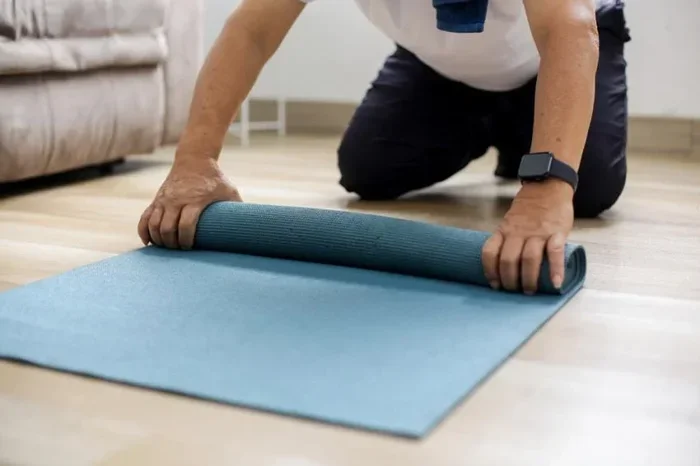
How you store your mat when you are not using it matters more than you might think. Roll your mat loosely with the jade side facing outward. Rolling it too tightly or in the same direction every time can cause creasing and uneven wear.
Store your mat in a cool, dry place away from direct sunlight. UV rays break down rubber quickly, and heat accelerates the degradation process. A closet or a mat bag works great. Avoid leaving your mat in a hot car or near a heater.
Use a Towel During Hot Practices
If you practice hot yoga or tend to sweat heavily, consider using a yoga towel over your mat. The towel absorbs excess moisture and reduces the direct contact between sweat and the jade surface. This simple habit can significantly extend the life of your mat by reducing surface wear and bacterial buildup.
Avoid Sharp Objects and Rough Surfaces
Keep your mat away from sharp jewelry, nails, and rough surfaces like concrete or gravel. These can puncture or scratch the jade surface and the rubber base. Always unroll your mat on a clean, smooth floor before practicing.
Rotate Your Mat
If you practice frequently, consider having two mats and rotating them. This gives each mat time to dry out fully between uses and reduces the overall wear on any single mat. It is a simple strategy that many dedicated yogis swear by.
Jade Yoga Mat vs. Other Mat Types: Durability Comparison
To truly appreciate how long jade yoga mats last, it helps to compare them with other popular mat types. Here is a quick comparison table:
| Mat Type | Average Lifespan | Durability | Grip Over Time |
|---|---|---|---|
| Jade Yoga Mat | 3-5 years | High | Excellent initially, gradual wear |
| PVC Mat | 1-2 years | Low to Medium | Good initially, declines quickly |
| TPE Mat | 2-3 years | Medium | Moderate, varies by brand |
| Cotton Mat | 2-4 years | Medium | Good, requires frequent washing |
| Rubber Mat (Non-Jade) | 3-5 years | High | Excellent, similar to jade |
As you can see, jade yoga mats hold their own against other premium options. They outlast PVC and TPE mats by a good margin and compete closely with natural rubber mats. The key difference is that jade mats combine the durability of rubber with the antimicrobial benefits of jade particles, giving them a slight edge in hygiene and long-term grip.
If you are deciding on the right mat length for your needs, keep in mind that a properly sized mat will also last longer because it reduces unnecessary folding or over-stretching during practice.
When Should You Replace Your Jade Yoga Mat
Replacing your mat is not something to put off. A worn-out mat can compromise your practice and even lead to injuries. Here are the situations where replacement makes sense.
If your mat has lost its grip and you are slipping regularly during poses, it is no longer serving you safely. Grip is essential for balance and stability, especially in standing poses and transitions. A mat that causes you to slip is a mat that needs to go.
Visible thinning or compression is another clear signal. When the cushioning disappears, your joints take the impact. This is especially important for practitioners with knee, wrist, or back sensitivities. A mat should protect your body, not add to the stress.
Persistent odors and deep stains that will not clean are hygiene concerns. Even with the best cleaning routine, a degraded mat can harbor bacteria. If your mat smells bad no matter what you do, trust your instincts and replace it.
Finally, if your mat is cracking, peeling, or showing signs of material breakdown, it is time for a new one. Continuing to use a damaged mat can introduce rubber particles and bacteria into your practice space.
When the time comes to choose a new mat, consider your body size and practice style. The right mat size and thickness for your body will give you the best experience and help your new mat last as long as possible.
Common Mistakes That Shorten Mat Life
Many yogis unknowingly shorten the life of their jade yoga mat. Here are the most common mistakes and how to avoid them.
- Using harsh cleaning products. Bleach, alcohol, and strong detergents break down natural rubber and jade particles. Stick to mild, natural cleaners.
- Leaving the mat in direct sunlight. UV rays are a rubber mat’s worst enemy. Always store your mat away from windows and direct heat.
- Rolling the mat too tightly. This causes creasing and can lead to cracks in the rubber base over time. Roll loosely and alternate the rolling direction.
- Skipping the drying step. Storing a damp mat invites mold and mildew. Always air-dry your mat fully before storing it.
- Practicing on rough surfaces. Concrete, gravel, and coarse floors scratch and wear the mat’s surface. Always practice on a clean, smooth floor.
- Ignoring early signs of wear. Small slipping or thinning today becomes a major problem tomorrow. Address minor wear early with extra care and cleaning.
By avoiding these mistakes, you can significantly extend the lifespan of your jade yoga mat and get the best return on your investment.
Expert Tips for Maximizing Jade Mat Durability
We asked experienced yoga instructors and mat care specialists for their top tips. Here is what they recommend.
Tip 1: Invest in a mat spray. A quality mat spray designed for natural rubber mats can clean and condition the surface at the same time. Look for sprays with natural ingredients and no harsh chemicals.
Tip 2: Let your mat breathe. After practice, unroll your mat and let it lay flat for a few hours. This allows moisture to evaporate evenly and prevents trapped dampness that can degrade the rubber.
Tip 3: Trim your nails. Long or sharp fingernails can scratch the jade surface over time. Keeping your nails trimmed is a simple habit that protects your mat’s grip.
Tip 4: Avoid lotions before practice. Lotions and oils on your skin transfer to the mat and can break down the surface material faster. Try to practice with clean, lotion-free skin.
Tip 5: Refresh the grip naturally. If your mat starts to feel less grippy, try sprinkling a small amount of coarse salt on the surface, letting it sit for a few minutes, and then wiping it off. This can temporarily restore the micro-texture of the jade surface.
Final Thoughts
A jade yoga mat is a significant investment, and you want it to last. The good news is that with the right care and attention, your jade mat can serve you well for 3 to 5 years or even longer. The key is consistency. Clean your mat regularly, store it properly, and address early signs of wear before they become serious problems.
Understanding the factors that affect mat longevity empowers you to make the most of your practice gear. From usage frequency to cleaning habits, every choice you make has an impact. By following the tips in this guide, you can enjoy a safe, grippy, and comfortable practice for years to come.
Remember, your mat is the foundation of your yoga practice. Treat it well, and it will support you through thousands of sessions. Take care of your jade yoga mat today, and it will reward you with reliable performance tomorrow.
When the time comes to choose a new mat or assess your current one, keep these guidelines in mind. And if you are curious about the right mat dimensions for your body, be sure to check out our guide on finding the perfect fit. Your future self and your mat will thank you.
Frequently Asked Questions
How often should I clean my jade yoga mat?
You should wipe down your jade yoga mat after every use with a gentle cleaner or damp cloth. For a deeper clean, wash it with mild soap and lukewarm water once a week. Regular cleaning prevents sweat and bacteria buildup, which helps extend the mat’s lifespan significantly.
Can I use bleach or alcohol to clean my jade yoga mat?
No, you should never use bleach, alcohol, or harsh chemicals on a jade yoga mat. These substances break down the natural rubber and jade surface, causing cracking, peeling, and loss of grip. Stick to mild, natural cleaners designed for yoga mats.
How do I know if my jade yoga mat is too worn to use safely?
Signs that your jade yoga mat is too worn include persistent slipping during poses, visible thinning or compression, cracking or peeling of the surface, and odors that do not go away after cleaning. If you experience any of these issues, it is time to replace your mat to avoid injury.
Does practicing hot yoga shorten the life of a jade yoga mat?
Yes, hot yoga can shorten the lifespan of a jade yoga mat. The heat and heavy sweating accelerate rubber degradation and break down the jade surface faster. If you practice hot yoga frequently, consider using a yoga towel over your mat and cleaning it thoroughly after every session.
What is the best way to store a jade yoga mat?
The best way to store a jade yoga mat is rolled loosely in a cool, dry place away from direct sunlight. Avoid leaving it in a hot car or near heaters. Always make sure the mat is completely dry before storing it to prevent mold and mildew growth.
How does body weight affect jade yoga mat durability?
Heavier practitioners put more pressure on the mat, which can cause faster compression and surface wear. If you are a heavier practitioner, consider choosing a thicker jade mat for extra cushioning and longevity. Regular care and proper cleaning become even more important to maximize the mat’s lifespan.