How Thick Should a Yoga Mat Be 2
The ideal yoga mat thickness depends on your practice style, body type, and the surface you’re working on. A standard 6mm mat offers the perfect balance of cushioning and stability for most yogis, while thicker 8mm or 10mm options provide extra joint support for restorative or gentle sessions. This guide breaks down everything you need to know about mat thickness, so you can choose the right one for your needs and elevate your practice.
How Thick Should a Yoga Mat Be 2
The how thick should a yoga mat be 2 question comes up constantly among yoga lovers of all levels. Whether you are a complete beginner or a seasoned practitioner, mat thickness changes everything about your practice. A mat that is too thin leaves your knees and wrists aching. A mat that is too thick makes balancing feel wobbly and unstable.
In this guide, we break down the ideal yoga mat thickness for every body type, skill level, and style of practice. You will learn what the numbers mean, when to go thick versus thin, and how to pick the right mat cushioning for your joints. By the end, you will feel confident choosing a thick yoga mat or a thin yoga mat that actually works for you.
We also cover real-world examples, common pitfalls, and expert-backed advice so you never have to guess again. Let us get into it.
Key Takeaways
- Choose 3-5mm for balanced support: This range suits most yoga styles and body types.
- Opt for 6mm or thicker: Extra cushioning protects joints during long holds and kneeling poses.
- Thin mats under 3mm work best: They are ideal for travel and gentle or restorative practices.
- Material matters as much as thickness: Choose quality TPE or rubber for grip and durability.
- Test your mat before buying: Hold key poses to check stability and comfort at your chosen thickness.
- Match thickness to your practice type: Vinyasa needs thinner mats; Yin and Hatha benefit from thicker options.
📑 Table of Contents
Understanding Yoga Mat Thickness
Not all mats are created equal. The thickness of your mat directly affects comfort, stability, and overall performance during a session. When people ask how thick should a yoga mat be 2, they usually want a clear number they can trust. But the truth is that the right thickness depends on several factors.
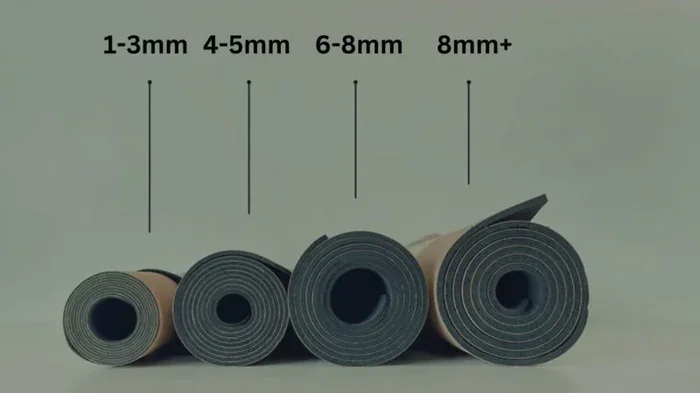
Most standard yoga mats range from about 3mm to 8mm. Some extra-thick options go even beyond 8mm. Here is a quick look at what these numbers mean in practice:
- 3mm to 5mm: These are thin yoga mats. They offer close contact with the floor and excellent stability. Great for balance poses and experienced practitioners.
- 6mm: This is the most popular middle ground. It provides solid cushioning without sacrificing balance.
- 8mm to 10mm: These are thick yoga mats. They give generous joint protection and are ideal for restorative or gentle yoga.
- 12mm and above: Extra-thick mats. Best for people with joint issues or those doing floor-based recovery work.
When you search for how thick should a yoga mat be 2, you are really asking about your personal needs. A mat that works for a 200-pound advanced practitioner might not suit a 120-pound beginner at all.
Why Thickness Matters for Joint Health
Your wrists, knees, elbows, and hips take the brunt of impact during yoga. Especially in poses like Downward Dog, Cobra, or Child’s Pose, the mat acts as a buffer between your bones and the hard floor. A thick yoga mat absorbs more shock, which reduces pressure on sensitive joints.
On the flip side, a thin yoga mat keeps you grounded. This matters a lot in standing poses like Tree Pose or Warrior III, where a squishy surface can throw off your balance. The key is finding the sweet spot between comfort and stability.
Best Thickness Levels for Different Needs
Not everyone needs the same mat thickness. Your body weight, practice style, and physical condition all play a role. Let us walk through the best options for different scenarios.
For Beginners
If you are just starting out, a 6mm yoga mat is usually the safest bet. It gives you enough cushioning to protect your joints while still being stable enough to learn basic poses without wobbling. Beginners often struggle with balance already, so adding too much thickness can make things harder.
Check out our detailed guide on how thick should a yoga mat be for beginners for more tailored advice on getting started.
For Pilates and Low-Impact Work
Pilates focuses on controlled, precise movements. Many Pilates exercises are done on the mat with lots of spinal articulation and core engagement. A slightly thicker mat helps here because you spend more time lying on the floor. A 6mm to 8mm mat works well for most Pilates sessions.
For a deeper dive into Pilates-specific thickness needs, see our article on how thick should a yoga mat be for pilates.
For Advanced Balancing and Vinyasa Flow
Advanced practitioners who flow through poses quickly need a mat that stays put and feels firm underfoot. A 4mm to 5mm mat gives the responsiveness needed for rapid transitions. Thicker mats can feel like you are standing on a mattress, which throws off your alignment.
For People with Joint Pain or Sensitive Knees
If you have knee issues, wrist pain, or lower back sensitivity, a thicker mat is your best friend. An 8mm or 10mm mat provides the extra padding that keeps pressure off sore joints. People recovering from injuries or dealing with arthritis often prefer the plush feel of a thicker surface.
How to Choose the Right Thickness for You
Choosing the right thickness comes down to a few simple checks. You do not need to be an expert to make the right call. Just follow these steps and you will find your ideal mat thickness in no time.
Step 1: Consider Your Body Weight
Heavier bodies need more cushioning. If you weigh over 180 pounds, a 6mm to 8mm mat will give you the support you need without bottoming out. Lighter individuals can often get away with a 4mm to 5mm mat because they naturally compress the material less.
Step 2: Think About Your Practice Style
Are you doing fast-paced Vinyasa or slow restorative yoga? Fast styles need a firm, thinner mat. Slow, floor-based styles benefit from extra thickness. If you mix styles, a 6mm standard mat covers most bases.
Step 3: Test the Mat Before Committing
Whenever possible, try the mat in person. Stand on it, do a few poses, and pay attention to how your joints feel. A mat that feels great in the store might not work the same way during a full 60-minute session. Always test for at least five minutes.
Step 4: Factor in Portability
Thicker mats are heavier and bulkier. If you carry your mat to the studio or travel often, a thinner mat saves space and weight. Some people solve this by owning two mats: a thin one for travel and a thick one for home use.
Quick Tips for Choosing Mat Thickness
- Always match thickness to your primary practice style.
- Do not choose a mat based on looks alone. Thickness is about function.
- If you are between two sizes, go slightly thicker for comfort.
- High-density foam or rubber mats can feel thinner than they actually are because they are firmer.
Thick vs Thin Yoga Mats Compared
The debate between thick and thin mats is one of the most common discussions in the yoga world. Both options have clear strengths and weaknesses. Here is a side-by-side comparison to help you decide.
| Feature | Thin Mat (3-5mm) | Standard Mat (6mm) | Thick Mat (8-12mm) |
|---|---|---|---|
| Stability | Excellent | Very Good | Moderate |
| Cushioning | Minimal | Good | Excellent |
| Joint Protection | Low | Moderate | High |
| Portability | Very Easy | Easy | Difficult |
| Best For | Advanced flow, travel | All-around use | Restorative, joint support |
| Price Range | Budget-friendly | Mid-range | Higher end |
| Balance Poses | Best | Very Good | Challenging |
As you can see from the table, there is no single winner. The best choice depends entirely on what you value most in your practice. If stability and portability matter most, go thin. If comfort and joint protection are priorities, go thick.
Expert Insight on Thickness and Material
Many people confuse thickness with density. A thick mat made from low-density foam will feel soft but compress quickly under pressure. A thinner mat made from high-density rubber feels firm but offers excellent support. When researching how thick should a yoga mat be 2, always consider density alongside thickness. They work together to determine how the mat actually feels under your body.
For more guidance on balancing thickness with budget, check out how much should you spend on a yoga mat to make sure you are getting the best value.
Common Mistakes When Choosing Mat Thickness
Even experienced yogis sometimes make poor choices when picking mat thickness. Here are the most common mistakes and how to avoid them.
Choosing Based on Someone Else’s Recommendation
Your friend loves her 10mm mat, but that does not mean it is right for you. Body weight, practice style, and joint sensitivity are all unique. Always choose based on your own needs, not someone else’s preference.
Ignoring Floor Type
Hard wood floors and concrete need more cushioning than carpeted surfaces. If you practice on a hard surface, lean toward a thicker mat. On carpet, a thinner mat works just fine because the carpet already adds a layer of softness.
Overlooking Mat Width and Length
Thickness is not the only dimension that matters. A thick but narrow mat can still leave your knees hanging off the edge. Make sure you consider all dimensions together when shopping. For guidance on overall mat sizing, read how big of a yoga mat do I need 2.
Assuming Thicker Always Means Better
This is the biggest misconception. A thicker mat is not automatically a better mat. In many cases, a standard 6mm mat outperforms a 12mm mat in terms of stability, grip, and overall workout quality. More thickness does not equal better practice.
Not Testing Before Buying
Online shopping is convenient, but you cannot feel the mat before it arrives. If you are unsure about thickness, visit a store first or buy from a retailer with a good return policy. Testing in person saves you from the frustration of a mat that does not suit your body.
Final Thoughts on Finding Your Ideal Mat Thickness
So, how thick should a yoga mat be? The honest answer is that it depends on you. Your body, your practice, and your preferences all shape the right choice. There is no one-size-fits-all answer, and that is exactly what makes this topic so important to get right.
If you are a beginner, start with a 6mm standard mat. It is the safest, most versatile option. If you have joint pain, lean toward 8mm or 10mm. If you are an advanced practitioner who values stability, a 4mm to 5mm mat will serve you well.
The how thick should a yoga mat be 2 discussion is really about understanding your own body and practice. Once you know what you need, the decision becomes simple. Trust your body, test different options, and do not be afraid to switch mats as your practice evolves.
Remember that the best mat is the one that makes you want to show up on the mat every day. Comfort, stability, and personal fit matter more than any single number on the label. Choose wisely, practice often, and enjoy every moment on your mat.
Frequently Asked Questions
How Thick Should a Yoga Mat Be 2 Guide Cover the Best Thickness?
A good yoga mat typically ranges from 3mm to 6mm, with 5mm being the sweet spot for most practitioners. The second edition of this guide breaks down how your practice style, body weight, and joint sensitivity should influence your choice. Always test the thickness in person if possible before committing.
Is a Thicker Yoga Mat Always Better for Joint Support?
Thicker mats around 6mm or more cushion your knees and wrists, making them ideal for sensitive joints. However, overly thick mats can reduce stability, especially during balance poses. A medium thickness often offers the best compromise between comfort and control.
What Thickness Works Best for Beginners Starting Their Yoga Journey?
Beginners usually benefit from a mat that is about 4mm to 5mm thick because it provides enough padding without feeling unstable. Thinner mats below 3mm can feel too hard on the floor, while very thick ones may make standing poses wobbly. Start with a mid-range thickness and adjust as you learn what your body needs.
How Does Mat Thickness Affect Balance and Stability During Poses?
A thinner mat, around 3mm, keeps you closer to the ground and gives you a firmer base for balance work. Thicker mats create more cushioning but can feel squishy when you shift your weight. If you practice a lot of standing poses, a thinner or medium-thick mat will serve you better.
Can You Use Two Yoga Mats Stacked for Extra Cushioning?
Yes, stacking two mats is a popular trick for extra padding on hard floors. This works well if your mat is already thin and you want to avoid buying a thicker one. Just be aware that two mats can slide around more, so choose ones with good grip on both sides.
What Is the Ideal Thickness for Travel Yoga Mats?
Travel yoga mats are usually between 1.5mm and 3mm thick to keep them lightweight and easy to carry. They offer less cushioning but are much more portable than standard mats. If you travel often, look for a mat that balances thinness with enough comfort for short sessions.