How to Choose a Yoga Mat for Beginners
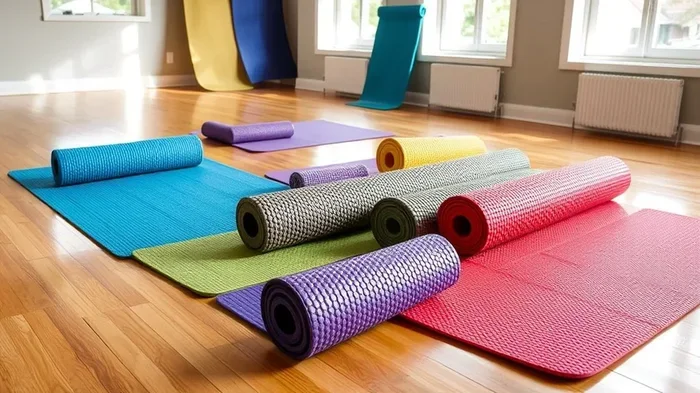
Choosing the right yoga mat as a beginner can feel overwhelming, but this guide breaks it down into simple steps. You will learn about mat thickness, materials, grip, and size so you can pick the perfect mat for your body and practice. We cover budget options, eco-friendly choices, and expert tips to help you avoid common mistakes.
Starting a yoga practice is exciting. But one of the first decisions you will face is picking the right mat. A good yoga mat does more than just keep you off the floor. It gives you cushion, grip, and stability. For beginners, choosing the wrong mat can lead to slipping, discomfort, or even quitting the practice altogether.
This guide walks you through everything you need to know about how to choose a yoga mat for beginners. We keep it simple and practical. No jargon. No confusing specs. Just clear advice that helps you make a confident choice. By the end, you will know exactly what to look for and why it matters.
Before we dive in, it is worth noting that what to look for in a good yoga mat goes beyond just price. Things like thickness, material, texture, and size all play a role. We will break each one down so you can shop with confidence.
Key Takeaways
- Mat thickness matters most: A thicker mat offers more cushion, but too thick can make balancing poses harder for beginners.
- Material affects everything: TPE, PVC, and natural rubber mats each have different grip, durability, and eco-friendly benefits.
- Size and weight are practical: Choose a mat that fits your body height and is easy to carry to and from class.
- Grip prevents slipping: A good yoga mat should keep your hands and feet stable, especially during hot or sweaty sessions.
- Budget-friendly options exist: You do not need to spend a fortune to get a quality mat that works well for starting out.
📑 Table of Contents
- Why Your Yoga Mat Choice Matters as a Beginner
- Understanding Yoga Mat Materials
- Yoga Mat Size and Weight: Practical Considerations
- Grip and Texture: Why Your Mat Should Not Slip
- Budget and Brand Guide for Beginners
- Common Mistakes to Avoid When Choosing a Yoga Mat
- Final Thoughts on Finding Your Perfect Yoga Mat
Why Your Yoga Mat Choice Matters as a Beginner
A yoga mat is the foundation of your practice. It is the one piece of equipment you use in every session. Choosing wisely means fewer distractions and more focus on your poses. When you feel stable and comfortable, you progress faster.
Beginners often overlook the importance of mat quality. They might grab a thin carpet or a cheap foam square. The problem is these do not offer proper cushioning or grip. Your knees, wrists, and spine deserve better support. A quality mat also lasts longer, which saves you money over time.
Another reason your mat choice matters is safety. A mat that slips on the floor or under your feet can cause injuries. You might slide during a warrior pose or lose balance in a tree pose. The right mat keeps you grounded and secure throughout your session.
How Thickness Affects Your Practice
Yoga mat thickness is one of the most important factors. It determines how much cushion your joints get during floor poses. For beginners, this is especially important because your body is still adapting to new movements and pressure points.
Thin mats, usually around 3mm to 5mm, offer a firm surface. They are great for balance poses because you can feel the ground better. However, they do not protect your knees or spine as well during long holds. Thicker mats, around 6mm to 8mm, provide more padding. They feel gentler on joints but can feel unstable during standing poses.
If you are unsure about thickness, check out our guide on how thick should a yoga mat be for beginners. It gives you specific recommendations based on body type and practice style.
Different Yoga Mat Thicknesses Compared
Here is a simple breakdown of common thickness options:
- Thin mats (3mm to 5mm): Best for balance and travel. Firm and lightweight.
- Standard mats (6mm): The most popular choice. Good cushion without too much squish.
- Thick mats (8mm to 10mm): Maximum comfort. Great for sensitive joints but less stable for standing poses.
Most beginners do well with a standard 6mm mat. It balances comfort and stability. If you have knee or back issues, a thicker mat might feel better. For those who travel often, a thinner foldable option works well.
Understanding Yoga Mat Materials
The material of your mat affects grip, durability, feel, and environmental impact. Beginners should understand the main options so they can pick what suits their needs. Each material has pros and cons, and no single one is perfect for everyone.
TPE Yoga Mats
TPE stands for Thermoplastic Elastomer. These mats are lightweight, affordable, and free from harmful chemicals like PVC and latex. They are a popular choice for beginners because they offer decent grip and come in fun colors. TPE mats are also recyclable, making them a more eco-friendly option.
The downside is that TPE mats can wear out faster than other materials. They may also lose their grip over time, especially with heavy sweating. But for someone just starting out, they are a solid and budget-friendly choice.
PVC Yoga Mats
PVC, or polyvinyl chloride, is the most common yoga mat material. These mats are dense, durable, and very grippy. They come in many thicknesses and price points. PVC mats are easy to clean and last a long time with proper care.
However, PVC is not eco-friendly. It is a synthetic plastic that does not break down easily. Some people also worry about chemical off-gassing from new PVC mats. If sustainability matters to you, you might want to explore other options.
Natural Rubber Mats
Natural rubber mats are the top choice for eco-conscious yogis. They are made from renewable resources and are biodegradable. Rubber mats offer excellent grip, even when wet. They feel dense and sturdy underfoot, which many beginners appreciate.
The main drawback is the smell. New rubber mats can have a strong odor that takes a few weeks to air out. They are also heavier than TPE or PVC mats. And people with latex allergies should avoid rubber mats entirely.
Cotton and Jute Mats
Natural fiber mats like cotton and jute offer a unique feel. They are breathable, lightweight, and gentle on the skin. These mats work well for gentle yoga styles like restorative or yin yoga. They are not ideal for hot yoga or vigorous flows because they absorb moisture and can become slippery.
For beginners exploring different yoga styles, a cotton mat can be a nice lightweight option for casual practice. But for a daily, all-around mat, TPE or rubber tends to perform better.
Yoga Mat Size and Weight: Practical Considerations
Size and weight matter more than most beginners realize. A mat that is too short or too heavy can become a hassle. You want something that fits your body and is easy to transport.
Standard Yoga Mat Dimensions
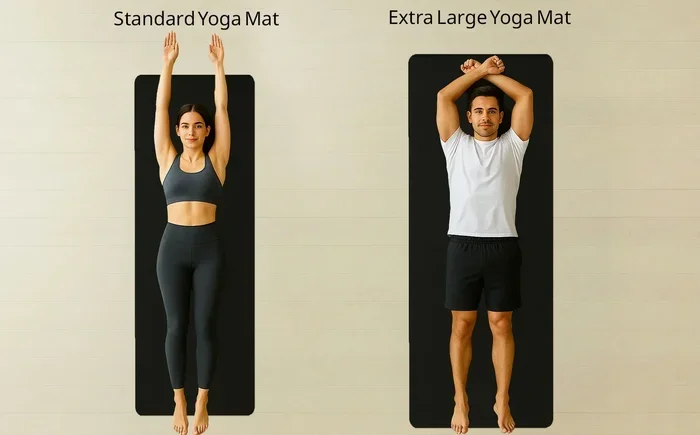
Most yoga mats are about 68 inches long and 24 inches wide. This works well for people under 6 feet tall. If you are taller, look for mats that are 72 inches or even 78 inches long. Extra-long mats give you more room to stretch without your feet or head hanging off the edge.
Standard width of 24 inches is usually fine. However, if you are wider or prefer more space, some mats come in 26-inch or 30-inch widths. These wider options are great for people who like extra room during poses.
Weight Matters for Portability
If you plan to carry your mat to a studio or gym, weight is a key factor. TPE mats are the lightest, usually around 2 to 3 pounds. Rubber mats are heavier, often 4 to 6 pounds. PVC mats fall somewhere in between.
Carrying a heavy mat can get tiring, especially if you walk or bike to class. If you want to learn how to transport your mat easily, check out how to carry a yoga mat without a bag for practical tips.
For beginners who practice at home, weight is less of a concern. You can keep a heavier mat rolled up in one spot and never worry about carrying it. But if you plan to travel or attend classes regularly, aim for a lighter option.
Grip and Texture: Why Your Mat Should Not Slip
Grip is where beginners often feel the most frustration. A slippery mat makes poses unsafe and frustrating. You might slide out of a downward dog or lose your footing in a lunge. Understanding mat texture helps you avoid these problems.
Closed-Cell vs. Open-Cell Surfaces
Closed-cell mats have a smooth, sealed surface. They repel water well and are easy to wipe clean. These mats tend to be lighter and more affordable. However, they can feel slippery when your hands or feet are sweaty.
Open-cell mats have tiny pores that absorb sweat and increase friction. They grip better during intense sessions. The trade-off is that they can trap bacteria if not cleaned properly. They are also harder to wipe down completely.
Texture Patterns and Their Benefits
Many yoga mats feature textured patterns on the surface. These bumps and ridges create extra grip points for your hands and feet. Textured mats are especially helpful for beginners who are still building strength and balance. You feel more secure on a textured surface.
Some mats have a smooth top layer but a textured bottom layer. This design prevents the mat from sliding on the floor while keeping the top comfortable. When choosing a mat, test the grip with your bare hands if possible. Walk around the mat and see how it feels under your palms.
Budget and Brand Guide for Beginners
You do not need to spend a fortune on your first yoga mat. There are excellent options at every price point. The key is knowing what to prioritize based on your budget.
Budget-Friendly Options Under $30
Budget mats are widely available at sporting goods stores and online. Look for TPE or basic PVC mats in this range. They may not last as long as premium options, but they work well for the first few months of practice. Brands like Gaiam and Amazon Basics offer solid starter mats.
At this price point, focus on thickness and basic grip. You do not need fancy extras. A simple 6mm TPE mat will serve you well while you decide if yoga is a long-term commitment.
Mid-Range Mats ($30 to $60)
This is the sweet spot for most beginners. Mid-range mats offer better materials, stronger grip, and improved durability. You can find high-quality TPE and PVC mats with textured surfaces in this range. Brands like Manduka and Liforme have entry-level options here.
If you are serious about building a home practice, investing in a mid-range mat is worth it. It will last longer, perform better, and feel more comfortable during extended sessions.
Premium Mats Over $60
Premium mats are for dedicated practitioners. They use top-quality materials like natural rubber or premium TPE. These mats offer superior grip, cushioning, and longevity. They are heavier and often thicker, which can be a plus or a minus depending on your needs.
As a beginner, you do not need to start here. But if you know yoga is here to stay, a premium mat can be a great long-term investment. For tips on breaking in a new mat, check out how to break in a new Manduka yoga mat for helpful advice.
Common Mistakes to Avoid When Choosing a Yoga Mat
Even experienced yogis make mistakes when picking a mat. Here are the most common ones beginners should avoid.
- Choosing based on looks alone: A pretty mat might not have the right thickness or grip for your practice.
- Ignoring your body type: Taller or heavier people need different mat dimensions and density than smaller practitioners.
- Going too thick too fast: Extra-thick mats feel comfortable but can throw off your balance in standing poses.
- Skipping the test drive: Always unroll a mat and stand on it before buying. If possible, try a few poses on it in the store.
- Forgetting about cleaning: Some materials are harder to clean than others. Choose a mat that fits your maintenance routine.
Avoiding these mistakes saves you time, money, and frustration. Take your time, compare options, and trust your instincts. The best mat is the one that feels right under your body.
Final Thoughts on Finding Your Perfect Yoga Mat
Choosing your first yoga mat is an important step in building a strong practice. The right mat supports your body, keeps you safe, and makes your sessions more enjoyable. Focus on thickness, material, size, grip, and budget in that order of priority.
Remember, your first mat does not have to be perfect. It just needs to work for where you are right now. As your practice grows, you can always upgrade to a more specialized mat. The most important thing is to start.
If you are still deciding whether you need a mat at all, check out do you have to have a mat for yoga for a helpful perspective. And for more details on thickness, our article on what is the best thickness for a yoga mat offers in-depth guidance.
Now you have the knowledge to make a confident choice. Grab a mat that fits your body, your budget, and your practice style. Roll it out, take a deep breath, and enjoy your first session. Your yoga journey starts with the right foundation beneath you.
Frequently Asked Questions
What is the best yoga mat thickness for beginners?
A 6mm standard thickness is the best starting point for most beginners. It offers a good balance of cushion and stability. If you have sensitive joints, consider going up to 8mm for extra comfort.
Which yoga mat material is best for beginners?
TPE mats are often the best choice for beginners. They are lightweight, affordable, and free from harmful chemicals. They offer decent grip and work well for most yoga styles at an accessible price point.
How do I know if a yoga mat is too thick for me?
If you feel wobbly or unstable during standing poses, your mat may be too thick. Thick mats reduce your connection to the ground, which can challenge your balance. Try a standard 6mm mat first and adjust from there.
Can I use a regular exercise mat instead of a yoga mat?
You can, but it is not ideal. Regular exercise mats are often too thin or too thick for yoga. They may also lack the grip and texture that yoga mats provide. A proper yoga mat is designed specifically for the demands of yoga practice.
How often should I replace my yoga mat?
A good yoga mat lasts 1 to 3 years with regular use. Signs that it is time to replace include thinning cushion, loss of grip, and visible wear. Clean your mat regularly to extend its lifespan.
Do I need an expensive yoga mat as a beginner?
No, you do not need an expensive mat to start. A budget-friendly TPE mat under $30 works perfectly well for the first few months. Invest more only after you are sure yoga is a consistent part of your routine.