
How Do You Do Sprints on a Treadmill
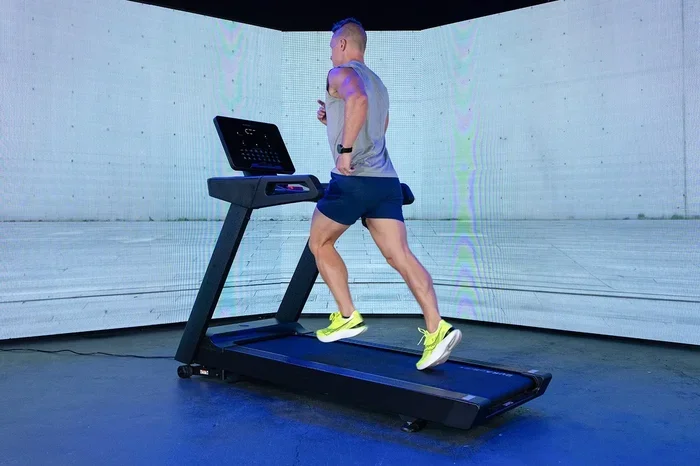
Doing sprints on a treadmill is one of the fastest ways to boost your cardio fitness, burn calories, and build running speed. This guide walks you through the full process, from setting up your treadmill to completing your first sprint session. You will learn the proper warm-up, sprint technique, recovery phases, and sample workouts for every fitness level.
Key Takeaways
- Proper setup matters: Adjust the belt, set safety features, and choose the right treadmill incline before you start sprinting.
- Warm up first: Always spend 5-10 minutes warming up to prevent injury and prep your muscles for high intensity work.
- Form is key: Keep your posture upright, arms relaxed, and strides controlled during each sprint.
- Recovery is just as important: Walk or jog between sprints to let your heart rate come down before the next effort.
- Start slow and progress: Begin with short sprint intervals and gradually increase speed and duration as your endurance building improves.
- Sprints burn serious calories: A treadmill workout with sprint intervals can torch more calorie burn than steady-state running.
- Avoid common mistakes: Skipping the warm-up, gripping the handrails, and sprinting too fast too soon are the top errors to avoid.
📑 Table of Contents
- What Are Treadmill Sprints and Why Should You Try Them
- How to Set Up Your Treadmill for Sprinting
- Step-by-Step Guide to Doing Sprints on a Treadmill
- Common Mistakes to Avoid When Sprinting on a Treadmill
- Benefits of Sprinting on a Treadmill
- Sample Sprint Workout Plans for All Levels
- How to Make Sprints on a Treadmill Part of Your Routine
What Are Treadmill Sprints and Why Should You Try Them
Sprints on a treadmill are short, explosive bursts of running at near-maximum speed. Unlike a steady jog, sprints push your body into high intensity territory. They are a form of sprint intervals that challenge your cardiovascular system and muscles in a short amount of time.
You do not need a fancy gym membership or a long stretch of road. A treadmill workout with sprints gives you complete control over speed, incline, and recovery time. This makes it one of the most efficient ways to improve your running speed and overall cardio fitness.
Whether you are a beginner just getting started or a seasoned runner looking to mix up your routine, treadmill sprints offer real benefits. They save time, torch calories, and help you build explosive power. If you have been sticking to the same pace on the treadmill belt, adding sprints can completely change your results.
Speed training on a treadmill also removes weather and traffic concerns. You can sprint in the comfort of your home, at any time of day. Plus, the machine handles the pace for you, so you can focus entirely on your form and effort.
How to Set Up Your Treadmill for Sprinting
Adjusting the Belt and Safety Settings
Before you start any sprints on a treadmill session, make sure your machine is ready. A properly set up treadmill keeps you safe and helps you perform at your best. Take a moment to check a few key things before pressing start.
First, check the treadmill belt for any looseness or misalignment. A wobbly belt can throw off your stride and even cause injury. If the belt feels loose, you may need to tighten the belt on your treadmill before your session. A tight, smooth belt lets your feet land cleanly during each sprint.
Next, make sure the safety clip is attached to your clothing and plugged into the machine. This is a non-negotiable safety feature. If you lose your balance during a fast sprint, the safety clip will immediately stop the belt. Do not skip this step, even if you feel confident.
Set the incline to zero or a very slight grade for your first few sessions. As you get more comfortable, you can increase the treadmill incline to simulate hill sprints. This adds variety and challenges your legs in new ways.
Choosing the Right Speed Settings
Speed control is the whole point of a treadmill, so use it wisely. Do not just jump to your top speed. Instead, plan out your sprint speeds and recovery speeds ahead of time. This way, you can focus on execution rather than fumbling with the console mid-workout.
A good starting point is to determine your maximum sprint speed. Run at a pace you can barely sustain for 10-15 seconds. Then dial it back 10-15% for your working sprint speed. This gives you a challenging but manageable pace. You can always increase it as your pace control improves.
For recovery periods, set the speed to a comfortable walk or slow jog. This gives your body a chance to recover before the next sprint. Proper sprint recovery is essential for maintaining quality throughout your session.
Step-by-Step Guide to Doing Sprints on a Treadmill
Now that your treadmill is set up, it is time to start sprinting. Follow this step-by-step process to get the most out of every session. Each phase plays an important role in keeping you safe and getting results.
The Warm-Up Phase
Never jump straight into full-speed sprints. Your muscles need time to loosen up and your heart rate needs to rise gradually. A proper warm-up reduces the risk of strains, pulls, and other injuries.
Start by walking at a comfortable pace for 3-5 minutes. Then transition into a light jog for another 3-5 minutes. Focus on loosening up your hips, ankles, and calves. This is also a great time to practice your running form at a relaxed pace.
After your light jog, do a few dynamic stretches. Leg swings, high knees, and butt kicks all work well on a treadmill at a slow speed. These movements prepare your muscles for the explosive effort ahead. A thorough warm-up is one of the most overlooked parts of any treadmill workout.
The Sprint Phase
This is where the magic happens. Once you are warmed up, it is time to push the speed up. Increase the treadmill speed gradually over 5-10 seconds. Do not slam the speed button to max. A gradual ramp-up protects your joints and lets your body adjust.
During each sprint, focus on keeping your posture upright. Lean slightly forward from your ankles, not your waist. Keep your arms relaxed and swing them naturally. Your stride length should feel comfortable and controlled. Avoid overstriding, where your foot lands too far ahead of your body.
Sprint for 10-30 seconds depending on your fitness level. Beginners should start with 10-15 second sprints. More advanced runners can go up to 30 seconds or slightly longer. The key is to maintain good form throughout. If your form breaks down, slow down or end the sprint.
The Recovery Phase
After each sprint, slow the treadmill back down to a walking or light jogging pace. Walk or jog for 60-90 seconds to bring your heart rate down. This sprint recovery period is just as important as the sprint itself.
Use the recovery phase to catch your breath and reset your form. Check that your posture is still upright and your shoulders are relaxed. Take deep, controlled breaths. This is also a good time to hydrate if needed.
Repeat the sprint and recovery cycle for your desired number of intervals. A typical session includes 6-10 sprints. As you build fitness, you can increase the number of intervals or reduce the recovery time. This is the essence of interval training, and it is incredibly effective for improving fitness.
Common Mistakes to Avoid When Sprinting on a Treadmill
Even with the best intentions, it is easy to make mistakes when doing sprints on a treadmill. Being aware of these errors helps you avoid injury and get better results.
Skipping the warm-up: This is the number one mistake. Cold muscles are tight muscles, and tight muscles are injury-prone muscles. Always take the time to warm up properly before any sprint session.
Gripping the handrails: Many people hold onto the front bars during sprints. This throws off your natural running form and reduces the effectiveness of the workout. It also increases the risk of trips and falls. Let your arms swing freely at your sides.
Sprinting too fast too soon: Ego has no place in sprint training. Starting at speeds you cannot handle leads to poor form and potential injury. Build up gradually. If you are new to speed training, start with shorter sprints at moderate speeds.
Neglecting the cool-down: Just like the warm-up, cooling down matters. Spend 3-5 minutes walking at a slow pace after your last sprint. This helps your heart rate return to normal and reduces muscle soreness. Follow up with some static stretching for the best results.
Forgetting to hydrate: Sprinting is intense, and you sweat more than you might expect. Keep a water bottle nearby and take small sips during recovery periods. Dehydration can hurt your performance and recovery.
Benefits of Sprinting on a Treadmill
Sprints on a treadmill offer a wide range of benefits that go beyond just running faster. Here is why you should consider adding them to your routine.
Burns more calories in less time: High intensity sprints elevate your metabolism for hours after your workout. This afterburn effect, known as EPOC, means you continue to burn calorie burn long after you step off the machine. Compared to steady-state running, sprints deliver more results in less time.
Improves cardiovascular health: Sprint intervals push your heart rate into the cardio fitness zone. Over time, this strengthens your heart and lungs. Better cardiovascular fitness means more energy for everyday activities and a lower risk of heart disease.
Builds lean muscle: Sprinting engages your glutes, hamstrings, quads, and core. The explosive nature of sprints builds power and endurance in these muscle groups. This is a great complement to strength training and other forms of exercise.
Boosts mental toughness: Pushing through hard sprints builds mental resilience. Learning to tolerate discomfort during a sprint translates to other areas of life. You become more disciplined and confident in your abilities.
Convenient and time-efficient: A full sprint treadmill workout can be completed in 20-30 minutes. This makes it perfect for busy schedules. You get a challenging, effective workout without spending hours at the gym.
Supports weight loss goals: If you are trying to lose weight, sprints are a powerful tool. The combination of high calorie burn during the workout and elevated metabolism afterward makes treadmill sprints one of the best exercises for fat loss. Many people wonder how many calories you burn on a treadmill, and the answer is that sprints maximize that number significantly.
Sample Sprint Workout Plans for All Levels
Not sure how to structure your sprint session? Here are three workout plans tailored to different fitness levels. Pick the one that matches where you are right now, and progress over time.
Beginner Sprint Workout:
- Warm-up walk: 3 minutes
- Warm-up jog: 3 minutes
- Sprint: 10 seconds at 70-80% effort
- Recovery walk: 90 seconds
- Repeat 6 times
- Cool-down walk: 3 minutes
- Total time: ~20 minutes
Intermediate Sprint Workout:
- Warm-up walk: 3 minutes
- Warm-up jog: 3 minutes
- Sprint: 20 seconds at 80-90% effort
- Recovery jog: 60 seconds
- Repeat 8 times
- Cool-down walk: 3 minutes
- Total time: ~25 minutes
Advanced Sprint Workout:
- Warm-up walk: 3 minutes
- Warm-up jog: 3 minutes
- Sprint: 30 seconds at 90-100% effort
- Recovery walk: 45 seconds
- Repeat 10 times
- Cool-down walk: 3 minutes
- Total time: ~30 minutes
As you progress, try adding incline to your sprints. A 2-4% incline during the sprint phase increases the challenge and builds more leg strength. You can also shorten recovery periods to keep your heart rate elevated. This approach is at the core of HIIT training, which stands for High-Intensity Interval Training.
Key Takeaway: Consistency is more important than intensity. Start with the beginner plan and stick with it for 2-3 weeks before moving up. Your endurance building will happen naturally as your body adapts to the demands of sprinting.
For those who want to explore other cardio options, consider checking out how long you should exercise on a rowing machine for a complementary full-body workout that pairs well with treadmill sprints.
How to Make Sprints on a Treadmill Part of Your Routine
The best workout is the one you actually do. Making sprints on a treadmill a regular habit takes a bit of planning and consistency. Here are some practical tips to help you stick with it.
Schedule your sprint sessions like you would any important appointment. Pick specific days and times that work for you. Most people do well with 2-3 sprint sessions per week, leaving at least one rest day between sessions. This gives your muscles time to recover and grow stronger.
Track your progress to stay motivated. Write down your sprint speeds, recovery times, and how you felt after each session. Over weeks and months, you will see clear improvements. Maybe your sprint speed increased, or your recovery time got shorter. These small wins add up to big results.
Mix things up to keep your workouts interesting. Try different sprint durations, recovery periods, and incline levels. You can also alternate sprint days with steady-state running days. This variety prevents boredom and challenges your body in new ways. It is also a smart approach to interval training that promotes balanced fitness development.
Finally, listen to your body. Soreness is normal, but sharp pain is not. If something feels wrong during a sprint, slow down or stop. Rest and recover before your next session. Taking care of your body now means you can keep sprinting for years to come.
Remember, sprints on a treadmill are a tool to help you get faster, fitter, and stronger. They are not a test of who you are right now. They are a path forward. Start where you are, use proper form, and trust the process. Your future self will thank you.
Before you hop on the treadmill, also consider what to do before running on a treadmill for additional preparation tips that complement your sprint routine.
Frequently Asked Questions
Can beginners do sprints on a treadmill?
Absolutely. Beginners should start with short sprints of 10-15 seconds at a moderate pace. Focus on form over speed, and always warm up thoroughly. As your fitness improves, you can increase the intensity and duration of your sprints.
How often should you do treadmill sprints?
Two to three sprint sessions per week is ideal for most people. This gives your body enough time to recover between sessions. On non-sprint days, you can do steady-state cardio or strength training to complement your routine.
Is sprinting on a treadmill bad for your knees?
When done correctly, treadmill sprints are not bad for your knees. Proper warm-up, good form, and gradual speed increases all help protect your joints. If you have existing knee issues, consult a doctor before starting any sprint program.
What is the difference between treadmill sprints and outdoor sprints?
Treadmill sprints offer a controlled environment with consistent belt speed and no wind resistance. Outdoor sprints engage more stabilizing muscles due to terrain changes. Both are effective, but treadmill sprints are safer and more convenient for most people.
Can treadmill sprints help you lose weight?
Yes. Sprint intervals create a high calorie burn during and after your workout. The afterburn effect means your body continues burning calories at an elevated rate for hours after you finish. Combined with a balanced diet, treadmill sprints can support healthy weight loss.
Do you need a special treadmill for sprinting?
Most standard treadmills can handle sprinting. However, look for a treadmill with a sturdy motor, a wide belt, and good speed range. If you plan to do frequent high-speed sprints, a commercial-grade or serious home treadmill will hold up better over time.
=== CONCLUSION ===
Sprints on a treadmill are a simple yet incredibly effective way to boost your fitness, burn calories, and build speed. With the right setup, proper form, and a smart plan, anyone can add treadmill sprints to their routine. Start with the beginner workout, focus on your warm-up and recovery, and progress at your own pace.
The benefits go far beyond just running faster. You will improve your cardio fitness, build lean muscle, and develop mental toughness that carries into every area of your life. The best part is that a complete sprint session takes less than 30 minutes, making it one of the most efficient workouts you can do.
Now that you know how to do sprints on a treadmill properly, it is time to put this knowledge into action. Lace up your shoes, step on the machine, and give your first sprint session a try. Your body will thank you for it.


