
Is It Easier to Run on a Treadmill
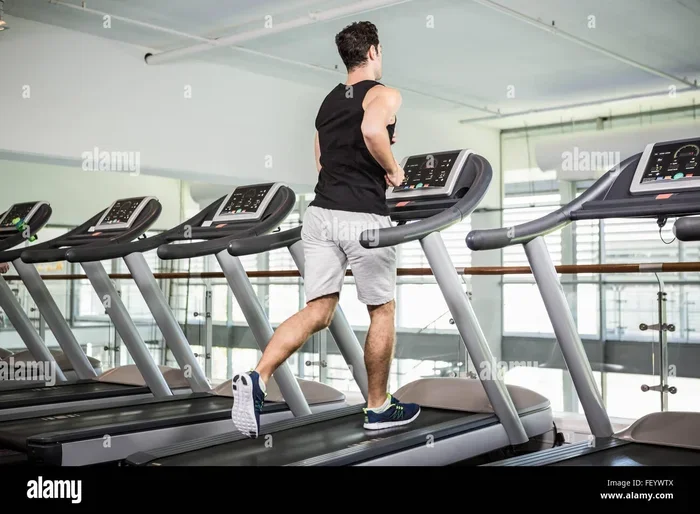
Yes, running on a treadmill is generally easier than outdoor running because the belt assists your leg turnover, the cushioned surface reduces joint impact, and there is no wind resistance. Treadmill running offers a controlled environment that helps you maintain consistent pace and cardio workout intensity. Whether you are a beginner or a seasoned runner, understanding why a treadmill feels easier can help you train smarter and get the most out of every session.
Have you ever noticed that running on a treadmill feels surprisingly effortless compared to pounding the pavement outside? You start your treadmill running session, set a pace, and before you know it, you have finished your miles feeling way less tired than a similar outdoor run would leave you. This is not just in your head. There is real science behind why running on a treadmill feels easier than running outdoors.
The short answer is yes, it is easier to run on a treadmill. The moving belt does some of the work for you, the surface is softer on your body, and you do not have to fight wind or hills. But that does not mean treadmill runs are not effective. In fact, many runners use treadmill training to build endurance, improve their running form, and stay consistent with their cardio workout routine. In this article, we will break down exactly why a treadmill feels easier, what the science says, and how you can make your indoor runs just as challenging as outdoor ones.
Key Takeaways
- The treadmill belt assists your stride: The moving belt pulls your feet back, reducing the effort needed to push off.
- Less impact on joints: The cushioned treadmill deck absorbs shock, making treadmill running gentler on knees and ankles.
- No wind resistance: Outdoor running faces air drag, which makes it physically harder than indoor running.
- Consistent pace is easier to maintain: You can set a running speed and stick to it without terrain changes.
- Incline settings mimic outdoor challenges: Adding an incline on a treadmill can close the gap between indoor and outdoor effort.
- Running on a treadmill feels easier, but you can adjust: Use the 1% incline rule to match outdoor energy expenditure.
- Indoor running boosts consistency: A treadmill helps you stay committed to your workout consistency regardless of weather.
📑 Table of Contents
Why Does Running on a Treadmill Feel Easier?
There are several reasons why your legs feel lighter and your body less tired when you run on a treadmill. Let us look at the main factors that make indoor running feel so much more manageable.
The Moving Belt Helps Your Stride
When you run outdoors, you have to push off the ground with every single stride. Your muscles do all the work to propel you forward. On a treadmill, the belt moves backward beneath your feet. This means the belt actually pulls your foot back after each step, reducing the amount of effort your muscles need to produce. This is called the assist effect, and it is one of the biggest reasons why is it easier to run on a treadmill.
Think of it like this. When you walk on a moving walkway at the airport, your legs feel less tired, right? The same principle applies to treadmill running. The belt does a small portion of the work, which lets you run longer and faster with less fatigue.
The Cushioned Surface Is Gentler on Your Body
Most modern treadmills come with a cushioned deck or belt designed to absorb shock. This is a huge advantage over concrete or asphalt. When you run outside, every footstrike sends a shock wave through your ankles, knees, and hips. Over time, this repeated impact can lead to soreness and even injuries.
A treadmill’s cushioned surface reduces this impact significantly. This makes treadmill running a great option for people who are recovering from injuries, those with joint issues, or anyone who wants a lower-impact cardio workout. The reduced impact on joints means you can run more frequently without the same level of wear and tear on your body.
No Wind Resistance
When you run outdoors, you are constantly fighting against air resistance. Even on a calm day, your body has to push through the air with every stride. At faster speeds, wind resistance becomes a major factor that increases your effort level.
On a treadmill, there is no wind. You are essentially running in still air. This means your body does not need to expend extra energy pushing against air molecules. This alone can make treadmill running feel noticeably easier, especially at faster running speeds. This is another key reason why running on a treadmill feels easier than outdoor running.
A Flat, Predictable Surface
Outdoor running involves uneven terrain, hills, dips, and unpredictable surfaces. Your body constantly adjusts to these changes, which requires extra energy and engagement from your stabilizing muscles. A treadmill gives you a flat, consistent surface that removes all of those variables.
Your legs do not have to work as hard to navigate bumps or climb hills, at least not unless you add an incline. This predictability makes treadmill running feel smoother and less demanding overall. It also makes it easier to maintain a steady running pace without the natural fluctuations that come with outdoor routes.
The Science Behind Treadmill Running
Researchers have studied the differences between treadmill and outdoor running for decades. The findings are fascinating and help explain why indoor running feels so much more manageable.
Energy Expenditure Differences
Studies have shown that running at the same pace on a treadmill and on flat ground outdoors requires slightly different energy levels. On a treadmill, your body uses about 1 to 2 percent less energy at the same speed. This is primarily because of the belt assist and the lack of wind resistance.
However, fitness experts have found a simple fix. Setting the treadmill to a 1 percent incline essentially eliminates this difference. At 1 percent, the energy cost of treadmill running closely matches outdoor running. So if you want your indoor sessions to feel just as challenging as outdoor runs, a slight incline is your best friend.
Running Economy on a Treadmill
Running economy refers to how efficiently your body uses oxygen while running. A better running economy means you use less energy at a given speed. Some studies suggest that treadmill running can actually improve your running economy over time because the belt assists your stride turnover, allowing you to practice a faster cadence with less effort.
However, outdoor running engages more stabilizing muscles because of the uneven terrain. This means your overall muscle development may differ slightly between indoor and outdoor running. Both have unique benefits, and the best approach often involves a mix of both.
Benefits of Treadmill Running
Now that we understand why a treadmill feels easier, let us look at the many benefits that make treadmill running a fantastic choice for runners of all levels.
Controlled Environment
One of the biggest advantages of a treadmill is the control it gives you. You can set the exact running speed, incline, and temperature. You do not have to worry about rain, traffic, or uneven sidewalks. This makes it easier to focus on your form and stick to your training plan.
Whether you are doing a speed workout, a long slow distance run, or a recovery jog, the treadmill lets you dial in every variable. This level of control is especially valuable for pace training and preparing for specific race goals.
Safety and Convenience
Running on a treadmill is incredibly safe compared to outdoor running. There are no cars, no uneven surfaces, and no unexpected obstacles. You can run at any time of day or night without worrying about visibility or traffic.
The convenience factor is also huge. You can hop on a treadmill right in your home, do not need to drive anywhere, and can squeeze in a quick run whenever your schedule allows. This level of workout consistency is one of the biggest reasons people stick with treadmill training long-term.
Incline Training for Strength
While the flat belt makes running feel easier, you can turn up the challenge with incline settings. Walking or running on an incline engages your glutes, hamstrings, and calves more than flat running. It also simulates the effort of running uphill outdoors.
Many runners use incline intervals as a way to build strength and boost calorie burn without increasing running speed. A 10-minute incline session can be just as tough as a long flat run, proving that a treadmill can be just as challenging as you want it to be.
Better for Recovery Runs
Because the treadmill is easier on your joints and provides a controlled pace, it is an excellent tool for recovery runs. You can keep your running speed easy and steady without the mental stress of navigating traffic or weather. This helps you stay active on rest days without overloading your body.
Treadmill vs Outdoor Running
So how does treadmill running compare to outdoor running? Let us break down the key differences in a side-by-side comparison.
| Factor | Treadmill | Outdoor Running |
|---|---|---|
| Impact on Joints | Lower (cushioned deck) | Higher (concrete/asphalt) |
| Wind Resistance | None | Significant |
| Surface Consistency | Flat and even | Variable terrain |
| Energy Expenditure | Slightly lower | Slightly higher |
| Pace Control | Precise and consistent | Variable with terrain |
| Muscle Engagement | Lower stabilizer use | Higher stabilizer use |
| Mental Challenge | Can feel monotonous | More stimulating |
| Weather Dependence | None | High |
As you can see, each option has its strengths. Running on a treadmill is easier on the body and more convenient, while outdoor running provides a more complete physical challenge and mental stimulation. The best approach for most runners is to use both strategically.
If you are curious about which option is truly better for your fitness goals, you can read more about is it better to run on treadmill or outside to get a deeper comparison.
How to Make Treadmill Running More Challenging
Since a treadmill feels easier, you need to be intentional about making your workouts harder. Here are some proven strategies to boost the intensity of your indoor runs.
Use the 1 Percent Incline Rule
Set your treadmill to a 1 percent incline to simulate outdoor energy expenditure. This small adjustment makes a noticeable difference in how hard your body works. Many serious runners use this trick for every treadmill session.
Add Interval Training
Instead of running at a steady pace, try interval training. Alternate between sprints and recovery jogs. This boosts your heart rate, burns more calories, and keeps your workouts exciting. Interval training on a treadmill is incredibly effective because you can precisely control your running speed for each interval.
Increase the Incline for Hill Workouts
Set your treadmill to a 4 to 6 percent incline and run at a moderate pace. This mimics hill running and builds serious leg strength. You will feel the burn in your quads and glutes within minutes.
Focus on Running Form
Since the treadmill belt assists your stride, it is easy to develop lazy form. Focus on quick, light footstrikes, keeping your posture upright, and engaging your core. Good form on the treadmill translates to better form outdoors too.
Set Distance Goals Instead of Time Goals
Instead of running for 30 minutes, challenge yourself to cover a specific distance. This gives you a clear target and pushes you to maintain or increase your pace throughout the run.
Common Mistakes to Avoid
Even though treadmill running is straightforward, there are a few common mistakes that can reduce your results or lead to injury.
- Holding onto the handrails: This changes your natural running form and reduces calorie burn. Let your arms swing naturally.
- Skipping the warm-up: Always start with a 5-minute brisk walk before jumping into a run.
- Running too fast too soon: Increase your running speed gradually to avoid strain and injury.
- Forgetting to hydrate: It is easy to forget to drink water on a treadmill because you are not sweating as much as outdoors. Stay hydrated.
- Using the same routine every time: Mix up your workouts with different speeds, inclines, and durations to keep challenging your body.
For more tips on preparing properly, check out what to do before running on a treadmill to make sure every session counts.
Who Should Use a Treadmill for Running?
Treadmill running is not just for beginners. Here are some groups who benefit greatly from indoor running:
- Beginners: The controlled environment makes it easier to build a running habit without the intimidation of outdoor routes.
- Injury recovery: The cushioned surface reduces stress on healing joints and muscles.
- Busy professionals: A home treadmill saves time and allows for flexible workout scheduling.
- Race trainees: Use the treadmill for precise pace training and speed work in any weather.
- Parents: Running at home on a treadmill means you can exercise while keeping an eye on the kids.
For those wondering about footwear, it is worth noting that should you run on a treadmill without shoes depends on your treadmill model and personal comfort. Most experts recommend wearing proper running shoes for support and cushioning.
Final Thoughts
Is it easier to run on a treadmill? Absolutely. The belt assist, cushioned surface, lack of wind resistance, and flat terrain all work together to make indoor running feel less demanding than outdoor running. But that does not mean treadmill workouts are easy or ineffective. With the right approach, a treadmill can be a powerful tool for building fitness, improving your running form, and staying consistent with your training.
The key is to be intentional. Add incline, mix up your running speed, and focus on proper form. Use the treadmill as a complement to your outdoor runs, not a replacement. Whether you are training for a race, trying to lose weight, or just staying active, treadmill running offers a safe, convenient, and effective way to achieve your goals. So lace up your shoes, hop on the belt, and enjoy the run.
Remember, the best workout is the one you actually do consistently. And a treadmill makes that easier than almost anything else in fitness. Happy running.
Frequently Asked Questions
Why does running on a treadmill feel easier than running outside?
Running on a treadmill feels easier because the moving belt assists your leg turnover, there is no wind resistance, and the cushioned surface reduces impact on your joints. These factors combine to make indoor running less physically demanding than outdoor running.
Is treadmill running as effective as outdoor running?
Yes, treadmill running can be just as effective as outdoor running when you make the right adjustments. Adding a 1 percent incline and incorporating interval training can match or even exceed the benefits of outdoor running.
What speed is considered a good run on a treadmill?
A good running speed on a treadmill depends on your fitness level and goals. For beginners, 5 to 6 mph is a solid starting point. Intermediate runners often run at 6 to 8 mph, while advanced runners may exceed 8 mph. You can learn more about what speed on a treadmill is considered running to find the right pace for you.
Can you lose weight running on a treadmill?
Yes, treadmill running is an excellent way to burn calories and lose weight. By combining consistent treadmill sessions with a balanced diet and varying your running speed and incline, you can create a meaningful calorie deficit that supports weight loss.
Should I run on a treadmill every day?
Running on a treadmill every day is fine for some people, especially if you keep the intensity moderate and vary your workouts. However, rest days are important for recovery and injury prevention. Listen to your body and allow time for muscles to repair and strengthen.
What is the 1 percent incline rule on a treadmill?
The 1 percent incline rule means setting your treadmill to a 1 percent grade to simulate the energy expenditure of outdoor running on flat ground. This small adjustment accounts for the lack of wind resistance and belt assist that make treadmill running feel easier.
=== CONCLUSION ===
Running on a treadmill is easier than outdoor running, and that is a good thing. The belt assist, cushioned deck, and controlled environment make indoor running accessible, safe, and highly effective. You can build endurance, improve your running form, and stay consistent with your cardio workout without worrying about weather or terrain.
The key to getting the most out of your treadmill runs is to challenge yourself intentionally. Use incline, mix up your running speed, and focus on proper technique. Whether you are a beginner taking your first steps or a seasoned runner maintaining your workout consistency, the treadmill is a powerful tool that can help you reach your fitness goals. So get on that belt, set your pace, and enjoy every stride.


