Jump rope is a powerhouse for burning fat, but the key is knowing how long to rope each session. This guide breaks down optimal times, intensity tricks, and weekly plans so you can melt stubborn pounds efficiently. Start jumping smarter, not harder, and watch the scale drop.
Key Takeaways
- Optimal session length: 15‑30 minutes of moderate‑intensity rope work 3‑5 times a week yields steady fat loss.
- Intensity matters more than time: High‑intensity intervals can halve the total minutes needed.
- Calorie burn varies: Roughly 10‑16 calories per minute depending on weight and speed.
- Progressive overload: Gradually increase duration or add intervals to keep the body adapting.
- Combine with strength work: Adding 2‑3 resistance sessions per week accelerates metabolism.
- Nutrition is key: A modest calorie deficit (200‑500 kcal) maximizes rope results.
- Consistency beats perfection: Regular short sessions are more sustainable than occasional long marathons.
📑 Table of Contents
- Introduction: Why Jump Rope Is a Fat‑Loss Game Changer
- Understanding the Fat‑Loss Equation
- How Long Is Long Enough? The Recommended Durations
- Designing Your Jump Rope Fat‑Loss Plan
- Practical Tips to Maximize Fat Loss While Jumping
- Measuring Progress Beyond the Scale
- Conclusion: Your Path to a Leaner You
Introduction: Why Jump Rope Is a Fat‑Loss Game Changer
When you think about cardio for shedding pounds, running or cycling usually jumps to mind first. Yet, jump rope packs a punch that rivals many gym machines, and it does so in a fraction of the space. A simple rope, a little rhythm, and you have a full‑body workout that torches calories, improves coordination, and spikes your heart rate.
So, how long should you jump rope to lose fat? The answer isn’t a one‑size‑fits‑all number. It depends on your current fitness level, the intensity you can maintain, and how often you lace the rope into your weekly routine. In this article we’ll break down the science, give you concrete time frames, and hand you a step‑by‑step plan that turns minutes into measurable fat loss.
Understanding the Fat‑Loss Equation
Calories In vs. Calories Out
Weight loss boils down to creating a calorie deficit – burning more than you consume. Jump rope is an efficient way to boost the “out” side because it burns a high number of calories per minute. For most people, a 150‑pound (68 kg) individual can expect to burn about 12‑15 calories per minute at a moderate pace.
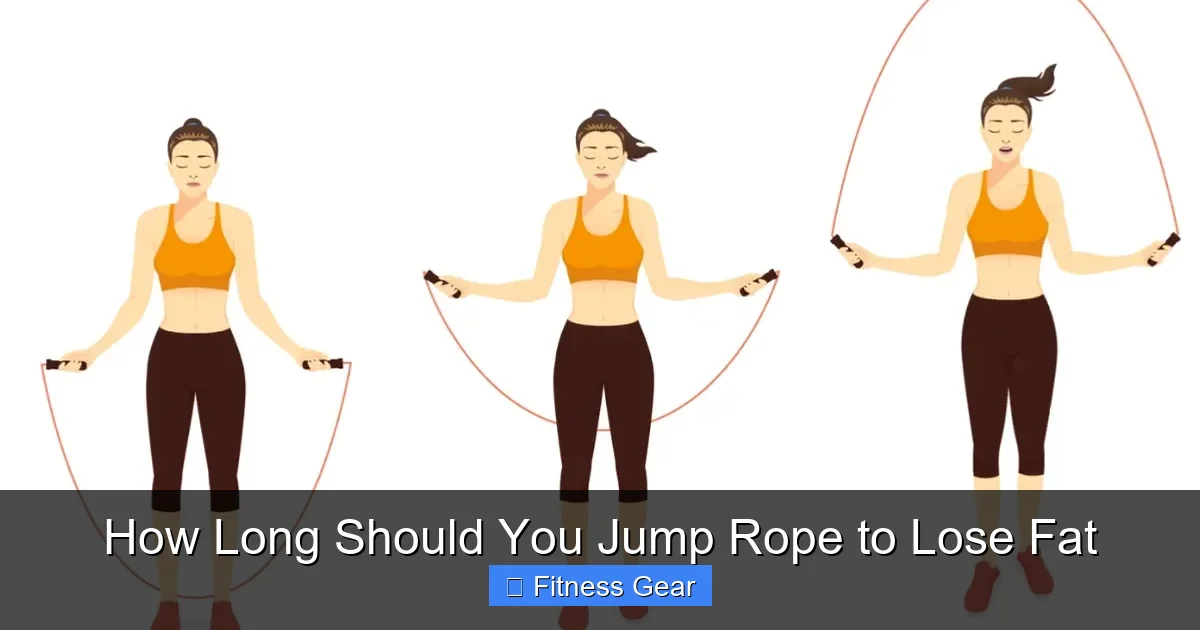
Visual guide about How Long Should You Jump Rope to Lose Fat
Image source: eatthis.com
The Role of Metabolic Rate
Your basal metabolic rate (BMR) is the number of calories you’d burn just by existing. Adding jump rope raises your total daily energy expenditure (TDEE). Even after you finish, the after‑burn effect (EPOC – excess post‑exercise oxygen consumption) keeps the metabolism elevated for 30‑60 minutes, especially after high‑intensity intervals.
How Long Is Long Enough? The Recommended Durations
Beginners: 10‑15 Minutes, 3 Times a Week
If you’re new to rope, start with short bouts. Aim for 30‑second intervals followed by 30‑seconds rest, repeating for 10‑15 minutes. This builds technique, reduces joint stress, and still burns roughly 150‑200 calories per session.

Visual guide about How Long Should You Jump Rope to Lose Fat
Image source: i.ytimg.com
Intermediate: 20‑30 Minutes, 4 Times a Week
Once you’re comfortable, extend the total time and cut the rest periods. Two‑minute rounds with 30‑second rests for a total of 20‑30 minutes will push calorie burn to 300‑450 calories per workout.
Advanced: 30‑45 Minutes, 5 Times a Week (or HIIT)
Seasoned jumpers can handle longer sessions or switch to high‑intensity interval training (HIIT). A typical HIIT format—30 seconds all‑out, 30 seconds easy, repeated for 20‑25 minutes—can torch 400‑600 calories and keep the fat‑burning furnace lit for hours afterward.
Designing Your Jump Rope Fat‑Loss Plan
Step 1: Choose the Right Rope
- Speed ropes: Light, thin cable ideal for fast turns and HIIT.
- Weighted ropes: Slightly heavier, good for building upper‑body strength.
- Beaded ropes: Audible and easy to master for beginners.
Select a rope that matches your skill level and the style of workout you prefer.
Visual guide about How Long Should You Jump Rope to Lose Fat
Image source: m.media-amazon.com
Step 2: Set a Weekly Schedule
Consistency is king. Here’s a sample week for a 70‑kg adult aiming to lose 0.5 kg per week:
- Monday – 20‑minute moderate rope
- Tuesday – Rest or light yoga
- Wednesday – 25‑minute HIIT rope
- Thursday – Strength training (full body)
- Friday – 30‑minute steady‑state rope
- Saturday – Active recovery (walk or swim)
- Sunday – 20‑minute mixed‑interval rope
Step 3: Track Calories Burned
Use a smartwatch or a simple online calculator. Input your weight, rope speed (roughly 120‑140 spm for moderate, 150‑180 spm for HIIT), and duration. Adjust the plan if you’re consistently burning more or less than the target 2,500‑3,000 calories per week needed for a healthy deficit.
Step 4: Add Strength Workouts
Resistance training preserves lean muscle, which in turn keeps your BMR higher. Aim for two to three 30‑minute strength sessions per week focusing on compound movements like squats, deadlifts, and push‑ups.
Step 5: Nutrition Tweaks
Even the best rope won’t offset a 2,000‑calorie surplus. Keep a food diary, aim for a 200‑500 kcal deficit, and prioritize protein (1.2‑1.6 g per kg body weight) to support recovery.
Practical Tips to Maximize Fat Loss While Jumping
Maintain Proper Form
Stand tall, elbows close to your sides, and use your wrists—not your arms—to turn the rope. Good form reduces wasted energy and protects the knees and ankles.
Incorporate Interval Variations
- Tabata: 20 seconds max effort, 10 seconds rest, 8 rounds (4 minutes total).
- Pyramid: Increase work time by 30 seconds each round, then decrease.
- Mix‑in Moves: Add high knees, double‑unders, or side‑to‑side swings to keep muscles guessing.
Stay Hydrated and Warm‑Up
A 5‑minute dynamic warm‑up (leg swings, arm circles) prepares joints. Sip water before, during, and after to avoid fatigue.
Listen to Your Body
If you feel sharp pain, stop. Joint soreness is normal early on, but persistent pain signals a need for rest or a lighter rope.
Measuring Progress Beyond the Scale
Body Measurements
Take waist, hips, and thigh measurements every two weeks. A 1‑2 cm reduction often precedes visible weight loss.
Performance Markers
Track how long you can jump without tripping, or how many double‑unders you can do in a minute. Improvements mean your cardiovascular system is getting stronger, which supports fat loss.
Photos and Feel
Weekly photos and noting how clothes fit can be more motivating than numbers alone.
Conclusion: Your Path to a Leaner You
Answering how long should you jump rope to lose fat isn’t about a single magic number. It’s about matching duration, intensity, and frequency to your personal fitness level while pairing the rope with smart nutrition and strength work. Start with short, consistent sessions, gradually increase time or intensity, and keep an eye on calorie balance. With patience and the right plan, the rope becomes a daily habit that melts fat, boosts mood, and leaves you fitter than ever.
Frequently Asked Questions
How many calories does jumping rope burn per minute?
For a 150‑pound person, moderate rope burns about 12‑15 calories per minute, while high‑intensity intervals can reach 16‑20 calories per minute.
Can I lose belly fat by only jumping rope?
Jump rope helps reduce overall body fat, including the belly, but combining it with a slight calorie deficit and strength training yields the best results.
Is it safe to jump rope every day?
Yes, if you vary intensity and include rest or low‑impact days. Daily low‑intensity sessions (10‑15 min) are generally safe for most people.
What rope length should I use?
Stand on the middle of the rope; the handles should reach roughly to your armpits. Adjust the length by cutting or tying knots as needed.
Do I need a special surface to jump rope?
A wooden floor, rubber mat, or gymnasium surface works best. Hard concrete can be harsh on joints.
How quickly will I see results?
Most people notice improved stamina and a slight weight drop within 2‑4 weeks if they stick to 3‑5 sessions per week and maintain a modest calorie deficit.