What Speed on Treadmill for 10 Minute Mile
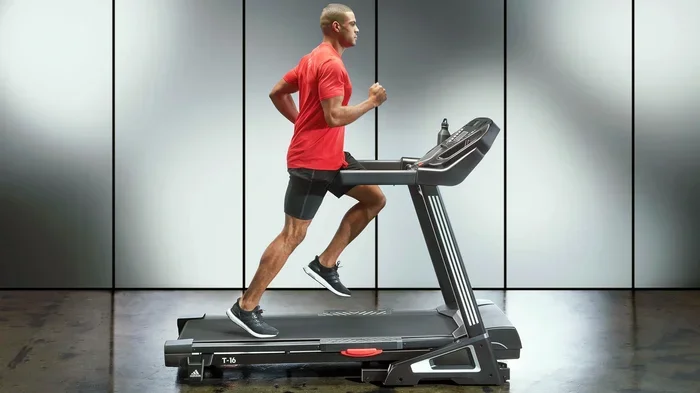
What speed on treadmill for 10 minute mile? The answer is 6.0 mph — a pace that balances effort and sustainability for most runners. This guide breaks down the exact treadmill settings, training strategies, and common mistakes to help you confidently run a 10 minute mile on the treadmill.
So you want to know what speed on treadmill for 10 minute mile? You are not alone. Thousands of runners type that exact question into search engines every single day. Whether you are a beginner just starting out or a seasoned jogger looking to sharpen your pace, understanding the right treadmill speed makes all the difference.
A 10 minute mile is one of the most popular running goals. It is fast enough to feel like a real workout but slow enough that most people can achieve it with consistent training. The good news is that nailing this pace on a treadmill is straightforward once you know the numbers and the strategy behind them.
In this guide, we will walk you through the exact speed settings, training plans, and tips to help you run a confident 10 minute mile on the treadmill. No guesswork. No fluff. Just practical advice you can use today.
Key Takeaways
- 6.0 mph is the target speed: Running at 6.0 mph on your treadmill equals a 10 minute mile pace.
- Start slower and build up: Beginners should ease into the pace with walk-run intervals before hitting 6.0 mph consistently.
- Incline adds challenge: Using a 1-2% incline simulates outdoor running and makes your workout more effective.
- Consistency matters most: Regular training at this pace builds the endurance and speed you need.
- Avoid common mistakes: Skipping warm-ups, gripping the handrails, and setting the wrong speed can hold you back.
- Track your progress: Use treadmill metrics like distance, time, and heart rate to monitor improvement over weeks.
📑 Table of Contents
What Is a 10 Minute Mile?
A 10 minute mile means you cover one mile in exactly 10 minutes. That translates to 6.0 miles per hour on the treadmill. This pace sits right in the sweet spot between a leisurely jog and a challenging run.
For many people, the 10 minute mile is a gateway pace. It is fast enough to get your heart rate up and deliver real cardio benefits. At the same time, it is manageable enough to sustain for longer distances. Many couch to 5K programs use this pace as a benchmark for intermediate runners.
Here is a quick look at how a 10 minute mile compares to other common treadmill paces:
- 15 minute mile: 4.0 mph — a brisk walk or very slow jog
- 12 minute mile: 5.0 mph — a comfortable jog
- 10 minute mile: 6.0 mph — a solid, steady run
- 8 minute mile: 7.5 mph — a faster, more intense run
- 6 minute mile: 10.0 mph — an advanced sprint pace
As you can see, the 10 minute mile sits comfortably in the middle. It is not too easy and not too hard. That balance is exactly what makes it such a great goal for so many runners.
What Speed on Treadmill for 10 Minute Mile?
The direct answer is 6.0 mph. When you set your treadmill to 6.0 miles per hour, you are running at a 10 minute mile pace. Every mile you cover will take exactly 10 minutes at that speed.
If you are used to checking pace in minutes per mile rather than miles per hour, think of it this way: 10 minutes per mile. The treadmill display shows speed in mph, but the concept is the same. Many runners find it helpful to memorize both numbers so they can switch between them easily.
How to Set the Speed Correctly
Setting the right speed on your treadmill is simpler than you might think. Here is a step-by-step process:
- Start at a warm-up pace: Set the treadmill to 3.0-4.0 mph and walk for 5 minutes.
- Gradually increase speed: Raise the speed by 0.5 mph every 1-2 minutes until you reach 6.0 mph.
- Lock in at 6.0 mph: Once you hit 6.0, maintain that pace for your target run time.
- Cool down slowly: Reduce speed by 0.5 mph every 2 minutes until you are walking again.
Following this process helps your body adjust gradually. It also reduces the risk of sudden strain or injury. If you want a deeper breakdown of treadmill speed settings for different mile times, check out our guide on what speed on treadmill is 10 minute mile.
Training Tips to Hit a 10 Minute Mile
Knowing the speed is only half the battle. The other half is actually being able to sustain 6.0 mph for a full mile or longer. Here are proven training strategies that work.
Start with Walk-Run Intervals
If 6.0 mph feels too fast right now, do not worry. Almost everyone starts somewhere below that pace. A great way to build up is through walk-run intervals. Try this simple routine:
- Walk at 3.5 mph for 2 minutes
- Run at 5.5 mph for 1 minute
- Repeat for 15-20 minutes
- Over several weeks, increase your running intervals and reduce walking
This method builds your aerobic base without overwhelming your body. As your fitness improves, you can push closer to that 6.0 mph target. Many beginners transition to a full 10 minute mile within 4 to 8 weeks using this approach.
Use Incline to Simulate Outdoor Running
Treadmills are flat, which makes running feel easier than it does outdoors. To make your workout more realistic, add a slight incline. A 1% to 2% incline closely mimics the wind resistance and terrain you would face on a flat outdoor road.
Here is a quick comparison of treadmill settings with and without incline:
| Setting | Speed | Incline | Effect |
|---|---|---|---|
| Flat treadmill | 6.0 mph | 0% | Easier, less outdoor-like |
| Slight incline | 6.0 mph | 1-2% | More realistic, greater effort |
| Moderate incline | 5.5 mph | 3-4% | Builds leg strength and endurance |
Using incline not only makes your workout harder in a good way but also engages more muscles. Your calves, glutes, and hamstrings work more on an incline, which translates to better overall running performance.
Follow a Structured Plan
Random treadmill sessions will only get you so far. A structured plan gives you direction and measurable progress. Aim for 3 to 4 treadmill sessions per week. Each session should be 20 to 40 minutes long. Here is a simple weekly layout:
- Day 1: Easy run at 5.5 mph for 20 minutes
- Day 2: Interval training — alternate between 5.0 and 6.0 mph
- Day 3: Rest or light walking at 3.0 mph
- Day 4: Steady run at 6.0 mph for 15-20 minutes
- Day 5: Tempo run — 5 minutes warm-up, 10 minutes at 6.0 mph, 5 minutes cool-down
Over time, your body adapts to the 6.0 mph pace. What once felt difficult becomes comfortable. That is when you know you have truly hit the 10 minute mile mark.
Common Mistakes to Avoid
Even experienced runners make mistakes on the treadmill. Here are the most common ones and how to avoid them.
Skipping the Warm-Up
Jumping straight into 6.0 mph without warming up is a recipe for injury. Your muscles need time to loosen up. Always start with a 5-minute walk or slow jog before increasing to your target speed. A proper warm-up improves blood flow, raises your core temperature, and prepares your joints for the work ahead.
Gripping the Handrails
Many beginners hold onto the handrails while running. This might feel safe, but it changes your natural running form. It shifts your weight forward, shortens your stride, and takes your core out of the equation. Over time, this can lead to poor posture and even back pain. Keep your hands relaxed at your sides or use light, controlled arm swings.
Setting the Wrong Speed Too Soon
One of the biggest errors is trying to run at 6.0 mph before your body is ready. This leads to frustration, poor form, and potential injury. Respect your current fitness level and build up gradually. If you need help figuring out where to start, our article on what speed is good for running on treadmill offers excellent guidance for finding your starting point.
Neglecting the Cool-Down
Stopping abruptly after a fast run can leave you feeling dizzy or nauseous. Always end your session with a gradual cool-down. Walk for 5 minutes at 3.0 mph, then do some light stretching. This helps your heart rate return to normal and reduces muscle soreness the next day.
How to Track Your Progress on the Treadmill
Tracking your progress keeps you motivated and helps you see real improvement over time. Most modern treadmills display key metrics right on the console. Here are the numbers you should pay attention to:
- Speed (mph): Your current running pace
- Distance (miles): Total distance covered in the session
- Time: How long you have been running
- Calories burned: An estimate of energy expenditure
- Heart rate: Your current cardiovascular effort level
Keep a simple log of your treadmill sessions. Write down the date, speed, distance, and how you felt. After a few weeks, patterns will emerge. You may notice that your heart rate drops at the same speed, which means your fitness is improving. Or you might find that you can run longer at 6.0 mph without feeling exhausted.
If you are curious about other pace targets, we also cover what treadmill setting is a 10 minute mile in detail, along with comparisons to faster and slower paces like the 12 minute mile and the 8 minute mile.
Expert Insights on Treadmill Running
Running coaches and fitness experts agree that the treadmill is one of the best tools for building consistent pace. Unlike outdoor running, the treadmill controls the speed for you. You do not have to worry about traffic, weather, or uneven terrain. That makes it ideal for pace work.
Many coaches recommend using the treadmill for tempo runs and pace intervals. These workouts teach your body to hold a specific speed comfortably. Over time, that speed becomes your new baseline.
One expert tip from certified running coaches: “Do not be afraid to start slower than you think you should. The treadmill allows you to dial in your pace precisely. Start at 5.0 mph, get comfortable, and work your way up to 6.0 mph over several weeks. The consistency will pay off.”
Another important insight is to vary your treadmill workouts. Doing the exact same session every week can lead to a plateau. Mix in long slow runs, speed intervals, and hill workouts. This variety challenges your body in different ways and prevents boredom.
Final Thoughts
So, what speed on treadmill for 10 minute mile? The answer is clear: 6.0 mph. This pace is achievable for most runners with consistent training and smart strategy. Whether you are just starting your fitness journey or working to shave time off your current pace, the 10 minute mile is a fantastic goal to chase.
Remember to start slow, use incline for realism, avoid common mistakes, and track your progress. The treadmill is a powerful tool when used correctly. Set your speed to 6.0 mph, trust the process, and enjoy the run. Your 10 minute mile is closer than you think.
Frequently Asked Questions
Is 6.0 mph a good running speed for beginners?
Yes, 6.0 mph is a solid target for beginners who want to work toward a 10 minute mile. However, do not expect to hit that speed right away. Start with walk-run intervals at a slower pace and gradually build up. Most beginners reach 6.0 mph within 4 to 8 weeks of consistent training.
How long does it take to run a 10 minute mile on a treadmill?
By definition, a 10 minute mile takes exactly 10 minutes to complete one mile at 6.0 mph. If you are doing a longer workout, multiply that time by the number of miles you plan to run. For example, a 3-mile run at this pace takes 30 minutes.
Can I lose weight running at 6.0 mph on a treadmill?
Absolutely. Running at 6.0 mph is an effective cardio workout that burns a significant number of calories. Combined with a balanced diet, regular treadmill sessions at this speed can support healthy weight loss. The exact calorie burn depends on your weight, age, and workout duration.
What is the difference between a 10 minute mile and a 12 minute mile on the treadmill?
A 10 minute mile equals 6.0 mph, while a 12 minute mile equals 5.0 mph. The difference is 1.0 mph, which might seem small but makes a noticeable impact on effort level. A 10 minute mile requires more cardiovascular fitness and leg strength than a 12 minute mile.
Should I use the handrails while running at 6.0 mph?
No, you should avoid gripping the handrails while running at 6.0 mph. Holding onto the rails changes your natural running form, reduces calorie burn, and can lead to poor posture. Keep your arms relaxed and swing them naturally as you would when running outdoors.
How often should I train on the treadmill to achieve a 10 minute mile?
Training 3 to 4 times per week is ideal for building the endurance and speed needed for a 10 minute mile. Mix up your sessions with easy runs, intervals, and rest days. Consistency over several weeks is the key factor in reaching this pace goal.
=== CONCLUSION ===
Running a 10 minute mile on the treadmill is a rewarding and achievable goal. The target speed of 6.0 mph is well within reach for most people willing to put in consistent effort. Start where you are, build up gradually, and trust the process. Use the training tips, avoid the common mistakes, and track your progress along the way. Before long, you will be running strong at 6.0 mph without even thinking about it. Lace up, set the speed, and get moving.