How Much Air Does a Bike Tire Take
Knowing how much air your bike tire takes is one of the most important yet overlooked parts of cycling. The right bike tire pressure keeps you safe, fast, and comfortable on every ride. Whether you ride a mountain bike or a road bike, this guide has everything you need to get the perfect tire inflation every single time.
Every cyclist has felt it. You are cruising down the road, and suddenly your ride feels sluggish. Your tires feel heavy. The steering feels off. More often than not, the culprit is simple: not enough air in your bike tire. Understanding how much air a bike tire takes can transform your entire riding experience.
Bike tire pressure is not just a number on a gauge. It is the difference between a smooth, fast ride and a slow, unsafe one. Too little air, and your tire can pinch the tube. Too much, and you risk a blowout. Finding the sweet spot is essential for every rider, from beginners to pros.
In this guide, we will walk you through everything you need to know about tire inflation. We will cover PSI ranges for different bike types, how to read your tire sidewall, and the best tools for getting the job done right. By the end, you will never second-guess your tire pressure again.
Key Takeaways
- Correct tire pressure matters: The right PSI improves safety, speed, and comfort on every ride.
- Different bikes need different pressure: Mountain bikes, road bikes, and hybrid bikes all have unique PSI ranges.
- Check your tire sidewall: The recommended PSI is printed right on the side of your tire.
- Use a pressure gauge: Guessing leads to overinflation or underinflation, both of which are dangerous.
- Temperature affects pressure: Air expands in heat and contracts in cold, so check your pressure regularly.
- Know the signs of low pressure: Feeling sluggish or hearing a squish means your tires need air.
📑 Table of Contents
Why Bike Tire Pressure Matters So Much
You might wonder why air pressure in a bike tire gets so much attention. The answer is simple: it affects everything. Your grip, your speed, your comfort, and even your safety all depend on having the right amount of air.
When your tires are underinflated, they create more contact with the road. This increases rolling resistance, which means you have to work harder to maintain speed. Your tires also flex more, which can lead to pinch flats and premature wear. On the flip side, overinflated tires ride harsh and reduce your traction, especially on wet or uneven surfaces.
The Science Behind Tire Pressure
Air inside a tire pushes outward against the walls. The amount of push is measured in PSI, which stands for pounds per square inch. A typical bike tire holds between 30 and 130 PSI, depending on the tire size and type. The wider the tire, the lower the PSI it needs. This is why mountain bike tires run at much lower pressure than road bike tires.
Temperature also plays a role. Warm air expands, so your tire pressure can rise on a hot day. Cold air contracts, which can lower your pressure during winter rides. This is why checking your tire pressure gauge before every ride is a smart habit.
How Much Air Does Each Bike Type Need
Not all bikes are the same, and neither are their tire pressure requirements. The type of bike you ride determines the ideal PSI range. Let us break it down by bike category.
Road Bike Tire Pressure
Road bike tires are narrow and designed for speed. They typically need between 80 and 130 PSI. Because the tire is so thin, it needs more air to support your weight and reduce rolling resistance. Professional cyclists often run their tires at the higher end of this range for maximum efficiency.
If you are new to road cycling, start in the middle of the range and adjust based on how the bike feels. A pressure gauge is essential here because road bike tires can feel fine even when they are significantly underinflated.
Mountain Bike Tire Pressure
Mountain bike tires are wide and built for traction. They usually run between 25 and 50 PSI. The lower pressure lets the tire conform to rough terrain, giving you better grip on rocks, roots, and loose dirt.
Many riders also run their mountain bike tires in a tubeless setup, which allows for even lower pressures without the risk of pinch flats. If you want more detail on this topic, check out our guide on how much air a mountain bike tire should have.
Hybrid and Commuter Bike Tire Pressure
Hybrid bikes fall somewhere in between. Their wider tires than road bikes but narrower than mountain bikes typically need 40 to 70 PSI. This range offers a good balance of comfort and speed for everyday riding and commuting.
Kids Bike Tire Pressure
Children’s bikes use smaller tires that need less air. Most kids’ bike tires require between 20 and 40 PSI. Always check the sidewall for the exact recommended tire pressure for your child’s bike.
How to Read Your Tire Sidewall
The easiest way to find your correct tire pressure is to look at the sidewall of your tire. This is the side that faces outward when the tire is mounted on the wheel. You will see a range of numbers printed there, like “35-65 PSI” or “40-80 PSI.”
The first number is the minimum pressure, and the second is the maximum. You should always stay within this range. Going below the minimum can cause your tire to come off the rim. Going above the maximum can cause a blowout or damage the tire.
If you ride with different body weights, you may want to adjust within the range. Heavier riders generally need more air to support their weight, while lighter riders can get away with less. This is a great starting point for finding your personal ideal tire inflation level.
What If the Sidewall Is Worn Off?
Over time, the markings on your tire sidewall can wear away, especially if you ride a lot. If you cannot read the PSI range, check the manufacturer’s website or your bike’s manual. You can also look up the tire model number online to find the recommended pressure.
Tools for Inflating Your Bike Tire
Getting the right amount of air into your tire starts with having the right tools. You do not need expensive gear, but you do need the basics.
Floor Pump with a Gauge
A floor pump with a built-in pressure gauge is the best tool for most riders. It is fast, accurate, and easy to use at home. Look for a pump that has a head compatible with both Presta and Schrader valves, since bikes use different valve types.
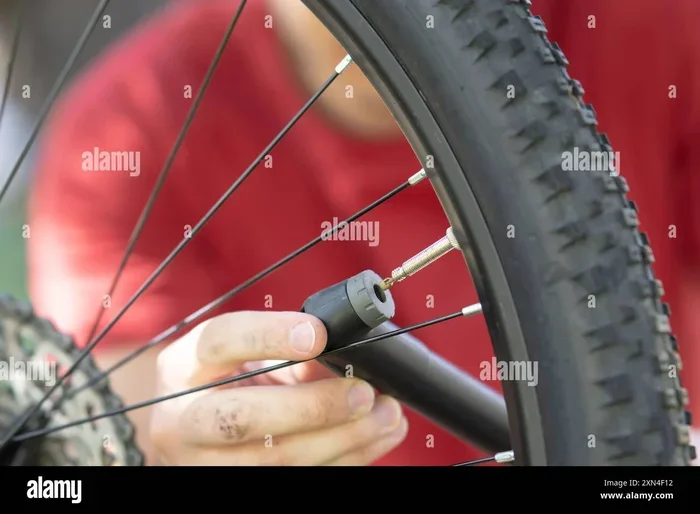
Using a floor pump takes just a few minutes. Simply attach the pump head to the valve, lock it in place, and pump until you reach the target PSI. Check the gauge on the pump as you go.
Handheld Mini Pumps
A mini pump is perfect for on-the-go repairs. They are small enough to fit in a jersey pocket or saddle bag. However, mini pumps can be harder to get to high pressures, especially for road bike tires. They work best for emergency top-offs rather than full inflations.
CO2 Inflators
CO2 inflators use small cartridges of carbon dioxide to quickly fill a tire. They are popular among race cyclists and commuters who need fast results. One cartridge can usually fill a road bike tire in seconds. The downside is that CO2 cartridges are single-use and can be expensive over time.
Air Compressors
If you have access to an air compressor at home or at a gas station, you can use it to inflate your bike tires. Just be careful not to overinflate, as compressors can fill a tire very quickly. Always use a pressure gauge alongside a compressor to avoid exceeding the maximum PSI.
Common Mistakes Riders Make With Tire Pressure
Even experienced riders make mistakes with their bike tire air pressure. Knowing what to avoid can save you time, money, and frustration.
Guessing the Pressure
Never guess how much air is in your tire. Without a tire pressure gauge, you have no way of knowing if your tire is at the right PSI. Invest in a simple gauge and make it part of your pre-ride routine.
Ignoring Temperature Changes
As we mentioned, temperature affects air pressure. A tire that is perfectly inflated in the morning can be overinflated by midday in summer heat. Conversely, tires can lose pressure in cold weather. Check your pressure more often during seasonal changes.
Forgetting to Check Both Tires
It is easy to check one tire and assume the other is fine. Always check both tires before every ride. They can lose air at different rates, and riding on one underinflated tire can affect your handling.
Overinflating for Speed
Some riders think more air means more speed. While higher pressure does reduce rolling resistance on smooth roads, it also reduces traction and comfort. Overinflating can actually make your ride slower on rough surfaces because the tire cannot absorb bumps and vibrations.
How Often Should You Check Your Tire Pressure?
The general rule is to check your bike tire pressure before every ride. Air leaks out slowly over time, even through the valve and the tire itself. A tire that was perfectly inflated last week might be low today.
If you ride frequently, a quick check with a gauge takes only a few seconds. It is one of the easiest maintenance tasks you can do, and it makes a huge difference in how your bike feels and performs.
For riders who store their bikes for long periods, check the pressure before your first ride of the season. Tires can lose a significant amount of air over weeks or months of sitting idle.
Final Thoughts
Getting the right air in your bike tire is one of the simplest yet most impactful things you can do for your ride. It improves your speed, your comfort, and your safety on every outing. Whether you are a road cyclist, a mountain biker, or a casual commuter, taking a few minutes to check and adjust your tire inflation is always worth it.
Remember to check your tire sidewall for the recommended PSI range, use a quality pressure gauge, and make it a habit to check before every ride. With the right bike tire pressure, every ride will feel better. If you ever find yourself on the side of the road with a flat, know that putting air back in is quick and easy with the right tools and a little practice.
Stay safe, stay inflated, and enjoy every mile.
Frequently Asked Questions
How much air should I put in my bike tire?
The amount of air depends on your bike type and tire size. Check the sidewall of your tire for the recommended PSI range. Road bikes typically need 80 to 130 PSI, while mountain bikes usually require 25 to 50 PSI. Always use a pressure gauge to ensure accuracy.
Can a bike tire pop from too much air?
Yes, overinflating a bike tire can cause it to burst. Exceeding the maximum PSI listed on the tire sidewall puts too much stress on the tire walls. Always stay within the recommended range to avoid blowouts and ensure safe riding.
How do I know if my bike tire needs air?
Signs of low tire pressure include a sluggish feel, increased rolling resistance, and a squishing sound when you ride. You can also press the tire with your thumb. If it feels soft or gives easily, it needs more air. Using a pressure gauge is the most reliable method.
What is the best tool for inflating a bike tire?
A floor pump with a built-in pressure gauge is the best option for home use. It is fast, accurate, and easy to operate. For on-the-go repairs, a CO2 inflator or a compact mini pump works well for quick top-offs.
Does temperature affect bike tire pressure?
Yes, temperature changes directly affect tire pressure. Warm air expands, which can increase PSI on hot days. Cold air contracts, which lowers pressure in winter. Check your tire pressure regularly, especially during seasonal temperature shifts.
How often should I check my bike tire pressure?
You should check your bike tire pressure before every ride. Air leaks slowly over time, so even tires that were fully inflated a few days ago may be low. A quick check takes only a few seconds and can prevent many riding issues.