How Does Exercise Bike Help to Lose Weight

An exercise bike is one of the most accessible and effective tools for burning calories and shedding unwanted weight. It offers a low-impact cardio workout that suits all fitness levels while targeting key muscle groups in your legs and core. Regular cycling sessions create a calorie deficit, boost your metabolism, and support sustainable fat loss without stressing your joints. Whether you are a beginner or a seasoned fitness enthusiast, understanding how to use your bike correctly can transform your results and keep you motivated on your weight loss journey.
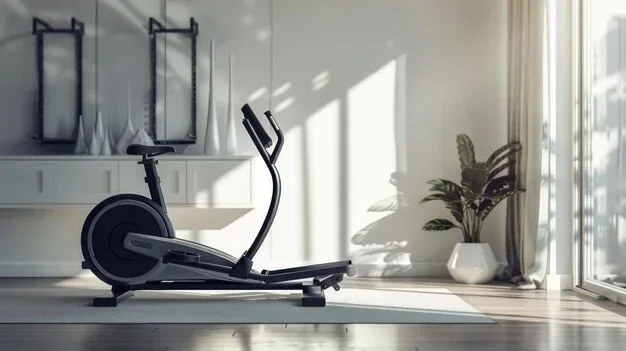
Have you ever wondered how does exercise bike help to lose weight? It is a question many people ask when they start looking for a practical way to shed extra pounds. An exercise bike sits in the corner of thousands of homes, and for good reason. It is simple, effective, and gentle on your body. Unlike running on a treadmill, cycling puts very little stress on your knees and hips. This makes it one of the best choices for people who want to start a weight loss journey without the risk of injury.
The beauty of an exercise bike is that anyone can use it. You do not need special skills or a gym membership. You just hop on, adjust the seat, and start pedaling. Over time, your body burns calories, your heart gets stronger, and your legs get toned. The results add up quickly when you stay consistent. In this article, we will walk through exactly how an exercise bike supports weight loss, how many calories you can expect to burn, and how to design a routine that actually works for you.
Key Takeaways
- Calorie Burn: A single session on an exercise bike can burn 400 to 600 calories depending on intensity and duration.
- Low Impact: Stationary cycling protects your joints while delivering effective cardiovascular exercise.
- Consistency Matters: Regular sessions of 30 to 60 minutes, three to five times per week, deliver the best weight loss results.
- Muscle Engagement: Cycling works your quads, hamstrings, glutes, and calves, helping build lean muscle that boosts metabolism.
- Customizable Workouts: You can adjust resistance and speed to match your fitness level and progressively challenge yourself.
- Belly Fat Reduction: While spot reduction is a myth, overall fat loss through cycling can reduce belly fat over time.
- Home Convenience: An exercise bike offers a practical, time-saving workout you can do without leaving home.
📑 Table of Contents
- How Does an Exercise Bike Burn Calories
- Why Low-Impact Exercise Matters for Weight Loss
- Muscle Groups Targeted by Cycling
- How to Design an Effective Exercise Bike Workout for Weight Loss
- Common Mistakes to Avoid When Using an Exercise Bike
- How Long Does It Take to See Results
- Benefits Beyond Weight Loss
- Conclusion
How Does an Exercise Bike Burn Calories
At its core, weight loss comes down to one simple principle: you need to burn more calories than you eat. An exercise bike helps you do exactly that. When you pedal, your body uses stored energy to power your muscles. This energy comes from the calories you consume throughout the day. The harder you work, the more calories you burn.
A moderate cycling session can burn between 400 and 600 calories per hour. If you increase the intensity, that number climbs even higher. What makes the exercise bike so effective is that you can sustain a workout for a longer period compared to high-impact activities like running. This means more total calories burned over time. How long on an exercise bike to lose weight depends on your current weight, the intensity level, and how consistently you train. Most experts recommend at least 150 minutes of moderate cardio per week for meaningful weight loss.
Factors That Affect Calorie Burn
Not everyone burns calories at the same rate on an exercise bike. Several factors play a role in determining your results:
- Body Weight: Heavier individuals burn more calories during the same workout because their bodies require more energy to move.
- Intensity Level: Pedaling faster or increasing resistance pushes your body to work harder, which increases calorie expenditure.
- Duration: Longer sessions naturally burn more calories. Even a 20-minute ride counts toward your weekly goal.
- Resistance Settings: Higher resistance builds more muscle and increases the afterburn effect, where your body continues burning calories even after you stop.
- Fitness Level: Beginners may burn fewer calories at first because their bodies are not yet efficient. However, as you improve, your workouts become more productive.
Why Low-Impact Exercise Matters for Weight Loss
One of the biggest advantages of an exercise bike is that it is a low-impact workout. This means your joints do not take a beating the way they would during running or jumping. For people who are overweight or dealing with joint pain, this is a game-changer. You can exercise regularly without worrying about damage to your knees, ankles, or hips.
Low-impact does not mean low-results. Studies show that steady-state cycling is just as effective for fat loss as higher-impact exercises when performed consistently. The key is to keep your heart rate in the moderate zone for an extended period. This is where the magic happens. Your body taps into fat stores for fuel, and over weeks and months, you start to see real changes in your body composition.
If you are new to fitness, starting with a low-impact exercise bike lets you build a foundation. You can gradually increase the duration and intensity as your body adapts. This approach reduces the risk of burnout or injury, which are the two biggest reasons people quit their weight loss efforts. A sustainable routine always beats an extreme one.
Muscle Groups Targeted by Cycling
Many people think cycling only works your legs. While it is true that your lower body does most of the work, an exercise bike engages more muscles than you might expect. Understanding which muscles you are working helps you appreciate why cycling is so effective for weight loss.
Primary Muscles Worked
When you push the pedals down, your quadriceps, hamstrings, and glutes fire up. These are the largest muscle groups in your body, and the more muscle you engage, the more calories you burn. Your calves also work hard to stabilize your feet during each pedal stroke.
Secondary Muscles Engaged
Your core muscles, including your abdominals and lower back, work to keep you stable on the bike. Your arms and shoulders also contribute, especially if you are using a bike with moving handlebars. The more muscles you recruit, the higher your calorie burn and the better your overall body composition becomes over time.
Building lean muscle through regular cycling also boosts your resting metabolic rate. This means you burn more calories even when you are sitting on the couch. That is a huge advantage for anyone trying to lose weight and keep it off.
How to Design an Effective Exercise Bike Workout for Weight Loss
Knowing how an exercise bike helps you lose weight is only half the battle. The other half is knowing how to use it correctly. A well-designed workout plan makes all the difference between spinning your wheels and actually reaching your goals.
Start with a Warm-Up
Always begin with five to ten minutes of easy pedaling at a low resistance. This wakes up your muscles, increases blood flow, and prepares your joints for the work ahead. Skipping the warm-up increases your risk of injury and reduces the quality of your session.
Add Interval Training
Interval training is one of the most powerful ways to maximize calorie burn on an exercise bike. Alternate between periods of high-intensity pedaling and recovery phases. For example, pedal hard for 30 seconds, then ease off for 60 seconds. Repeat this cycle for 20 to 30 minutes. How to use an exercise bike to lose weight becomes much more effective when you add intervals to your routine.
Track Your Progress
Most modern exercise bikes come with displays that track your speed, distance, heart rate, and calories burned. Use this data to monitor your progress and push yourself gradually. Setting small, achievable goals keeps you motivated and helps you see how far you have come.
Stay Consistent
The best workout plan means nothing if you do not stick with it. Aim for three to five sessions per week, each lasting 30 to 60 minutes. How often to use exercise bike to lose weight is a question many beginners ask, and the answer is consistency over intensity. Showing up regularly matters more than going all-out once and then quitting.
Common Mistakes to Avoid When Using an Exercise Bike
Even with the best intentions, people often make mistakes that slow down their progress. Being aware of these pitfalls helps you avoid them and get the most out of every session.
- Setting the Seat Too Low or Too High: An improper seat position strains your knees and reduces the effectiveness of your pedal stroke. Your legs should have a slight bend at the bottom of each revolution.
- Skipping Resistance: Some people pedal with no resistance at all, essentially spinning their wheels without building strength. Adding appropriate resistance is essential for muscle engagement and calorie burn.
- Slouching Over the Handlebars: Poor posture not only reduces the effectiveness of your workout but can also cause back pain over time. Sit upright and engage your core.
- Doing the Same Workout Every Day: Your body adapts quickly to repetitive routines. Mix up your sessions with different intensities, durations, and resistance levels to keep challenging yourself.
- Ignoring Your Diet: No amount of cycling can out-train a poor diet. Weight loss happens when you combine regular exercise with a balanced, calorie-controlled eating plan.
Avoiding these mistakes ensures that every minute you spend on the bike counts toward your weight loss goals. Small adjustments in form and routine lead to big results over time.
How Long Does It Take to See Results
Patience is key when using an exercise bike for weight loss. Most people start noticing changes within four to six weeks of consistent training. You may feel more energetic, sleep better, and see subtle shifts in your body shape before the scale moves significantly.
The amount of weight you can lose on an exercise bike depends on several factors, including your starting weight, diet, and workout consistency. A safe and sustainable rate of weight loss is one to two pounds per week. This might seem slow, but it adds up to 50 or more pounds over the course of a year. The important thing is to focus on the process, not just the number on the scale.
Tracking your progress through measurements, photos, and how your clothes fit can be just as motivating as watching the scale. Remember that building a healthier body is a marathon, not a sprint.
Benefits Beyond Weight Loss
While weight loss is a major reason people turn to exercise bikes, the benefits go far beyond burning calories. Regular cycling strengthens your heart, improves your mood, and boosts your overall energy levels. It can also help lower blood pressure, improve cholesterol levels, and reduce the risk of chronic diseases like type 2 diabetes.
Cycling is also a fantastic way to relieve stress. The rhythmic motion of pedaling can be meditative, helping you clear your mind after a long day. Many people find that their exercise bike sessions become the highlight of their day, a quiet time to recharge both physically and mentally.
Plus, having a home exercise bike means you never have to worry about gym hours, weather, or commuting to a workout location. You can exercise in your pajamas at 6 AM or after dinner at 9 PM. This convenience factor makes it much easier to stay consistent, which is the real secret behind lasting weight loss.
Conclusion
An exercise bike is a powerful, accessible, and joint-friendly tool that can help you achieve your weight loss goals. From burning calories and building lean muscle to improving your cardiovascular health and boosting your mood, the benefits are hard to ignore. The key is to stay consistent, vary your workouts, and pair your cycling routine with a balanced diet.
Now that you understand exactly how an exercise bike helps you lose weight, you have everything you need to get started. Set realistic goals, create a weekly schedule, and commit to showing up for yourself every day. Your future self will thank you for it. So get on that bike, start pedaling, and enjoy the journey toward a healthier, stronger you.
Frequently Asked Questions
How many calories can I burn in 30 minutes on an exercise bike?
A 30-minute session on an exercise bike can burn approximately 200 to 400 calories depending on your weight and the intensity level. Heavier individuals tend to burn more calories during the same workout. Increasing resistance and maintaining a steady pace helps maximize your calorie burn.
Is riding an exercise bike every day safe for weight loss?
Yes, riding an exercise bike daily is generally safe for most people, especially since it is a low-impact activity. However, it is wise to vary the intensity and duration to allow your muscles to recover. For sustainable weight loss, aim for three to five sessions per week with rest days in between.
Can an exercise bike help reduce belly fat specifically?
While spot reduction is not possible, regular cycling on an exercise bike helps burn overall body fat, including belly fat. The combination of cardio exercise and muscle engagement boosts your metabolism, which promotes fat loss across your entire body over time.
What is the best time of day to use an exercise bike for weight loss?
The best time is whenever you can consistently show up and give your best effort. Some people prefer morning workouts to kickstart their metabolism, while others find evening sessions help them de-stress. The key is choosing a time you can stick with long-term.
Do I need to adjust the resistance on my exercise bike?
Yes, adjusting resistance is important for an effective workout. Low resistance is great for warm-ups and recovery, while higher resistance builds strength and increases calorie burn. A mix of resistance levels throughout the week keeps your workouts balanced and challenging.
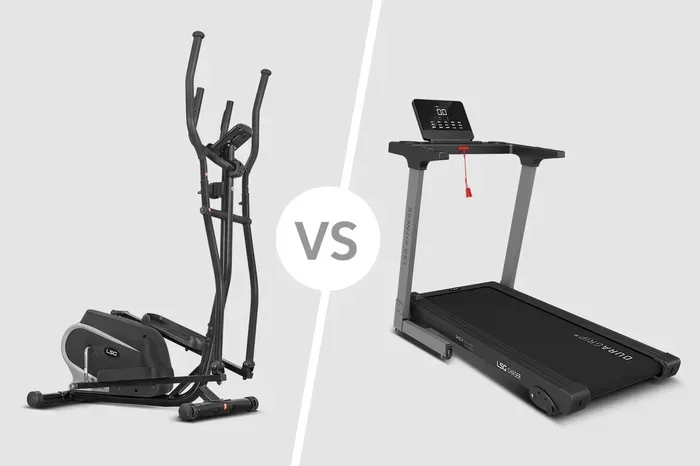
How does an exercise bike compare to a treadmill for weight loss?
Both machines are effective for weight loss, but an exercise bike is gentler on your joints. Treadmills burn slightly more calories at the same effort level due to the impact of running. However, many people can exercise longer on a bike, which often leads to comparable or even better total calorie burn over time.