What Is a Good Elliptical Machine to Buy
Choosing the right elliptical machine doesn’t have to be overwhelming. This guide walks you through everything you need to know about buying an elliptical trainer for your home, from flywheel weight and stride length to budget options and top brands. You’ll learn how to match the right machine to your fitness goals and space.
Shopping for an elliptical machine can feel confusing. There are so many brands, models, and features on the market. How do you know which one is actually worth your money?
Whether you want a compact elliptical for a small apartment or a full-size trainer for your home gym, this guide has you covered. I’ll break down everything you need to consider before spending your hard-earned cash. By the end, you’ll know exactly what to look for and what to avoid.
Key Takeaways
- Flywheel weight matters: A heavier flywheel (15-25 lbs) delivers smoother, quieter workouts that feel more like natural walking or running.
- Stride length should match your body: Most adults need a stride between 18 and 22 inches for comfortable use without feeling cramped.
- Budget options exist: You can find a solid compact elliptical for under $500, while premium models with advanced features run $1,000-$2,500.
- Check the resistance levels: More resistance options mean more variety in your cardio workout and better muscle engagement.
- Consider your space: Foldable models save room, but always measure your available area before purchasing.
- Weight capacity is critical: Choose a machine rated for at least 20-30 lbs more than your body weight for safety and longevity.
📑 Table of Contents
Why Buying the Right Elliptical Machine Matters
A good elliptical trainer can transform your fitness routine. It gives you a low impact exercise option that’s gentle on your joints. You get a solid cardio workout without the stress that running puts on your knees and ankles.
But a bad choice leads to frustration. The machine might be too small, too loud, or too hard to use. You end up with an expensive clothes hanger in your living room. That’s why spending time researching before you buy matters so much.
Think about your fitness goals first. Are you trying to lose weight? Build endurance? Stay active during recovery? Different machines serve different needs. A what is a good elliptical machine for the home guide can help you narrow things down based on your specific situation.
Key Features to Look For When Buying
Flywheel Weight and Smoothness
The flywheel is the heavy wheel that spins when you pedal. What is a good flywheel weight for an elliptical? Generally, you want something between 15 and 25 pounds. Heavier flywheels create a smoother, more natural feel. They also run quieter, which matters if you have neighbors or family members nearby.
Lighter flywheels under 10 pounds tend to feel jerky and cheap. They can also be noisier during your workout. If you plan to use your machine daily, investing in a heavier flywheel is worth every penny.
Stride Length
Your stride length should match your height and leg length. Most adults do well with a stride between 18 and 22 inches. If the stride is too short, you’ll feel cramped. Too long, and you’ll feel stretched out and uncomfortable.
Here’s a quick guide:
- Under 5’3″: Look for 16-18 inch strides
- 5’3″ to 5’10”: 18-20 inch strides work well
- Over 5’10”: 20-22 inch strides are ideal
Before you buy, measure your inseam and compare it to the machine’s specs. This simple step saves a lot of returns and exchanges.
Resistance Levels
More resistance options give you more control over your workout programs. Entry-level machines might offer 8 to 16 resistance levels. Mid-range and premium models often provide 20 or more levels.
Magnetic resistance is the quietest and most durable type. It also requires very little maintenance. Friction-based resistance systems wear out faster and can get noisy over time. If you can afford a magnetic system, go for it.
Console and Display
The console is where you track your progress. Look for displays that show your time, distance, speed, calories burned, and heart rate. Some higher-end models offer built-in workout programs that automatically adjust resistance to keep you challenged.
You don’t need a fancy screen to get a good workout. But a clear, easy-to-read display makes your sessions more enjoyable and helps you stay motivated.
Budget Considerations
How Much Should You Spend?
Price ranges for elliptical machines vary widely. Here’s a realistic breakdown of what you can expect at each price point:
- Budget ($300-$500): Basic models with essential features. These machines work well for light to moderate use. They’re great for beginners who want to try elliptical workouts without a big commitment.
- Mid-Range ($500-$1,200): Better build quality, smoother operation, and more features. These machines handle regular use well and offer a more comfortable experience.
- Premium ($1,200-$2,500+): Commercial-grade components, advanced consoles, and premium comfort features. These are built to last for years of heavy use.
You don’t need to spend top dollar to get a quality machine. But spending less than $300 usually means sacrificing durability and smoothness. Find the sweet spot that fits your budget and needs.
Where to Buy
You can buy elliptical machines from big-box retailers, online marketplaces, or directly from manufacturers. Each option has pros and cons.
Online shopping often gives you better prices and more reviews to read. But you can’t test the machine before buying. Retailers let you try before you commit, which is a big advantage. Some manufacturers offer free delivery and assembly, which saves you time and hassle.
Top Things to Consider for Your Space
Space is one of the biggest factors in choosing the right elliptical machine. Not everyone has a dedicated home gym room. Many of us need to fit fitness equipment into a living room, bedroom, or garage.
Measure your available space carefully. Leave room for the machine itself plus clearance for safe entry and exit. A machine that’s too close to a wall can be frustrating and potentially dangerous.
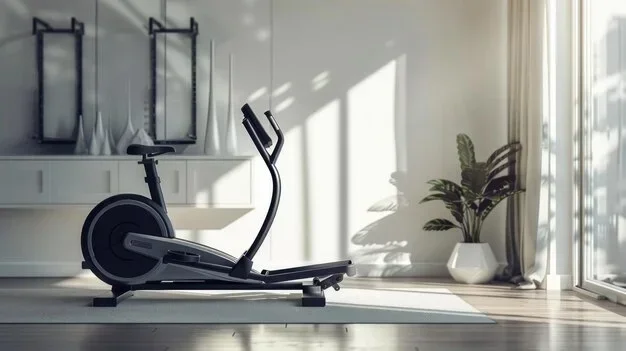
Foldable models are a lifesaver for small spaces. Many modern compact elliptical machines fold upright, making them easy to store behind a couch or in a closet. But keep in mind that foldable models are often lighter and may feel less stable during intense workouts.
Weight Capacity
Always check the maximum user weight before you buy. Choose a machine rated for at least 20 to 30 pounds more than your current body weight. This gives you a safety margin and ensures the machine lasts longer.
Overloading an elliptical trainer can damage the motor, wear out bearings faster, and void your warranty. It’s a simple step that many people overlook, so make sure you check this detail.
Elliptical vs Other Cardio Machines
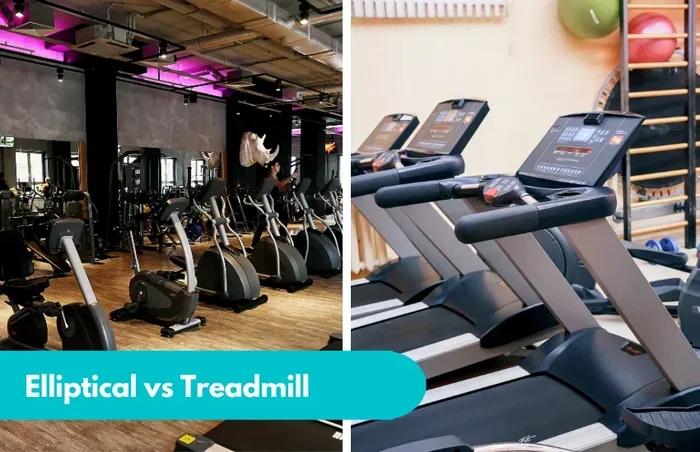
Not sure if an elliptical is right for you? Let’s compare it to some popular alternatives. Many people wonder whether an elliptical machine is better than a treadmill or a rowing machine for their goals.
Compared to a treadmill, an elliptical is much easier on your joints. Running on a hard surface stresses your knees and hips. The elliptical’s smooth gliding motion eliminates that impact entirely. If you have joint issues or are recovering from an injury, the elliptical is often the better choice.
When comparing to a rowing machine, each has its strengths. A rowing machine works your upper and lower body more aggressively. It also builds more functional strength. But if your primary goal is a low-impact cardio workout, the elliptical wins for comfort and ease of use.
For those interested in a side-by-side comparison, check out our what is a better workout elliptical or rowing machine article for a detailed breakdown of pros and cons.
How to Get the Most Out of Your Elliptical
Start Slow and Build Up
If you’re new to elliptical training, don’t jump into hour-long sessions right away. Start with 15 to 20 minutes at a comfortable pace. Let your body adjust to the motion and build endurance gradually.
Increase your workout time by 5 minutes each week. Within a month or two, you’ll be comfortably completing 30 to 45 minute sessions. Consistency matters more than intensity when you’re just starting out.
Use Proper Form
Stand up straight on the machine. Don’t lean on the handlebars too much. Keep your core engaged and your shoulders relaxed. Your feet should stay flat on the pedals throughout the motion.
Good form prevents injuries and maximizes results. If you feel pain in your knees or hips, stop and check your posture. Sometimes a small adjustment makes a big difference.
Mix Up Your Routine
Doing the same workout every day gets boring fast. Use the different resistance levels to create variety. Try interval training: alternate between high resistance for 2 minutes and low resistance for 1 minute. This keeps your body challenged and your mind engaged.
You can also vary your workout focus. Some days, go for endurance with steady moderate resistance. Other days, push for intensity with higher resistance and faster speeds. Variety is the key to long-term success with any fitness equipment.
Common Mistakes to Avoid
Avoid these common mistakes when shopping for and using your elliptical machine:
- Skipping the test drive: Always try a machine in person if possible. How it feels under your feet matters more than any spec sheet.
- Ignoring assembly requirements: Some machines require professional assembly. Factor this cost and time into your decision.
- Buying the cheapest option: The cheapest machine often leads to the most frustration. Poor smoothness, loud operation, and flimsy construction ruin motivation.
- Neglecting maintenance: Keep your machine clean and lubricated. Regular maintenance extends its lifespan significantly.
- Overlooking return policies: Always check the return policy before you buy. A generous return window gives you peace of mind.
For tips on maintaining your machine and getting the best results, our what is a good workout on an elliptical machine guide covers practical strategies for maximizing every session.
Final Thoughts on Buying the Right Elliptical
Buying an elliptical machine is a big decision for your health and your wallet. The right machine makes low impact exercise convenient and enjoyable right in your own home. The wrong one collects dust and costs you money.
Focus on the features that matter most to you. Flywheel weight, stride length, resistance levels, and build quality should guide your decision. Set a realistic budget and stick to it. And don’t forget to measure your space before you order.
Remember, the best elliptical trainer is the one you’ll actually use consistently. Choose a machine that fits your body, your goals, and your lifestyle. Once you find the right fit, you’ll wonder why you didn’t buy one sooner.
Whether you’re a beginner or a seasoned fitness enthusiast, a quality elliptical machine can take your home gym equipment to the next level. Start with the basics, stay consistent, and enjoy the journey toward better fitness.
Frequently Asked Questions
What is the best elliptical machine for a small apartment?
Look for a compact elliptical that folds up for easy storage. Models under 40 pounds with a stride length of 16 to 18 inches work well in tight spaces. Check the weight capacity and stability ratings before purchasing.
How long should my elliptical workouts be?
For beginners, start with 15 to 20 minute sessions three times per week. As your fitness improves, work up to 30 to 45 minutes. For weight loss and endurance goals, aim for at least 150 minutes of moderate cardio workout time per week on your elliptical machine.
Is an elliptical good for weight loss?
Yes, elliptical workouts burn a significant number of calories and are easy on your joints. Combined with a healthy diet, regular elliptical training can help you achieve your weight loss goals. For more details, check out our guide on is the elliptical a good exercise to lose weight.
Do I need a premium elliptical to see results?
No, you don’t need to spend a fortune to see real results. A mid-range elliptical trainer with smooth operation and adjustable resistance is plenty for most users. Focus on consistency and proper form rather than the price tag of your machine.
Can I use an elliptical if I have knee problems?
Ellipticals are one of the best low impact exercise options for people with knee issues. The gliding motion eliminates the jarring impact of running. However, you should consult your doctor before starting any new exercise routine, especially if you have existing joint problems.
What maintenance does an elliptical need?
Keep the machine clean and wipe down the pedals and handlebars after each use. Check for loose bolts every few months. Lubricate moving parts according to the manufacturer’s instructions. Regular care keeps your elliptical machine running smoothly for years.