How Heavy Should Flywheel Be on Spin Bike
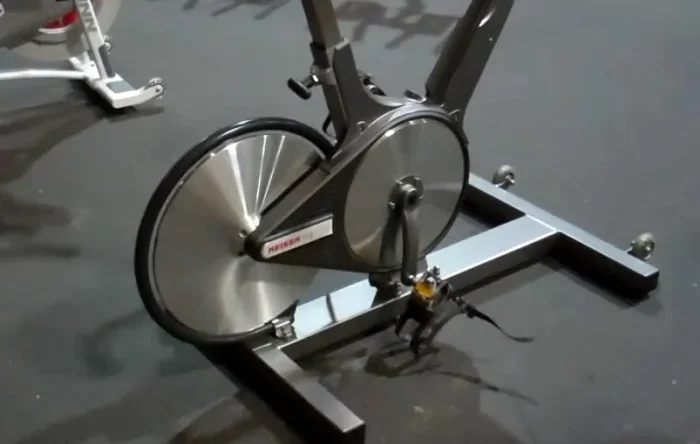
The flywheel weight on a spin bike plays a huge role in how smooth and effective your ride feels. Most experts recommend a flywheel between 30 and 50 pounds for home spin bikes, while commercial gyms often use heavier options. Choosing the right weight impacts your indoor cycling experience, resistance levels, and overall workout quality.
When you are shopping for a spin bike, one thing that often gets overlooked is the flywheel. Everyone talks about resistance systems, frame quality, and seat comfort. But the flywheel? That little heavy disc is the heart of your entire ride. It determines how smooth your pedaling feels, how much momentum carries through each stroke, and how hard your muscles have to work. If you have ever wondered how heavy should flywheel be on spin bike, you are in the right place. This guide breaks everything down in simple terms so you can make a smart choice.
Flywheel weight is not just a number on a spec sheet. It directly affects your indoor cycling experience. Too light, and your ride feels choppy and unnatural. Too heavy, and you may struggle to control your speed, especially during quick sprints. The sweet spot depends on your fitness level, goals, and the type of workouts you prefer. Let us dive into what you need to know.
Key Takeaways
- Ideal flywheel weight ranges from 30 to 50 pounds for most home spin bikes.
- Heavier flywheels provide smoother pedaling and more consistent momentum.
- Lighter flywheels are easier to stop and better for beginners learning cadence.
- Flywheel material and design matter just as much as weight alone.
- Check your fitness goals before deciding on a flywheel weight.
- Regular maintenance keeps your flywheel performing at its best over time.
- The right flywheel weight reduces joint stress and improves pedal stroke efficiency.
📑 Table of Contents
- What Is a Flywheel and Why Does It Matter?
- How Heavy Should the Flywheel Be on a Spin Bike?
- Heavy vs. Lightweight Flywheel: Which Is Better?
- What Affects Flywheel Performance?
- How to Choose the Right Flywheel Weight for You
- Maintaining Your Spin Bike Flywheel
- Common Mistakes People Make With Flywheel Weight
- The Bottom Line
What Is a Flywheel and Why Does It Matter?
A flywheel is the heavy disc attached to the pedals on a spin bike. When you push the pedals, the flywheel spins. Its weight creates inertia, which keeps the wheel moving even when your legs slow down. This is what gives indoor cycling that smooth, road-like feeling.
Think of it like riding a real bicycle. A heavier bike wheel keeps rolling longer after you stop pedaling. A lighter wheel stops quickly. The same principle applies to your spin bike flywheel. The weight of the flywheel shapes your entire pedaling experience.
How important is flywheel weight on an exercise bike? It is one of the most important factors. It affects smoothness, resistance feel, noise level, and how your muscles respond during a workout. Ignoring flywheel weight can lead to a frustrating riding experience, no matter how good the rest of the bike is.
How Flywheel Weight Affects Your Ride
Here is how flywheel weight changes things on the bike:
- Momentum: A heavier flywheel keeps spinning longer, giving you a more continuous pedal stroke.
- Resistance feel: Heavier wheels create more natural resistance without relying solely on the bike’s magnetic or friction system.
- Smoothness: More weight reduces jerky movements and makes each revolution feel fluid.
- Noise: Heavier flywheels tend to run quieter because they vibrate less during use.
- Muscle engagement: A lighter flywheel requires more effort to keep moving, which can increase muscle activation in certain phases of the pedal stroke.
How Heavy Should the Flywheel Be on a Spin Bike?
The short answer is that most spin bikes work best with a flywheel weighing between 30 and 50 pounds. This range covers the needs of most riders, from beginners to advanced cyclists. But the ideal weight depends on several factors that we will explore below.
If you are asking yourself, how heavy should flywheel be on spin bike for your specific situation, the answer comes down to three things: your experience level, your workout style, and the type of bike you own.
Flywheel Weight for Beginners
If you are new to indoor cycling, a flywheel in the 30 to 35 pound range is a great starting point. Lighter flywheels are easier to control. They allow you to focus on learning proper cadence and form without fighting too much momentum. You can also stop quickly when needed, which adds a layer of safety.
Beginners often make the mistake of thinking heavier is always better. But a heavy flywheel on a bike you are still learning to use can feel overwhelming. Start lighter and work your way up as your fitness improves.
Flywheel Weight for Intermediate and Advanced Riders
Intermediate riders typically benefit from a 35 to 45 pound flywheel. This range provides enough momentum for sustained climbs and sprints while still being manageable. Advanced cyclists who simulate outdoor road conditions often prefer flywheels in the 45 to 50 pound range or even heavier.
Experienced riders know that a heavier flywheel mimics the feel of outdoor cycling better. The consistent momentum helps you maintain a steady cadence during long rides. It also allows you to push harder during interval training without the wheel slowing down too quickly between bursts.
Commercial vs. Home Spin Bikes
Commercial spin bikes found in gyms often feature flywheels weighing 50 pounds or more. These bikes are built for heavy daily use and need the extra mass to maintain smoothness over thousands of rides. Home spin bikes usually come with lighter flywheels because they do not face the same level of continuous use.
If you are buying a flywheel weight spin bike for home use, you do not need to match commercial specs. A 35 to 40 pound flywheel will serve most home riders extremely well.
Heavy vs. Lightweight Flywheel: Which Is Better?
This is one of the most debated topics in indoor cycling. The truth is that neither option is universally better. Each has clear advantages depending on your goals and riding style.
So, is a heavier flywheel better on a spin bike? Not always. Let us compare.
| Feature | Heavy Flywheel (40+ lbs) | Light Flywheel (Under 30 lbs) |
|---|---|---|
| Smoothness | Very smooth, consistent momentum | Less smooth, more effort needed |
| Control | Harder to change speed quickly | Easy to accelerate and decelerate |
| Muscle Engagement | Steady engagement, less burst effort | Higher activation during acceleration |
| Noise Level | Quieter operation | Can be slightly louder |
| Best For | Endurance rides, climbs, steady state | HIIT, sprints, beginners |
| Mimics Outdoor Cycling | Yes, very closely | Less realistic feel |
| Maintenance | Heavier, harder to move | Lighter, easier to adjust |
As you can see, the choice depends on what kind of indoor cycling you plan to do most often. If you love long, steady climbs and endurance sessions, a heavier flywheel is your best friend. If you prefer fast-paced HIIT workouts and sprint intervals, a lighter flywheel gives you the agility you need.
Many modern spin bikes offer adjustable or dual-flywheel systems that let you fine-tune the feel. This is a great option if you want versatility in your training.
What Affects Flywheel Performance?
Weight is not the only factor that determines how a flywheel performs on your spin bike. Several other elements play a role in the overall feel and effectiveness of your ride.
Flywheel Material
Most flywheels are made from cast iron or steel. Cast iron flywheels are the standard in most quality spin bikes. They are dense, durable, and provide excellent inertia. Some higher-end models use aluminum alloy flywheels, which are lighter but still effective.
The material affects not only weight but also heat dissipation. During intense workouts, flywheels can get hot. Iron and steel handle heat better than lighter metals, which means more consistent performance over long sessions.
Resistance System Type
The type of resistance system on your bike interacts directly with the flywheel. Magnetic resistance systems use magnets to create drag without touching the flywheel. This means less wear and tear and a smoother feel. Friction-based resistance systems use pads pressed against the flywheel, which can create more noise and require more maintenance.
When paired with a good flywheel weight spin bike, magnetic resistance delivers a premium riding experience that feels close to outdoor cycling.
Drive System
The drive system connects the pedals to the flywheel. Belt-drive systems are quieter and smoother than chain-drive systems. If you have a heavy flywheel paired with a belt drive, you get a very quiet and buttery-smooth ride. Chain drives can handle more weight but tend to be louder and need more frequent maintenance.
Flywheel Diameter and Thickness
Weight alone does not tell the full story. A larger diameter flywheel stores more kinetic energy, which contributes to smoothness. A thicker flywheel also adds stability during high-speed rides. When evaluating flywheel specs, consider weight, diameter, and thickness together.
How to Choose the Right Flywheel Weight for You
Choosing the right flywheel weight comes down to matching the bike to your personal needs. Here is a simple framework to help you decide.
Step 1: Define Your Workout Goals
What are you trying to achieve with your indoor cycling? Are you training for an outdoor cycling event? Do you want to burn calories and lose weight? Are you focused on building leg strength and endurance?
If your goal is to burn calories and enjoy general fitness, a moderate flywheel weight around 35 to 40 pounds will work perfectly. You can find out more about how many calories you can expect to burn during a spin session to help set realistic goals.
If you are training for a race or preparing for long outdoor rides, lean toward a heavier flywheel in the 45 to 50 pound range. The added momentum will better replicate road conditions.
Step 2: Consider Your Fitness Level
Be honest about where you stand. If you are just starting out, do not buy a bike with a 50-pound flywheel thinking it will make you fit faster. It will only make the experience harder and potentially discouraging.
Start with a manageable weight and progress as your strength and endurance grow. Your body will adapt, and you can always upgrade your bike later.
Step 3: Think About Your Space and Budget
Heavier flywheels make the bike more stable but also harder to move. If you need to store your bike or move it frequently, a lighter flywheel might be more practical.
Budget also plays a role. Bikes with heavier flywheels tend to cost more because they use more material and higher-grade components. Set a realistic budget and find the best flywheel weight within that range.
Quick Tips for Choosing Your Flywheel
- Test ride the bike before buying if possible.
- Read reviews from riders with similar goals to yours.
- Look for a flywheel weight between 30 and 50 pounds for general use.
- Consider a belt-drive system for quieter operation.
- Check if the bike allows you to adjust resistance easily.
Maintaining Your Spin Bike Flywheel
Once you have chosen the right flywheel, proper maintenance will keep it performing well for years. A well-maintained flywheel also contributes to a smoother and safer ride every time you hop on the bike.
Regularly inspect your flywheel for dust and debris buildup. Wipe it down after each workout with a dry cloth. If your bike uses a friction-based resistance system, check the resistance pads for wear. Worn pads can damage the flywheel surface over time.
For belt-drive systems, check the belt tension every few months. A loose belt can slip and reduce the efficiency of your ride. For chain-drive systems, lubricate the chain regularly to prevent rust and keep the ride smooth.
Also, make sure your bike is placed on a level surface. An uneven floor can cause the flywheel to wobble slightly, which affects pedaling smoothness and can lead to premature wear.
Taking care of your flywheel is a simple way to protect your investment and ensure that every indoor cycling session feels as good as the first one.
Common Mistakes People Make With Flywheel Weight
Avoid these common pitfalls when choosing a flywheel for your spin bike:
- Assuming heavier is always better: Heavier is not always the right choice. It depends on your riding style, fitness level, and goals.
- Ignoring the resistance system: The flywheel works with the resistance system. A heavy flywheel with a poor resistance system will still feel bad.
- Overlooking noise levels: Some flywheel designs create more noise than others. Consider your living space if you are working out at home.
- Skipping the test ride: Never buy a spin bike without testing it. The feel of the flywheel is something you need to experience firsthand.
- Neglecting maintenance: Even the best flywheel will underperform without regular care and cleaning.
The Bottom Line
So, how heavy should flywheel be on spin bike? For most riders, the answer is somewhere between 30 and 50 pounds. The exact weight depends on your experience level, workout style, and personal preferences. A lighter flywheel works well for beginners and HIIT lovers. A heavier flywheel suits endurance riders and those who want an outdoor-like experience indoors.
The most important thing is to choose a flywheel weight that matches your goals and makes you want to get on the bike consistently. The best flywheel is the one that keeps you riding. Pair your flywheel choice with proper maintenance and smart training, and you will enjoy indoor cycling for years to come.
Whether you are grinding through a long climb or smashing out sprint intervals, the right flywheel weight makes all the difference. Take the time to find your perfect match, and your spin bike sessions will never feel the same again.
Frequently Asked Questions
What is the ideal flywheel weight for a home spin bike?
For most home riders, a flywheel weighing between 30 and 40 pounds is ideal. This range provides a good balance of smoothness, control, and ease of use. It works well for beginners and intermediate riders alike.
Can a flywheel be too heavy on a spin bike?
Yes, a flywheel can be too heavy, especially for beginners. A flywheel over 50 pounds can make it difficult to control your speed during quick changes. It can also make the bike harder to move and store. Choose a weight that matches your fitness level and riding goals.
Does flywheel weight affect calorie burn on a spin bike?
Flywheel weight has a indirect effect on calorie burn. A heavier flywheel provides smoother momentum, which can help you maintain a steady pace for longer. This may increase overall calorie burn during a session. However, the intensity and duration of your workout matter more than flywheel weight alone.
How often should I clean my spin bike flywheel?
You should wipe down your flywheel after every few workouts. Dust and sweat buildup can affect performance over time. For a deeper clean, inspect and wipe the flywheel once a week. This simple habit extends the life of your flywheel and keeps your ride smooth.
Is a heavier flywheel better for simulating outdoor cycling?
Yes, a heavier flywheel more closely mimics the feel of outdoor cycling. The added momentum creates a more realistic road feel and helps maintain a consistent cadence. If you are training for outdoor events, a heavier flywheel in the 45 to 50 pound range is a solid choice.
What is the difference between a heavy and light flywheel for sprint training?
A lighter flywheel allows you to accelerate quickly and change speeds with ease, which is essential for sprint training. A heavy flywheel resists quick changes and is better suited for steady-state endurance work. Choose based on the type of training you do most often.