Should I Do Barbell and Dumbbell Bench Press
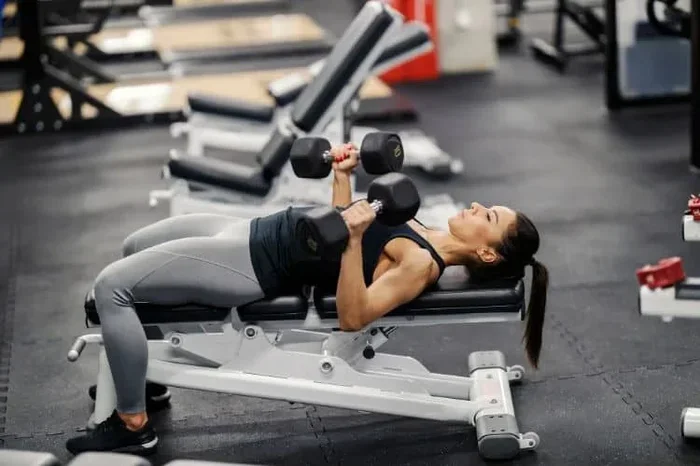
Doing both barbell and dumbbell bench press can build a stronger, more balanced chest. Each exercise offers unique benefits that the other can’t fully replace. You get better muscle activation, improved strength, and fewer imbalances when you train with both tools.
The barbell and dumbbell bench press is one of the most talked-about topics in strength training. If you have ever stood in front of a flat bench wondering which tool to grab, you are not alone. Many lifters face this exact question every single gym session.
The truth is, both exercises have real value. They target your chest, shoulders, and triceps in slightly different ways. Choosing one over the other can limit your progress. But doing both? That opens up a world of benefits you might not expect.
In this guide, we break down everything you need to know. You will learn the key differences, the unique benefits of each, and how to decide which approach fits your goals. By the end, you will know exactly what to do the next time you step up to the bench.
Key Takeaways
- Barbell bench press lets you lift heavier and build raw pressing strength.
- Dumbbell bench press improves muscle activation and fixes strength imbalances.
- Doing both exercises gives you the best of both worlds for chest development.
- Proper form matters more than which tool you choose.
- Your fitness goals should decide how you split your training between the two.
- Common mistakes include skipping warm-ups and using poor range of motion.
- Start with one variation and add the other gradually to your routine.
📑 Table of Contents
What Is the Barbell and Dumbbell Bench Press?
The bench press is a compound exercise that works your upper body. It is a staple in almost every strength training program. The barbell version uses a straight barbell, while the dumbbell version uses a pair of dumbbells. Both are compound exercises, meaning they work multiple muscle groups at once.
The barbell bench press is often the go-to for powerlifters and strength athletes. It allows you to load up heavy weight and build raw pressing power. The dumbbell bench press is popular among bodybuilders and general fitness enthusiasts. It offers a greater range of motion and better muscle isolation.
Both movements target the same primary muscles. Your pectoralis major (chest), anterior deltoids (front shoulders), and triceps all get worked hard. But the way they hit those muscles differs in important ways.
Barbell Bench Press vs Dumbbell Bench Press
Barbell Bench Press: What It Does Best
The barbell bench press is king when it comes to lifting heavy. Because the bar is a fixed object, both sides of your body move together. This stability lets you load more weight onto the bar. If your main goal is building maximum strength, the barbell version wins here.
It also trains your muscles to work as a team. Your nervous system learns to coordinate both sides of your body simultaneously. This translates well to other pressing movements and daily activities.
Here are the key benefits of the barbell bench press:
- Allows you to lift heavier loads for greater strength gains.
- Builds raw pressing power useful for powerlifting and athletics.
- Fixed path of movement makes it easier to control.
- Great for building overall upper body mass.
- Enables progressive overload with small weight increments.
Dumbbell Bench Press: What It Does Best
The dumbbell bench press offers a different set of advantages. Each arm works independently, which means you cannot cheat by letting your stronger side take over. This helps fix strength imbalances over time.
Dumbbells also allow a greater range of motion. You can stretch your chest muscles more at the bottom of each rep. This increased stretch can lead to better muscle growth and hypertrophy. Many lifters also find the dumbbell version is easier on their shoulders.
Here are the key benefits of the dumbbell bench press:
- Fixes left-to-right strength imbalances effectively.
- Provides a deeper stretch for better muscle activation.
- More natural movement pattern for your joints.
- Reduces stress on the shoulder joints compared to a barbell.
- Great for building a fuller, more balanced chest.
Side-by-Side Comparison
| Feature | Barbell Bench Press | Dumbbell Bench Press |
|---|---|---|
| Max Weight | Higher | Lower |
| Range of Motion | Moderate | Greater |
| Muscle Imbalance Fix | Limited | Excellent |
| Shoulder Friendliness | Moderate | Better |
| Strength Building | Top Choice | Good |
| Hypertrophy | Very Good | Excellent |
| Stability Required | Less | More |
So which one is better? The honest answer is both. If you want the best results, you should consider doing both. This is a point we explore in the next section.
Benefits of Doing Both Barbell and Dumbbell Bench Press
Many lifters wonder, should I do both dumbbell and barbell bench press? The answer is a strong yes for most people. Combining both exercises in your chest workout routine gives you advantages that neither exercise provides alone.
If you are still on the fence, consider this. The barbell builds your strength foundation. The dumbbell refines your muscle development and fixes weaknesses. Together, they create a complete pressing program.
Better Muscle Development
Using both tools hits your chest from different angles and through different ranges. The barbell gives you heavy mechanical tension. The dumbbells give you a deep stretch and more time under tension. This combination is powerful for muscle growth. You will stimulate more muscle fibers and build a more complete chest.
Improved Strength and Stability
The barbell teaches your body to produce force in a stable position. The dumbbell version challenges your stabilizer muscles. Over time, this combination makes you a stronger and more well-rounded lifter. Your pressing strength will improve across the board.
Reduced Risk of Injury
Relying on just one movement pattern can lead to overuse injuries. Switching between barbell and dumbbell variations distributes the stress across different joints and tissues. This balanced approach keeps your shoulders, elbows, and wrists healthy over the long term.
How to Choose the Right Bench Press for Your Goals
Your training goals should guide your choice. Not everyone needs both exercises equally. Here is how to decide what works best for you.
For Strength and Power
If your goal is to lift the heaviest weight possible, the barbell bench press should be your main lift. Focus on low reps with heavy weight. You can still add dumbbells as a secondary exercise to address imbalances.
A typical strength-focused routine might look like this:
- Barbell bench press: 4 sets of 3 to 5 reps.
- Dumbbell bench press: 3 sets of 8 to 10 reps.
- Accessory work for triceps and shoulders.
For Muscle Size and Hypertrophy
If building a bigger chest is your priority, the dumbbell bench press deserves more attention. The greater range of motion and muscle stretch make it a top choice for hypertrophy. You can still use the barbell to push your strength limits.
A hypertrophy-focused approach might include:
- Dumbbell bench press: 4 sets of 10 to 12 reps.
- Barbell bench press: 3 sets of 6 to 8 reps.
- Incline variations for upper chest development.
For General Fitness and Health
If you are training for overall fitness, doing both is ideal. You get the strength benefits from the barbell and the functional benefits from the dumbbells. This balanced approach works well for most people who train 3 to 4 times per week.
If you are not sure where to start, check out this guide on whether to do both dumbbell and barbell bench press for more detailed programming advice.
Can You Do Dumbbell Bench Press Instead of Barbell?
Yes, you absolutely can. Many lifters train exclusively with dumbbells and build impressive strength and muscle. However, you may miss out on the heavy loading potential that barbells offer. If you do not have access to a barbell or have shoulder issues that make barbell pressing uncomfortable, dumbbells are a great alternative.
For more details on this topic, visit this article on doing dumbbell bench press instead of barbell.
Common Mistakes to Avoid
Whether you choose barbell, dumbbells, or both, avoiding common mistakes is crucial. These errors can slow your progress and increase your risk of injury.
Skipping the Warm-Up
Jumping straight into heavy bench press sets is a recipe for disaster. Your shoulders and rotator cuff need time to warm up. Start with lighter sets and gradually increase the weight. A proper warm-up prepares your joints and muscles for the work ahead.
Using Poor Range of Motion
Many lifters half-repress the bar or dumbbells. This limits your gains and creates muscle imbalances. Lower the weight until your upper arms are at least parallel to the floor. Full range of motion leads to better results and healthier joints.
Letting Your Shoulders Roll Forward
Rounded shoulders during the bench press put extra stress on the shoulder joint. Pull your shoulder blades back and down before you unrack. Keep your chest up and your shoulder blades tight throughout every rep.
Ignoring Your Legs and Core
The bench press is not just an upper body exercise. Your legs drive force into the bench. Your core keeps your body stable. Bracing your core and driving through your feet makes you significantly stronger on every rep.
Quick Tips for Better Bench Press Performance
Want to get more out of your bench press sessions? These quick tips will help you push past plateaus and lift safer.
- Grip width matters. A slightly wider grip targets your chest more. A narrower grip shifts the work to your triceps.
- Breathe properly. Inhale before you lower the weight. Exhale as you press it up. Proper breathing supports your core and stabilizes your spine.
- Control the eccentric. Lower the weight slowly and with purpose. This builds more muscle and protects your joints.
- Track your progress. Keep a training log. Write down your weights, sets, and reps. Progress tracking keeps you motivated and helps you spot trends.
- Train both variations. If you only do barbell bench press, add dumbbells occasionally. If you only do dumbbells, try heavier barbell sets. Variety drives progress.
Expert Insights
Many strength coaches recommend training both the barbell and dumbbell bench press. The reasoning is simple. Each exercise fills gaps that the other leaves open. A balanced pressing program includes both for optimal results.
Some lifters worry that doing both will lead to overtraining. This is a valid concern, but it is manageable. The key is to manage your volume and intensity. You do not need to go heavy on both variations every session. Rotate your focus based on your current training cycle.
For those curious about the strength difference between the two, check out why you can lift more with barbell than dumbbell. Understanding this difference helps you set realistic expectations and program more effectively.
Final Verdict
The barbell and dumbbell bench press debate does not have to be an either-or decision. Both exercises deserve a place in your training program. The barbell builds raw strength and allows heavy loading. The dumbbell refines muscle development and fixes imbalances.
If you have the time and resources, do both. Your chest, shoulders, and triceps will thank you. You will build a more balanced, stronger, and more resilient upper body.
Start by choosing one as your primary lift and the other as a secondary exercise. As you grow more comfortable, increase the volume on both. Listen to your body, track your progress, and adjust as needed. The best bench press routine is the one you can stick with consistently.
Remember, the bench press is a tool, not a test of your worth. Whether you use a barbell, dumbbells, or both, the most important thing is that you show up and put in the work. Stay consistent, stay patient, and the results will follow.
Frequently Asked Questions
Can I replace barbell bench press with dumbbell bench press entirely?
Yes, you can replace the barbell with dumbbells if needed. Many lifters build excellent strength and muscle using only dumbbells. However, you may miss out on the heavy loading potential that barbells offer. If you have shoulder issues or limited equipment, dumbbells are a great standalone option.
How often should I bench press each week?
Most lifters benefit from benching 2 to 3 times per week. This frequency allows enough stimulus for growth while giving your muscles time to recover. Adjust based on your overall training volume and how your body responds to the workload.
Which bench press variation is better for chest growth?
The dumbbell bench press is often better for chest growth because of its greater range of motion and deeper muscle stretch. However, combining both variations gives you the best results. The barbell provides heavy mechanical tension while the dumbbell adds a quality stretch under load.
Is it normal to be stronger on the barbell than the dumbbell bench press?
Yes, it is completely normal. Most lifters can press significantly more on a barbell than with dumbbells. This is because the barbell is a fixed object and both arms work together. The dumbbell version requires more stabilizer muscle involvement, which naturally limits the weight you can lift.
Should beginners start with barbell or dumbbell bench press?
Beginners often benefit from starting with the dumbbell bench press. It is easier to learn proper form with dumbbells because the range of motion is more natural. Once you build a foundation, adding the barbell bench press is a great next step for building heavier strength.
Can doing both bench press variations cause overtraining?
It can if you are not careful. Doing heavy bench work with both variations in the same session can lead to excessive fatigue. The key is to manage your volume and intensity. You can split them across different days or use one as a primary lift and the other as an accessory exercise.
=== CONCLUSION ===
The barbell and dumbbell bench press are two of the most effective chest exercises you can do. Each one brings something unique to the table. The barbell builds strength and allows heavy loading. The dumbbell improves muscle activation and fixes imbalances.
By combining both, you get a complete upper body pressing program. You build strength, size, and resilience all at once. The best approach is the one that fits your goals, equipment, and schedule.
Start where you are. Use what you have. Do the work consistently. Your chest will grow stronger and more defined with every session. The bench press is a timeless exercise for a reason. Keep pressing, keep progressing, and enjoy the journey.