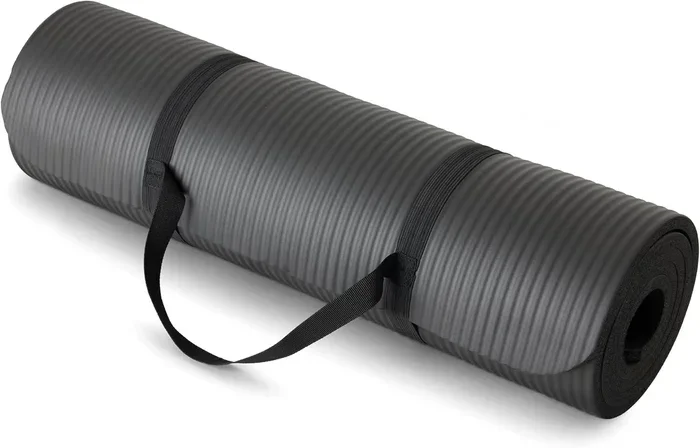
Which Mm Yoga Mat Is Best for Exercise

Choosing the right mm yoga mat for exercise can transform your workout comfort and performance. The ideal thickness depends on your activity type, joint needs, and personal preference. This guide breaks down the best yoga mat thickness in millimeters for different exercises so you can make a confident choice.
Picking a yoga mat might seem simple. You grab one, roll it out, and start your workout. But the truth is, the thickness in millimeters makes a huge difference. A mat that is too thin can hurt your knees and wrists. A mat that is too thick can make you wobble during balance poses.
So, which mm yoga mat is best for exercise? The answer depends on what you do, how much you weigh, and what feels comfortable under your body. This guide walks you through everything you need to know. We cover thickness ranges, materials, and practical tips to help you find your perfect match.
## Understanding Yoga Mat Thickness in Millimeters
Yoga mat thickness is measured in millimeters, often shortened to mm. Most mats range from 3mm to 8mm. Each thickness serves a different purpose.
### What Does Mm Mean for Yoga Mats?
Mm stands for millimeters. It is the unit used to measure how thick your mat is. A 3mm mat is quite thin. An 8mm mat is quite thick. The standard yoga mat thickness sits around 5mm or 6mm. This middle ground works well for most people.
### Why Thickness Matters for Exercise
Thickness affects three key things during your workout:
- Cushioning: Thicker mats absorb more impact. This protects your joints during floor work.
- Stability: Thinner mats keep you closer to the ground. This helps with balance poses.
- Portability: Thicker mats weigh more and take up more space. Thinner mats roll up smaller.
If you want a deeper dive into how thickness affects your practice, check out our guide on what is the best thickness for a yoga mat.
## How to Choose the Right Mm Yoga Mat for Your Workout
Not all workouts need the same mat thickness. Your choice should match the type of exercise you do most often.
### For Yoga and Pilates
Most yoga and pilates sessions involve a mix of standing and floor poses. A 5mm to 6mm yoga mat works well for these practices. It gives enough cushioning for comfort without sacrificing balance.
If you do hot yoga, you might want a thinner mat. Sweat makes thick mats slippery. A thin mat for hot yoga can give you better grip and control.
### For High-Intensity Workouts
HIIT and intense fitness routines involve a lot of jumping and quick movements. A 3mm to 5mm mat is ideal here. It stays firmly in place and gives you a stable base.
Thick mats can shift under your feet during fast transitions. Keep the thickness moderate for safety and performance.
### For Floor Exercises and Stretching
If your workout is mostly on the floor — think ab work, stretching, or recovery exercises — you can go thicker. A 6mm to 8mm mat provides excellent comfort. Your spine, hips, and tailbone stay protected during long holds.
## Best Mm Thickness for Different Exercise Types
Let us break this down by exercise type. This makes it easy to find the right fit for your routine.
### 3mm Mats: Thin and Stable
A 3mm mat is great for experienced practitioners. It offers maximum ground feel and balance. These mats are also very portable.
- Best for: Power yoga, balance poses, travel
- Not ideal for: Joint-sensitive users, long floor holds
### 5mm Mats: The Sweet Spot
A 5mm mat is the most popular choice. It hits the sweet spot between comfort and stability. Most people find this thickness works for their daily practice.
- Best for: General yoga, pilates, moderate floor work
- Not ideal for: Very high-impact exercises or sensitive joints
### 6mm to 8mm Mats: Maximum Cushioning
These thicker mats are excellent for people with joint issues or those who spend a lot of time on the floor. They provide superior shock absorption.
- Best for: Gentle yoga, stretching, rehabilitation exercises
- Not ideal for: Balance-focused routines or frequent travel
## Material Matters: What to Pair with Your Thickness
Thickness is only one piece of the puzzle. The material of your yoga mat plays an equally important role in performance and durability.
### TPE Mats
TPE (Thermoplastic Elastomer) mats are lightweight and eco-friendly. They come in a range of thicknesses and offer good cushioning. Most TPE yoga mats are around 5mm to 6mm thick. They provide a decent grip without being too heavy.
### PVC Mats
PVC mats are durable and affordable. They tend to be thicker and heavier. A PVC yoga mat in the 5mm to 6mm range works great for gym use. They last a long time and handle heavy use well.
### Rubber Mats
Natural rubber mats offer the best grip and density. They are heavier but extremely durable. If you want a non-slip yoga mat that stays in place, rubber is hard to beat. These usually range from 4mm to 6mm.
For more details on choosing the right material, read our article on what is the best material for a yoga mat.
## Common Mistakes When Choosing a Yoga Mat Thickness
Many people make avoidable mistakes when picking a mat. Here are the most common ones to watch out for.
### Choosing Based on Price Alone
A cheap mat might seem like a good deal. But if it is too thin or made of low-quality material, you will regret it fast. Comfort and support should always come before cost.
### Ignoring Your Body Weight
Heavier individuals need more cushioning. A 3mm mat might feel like the floor is pressing into your knees. If you weigh more, aim for a 6mm or thicker yoga mat for better support.
### Overlooking Grip and Texture
Thickness does not equal grip. A thick mat can still be slippery. Look for textured surfaces or mats with a sticky feel. This is especially important if you sweat a lot during exercise.
### Forgetting About Size
Thickness is not the only measurement that matters. The standard yoga mat size is 68 inches long and 24 inches wide. If you are taller than average, you may need a longer mat. Check our guide on what is the standard size for a yoga mat for more details.
## Expert Tips for Getting the Most from Your Yoga Mat
Once you find the right mm yoga mat for exercise, a few simple tips will help you get the most out of it.
- Unroll your mat fully before each use. This helps it maintain its shape and cushioning.
- Clean your mat regularly with a mild solution. Sweat and dirt build up over time and reduce grip.
- Store your mat rolled, not folded. Folding can create permanent creases and cracks in the material.
- Break in a new mat by using it for a few sessions. New mats can feel slippery at first but loosen up over time.
- Replace your mat when it wears thin. A mat that has lost its cushioning no longer protects your joints effectively.
If you are still unsure about which mat suits your needs, our article on what type of yoga mat is best for me can help you narrow down your options.
## Conclusion
Finding the best mm yoga mat for exercise comes down to matching thickness, material, and your personal workout style. A 5mm mat works for most people and most activities. Thicker mats protect joints. Thinner mats improve balance. The right choice depends on your body, your routine, and your comfort level.
Take the time to consider what you need. Think about your exercise type, your body weight, and your joint sensitivity. Choose a material that suits your values and your grip preferences. With the right mat, every workout feels better and safer.
Start with a middle-range thickness and adjust from there. Your body will tell you what works best.
Key Takeaways
- 3mm to 5mm mats are ideal for most exercises, offering a balance of stability and cushioning.
- Thicker mats (6mm+) provide extra joint protection but may reduce balance during standing poses.
- Material matters just as much as thickness — TPE, PVC, and rubber each serve different needs.
- Your body weight and joint sensitivity should guide your thickness choice more than any generic recommendation.
- Standard yoga mat size is 68 inches long and 24 inches wide, but you should check if it fits your body.
- Testing your mat before buying is the best way to know if the thickness works for you.
Frequently Asked Questions
What thickness yoga mat is best for exercise?
A 5mm yoga mat is the most versatile choice for most exercises. It offers a good balance of cushioning and stability. If you have sensitive joints, consider a 6mm or 8mm mat for extra comfort.
Is a thicker yoga mat always better?
Not necessarily. Thicker mats provide more cushioning but can reduce your balance during standing poses. Choose thickness based on your workout type and comfort level.
What is the best material for a yoga mat used for exercise?
TPE and PVC are the most popular materials for exercise yoga mats. TPE is lightweight and eco-friendly. PVC is durable and affordable. Rubber offers the best grip but is heavier.
Can I use a thin yoga mat for high-intensity workouts?
Yes, a 3mm to 5mm mat works well for high-intensity exercises. Thin mats stay stable during quick movements and jumps. They also roll up easily for transport.
How do I know if my yoga mat thickness is right for me?
If your knees and wrists feel comfortable during floor work and you feel stable during standing poses, your mat thickness is right. If you feel the floor pressing into your joints, go thicker.
Does yoga mat thickness affect performance?
Yes, thickness affects both comfort and stability. A thicker mat cushions your joints but may reduce balance. A thinner mat gives better ground feedback but less shock absorption. Choose based on your exercise needs.