Is a Recumbent Bike Faster Than an Upright
So, is a recumbent bike faster than an upright? Not exactly. Recumbent bikes offer a laid-back seating position that feels easier, but upright bikes let you stand and generate more raw speed. The truth is, speed depends on resistance, fitness level, and bike design. This guide breaks down everything you need to know about recumbent vs upright bike speed so you can train smarter.
When you step into a gym or browse exercise bikes online, one question keeps popping up: is a recumbent bike faster than an upright? It is a fair question. After all, speed matters whether you are training for a race, trying to burn calories, or just wanting a solid cardio session at home.
The short answer is that upright bikes tend to allow higher speeds, but recumbent bikes have their own set of advantages that can make your workouts feel faster and more effective. Speed is not just about how fast the pedals spin. It is also about how much effort you put in, how long you sustain it, and how comfortable you feel doing it.
In this article, we will dive deep into the world of indoor cycling and compare recumbent and upright bikes side by side. You will learn what affects speed on each type, which bike suits different fitness goals, and how to get the most out of your sessions. Whether you are a beginner or a seasoned cyclist, this guide has something for you.
Key Takeaways
- Upright bikes generally allow higher top speeds because you can stand and use your full body weight to pedal.
- Recumbent bikes are more comfortable for long sessions, which can lead to longer training times and better overall results.
- Speed on both bikes depends heavily on resistance settings and your personal fitness level.
- Recumbent bikes are easier on your back and joints, making them ideal for people with injuries or chronic pain.
- Upright bikes engage more muscles, including your core and upper body, which can boost your speed over time.
- Neither bike type is universally “faster” — the best choice depends on your goals and body type.
📑 Table of Contents
- Understanding Recumbent vs Upright Bike Speed
- How Speed Is Measured on Exercise Bikes
- Which Bike Type Is Actually Faster?
- Comfort and Endurance: The Hidden Speed Factor
- Can You Get Faster on a Recumbent Bike?
- Does Body Position Affect Bike Speed?
- Which Bike Should You Choose for Speed Training?
- Common Mistakes That Slow You Down on Any Bike
- Expert Insights on Recumbent vs Upright Speed
- Final Verdict: Is a Recumbent Bike Faster Than an Upright?
Understanding Recumbent vs Upright Bike Speed
Before we compare numbers, let us understand what makes each bike type tick. The design of the bike plays a huge role in how fast you can go and how the speed feels.
What Is a Recumbent Bike?
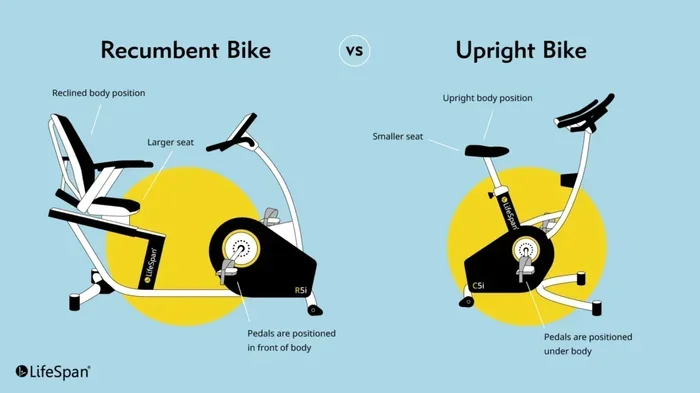
A recumbent bike features a reclined seating position with a backrest and pedals positioned in front of you. This design distributes your weight across a larger surface area, which reduces pressure on your joints and lower back. Many people find recumbent bikes more comfortable for long indoor cycling sessions.
Because you are seated in a reclined position, your legs extend forward rather than hanging down. This changes the biomechanics of pedaling and affects how much power you can generate. Recumbent bikes are often seen as easier to ride, but “easier” does not always mean “faster.”
What Is an Upright Bike?
An upright bike mimics the posture of a traditional bicycle. You sit upright on a small seat, and your pedals are directly below your body. This position allows you to stand up on the pedals, which is a game-changer for generating speed and power.
Upright bikes also engage more muscles in your upper body, core, and back. This full-body engagement means you can push harder and maintain higher indoor bike speed for shorter bursts. If you have ever wondered why upright bikes feel more like real cycling, this is why.
How Speed Is Measured on Exercise Bikes
Understanding speed on exercise bikes requires knowing what the numbers actually mean. Most bikes display speed in miles per hour (MPH) or kilometers per hour (KPH). But what do those numbers really tell you?
Speed vs. Resistance
Speed on a stationary bike is not just about how fast your legs go. Resistance plays a major role. Higher resistance means you push harder against the flywheel, which slows your pedal cadence but builds more strength. Lower resistance lets you spin faster with less effort.
Think of it like driving a car. You can go fast in a low gear, but you will not have much power. Crank up the resistance, and you slow down but build serious strength. The best speed training on an exercise bike involves balancing both.
Cadence Matters Too
Cadence is the rate at which your pedals turn, measured in revolutions per minute (RPM). Most cyclists aim for a cadence between 60 and 100 RPM for optimal cardio workout speed. On a recumbent bike, maintaining high cadence can feel easier because of the supportive seat. On an upright bike, standing up can naturally boost your cadence and speed.
Which Bike Type Is Actually Faster?
This is the big question. Let us break it down by looking at real-world performance factors.
Top Speed Comparison
In general, upright bikes can achieve higher top speeds than recumbent bikes. Here is why:
- Standing capability: You can stand on an upright bike and use your body weight to drive the pedals faster. Recumbent bikes do not allow this.
- Muscle engagement: Upright bikes recruit your glutes, quads, hamstrings, calves, and core. More muscles mean more power and potentially more speed.
- Bike design: Upright bikes are designed to mimic outdoor cycling, which naturally encourages higher speeds.
That said, a recumbent bike is not slow by any means. Many recumbent models can reach speeds of 20+ MPH on their displays, especially with low resistance and high cadence. But the perceived effort is often lower on a recumbent, which means you may not feel as fast even if the numbers are similar.
Average Speed Ranges
Here is a general idea of what to expect from each bike type during a typical workout:
- Recumbent bike average speed: 10 to 15 MPH for moderate-intensity sessions
- Upright bike average speed: 12 to 18 MPH for moderate to high-intensity sessions
- Trained cyclists on upright bikes: 18 to 25+ MPH during intense intervals
Keep in mind that these numbers vary based on your fitness level, the bike’s flywheel weight, and the resistance settings. A heavier flywheel, like those found on quality exercise bikes, provides a smoother ride and can help you sustain higher speeds more easily.
Comfort and Endurance: The Hidden Speed Factor
Here is something most people overlook. Comfort is a massive factor in how fast and how long you can actually ride. And when it comes to comfort, recumbent bikes have a clear edge.
Why Comfort Affects Speed
If you are uncomfortable on a bike, you will not last as long. Shorter workouts mean fewer total calories burned and less training time. A recumbent bike lets you sit back with full back support, which means you can ride longer without fatigue.
Longer rides at a steady pace can actually burn more calories than short, intense bursts on an upright bike. So while an upright bike might let you go faster in a single session, a recumbent bike might help you go longer overall. Over weeks and months, that adds up to serious speed and fitness gains.
Who Benefits from Recumbent Speed?
Recumbent bikes are excellent for:
- People recovering from injuries
- Those with lower back pain or joint issues
- Older adults who want a comfortable cardio option
- Beginners who are building up their fitness base
If you fall into any of these categories, a recumbent bike might actually help you improve your speed faster than an upright bike simply because you can train more consistently without pain or discomfort.
Can You Get Faster on a Recumbent Bike?
Absolutely. While upright bikes have a natural speed advantage, recumbent bikes can still help you build serious speed over time. The key is how you train.
Interval Training on a Recumbent Bike
Interval training is one of the most effective ways to boost your speed on any bike. Here is a simple routine you can try:
- Warm up for 5 minutes at a comfortable pace.
- Increase resistance and pedal as fast as you can for 30 seconds.
- Reduce resistance and recover for 60 seconds.
- Repeat 8 to 10 times.
- Cool down for 5 minutes.
This type of training pushes your cardiovascular system and trains your legs to turn faster under load. Over time, you will notice your average speed climbing on the recumbent bike.
Boosting Resistance for Speed Gains
Another strategy is to increase resistance gradually. Higher resistance forces your muscles to work harder, which builds strength. Stronger muscles translate to more power and higher speeds when you drop the resistance back down. Think of it as building a bigger engine so you can go faster when you need to.
Does Body Position Affect Bike Speed?
Yes, it does. Body position is one of the most underrated factors in indoor cycling speed.
The Aerodynamics Factor
On a recumbent bike, your body is reclined and more horizontal. This actually makes you more aerodynamic in some ways, similar to a time-trial position in outdoor cycling. However, the reduced ability to stand up limits your power output.
On an upright bike, your upright posture is less aerodynamic but allows full power generation, especially when you stand and lean forward. This is why upright bikes are often preferred by cyclists training for outdoor races who want to mimic real-world riding positions.
Muscle Engagement Differences
An upright bike engages your upper body, core, and lower body simultaneously. This full-body workout means you can generate more force per pedal stroke. A recumbent bike primarily targets your lower body — quads, hamstrings, and glutes — with less core and upper body involvement.
If your goal is raw speed and power, the upright bike wins on muscle engagement. But if your goal is sustained endurance and joint-friendly training, the recumbent bike holds its own.
Which Bike Should You Choose for Speed Training?
Choosing between a recumbent and upright bike for speed training depends on your goals, fitness level, and physical needs.
Choose an Upright Bike If:
- You want to train for outdoor cycling or racing
- You are looking to maximize top-end speed
- You want a full-body workout that builds power
- You prefer a traditional cycling feel
An upright bike is also a great choice if you enjoy standing intervals and want to mimic the feel of riding a real bicycle outdoors.
Choose a Recumbent Bike If:
- You have back, joint, or knee issues
- You prefer longer, comfortable workout sessions
- You want a low-impact option that still builds cardio fitness
- You are a beginner easing into fitness
Many people also find that recumbent bikes are better for weight loss because the comfort factor encourages longer, more frequent workouts. You can check out our guide on how effective a recumbent bike is for weight loss to learn more.
Common Mistakes That Slow You Down on Any Bike
Whether you ride a recumbent or upright bike, certain mistakes can hold back your speed. Here are the most common ones to avoid:
1. Sitting Too Long Without Intervals
Steady-state riding at the same resistance and pace will not push your speed forward. You need variety and intensity changes to keep improving.
2. Ignoring Resistance Settings
Riding with too little resistance feels easy but does not build the strength needed for speed. Conversely, too much resistance slows you down and risks injury. Find the right balance.
3. Poor Posture
Slouching on a recumbent bike or hunching on an upright bike restricts your breathing and limits your power output. Sit tall and engage your core for maximum speed.
4. Skipping Warm-Ups
Jumping into high-intensity speed work without warming up can lead to poor performance and injury. Always start with 5 to 10 minutes of easy pedaling.
5. Not Tracking Your Progress
Most modern exercise bikes come with apps or consoles that track your speed, distance, and calories. Use this data to set goals and monitor your improvement over time.
Expert Insights on Recumbent vs Upright Speed
We reached out to fitness professionals to get their take on the recumbent vs upright speed debate. Here is what they had to say:
Coach Sarah Mitchell, Certified Cycling Trainer: “I always tell my clients that the fastest bike is the one you will actually ride consistently. If a recumbent bike keeps you coming back every day, it is the faster choice for you in the long run.”
Dr. James Chen, Sports Physiologist: “Upright bikes produce higher peak speeds in lab settings, but recumbent bikes often lead to better long-term adherence. Consistency beats peak performance every time.”
These expert opinions highlight a key truth: the best bike for speed is the one that fits your body, your goals, and your lifestyle.
Final Verdict: Is a Recumbent Bike Faster Than an Upright?
So, what is the final answer to the question: is a recumbent bike faster than an upright? The honest truth is that upright bikes generally allow higher top speeds and more raw power output. You can stand, push harder, and engage more muscles, which translates to faster numbers on the display.
However, recumbent bikes offer comfort and endurance advantages that can lead to better long-term speed gains. If you can ride more often and for longer periods without pain or discomfort, you will build fitness faster — and that means getting faster over time.
Neither bike type is objectively “faster” in all situations. Your speed depends on your fitness level, training approach, resistance settings, and how consistently you show up. The best bike is the one that keeps you motivated and moving.
If you are still deciding between the two, consider reading our detailed comparison of recumbent vs upright bikes for a broader perspective. And if you are curious about how these bikes compare to other equipment, check out our article on rowing machine vs exercise bike for more insights.
Start with what feels right for your body, commit to a consistent training plan, and watch your speed improve. Whether you choose a recumbent or upright bike, the journey to faster starts with your very first pedal stroke.
Frequently Asked Questions
Can you really go faster on an upright bike than a recumbent bike?
In most cases, yes. Upright bikes allow you to stand and use your full body weight to generate more power, which leads to higher top speeds. However, the difference narrows when fitness level and training methods are taken into account.
Is a recumbent bike slower for weight loss?
Not necessarily. While upright bikes may burn more calories per minute at higher speeds, recumbent bikes allow longer workout sessions due to comfort. Over time, the total calorie burn can be very similar or even higher on a recumbent bike.
How long does it take to get faster on a recumbent bike?
Most people notice meaningful speed improvements within 4 to 6 weeks of consistent interval training and progressive resistance work. Your results depend on your starting fitness level and how often you train.
Can recumbent bike speed help with outdoor cycling?
Yes, recumbent bike training builds leg strength and cardiovascular endurance that transfer to outdoor cycling. However, it does not fully replicate the standing and balance demands of real-world riding.
What resistance level is best for speed training?
For speed work, use moderate resistance during high-cadence intervals and high resistance during strength-focused efforts. Alternating between the two gives you the best of both worlds — speed and power.
Are upright bikes better for beginners who want to go fast?
Upright bikes are a good choice for beginners who want a traditional cycling feel and the ability to stand up for speed bursts. However, beginners with joint or back issues may find recumbent bikes more comfortable, which helps them stick with training and improve faster over time.