Weider 2980 X Home Gym System Review
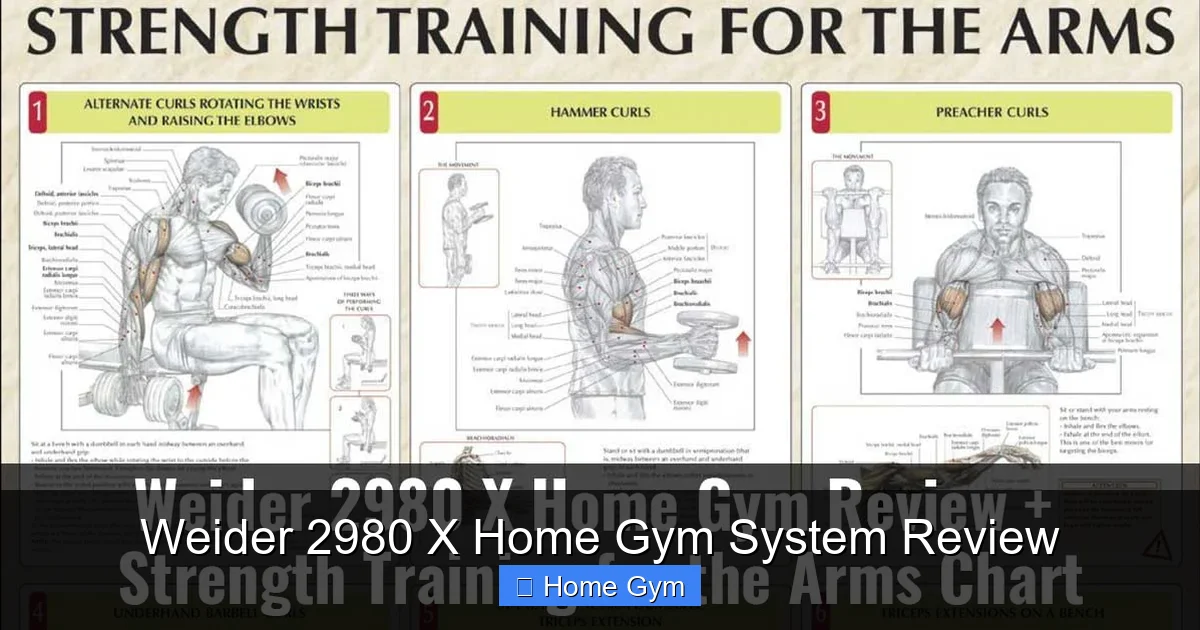
The Weider 2980 X Home Gym System is a solid, budget-conscious all-in-one strength machine designed for beginners and intermediate lifters. It offers impressive exercise variety (over 50 movements) on a compact footprint, thanks to its dual-weight stack and versatile pulley system. While its steel construction is sturdy, the assembly is notoriously tedious, and the weight stack maxes out at 250 lbs, which may limit serious strength athletes. For apartment dwellers or those wanting a versatile, space-saving starter gym without breaking the bank, the 2980 X remains a compelling, if not flawless, choice.
So, you’re thinking about setting up a home gym. The dream is simple: a place to get strong, fit, and healthy without the commute, the crowds, or the hefty monthly fees. But the reality? Space is tight, budgets are real, and the array of equipment can be dizzying. Enter the all-in-one home gym system—the promise of a dozen machines in one. And few names in this budget-friendly category are as recognizable as Weider. The Weider 2980 X Home Gym System has been a staple on retail floors and online marketplaces for years, marketed as a versatile, space-saving powerhouse. But does it live up to the hype? After spending considerable time with one—from the unboxing marathon to countless reps—I’m here to give you the complete, unfiltered Weider 2980 X Home Gym System review. We’ll dive deep into its build, its endless exercise list, the notorious assembly, and whether this classic system deserves a spot in your home.
Key Takeaways
- Exceptional Exercise Variety: The dual 125-lb weight stacks and multi-directional pulley system enable over 50 exercises, covering chest, back, shoulders, arms, legs, and core.
- Space-Saving Design: Its vertical, all-in-one footprint is ideal for small spaces like apartments, basements, or garages, replacing several dumbbells and benches.
- Challenging Assembly: Expect a 3-6 hour assembly process. The instructions are adequate but the sheer number of parts and bolts makes it a patience-testing project for one person.
- Beginner to Intermediate Focus: The 250-lb total resistance (125 lbs per stack) is perfect for building a foundation and most hypertrophy goals, but powerlifters will quickly outgrow it.
- Good Value, Not Luxury: At its price point, the build is functional and sturdy. However, users should expect some rough edges, basic padding, and the need for periodic bolt checks.
- Pulley System is Key: The 2:1 cable ratio on many stations effectively doubles the resistance feel, making the 125-lb stack feel like 250 lbs for movements like rows and pull-downs.
- No Free Weights Needed: It’s a true “system” that minimizes the need for a separate bench or dumbbell set, though adding a few can expand options.
📑 Table of Contents
Unboxing and Assembly: The Patience Test
Let’s not sugarcoat it: assembling the Weider 2980 X Home Gym System is a significant undertaking. This isn’t a “open the box and start lifting” situation. The unit arrives in two heavy boxes containing hundreds of parts—steel tubes, cables, pulleys, bolts, washers, and plastic components. The included manual is a large, illustrated booklet that does its best, but with so many similar-looking pieces, organization is key.
Tips for a Smoother Build
First, clear a large, well-lit space and lay out all parts, sorting them by size and type. A large sheet or the cardboard from the box works. Second, enlist help. While one person *can* do it, having a second pair of hands to hold heavy frames steady while you bolt them will save hours of frustration and prevent misalignments. Third, use your own tools. The basic Allen wrenches and wrenches included are serviceable but often cheap. A good set of socket wrenches and a ratchet will make the process 50% faster and less blister-inducing. Budget 4-6 hours for a careful, two-person job. Rushing leads to mistakes that can cause cable misrouting or wobbly connections later.
The construction is mostly bolt-together steel framing. It’s not welded, which keeps costs down but means the entire structure’s rigidity depends on every bolt being snug. You’ll feel a real sense of accomplishment when that last cable is threaded and the weight stack clanks for the first time. But that feeling is earned.
Design and Build Quality: Sturdy, But Not Premium
Once assembled, the Weider 2980 X presents itself as a functional, no-frills piece of equipment. The main frame is constructed from 2-inch and 2.5-inch gauge steel, powder-coated in a classic black and grey Weider color scheme. It feels substantial. When you tug on the cables, there’s minimal flex in the main uprights if everything is tightened correctly. For its price class, it’s a robust design.
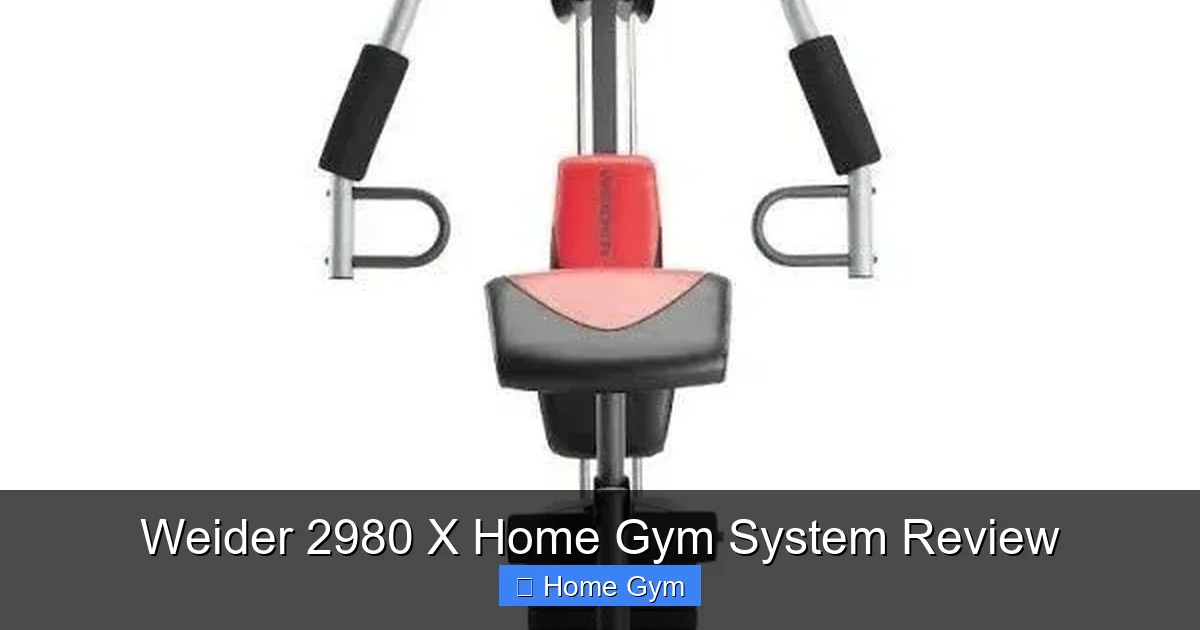
Visual guide about Weider 2980 X Home Gym System Review
Image source: antsll.com
The Weight Stack and Cable System
The heart of the system is the dual 125-pound weight stacks. Each stack consists of individual weight plates that move on guide rods. The selector pin is a simple, reliable metal pin that slides between plates. The cable routing is where the magic (and some frustration) happens. A network of cables runs from the stacks through various pulleys to the different stations: high pulley (for lat pulldowns), low pulley (for rows, curls), and even a leg developer station.
The pulleys are hard plastic and spin adequately. Over time and with heavy use, they can develop a bit of play or noise, but they are replaceable. The cables themselves are steel-wrapped, which is standard and durable for this level of equipment. A key feature is the 2:1 pulley ratio on many stations. This means when you pull the handle, the cable moves twice the distance of the weight stack, but the resistance you feel is effectively doubled. So, pulling 50 lbs on the stack at a 2:1 station feels like 100 lbs of resistance. This clever engineering makes the 125-lb stack feel much more substantial for pulling movements.
Comfort and Adjustments
The padding on the seats, leg roller, and back support is thin, dense foam. It’s functional and will get the job done, but don’t expect the plush comfort of a commercial gym’s selectorized machine. After a hard session, you’ll know you’ve been working. The adjustment mechanisms—pins and holes for seat height, backrest angle—are simple and effective, though they can be a bit stiff to pull out initially. The overall footprint is about 5 feet wide by 3.5 feet deep, which is remarkably small for the range of exercises it offers.
Exercise Versatility: The 50+ Movement Claim
This is the Weider 2980 X’s biggest selling point, and largely its truth. The combination of dual stacks, a high pulley, a low pulley, a leg station, and a removable curl pad allows for a staggering array of movements. You can truly build a complete workout routine.
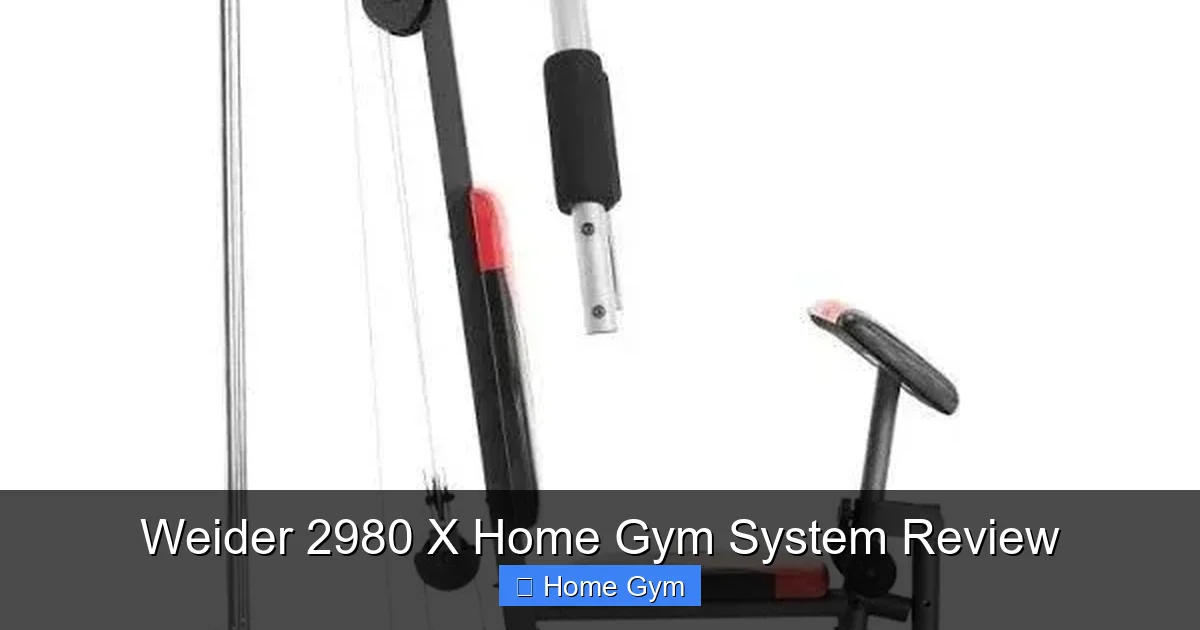
Visual guide about Weider 2980 X Home Gym System Review
Image source: antsll.com
Chest and Shoulders
Use the bench (or the floor) with the low pulley for cable presses, flyes, and even single-arm movements. The high pulley, with a rope attachment, is excellent for overhead shoulder presses and face pulls. The versatility here is high; you can mimic dumbbell and cable machine exercises found in big-box gyms.
Back and Biceps
This is where the system shines. The high pulley, with a wide bar, delivers a solid lat pulldown. The low pulley, with a handle or bar, is perfect for seated rows, straight-arm pulldowns, and T-bar rows. The removable curl pad lets you do preacher curls and concentration curls against the stack, providing excellent biceps isolation. The 2:1 ratio makes back work feel challenging even with moderate stack weight.
Legs and Core
The leg developer station with the roller pad allows for leg extensions and leg curls. It’s a bit basic compared to a dedicated leg extension machine, but it works. You can also use the low pulley with an ankle strap for cable kickbacks and hip abductions. For core, the options are abundant: cable crunches, wood chops, standing Pallof presses, and rotational movements using the high or low pulley. The ability to stand and move freely with a cable is a huge advantage over fixed-path machines.
The Limitations
While the list is long, there are movements it cannot do. You won’t be performing heavy barbell squats or deadlifts. The leg press is simulated via a specific attachment (often sold separately), but it’s not the same as a dedicated leg press sled. For powerlifting or Olympic lifting, this is not your tool. Its domain is hypertrophy, muscular endurance, and general strength building in a controlled, safe environment.
Performance and User Experience: The Day-to-Day Reality
Using the Weider 2980 X Home Gym System daily is a different experience from assembling it. Once set up, it’s a reliable workhorse. The weight stacks move smoothly up and down, guided by the rods. The cable action is generally consistent, though some users report a slight “stickiness” if the cables aren’t perfectly aligned or if dust gets into the pulley grooves. A quick wipe-down and occasional silicone spray on the guide rods keeps things gliding.
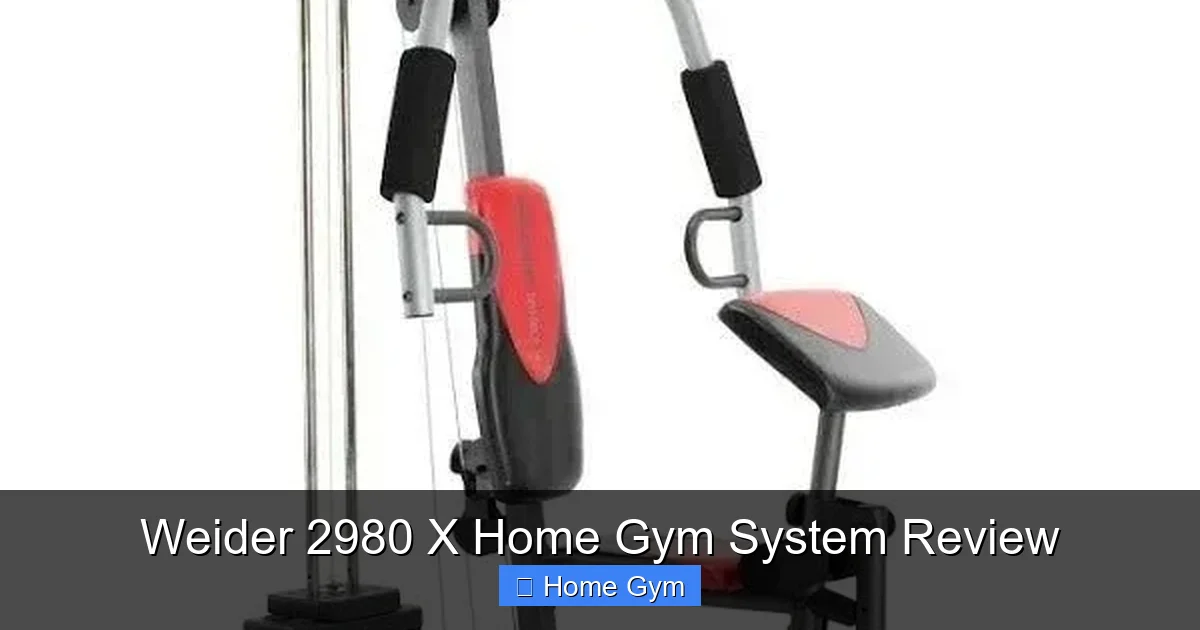
Visual guide about Weider 2980 X Home Gym System Review
Image source: antsll.com
Stability and Noise
The unit’s weight (around 300 lbs) and wide base keep it planted during most exercises. For very aggressive, jerky movements (like heavy cheat rows), you might feel a slight rock if you’re not centered, but for controlled reps, it’s stable. It’s not silent. You’ll hear the clank of the weight plates, the whir of the cables, and the creak of the frame under load. It’s not obnoxiously loud, but it’s not a quiet, magnetic-resistance machine either. It sounds like work, which for some, is part of the appeal.
Space and Storage
This is its killer feature. For an apartment or a small corner of a room, the 2980 X delivers a gym’s worth of exercises in a package that’s roughly the size of a large armchair. It doesn’t require the clearance around it that free weights do for loading and unloading. The footprint is its main advantage over a power rack and bench setup in tight quarters.
Pros, Cons, and Who It’s For: The Verdict in Context
No piece of equipment is perfect for everyone. The Weider 2980 X Home Gym System has a very specific sweet spot in the market.
The Clear Pros
- Unmatched Value for Variety: The number of exercises per dollar is extremely high.
- Space Efficiency: A complete upper and lower body gym in a small footprint.
- Safety and Convenience: No need to load/unload heavy plates or worry about a barbell rolling. Great for solo lifters.
- Beginner-Friendly: The fixed path and easy weight selection make learning movements simpler and safer.
The Inescapable Cons
- Grueling Assembly: The #1 drawback. Be prepared for a long, detailed project.
- Weight Stack Ceiling: 250 lbs total is limiting for advanced lower body and heavy compound lifts.
- Basic Ergonomics: Thin padding, simple adjustments. It’s functional, not luxurious.
- Potential for Creaks: Over time, bolts can loosen, and frames can develop noises. Regular maintenance (tightening bolts) is required.
Who Should Buy It?
The ideal buyer is someone new to strength training who wants a guided, safe way to learn movements without the complexity of free weights. It’s perfect for apartment dwellers or those with limited space who want more than resistance bands. It’s also great for rehab or light-to-moderate fitness enthusiasts who prioritize joint-friendly, controlled movements. It is NOT for the serious strength athlete, powerlifter, or someone who plans to lift very heavy weights long-term.
Final Thoughts: Is the Weider 2980 X Worth It?
Coming back to the core question of this Weider 2980 X Home Gym System review: yes, for the right person, it is absolutely worth it. It is not a premium, commercial-grade machine. It will not last 20 years of daily, hard abuse from a 300-lb powerlifter. But for someone starting their home gym journey, or for a family wanting a versatile, safe, and compact strength trainer, it represents fantastic value. The exercise variety is genuinely impressive and can keep workouts fresh for years. The space savings are undeniable. The main investment you make is not just money, but time and effort during assembly. If you can overcome that hurdle, you are rewarded with a durable, functional, and versatile piece of equipment that can serve as the cornerstone of a home strength routine. Manage your expectations regarding its weight limits and comfort level, and you’ll likely be very satisfied with what this classic system delivers.
Frequently Asked Questions
How much space does the Weider 2980 X need?
You need about 5 feet of width and 3.5 feet of depth. Allow an extra foot or so on the sides and behind for assembly, adjustments, and safe movement, especially for exercises like rows where you need to slide forward on the seat.
What is the actual weight limit per stack?
Each stack is 125 pounds, for a total of 250 pounds of resistance. However, due to the 2:1 pulley ratio on many stations, the *effective* resistance you feel can be much higher, making the stack feel like 250+ pounds for pulling movements.
Can I do squats and deadlifts on it?
Not in a traditional, heavy barbell sense. You can perform simulated leg presses using the leg developer and a specific attachment (sometimes sold separately), and you can do stiff-legged deadlifts with a low pulley, but it is not designed for heavy axial loading squats or conventional deadlifts.
Is the assembly really that bad?
It is time-consuming and requires patience. The instructions are clear but the number of parts is high. It’s a 4-6 hour project for two people with basic tools. Hiring professional assembly is a very worthwhile consideration if your time is limited.
How durable is it for long-term use?
For light to moderate use by 1-2 people, it can last many years. The key is regular maintenance: check and tighten all bolts monthly, especially on the weight stack guide rods and pulley attachments. The cables and pulleys are wear items that can be replaced if needed.
How does it compare to a Bowflex or similar cable machine?
Compared to a Bowflex (which uses flexible rods or power rods for resistance), the Weider 2980 X uses a traditional, direct weight stack. This provides a more consistent, linear resistance feel without the “dead spot” some rod-based systems have. It’s also generally more affordable and offers more varied attachment points (high/low/leg stations) in one unit, whereas Bowflex models often focus on the dual-pulley design. The Weider is bulkier but arguably more versatile for the price.