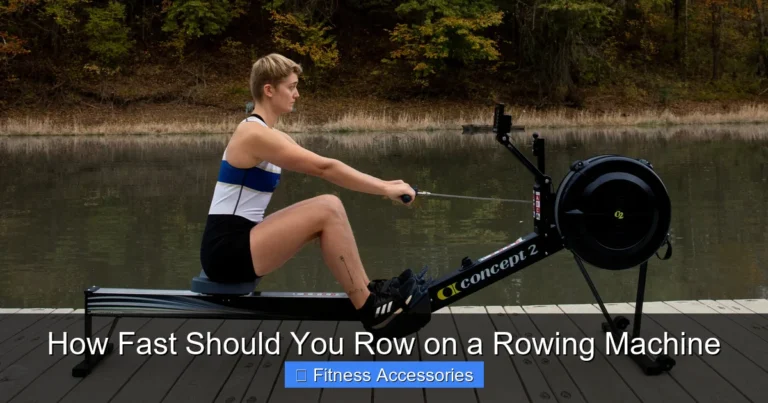
Will a Rowing Machine Get Rid of Belly Fat

Can a rowing machine help you lose belly fat? Yes, but not in the way you might think. A rowing machine is a powerful tool for burning calories and building full-body muscle, which creates the calorie deficit needed to reduce overall body fat, including your midsection. However, you cannot spot-reduce fat from just your belly. Consistent rowing combined with a healthy diet is the real secret to seeing results.
Key Takeaways
- Rowing Burns Major Calories: A rowing machine provides an intense full-body workout that burns a high number of calories, which is essential for fat loss.
- Spot Reduction is a Myth: You cannot choose where your body loses fat from. Rowing helps you lose fat overall, including your belly, over time.
- It Builds Lean Muscle: Rowing engages almost all major muscle groups, helping to build metabolism-boosting muscle while you burn fat.
- Consistency is Key: Using the rowing machine regularly, several times a week, is necessary to see significant changes in body composition.
- Diet is Crucial: No amount of rowing will reveal belly fat loss without a proper, calorie-controlled diet to fuel your body correctly.
- It’s Low-Impact: Unlike running, rowing is gentle on your joints, making it a sustainable, long-term exercise for people of all fitness levels.
- Boosts Core Strength: The rowing motion heavily engages your core muscles, helping to tighten and strengthen the abdominal area.
📑 Table of Contents
- Will a Rowing Machine Get Rid of Belly Fat? The Truth
- How a Rowing Machine Burns Fat
- The Science: Why You Can’t Spot Reduce Fat
- Building a Belly-Fat-Busting Rowing Workout
- The Non-Negotiable Role of Diet
- Beyond the Belly: Full-Body Benefits of Rowing
- Common Mistakes to Avoid
- Conclusion: Your Path to a Stronger, Leaner You
Will a Rowing Machine Get Rid of Belly Fat? The Truth
So, you’ve heard great things about rowing machines. Maybe you saw one at the gym, or a friend won’t stop talking about their new home workout. Now you’re wondering: can this sleek machine really help me lose this stubborn belly fat? It’s a common question, and the answer is both simple and nuanced. Let’s dive into the science and practical truth about using a rowing machine to achieve your fitness goals.
First, let’s get one thing straight. The idea of “spot reduction”—losing fat from a specific body part by exercising that area—is a myth. Doing a thousand crunches won’t magically melt belly fat. Similarly, you can’t just row away your stomach fat in isolation. However, a rowing machine is one of the most effective tools you can use to create the conditions necessary for fat loss all over your body, which includes your belly. It’s a full-body powerhouse.
This article will break down exactly how a rowing machine works for fat loss, the science behind it, and how to structure your workouts for the best results. We’ll also cover the crucial role of diet and give you practical tips to get started. By the end, you’ll have a clear plan to use rowing as a key part of your journey to a leaner, stronger you.
How a Rowing Machine Burns Fat
The Calorie-Burning Power of Rowing
Fat loss comes down to one fundamental principle: you need to burn more calories than you consume. This is called a calorie deficit. A rowing machine is exceptionally good at helping you create that deficit. Why? Because it engages a massive amount of muscle mass simultaneously. Unlike cycling (which works mainly your legs) or running (which is lower-body dominant), rowing uses your legs, core, back, arms, and shoulders in one fluid motion.
Visual guide about Will a Rowing Machine Get Rid of Belly Fat
Image source: i.etsystatic.com
When you use so many large muscle groups at once, your body has to work incredibly hard. This hard work requires a lot of energy, which means you burn a high number of calories. For a 155-pound person, 30 minutes of vigorous rowing can burn over 300 calories. For someone heavier, that number is even higher. This makes it far more efficient than many other cardio machines for pure calorie burn in a shorter time.
Afterburn Effect (EPOC)
There’s another secret weapon rowing has: the afterburn effect, scientifically known as Excess Post-Exercise Oxygen Consumption (EPOC). After a tough workout, your body doesn’t just stop burning calories. It continues to burn them at an elevated rate for hours as it works to restore itself to a pre-exercise state. This process requires energy, meaning you’re burning extra calories long after you’ve stepped off the machine.
High-intensity rowing workouts, like intervals, are particularly good at triggering this effect. So, while you might burn 400 calories during your 20-minute session, your body might burn an additional 50-100 calories over the next few hours just recovering. It’s like getting free extra work done!
The Science: Why You Can’t Spot Reduce Fat
Understanding Body Fat Loss
Let’s revisit the spot reduction myth because it’s so important. When you lose fat, your body decides where it comes from based on genetics, hormones, and gender. You have no control over this. For many people, the belly is the first place fat accumulates and the last place it leaves. This is simply how human biology works for a large portion of the population.
Think of body fat like a lake. If the water level in the lake drops, it goes down evenly across the entire surface. You can’t lower the water level in just one corner of the lake. Similarly, when you create a calorie deficit through rowing and diet, your overall body fat percentage decreases. Your belly fat will reduce as part of this overall process.
How Rowing Specifically Targets Overall Fat
While you can’t spot reduce, rowing is fantastic for overall fat loss because of its intensity and the muscles it works. It provides both cardiovascular and strength training benefits. This combination is key. The cardio aspect burns calories directly, while the resistance element helps build lean muscle mass.
More muscle mass on your frame increases your Basal Metabolic Rate (BMR)—the calories you burn just existing. So, by building muscle with rowing, you turn your body into a more efficient calorie-burning machine 24/7. This makes maintaining a calorie deficit much easier, which is the ultimate goal for losing belly fat.
Building a Belly-Fat-Busting Rowing Workout
Consistency Over Intensity (At First)
If you’re new to rowing, don’t try to be a hero on day one. The most important factor for fat loss is consistency. It’s far better to row for 20-30 minutes three times a week for a year than to do one brutal, hour-long session and quit. Start with manageable workouts. Focus on learning the proper technique first to avoid injury and make each stroke as effective as possible.

Visual guide about Will a Rowing Machine Get Rid of Belly Fat
Image source: wallpapers.com
Aim for 3-4 sessions per week. This gives your body enough stimulus for adaptation and calorie burn, while also allowing for proper rest and recovery. As your fitness improves, you can gradually increase the duration and intensity of your workouts.
Sample Fat-Loss Rowing Routine
Here is a simple, effective 30-minute workout designed for fat loss. Always start with 5 minutes of easy rowing to warm up your muscles and get your blood flowing.
- Minutes 1-5: Warm-up. Easy pace, focus on form.
- Minutes 6-10: Steady State. Row at a moderate, sustainable pace. You should be breathing heavily but able to talk.
- Minutes 11-15: High Intensity. Increase your stroke rate and power. Push hard for 30 seconds, then recover for 30 seconds. Repeat this pattern.
- Minutes 16-20: Steady State. Return to your moderate pace to catch your breath.
- Minutes 21-25: High Intensity. Another round of 30-second sprints followed by 30-second recovery periods.
- Minutes 26-30: Cool Down. Slow your pace right down. Let your heart rate return to normal.
This mix of steady-state cardio and high-intensity intervals (HIIT) is perfect for maximizing calorie burn and triggering the afterburn effect. Remember, the key is to push yourself during the high-intensity phases.
The Non-Negotiable Role of Diet
You Can’t Out-Row a Bad Diet
This is the hardest truth for many. You could row for an hour every single day, but if you go home and eat a large pizza and a pint of ice cream, you will not lose belly fat. Exercise and diet are two sides of the same coin. For fat loss, diet is often considered the more influential factor. Creating a sustainable calorie deficit through your food choices is essential.
Visual guide about Will a Rowing Machine Get Rid of Belly Fat
Image source: 5.imimg.com
Think of it this way: it takes about 30 minutes of rowing to burn off 300 calories. It takes about 30 seconds to eat a 300-calorie muffin. This doesn’t mean you can never enjoy a muffin, but it highlights why managing your food intake is so critical for success.
What to Focus On
Instead of restrictive dieting, focus on building healthy, sustainable habits. Prioritize whole, unprocessed foods. Fill your plate with lean proteins like chicken, fish, tofu, and beans. Add plenty of vegetables and fruits for fiber and vitamins. Choose complex carbohydrates like oats, brown rice, and quinoa for sustained energy. Healthy fats from avocados, nuts, and olive oil are also important for hormone function and satiety.
Pay attention to portion sizes. Even healthy foods can lead to weight gain if you eat too much of them. Learning to listen to your body’s hunger and fullness cues is a powerful skill. Hydration is also key; sometimes thirst is mistaken for hunger. Drink plenty of water throughout the day.
Beyond the Belly: Full-Body Benefits of Rowing
Total Body Muscle Engagement
While your goal might be a flatter stomach, rowing offers so much more. It’s a true full-body workout. The primary muscles worked include your quadriceps, hamstrings, and glutes in the legs; your latissimus dorsi, rhomboids, and trapezius in the back; and your deltoids and biceps in the arms. Crucially, your entire core—your abdominals and lower back—is engaged throughout the entire stroke to stabilize your body and transfer power.
This comprehensive muscle engagement means you’re not just burning calories; you’re building a stronger, more capable body. You’ll notice improvements in your posture, everyday strength, and overall physique. This muscle development also contributes to that higher metabolism we talked about.
Low-Impact, Joint-Friendly Cardio
One of the biggest advantages of rowing over other forms of cardio like running is that it’s low-impact. Your feet remain planted on the footrests, and there’s no jarring impact on your knees, hips, or ankles. This makes it an excellent choice for people with joint issues, those who are overweight, or anyone looking for a sustainable, long-term exercise that won’t wear down their body.
Because it’s so gentle on the joints, you can row consistently without the same risk of overuse injuries. This consistency is, as we’ve established, the real secret to losing belly fat. A rowing machine is an investment in your long-term health and fitness that you can use for decades.
Mental Health and Stress Reduction
The benefits aren’t just physical. The rhythmic, repetitive nature of rowing can be incredibly meditative. It allows you to focus on your breath and the movement, pushing aside the stresses of the day. This mindful exercise can significantly reduce stress and anxiety levels.
Furthermore, regular exercise like rowing releases endorphins, which are natural mood lifters. Lower stress levels are also linked to lower cortisol, a hormone that, when chronically elevated, is associated with increased belly fat storage. So, rowing can indirectly help your fat-loss goals by helping you manage stress more effectively.
Common Mistakes to Avoid
Poor Technique
The biggest mistake new rowers make is using poor form. This not only makes your workout less effective but also increases your risk of injury, especially in the lower back. The rowing stroke has four phases: the catch, the drive, the finish, and the recovery. The power comes from your legs, not your arms. Think of it as a leg press where you’re pulling your body toward your feet.

Visual guide about Will a Rowing Machine Get Rid of Belly Fat
Image source: osakalorful.com
Always keep your back straight, core engaged, and avoid hunching your shoulders. Watch videos, ask a trainer, or record yourself to check your form. It’s better to row with less resistance and perfect form than to muscle through with bad technique.
Doing the Same Workout Every Time
Your body is incredibly adaptable. If you do the exact same workout at the exact same pace every single time, it will become more efficient at it. This means you’ll burn fewer calories for the same amount of work. This is called a plateau. To keep the fat loss going, you need to challenge your body in new ways.
Change up your workouts regularly. One day, do a long, steady-state row. The next, do high-intensity intervals. Try a pyramid workout where you increase and then decrease your intensity. Vary your stroke rate and resistance level. Keeping your body guessing is the key to continuous progress.
Neglecting Rest and Recovery
More is not always better. Your muscles repair and grow stronger during rest periods, not during the workout itself. If you row every single day without a break, you risk overtraining. This can lead to fatigue, a higher risk of injury, and stalled progress. Your cortisol levels can also rise, which, as mentioned, is counterproductive for losing belly fat.
Schedule at least 1-2 full rest days per week. On these days, you can do light activity like walking or stretching, but give your body a proper break from intense exercise. Listening to your body is a skill that will serve you well for life.
Conclusion: Your Path to a Stronger, Leaner You
So, will a rowing machine get rid of belly fat? The answer is a resounding yes, but with the understanding that it’s part of a bigger picture. A rowing machine is one of the most efficient and effective tools you can use to burn calories, build muscle, and create the calorie deficit necessary for overall fat loss. It is not a magic bullet, and it cannot spot-reduce fat from your midsection.
The real formula is simple, though not always easy: consistent rowing workouts combined with a mindful, balanced diet. Focus on building healthy habits you can sustain for life, not quick fixes. Embrace the journey, celebrate small victories, and be patient with the process. The rowing machine is your partner in this journey, offering a low-impact, full-body workout that will not only help you lose belly fat but also build a stronger, healthier, and more confident you. Now, it’s time to grab those handles and start pulling towards your goals.
Frequently Asked Questions
How long should I row to lose belly fat?
Aim for at least 30 minutes of moderate to vigorous rowing per session, 3-5 times a week. Consistency over several months is more important than one long session. Remember, you need to pair this with a healthy diet for fat loss.
Is rowing better than running for losing belly fat?
Both are excellent for burning calories, but rowing has an edge for some people. It engages your entire body, including your upper body and core, which can lead to more muscle building. It’s also low-impact, making it easier on your joints for consistent, long-term use.
Can rowing help tighten my stomach muscles?
Absolutely. The rowing stroke requires significant core engagement to stabilize your torso and transfer power from your legs. This constant engagement helps to strengthen and tighten the abdominal muscles, leading to a firmer midsection as you lose the fat covering them.
Will rowing make my arms and back too bulky?
No, it’s very unlikely. Rowing builds lean, functional muscle mass, not bulky mass. The resistance on most rowing machines is smooth and consistent, promoting muscle endurance and tone. You will build strength and definition without adding significant bulk.
What is the best time of day to row for fat loss?
The best time is whenever you will do it consistently. Some people prefer morning workouts to kickstart their metabolism, while others prefer evening sessions to relieve stress. The key is to find a time that fits your schedule and stick to it.
How much belly fat can I realistically lose in a month?
A safe and sustainable rate of fat loss is 1-2 pounds per week. In a month, you could lose 4-8 pounds of overall body fat, which will include your belly. The exact amount depends on your starting weight, diet, and workout intensity. Focus on how you feel, not just the scale.