Which Is Better a Rowing Machine or Exercise Bike
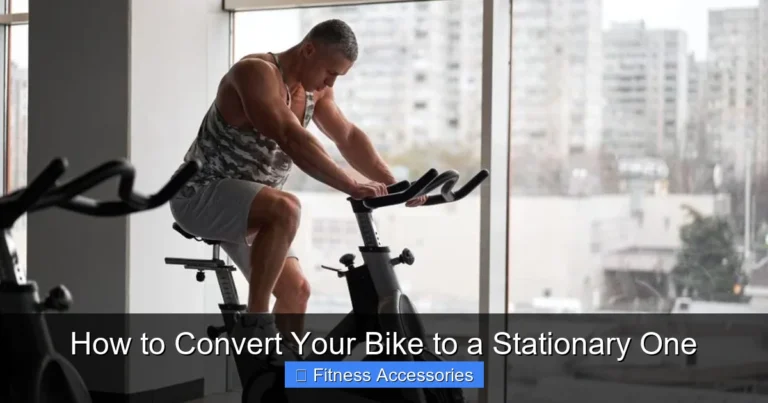
Choosing between a rowing machine or exercise bike depends on your fitness goals, available space, and personal preferences. Rowing machines offer a full-body, low-impact workout that builds strength and endurance, while exercise bikes provide excellent cardio with minimal joint stress. This guide breaks down the pros, cons, and ideal use cases for each to help you make the best decision for your home gym.
Key Takeaways
- Full-Body vs. Lower-Body Focus: Rowing machines engage up to 86% of your muscles, while exercise bikes primarily target the lower body and cardiovascular system.
- Calorie Burn Comparison: Rowing typically burns more calories per session due to its full-body engagement, though high-intensity cycling can be comparable.
- Joint Impact: Both are low-impact, but exercise bikes are often recommended for those with back or knee issues, while rowing requires proper form to avoid strain.
- Space and Storage: Exercise bikes generally have a smaller footprint and are easier to store, whereas rowing machines can be longer and require more floor space.
- Workout Variety: Rowing offers dynamic, rhythmic motion that mimics water rowing, while bikes allow for seated or standing sprints, hill climbs, and interval training.
- Cost Considerations: Entry-level exercise bikes are usually more affordable, but mid-range rowing machines offer excellent value for a full-body workout.
- Ideal For: Choose rowing for strength and cardio combo; pick cycling for pure cardio, rehabilitation, or if you enjoy spin-style classes.
📑 Table of Contents
- Introduction: The Great Home Gym Debate
- What Is a Rowing Machine?
- What Is an Exercise Bike?
- Rowing Machine vs. Exercise Bike: Calorie Burn
- Muscle Engagement: Full-Body vs. Lower-Body
- Joint Impact and Injury Risk
- Space, Storage, and Portability
- Cost and Value for Money
- Workout Variety and Motivation
- Who Should Choose a Rowing Machine?
- Who Should Choose an Exercise Bike?
- Conclusion: Which Is Better for You?
Introduction: The Great Home Gym Debate
So you’re ready to invest in a home cardio machine—but you’re stuck between two popular options: a rowing machine or exercise bike. You’re not alone. This is one of the most common dilemmas for fitness enthusiasts setting up a home gym. Both machines offer incredible cardiovascular benefits, are low-impact on joints, and can fit into most living spaces. But which one is truly better for you?
The answer isn’t one-size-fits-all. It depends on your fitness goals, physical condition, available space, and even how you like to sweat. In this guide, we’ll break down everything you need to know about the rowing machine vs. exercise bike debate. We’ll compare calorie burn, muscle engagement, joint impact, cost, and more. By the end, you’ll have a clear picture of which machine deserves a spot in your home.
What Is a Rowing Machine?
How It Works
A rowing machine, or rower, simulates the motion of rowing a boat. You sit on a sliding seat, place your feet on footplates, and pull a handle toward your chest while pushing with your legs. This full-body movement engages your legs, core, back, and arms in one fluid motion.
Types of Rowing Machines
- Air Resistance: Uses a fan wheel; resistance increases with your effort. Popular in gyms.
- Magnetic Resistance: Quiet and smooth, ideal for home use.
- Water Resistance: Mimics real rowing with a water tank; very realistic but heavier.
- Hydraulic Resistance: Compact and affordable, but less smooth.
Each type offers a slightly different feel, but all deliver a powerful workout. The rowing machine is praised for its ability to build strength and endurance simultaneously.
What Is an Exercise Bike?
How It Works
An exercise bike lets you pedal in place, either seated or standing. You adjust resistance to simulate flat roads, hills, or sprints. It’s a straightforward, effective way to get your heart pumping without leaving your living room.

Visual guide about Which Is Better a Rowing Machine or Exercise Bike
Image source: cdn.pixabay.com
Types of Exercise Bikes
- Upright Bikes: Traditional design; you sit upright like a regular bicycle.
- Recumbent Bikes: Reclined seat with back support; easier on the lower back.
- Spin Bikes: Heavy flywheel for intense, studio-style workouts.
- Air Bikes: Use fan resistance; arms move too for upper-body engagement.
Exercise bikes are beloved for their simplicity and effectiveness. Whether you’re a beginner or a seasoned cyclist, there’s a bike that fits your needs.
Rowing Machine vs. Exercise Bike: Calorie Burn
How Many Calories Can You Burn?
Calorie burn depends on intensity, duration, and your body weight. But generally, rowing machines burn more calories per minute than exercise bikes because they engage more muscle groups.

Visual guide about Which Is Better a Rowing Machine or Exercise Bike
Image source: images.filmibeat.com
Here’s a rough comparison for a 155-pound person exercising for 30 minutes:
- Rowing Machine: 250–400 calories
- Exercise Bike (moderate): 200–300 calories
- Spin Bike (vigorous): 300–450 calories
So while a high-intensity spin session can match or exceed rowing, moderate rowing still edges out moderate cycling in calorie burn. If maximizing calorie expenditure is your goal, rowing has a slight advantage.
Factors That Affect Calorie Burn
- Intensity: Higher resistance and faster pace = more calories.
- Duration: Longer sessions burn more total calories.
- Body Weight: Heavier individuals burn more calories doing the same activity.
- Form and Technique: Proper rowing form ensures maximum muscle engagement.
Bottom line: both machines are excellent for burning calories, but rowing gives you more bang for your buck in less time.
Muscle Engagement: Full-Body vs. Lower-Body
Rowing Machine: A Full-Body Powerhouse
One of the biggest advantages of a rowing machine is its ability to work nearly every major muscle group. Studies show rowing engages up to 86% of your muscles, including:
Visual guide about Which Is Better a Rowing Machine or Exercise Bike
Image source: i.ytimg.com
- Legs: Quads, hamstrings, calves
- Core: Abs, obliques, lower back
- Upper Body: Lats, shoulders, biceps, forearms
This makes rowing a fantastic choice if you want to build strength and endurance at the same time. It’s like getting a cardio workout and a strength session in one.
Exercise Bike: Lower-Body and Cardio Focus
Exercise bikes primarily target the lower body:
- Quads and Hamstrings: Power the pedaling motion.
- Glutes: Engaged during uphill simulations.
- Calves: Work throughout the pedal stroke.
Your core stays engaged for stability, but the upper body is mostly along for the ride—unless you’re using an air bike with moving arms. If you’re looking for a pure lower-body and cardio workout, an exercise bike is hard to beat.
Which Is Better for Muscle Building?
For overall muscle engagement and functional strength, the rowing machine wins. But if you’re focused on leg strength or rehabilitating a lower-body injury, an exercise bike is a safer, more targeted option.
Joint Impact and Injury Risk
Low-Impact Benefits of Both Machines
Both rowing machines and exercise bikes are low-impact, meaning they’re gentle on your joints compared to running or jumping. This makes them ideal for:

Visual guide about Which Is Better a Rowing Machine or Exercise Bike
Image source: oppaisan.com
- People with arthritis or joint pain
- Those recovering from injury
- Older adults seeking safe cardio
Rowing Machine: Form Matters
While rowing is low-impact, poor form can lead to back strain. Common mistakes include:
- Rounding the back during the pull
- Using too much arm strength and not enough leg drive
- Overextending at the finish
With proper technique, rowing is safe and effective. But if you have existing back issues, you may need to start slowly or consult a trainer.
Exercise Bike: Easier on the Back
Exercise bikes, especially recumbent models, are often recommended for people with back pain. The seated position supports your spine, and there’s no pulling motion that could strain your back. If joint health or back comfort is your top priority, an exercise bike might be the better choice.
Space, Storage, and Portability
Rowing Machine Footprint
Rowing machines are typically longer and taller than exercise bikes. A standard rower can be 8–9 feet long when in use. Some models fold in half for storage, but they still take up significant floor space.

Visual guide about Which Is Better a Rowing Machine or Exercise Bike
Image source: i.ytimg.com
If you’re tight on space, measure your room before buying. You’ll need clearance for the sliding seat and full arm extension.
Exercise Bike Footprint
Exercise bikes are generally more compact. Upright and spin bikes have a smaller footprint, and many models are lightweight enough to move around. Recumbent bikes are longer but still shorter than most rowers.
Some exercise bikes even come with wheels for easy transport. If space is a concern, an exercise bike is usually the more practical option.
Storage Solutions
- Rowing Machines: Look for foldable models or those that stand upright.
- Exercise Bikes: Many are light enough to tuck into a corner or closet.
Consider your available space and how often you’ll use the machine. A bulky rower might not be worth it if you’re working with a small apartment.
Cost and Value for Money
Price Ranges
Both machines come in a wide range of prices:
- Rowing Machines: $200–$2,000+
- Exercise Bikes: $150–$3,000+
Entry-level models of both are affordable, but high-end versions with advanced features can get pricey.
What You Get for Your Money
At the mid-range price point ($500–$1,000), you can get a high-quality rowing machine or exercise bike with:
- Multiple resistance levels
- Built-in workout programs
- Heart rate monitoring
- Durable construction
Rowing machines often offer more value in this range because they provide a full-body workout. Exercise bikes at this price are great for cardio but don’t offer the same strength-building benefits.
Long-Term Investment
Think about your long-term fitness goals. If you want a machine that will challenge you for years and offer variety, a rowing machine might be worth the investment. If you’re focused on cardio and want something simple and reliable, an exercise bike is a solid choice.
Workout Variety and Motivation
Rowing Workouts
Rowing offers a range of workout styles:
- Steady-State Rowing: Long, consistent sessions for endurance.
- Interval Training: Alternate between high and low intensity.
- Power Strokes: Short bursts of maximum effort.
- Technique Drills: Focus on form and muscle engagement.
The rhythmic, full-body motion of rowing can be meditative and satisfying. Many users find it more engaging than cycling.
Exercise Bike Workouts
Exercise bikes also offer variety:
- Spin Classes: Follow along with virtual or in-person classes.
- Hill Climbs: Increase resistance to simulate uphill riding.
- Sprints: Short, intense bursts of speed.
- Endurance Rides: Long, steady sessions.
If you love the energy of spin classes or want to follow structured programs, an exercise bike might keep you more motivated.
Which Is More Fun?
This is subjective. Some people love the full-body challenge of rowing; others prefer the simplicity of cycling. Try both if you can—many gyms have both machines. Your enjoyment will determine how often you use it.
Who Should Choose a Rowing Machine?
A rowing machine is ideal for:
- People who want a full-body workout
- Those looking to build strength and endurance
- Individuals who enjoy rhythmic, flowing movements
- Anyone with limited time who wants maximum results
If you’re short on time but want a comprehensive workout, rowing is hard to beat.
Who Should Choose an Exercise Bike?
An exercise bike is ideal for:
If you want a straightforward, effective cardio workout with minimal fuss, an exercise bike is a great choice.
Conclusion: Which Is Better for You?
So, which is better: a rowing machine or exercise bike? The answer depends on your goals, body, and lifestyle.
Choose a rowing machine if you want a full-body workout, higher calorie burn, and strength-building benefits. It’s perfect for those who enjoy dynamic, engaging workouts and have the space for a larger machine.
Choose an exercise bike if you prioritize joint comfort, simplicity, and pure cardio. It’s ideal for beginners, those with back issues, or anyone who loves the spin class experience.
Both machines are excellent investments in your health. The best one is the one you’ll use consistently. So pick the machine that excites you, fits your space, and aligns with your fitness goals. Your future self will thank you.
Frequently Asked Questions
Is a rowing machine better than an exercise bike for weight loss?
Rowing machines generally burn more calories per session due to full-body engagement, making them slightly more effective for weight loss. However, high-intensity cycling can be equally effective if you push yourself.
Can I build muscle with an exercise bike?
Exercise bikes primarily build endurance in your legs and glutes, but they won’t significantly build upper-body or core muscle. For muscle growth, a rowing machine or strength training is more effective.
Which machine is better for bad knees?
Both are low-impact, but exercise bikes—especially recumbent models—are often recommended for knee issues because they allow controlled, smooth motion without the pulling action of rowing.
How much space do I need for a rowing machine?
Most rowing machines are 8–9 feet long when in use. Look for foldable models if space is limited, and ensure you have room for full leg extension and arm reach.
Are rowing machines noisy?
It depends on the type. Air rowers can be loud due to the fan, while magnetic and water rowers are much quieter. If noise is a concern, choose a magnetic resistance model.
Can seniors use a rowing machine safely?
Yes, with proper form and low resistance, rowing is safe for seniors. However, those with back problems should consult a doctor first or consider a recumbent bike for added support.