Why Does My Cat Like My Yoga Mat
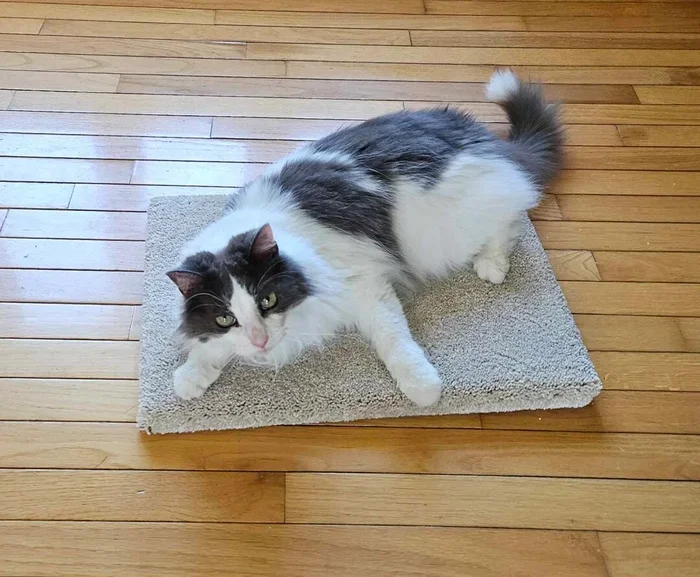
Your cat loves your yoga mat because of its texture, warmth, and scent. Cats are naturally drawn to rubber and foam materials that feel good under their paws. Understanding this behavior helps you keep your mat clean and your cat happy.
Key Takeaways
- Texture Attraction: Cats love the smooth, slightly grippy surface of yoga mats.
- Warmth Factor: Yoga mats retain heat, making them cozy spots for cats.
- Scent Marking: Cats rub on mats to claim territory and spread their scent.
- Kneading Instinct: The soft material triggers natural kneading behavior in cats.
- Safety Matters: Some yoga mat materials can be harmful if ingested by cats.
- Easy Cleaning: Regular cleaning keeps your mat safe and fresh for both you and your cat.
📑 Table of Contents
- Why Does My Cat Love My Yoga Mat So Much?
- The Texture Factor: Why Cats Love Yoga Mat Surfaces
- Warmth and Coziness: The Hidden Appeal
- Scent and Territory: Your Cat Claims the Mat
- Kneading Instincts and the Yoga Mat
- Is Your Yoga Mat Safe for Cats?
- How to Keep Your Yoga Mat Clean with a Cat
- Should You Get a Separate Mat for Your Cat?
- Conclusion
Why Does My Cat Love My Yoga Mat So Much?
If you own a cat and a yoga mat, you have probably noticed something funny. Your cat seems obsessed with your yoga mat. They stretch on it. They knead it. They sleep on it every single chance they get. It is adorable but also a little confusing.
Why does my cat like my yoga mat so much? The answer is simpler than you think. Cats are drawn to yoga mats for several reasons. The texture feels amazing under their paws. The material holds warmth. And the smell reminds them of you, which makes them feel safe. In this article, we will explore every reason your feline friend loves your mat. We will also cover how to keep it clean and safe for both of you.
Understanding your cat’s behavior can strengthen your bond. It also helps you take better care of your gear. Let us dive into the fascinating world of cats and yoga mats.
The Texture Factor: Why Cats Love Yoga Mat Surfaces
Cats are very sensitive to texture. Their paws have special receptors that feel every tiny bump and groove. A yoga mat offers a unique surface that cats find incredibly appealing.
Smooth Yet Grippy Material
Most yoga mats are made from TPE, PVC, or rubber. These materials are smooth enough to glide on but have just enough grip. Cats love this balance. They can stretch out without slipping. It feels similar to walking on a soft carpet but with more support.
When your cat lies on your mat, they are enjoying the sensation. The slight cushion under their body feels luxurious to them. This is why you often see them curling up right in the middle of your mat.
Why Texture Matters for Cat Comfort
Cats seek out specific textures for comfort. They prefer surfaces that are not too rough and not too smooth. Yoga mats hit the sweet spot. The material is gentle on their paws and joints. This is especially important for older cats with arthritis or sore joints.
If your cat has a favorite blanket or bed, you may notice they still choose your yoga mat sometimes. The different texture gives them variety. Cats love novelty, even in their comfort zones.
Warmth and Coziness: The Hidden Appeal
Yoga mats are excellent at retaining heat. After you use your mat, it stays warm for a while. This warmth is incredibly attractive to cats. They are naturally drawn to cozy, warm spots around the house.
Why Cats Seek Warm Surfaces
Cats have a higher body temperature than humans. They feel cold more easily. A warm yoga mat provides instant comfort. Your cat will often hop on your mat right after you finish a workout. They are chasing that residual warmth.
This behavior is completely normal. In the wild, cats seek out warm surfaces to conserve energy. Your yoga mat at home serves the same purpose. It is their personal heated bed.
How to Keep the Warmth Going
If your cat loves the warmth of your mat, there are simple ways to enhance this. Roll up the mat after use and place it in a sunny spot. The sun will warm it up naturally. Your cat will appreciate the extra heat. Just make sure the mat is not in direct sunlight for too long, as this can degrade the material over time.
You can also fold a small towel on top of the mat before your cat gets on. This adds an extra layer of softness and insulation. Your cat will love the combination of warmth and cushion.
Scent and Territory: Your Cat Claims the Mat
Cats are territorial animals. They use scent to mark their favorite spots. Your yoga mat carries your scent after every workout. This makes it a prime territory for your cat to claim.
Scent Marking Behavior
When your cat rubs their face or body on your yoga mat, they are leaving their scent. This is a natural behavior called bunting. Cats have scent glands on their cheeks, chin, and paws. By rubbing on your mat, they are saying, “This is mine.”
Your cat also enjoys the smell of your sweat on the mat. Human sweat contains pheromones that cats find familiar and comforting. It reminds them of you and their safe space. This is why your cat often chooses your mat over their own bed.
How Scent Drives Your Cat’s Behavior
Understanding scent behavior helps explain why cats love certain spots. Your yoga mat becomes a communal scent zone. It smells like you, the exercise, and the routine your cat associates with comfort. This creates a strong emotional connection for your cat.
If you have ever wondered why your cat follows you to the gym area, this is why. They want to be near the mat because it represents safety and familiarity. It is their comfort zone.
Kneading Instincts and the Yoga Mat
Have you ever watched your cat knead your yoga mat? They push their paws in and out, rhythmically. This behavior is deeply rooted in their biology. It goes back to kittenhood.
Why Cats Knead Soft Surfaces
Kneading is a sign of comfort and contentment. Kittens knead their mother’s belly to stimulate milk flow. Adult cats carry this behavior into adulthood. They knead soft surfaces to feel safe and relaxed.
Yoga mats are the perfect material for kneading. They are soft enough to press into but firm enough to provide resistance. Your cat can sink their claws in slightly without damaging the mat too much. This satisfies their instinct without causing destruction.
Is Kneading a Sign of Happiness?
Yes, kneading is one of the clearest signs a cat is happy. When your cat kneads your yoga mat, they are expressing pure comfort. They feel secure in that spot. Some cats also purr while kneading, which is another indicator of contentment.
Not all cats knead, though. If your cat does not knead the mat, that is perfectly normal too. Every cat has their own personality and preferences. Some cats prefer just lying flat on the mat without any kneading at all.
Is Your Yoga Mat Safe for Cats?
While it is cute that your cat loves your mat, safety should always come first. Not all yoga mat materials are safe for pets. Understanding what is in your mat can protect your furry friend.
Toxic Materials to Watch Out For
Some yoga mats contain chemicals that can be harmful to cats. PVC mats, for example, may release phthalates or other toxins. Cats are small animals, so even small amounts of exposure can be risky. If your cat licks or chews on the mat, they could ingest harmful substances.
TPE mats are generally considered safer. They are free from latex, PVC, and phthalates. If you are concerned about your cat’s safety, consider switching to a TPE or natural rubber mat. These options are non-toxic and pet-friendly.
Signs Your Cat May Have Chewed the Mat
Keep an eye on your mat for bite marks or tears. If you notice your cat chewing on the mat, redirect their attention to a toy. Some cats chew on mats because they enjoy the taste of the material or because they are teething.
If you catch your cat eating pieces of the mat, remove the mat immediately. Ingesting yoga mat material can cause digestive issues. Contact your vet if you notice any unusual symptoms like vomiting or lethargy.
Quick Tips for Cat-Safe Mat Use
- Choose a TPE or natural rubber mat to avoid toxic chemicals.
- Store your mat in a closed closet or on a high shelf when not in use.
- Wipe down your mat after each use to remove sweat and cat hair.
- Inspect your mat regularly for bite marks or damage.
- Provide alternative cozy spots for your cat, like a warm blanket.
Taking these simple steps ensures your cat stays safe while still enjoying their favorite spot. You can also check if you can use a yoga mat under your treadmill or under your Peloton for extra cushioning during workouts, which might also interest your cat.
How to Keep Your Yoga Mat Clean with a Cat
Sharing your yoga mat with a cat means extra cleaning. Cat hair, dander, and occasional drool all end up on the mat. Keeping it clean is essential for hygiene and longevity.
Daily Cleaning Routine
After every use, give your mat a quick wipe. A damp cloth removes surface hair and dirt. This takes less than a minute and keeps your mat fresh. You can also use a lint roller to pick up loose cat fur efficiently.
Deep Cleaning Your Yoga Mat
For a thorough clean, you can wipe down your yoga mat with Clorox wipes or a gentle cleaner. Make sure the product is safe for pets and fully dry before your cat jumps back on. You should also wash your yoga mat in the washer if the manufacturer allows it. This removes built-up oils, sweat, and allergens that accumulate over time.
Always air dry your mat completely before storing it. Moisture trapped in the mat can lead to mold and bacteria growth. This is bad for both you and your cat.
How Often Should You Deep Clean?
If your cat uses the mat daily, aim to deep clean it once a week. This keeps the surface sanitary and extends the life of your mat. A well-maintained mat also provides better grip, which is important for your workouts.
Remember that cats are sensitive to smells. Strong cleaning chemicals can deter them from using the mat. Stick to mild, pet-safe cleaners. Vinegar is a great natural option that many cat owners use successfully.
Should You Get a Separate Mat for Your Cat?
Some cat owners wonder if they should buy a dedicated yoga mat or exercise mat for their pet. This is a great idea in some situations.
Benefits of a Cat-Specific Mat
A separate mat keeps your yoga mat in better condition. It also gives your cat their own territory, which can reduce conflict over shared spaces. You can choose a mat made specifically for pets, which often has antimicrobial properties.
Cat-specific mats are usually smaller and easier to manage. They are also typically less expensive than high-end yoga mats. If your cat damages your mat frequently, a separate option makes a lot of sense.
When to Share and When to Separate
If your cat only occasionally uses your mat, sharing is fine. Just clean it regularly. But if your cat is rough on the mat or you are concerned about hygiene, a separate mat is the better choice. You can also find mats designed for both pets and humans, which work well for multi-pet households.
Think about how long your yoga mat needs to be based on your height and your cat’s size. A longer mat gives both of you room to stretch comfortably without fighting for space.
Conclusion
Why does my cat like my yoga mat so much? The reasons are clear. Cats love the texture, warmth, and familiar scent of yoga mats. Their kneading instincts and territorial nature make the mat an ideal spot for relaxation and comfort. It is a completely normal behavior that most cat owners experience.
The key is balancing your cat’s enjoyment with safety and hygiene. Choose non-toxic materials, clean your mat regularly, and provide alternatives when needed. Your cat will continue to love their favorite spot, and your mat will stay in great shape for many workouts to come.
Enjoy the company of your furry friend on the mat. It is one of the many joys of having a cat who loves your fitness routine. Just remember to give them a quick wipe-down session after they hop off, and both you and your cat will stay happy and healthy.
Frequently Asked Questions
Why does my cat sit on my yoga mat every time I leave the room?
Cats are drawn to yoga mats because they carry your scent and offer a warm, comfortable surface. When you leave, your cat claims the mat as their safe spot. The texture and residual warmth make it irresistible for lounging and kneading.
Is it safe for cats to lie on yoga mats regularly?
Yes, it is generally safe if your mat is made from non-toxic materials like TPE or natural rubber. Avoid PVC mats that may contain harmful chemicals. Regular cleaning also helps keep the mat safe and hygienic for both you and your cat.
How do I stop my cat from scratching my yoga mat?
Provide your cat with alternative scratching surfaces like a cat tree or scratching post. You can also trim their nails regularly. If scratching persists, try placing a towel or mat cover over your yoga mat to protect it from damage.
Can I use Clorox wipes to clean my yoga mat after my cat uses it?
Yes, Clorox wipes can be used for quick surface cleaning, but make sure the mat is fully dry before your cat uses it again. For a deeper clean, you can wash your yoga mat in the washer if the manufacturer recommends it, or use a pet-safe cleaner.
Why does my cat knead my yoga mat before lying down?
Kneading is a natural instinct rooted in kittenhood. Cats knead soft surfaces to create a comfortable spot and express contentment. The yoga mat’s texture is perfect for this behavior, which is why your cat does it every time they settle down.
Should I get a separate yoga mat for my cat?
If your cat damages your mat frequently or you are concerned about hygiene, a separate mat is a great idea. Pet-specific mats are smaller, affordable, and often antimicrobial. This keeps your yoga mat in good condition while giving your cat their own cozy spot.