Why Do My Hands Hurt After Using Dumbbells
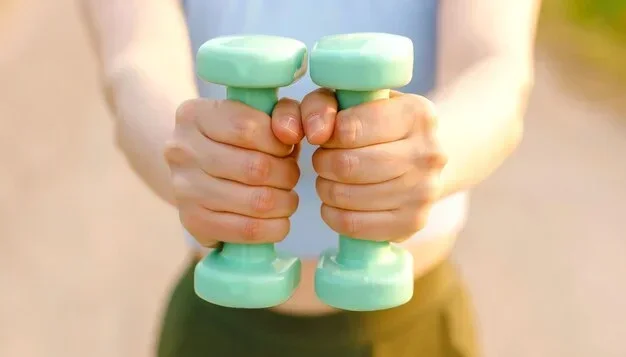
Hand pain after using dumbbells is a common problem that affects many lifters. Your hands hurt because of grip strain, improper form, or overuse during workouts. Understanding the root cause helps you find the right fix and get back to training pain-free. This guide covers the top reasons your hands hurt and how to prevent it.
Key Takeaways
- Grip fatigue is the #1 cause: Your hand muscles tire fast during dumbbell exercises, leading to pain and soreness.
- Improper grip technique makes it worse: Gripping too tight or placing the bar in the wrong spot strains your hands.
- Calluses and skin irritation matter: Rough skin and blisters from repeated friction cause significant discomfort.
- Numbness and tingling are warning signs: These symptoms may point to nerve compression or poor circulation during lifts.
- Prevention is simple and effective: Using proper grip, gloves, and progressive loading can stop hand pain before it starts.
- Recovery is just as important as training: Rest, stretching, and moisturizing help your hands heal faster between workouts.
📑 Table of Contents
Why Do My Hands Hurt After Using Dumbbells?
You just finished a solid workout. Your muscles feel pumped. But then you look down at your hands and notice they ache, throb, or sting. This happens to almost every lifter at some point. Hand pain after dumbbell training is incredibly common, and it has several straightforward causes.
The good news? Most of the time, this pain is not a sign of serious injury. It usually comes from how you hold the weights, how long you train, or the condition of your skin. Once you know what is causing the discomfort, you can take action to fix it. Let us break down the main reasons your hands hurt after a dumbbell session.
The Role of Grip Fatigue
Your hands contain dozens of small muscles that control your grip. When you hold a dumbbell, these muscles work hard to keep the weight secure. During a long set or a heavy workout, these muscles simply get tired. This is called grip fatigue, and it is the most common reason hands hurt after lifting.
Think of it like holding a heavy bag of groceries. At first, it feels fine. But after a few minutes, your fingers start to ache. Dumbbell exercises work the same way, except the load is constant and repetitive. Over time, the muscles in your palms and fingers burn out, causing soreness and stiffness.
Grip fatigue becomes a bigger problem when you increase your weight too fast. Your hands need time to adapt to heavier loads, just like any other muscle group. If you jump into heavy dumbbells without building up gradually, your hands will protest.
Improper Grip Technique
How you hold the dumbbell matters more than you think. A poor dumbbell grip puts uneven pressure on your hands, leading to pain in specific spots. Here are the most common grip mistakes lifters make.
First, gripping the bar too tightly. This might seem like it gives you more control, but it actually exhausts your hand muscles faster. You should hold the dumbbell firmly, but not like you are trying to crush it. A relaxed but secure grip lasts longer and feels better.
Second, placing the dumbbell in the wrong spot in your hand. If the bar sits too far toward your fingers, it creates pressure on your knuckles. If it sits too far into your palm, it compresses the nerves and soft tissue. The sweet spot is right in the center of your palm, where the weight distributes evenly.
Third, using an improper wrist angle. If your wrists bend too far back or forward during exercises like curls or presses, the strain travels down into your hands. Keeping your wrists neutral is one of the simplest ways to protect your hands and wrists during weightlifting.
Common Hand Injuries From Dumbbell Training
Beyond general soreness, certain injuries can develop from repeated dumbbell use. Knowing these helps you spot problems early and seek the right treatment.
Calluses and Skin Irritation
Calluses form when your skin repeatedly rubs against the dumbbell bar. Over weeks and months of training, this friction thickens the skin on your palms and fingers. While some calluses are normal for lifters, thick or cracked ones can become painful.
Blisters are another common issue, especially for beginners or after switching to a new grip position. Moisture from sweat makes the skin softer and more prone to tearing. The friction between your hand and the dumbbell creates pressure points that turn into painful blisters.
Keeping your hands moisturized and using proper lifting straps can reduce skin damage. Regularly filing down thick calluses also helps prevent them from cracking and hurting during workouts.
Numbness and Tingling in the Hands
If your hands go numb or tingly after using dumbbells, this is a signal worth paying attention to. Numbness after lifting often happens when nerves in your wrist or forearm get compressed during a exercise. The most well-known cause is carpal tunnel syndrome, where the median nerve gets squeezed in the wrist.
Another cause is ulnar nerve compression, which affects the ring and little fingers. This can happen when you rest your hand against the dumbbell bar in an awkward position during exercises. The pressure on the nerve cuts off circulation temporarily, causing that tingling sensation.
Occasional mild tingling might not be a big deal. But if you experience persistent numbness or weakness in your hands, you should see a doctor. Catching nerve issues early prevents long-term damage and keeps you lifting for years.
Knuckle and Finger Joint Pain
Your knuckles take a beating during dumbbell training, especially during exercises where your hands bear the weight directly. Pain in the finger joints after curling or pressing is very common. This happens because the joints absorb impact every time you grip and release the dumbbell.
People with pre-existing arthritis or joint issues often notice their hand pain gets worse during dumbbell training. The repetitive motion inflames the joints, causing swelling and stiffness. Using padded dumbbell handles or wrapping your hands can ease the pressure on your joints.
How to Prevent Hand Pain During Dumbbell Workouts
Prevention is always better than treatment. Here are practical steps you can take right now to stop your hands from hurting after your next session.
Build Grip Strength Gradually
Your grip strength improves over time with consistent training. Do not jump straight into the heaviest dumbbells you can find. Start with a weight you can handle comfortably for 10 to 12 reps. Slowly increase the load over weeks and months. This gives your hand muscles time to strengthen and adapt.
You can also do grip-strengthening exercises outside of your main workouts. Squeezing a stress ball, using a hand gripper, or doing farmer walks with lighter weights all build endurance in the small muscles of your hands and forearms.
Use the Right Equipment
Your equipment choices make a big difference in how your hands feel after training. Here are some gear tips that actually help.
- Lifting straps: These take some pressure off your grip and let your hands focus on controlling the movement rather than just holding on.
- Padded dumbbell handles: Softer handles reduce the friction and pressure on your palms and fingers.
- Weightlifting gloves: Gloves add cushioning and improve your grip, which reduces the strain on your hands.
- Chalk or magnesium powder: This absorbs sweat and improves your grip, so you do not need to squeeze as hard to hold the dumbbell.
If you notice that your hands slip during exercises, this might be a sign you need better grip support. Slipping forces you to grip harder, which tires out your hands faster and increases the risk of pain and injury.
Focus on Proper Form
Good form protects your entire body, including your hands. Keep your wrists neutral during every exercise. Avoid bending your wrists backward during curls or forward during presses. Your wrist should form a straight line with your forearm.
Also, pay attention to how you set down the dumbbell after each rep. Dropping the weights creates a jarring impact that travels through your hands. Lower the dumbbell under control to reduce this stress.
Take Breaks and Rest Your Hands
Rest days are not just for your muscles. Your hands need recovery time too. If you train your upper body every day, your hands never get a chance to heal from the daily friction and strain. Schedule at least one or two rest days per week where you avoid heavy gripping exercises.
Between sets, shake out your hands and gently stretch your fingers. This improves blood flow and prevents stiffness from building up during your workout.
Treatment Options for Sore Hands After Lifting
If your hands already hurt, do not panic. Most cases of post-workout hand pain resolve with simple home treatments. Here is what works.
Immediate Relief Steps
Start by resting your hands and avoiding any heavy gripping for 24 to 48 hours. Apply ice wrapped in a towel to the painful areas for 15 to 20 minutes at a time. This reduces inflammation and numbs the soreness.
Gently massage your palms and fingers to improve blood flow. A light hand massage after training helps flush out the metabolic waste that builds up in your muscles during exercise. You can also soak your hands in warm water with Epsom salt to relax tight muscles and ease joint stiffness.
Long-Term Recovery Habits
Moisturize your hands daily to keep the skin soft and prevent cracking. Use a thick hand cream or balm before bed and wear cotton gloves overnight for deeper absorption. This is especially important if you have calluses or dry, rough skin from lifting.
Stretch your hands and wrists every day, even on rest days. Simple stretches like extending your arm and gently pulling your fingers back with your other hand keep your joints flexible and reduce stiffness. Over time, these habits make a noticeable difference in how your hands feel after workouts.
When to See a Doctor About Hand Pain
Most hand pain from dumbbells is mild and temporary. But some situations need medical attention. If you experience any of the following, it is time to see a professional:
- Sharp or shooting pain in your hand or wrist that does not go away with rest
- Persistent numbness or tingling that lasts for more than a few hours after your workout
- Swelling, redness, or warmth in your hand joints
- Difficulty gripping or holding objects during daily activities
- Clicking or popping sensations in your fingers when you move them
- Hand pain that gets progressively worse over several weeks
A doctor or physical therapist can diagnose the underlying issue and create a treatment plan tailored to your needs. Do not ignore persistent hand pain. Early intervention prevents minor issues from becoming chronic injuries that sideline you from training.
Final Thoughts
Hand pain after using dumbbells is frustrating, but it is almost always fixable. Most of the time, the culprit is simple: grip fatigue, poor technique, or lack of proper equipment. Once you address these factors, your hands feel noticeably better after every workout.
Start by checking your grip form and adjusting your weight progression. Add the right gear like gloves or straps if needed. And do not skip rest days, because recovery is when your hands actually get stronger. With these changes, you can lift confidently without the nagging hand pain slowing you down.
Listen to your body. If something feels off, take a break and assess the situation. Your hands work hard for you in every workout, so give them the care and attention they deserve.
Frequently Asked Questions
Why do my hands cramp after holding dumbbells?
Hand cramps after holding dumbbells usually happen because your hand muscles fatigue from gripping the weight for too long. Dehydration and low electrolyte levels can also contribute to cramping. Try shortening your set duration and making sure you drink enough water before and during your workout.
Can I still lift weights if my hands hurt?
Mild soreness is usually okay to train through, but sharp or persistent pain is a sign you should stop and rest. Continuing to lift through serious hand pain can turn a minor issue into a chronic injury. Listen to your body and give your hands time to recover before your next session.
Are lifting straps bad for hand strength?
Lifting straps are not bad when used correctly. They help you lift heavier weights without relying solely on your grip strength, which allows you to target your muscles more effectively. However, you should still do some grip-focused training without straps to maintain balanced hand and forearm strength.
How long does hand pain last after a dumbbell workout?
Mild hand soreness typically fades within 24 to 48 hours after your workout. If the pain lasts longer than a few days or gets worse over time, that could indicate an underlying issue like nerve compression or joint inflammation. In that case, it is worth seeing a healthcare professional.
What is the best grip for preventing hand pain during curls?
For curls, wrap your thumbs fully around the dumbbell handle and keep your wrists in a neutral position. Avoid letting the dumbbell rest too far into your palm or too far toward your fingertips. A centered, balanced grip distributes the load evenly and reduces the strain on your hands and wrists.
Do I need special gloves for dumbbell training?
You do not need gloves, but they can help if you struggle with grip, calluses, or skin irritation. Look for gloves with padded palms and breathable material. Some lifters prefer the direct feel of bare hands, so it comes down to personal preference and what works best for your training style.