What Size Dumbbells Should I Use for Squats
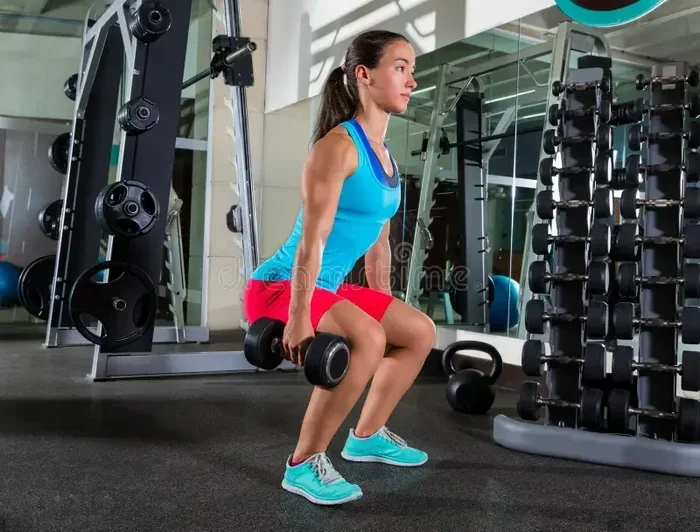
Choosing the right dumbbell size for squats depends on your fitness level, goals, and squat variation. Beginners should start light and focus on form, while advanced lifters need heavier weights to keep challenging their muscles. This guide breaks down everything you need to know about dumbbell squat weights for every experience level.
Key Takeaways
- Start Light: Beginners should begin with 5 to 15 pound dumbbells to master squat form before adding weight.
- Match Weight to Your Goal: Use lighter dumbbells for toning and heavier ones for building muscle mass.
- Goblet Squats Are Great for Starters: Holding one dumbbell at your chest makes it easier to find the right weight.
- Progress Gradually: Increase your dumbbell weight by 2 to 5 pounds at a time to avoid injury.
- Form Matters More Than Weight: Proper squat technique prevents injuries and delivers better results than heavy weights with bad form.
- Women and Men May Need Different Sizes: Average starting weights differ based on strength levels and fitness experience.
📑 Table of Contents
- Why Dumbbell Squats Are a Game-Changer for Your Legs
- How to Choose the Right Dumbbell Size for Squats
- Best Dumbbell Squat Variations and Recommended Weights
- Common Mistakes People Make with Dumbbell Squats
- Tips for Progressing Your Dumbbell Squat Weight Safely
- Dumbbell Squats vs Other Squat Options
- Final Thoughts on Finding Your Perfect Dumbbell Squat Weight
Why Dumbbell Squats Are a Game-Changer for Your Legs
Squats are one of the best exercises you can do. They work your glutes, quads, hamstrings, and core all at once. Adding dumbbells to squats makes the move even more effective. You build more muscle and get stronger faster.
But here is the tricky part. How do you know what size dumbbells should I use for squats? Too light and the exercise feels easy. Too heavy and your form falls apart. The sweet spot is different for everyone. That is exactly what we will cover in this guide.
Whether you are a total beginner or a seasoned lifter, picking the right dumbbell weight can make or break your workout. Let us dive in and find your perfect match.
How to Choose the Right Dumbbell Size for Squats
There is no one-size-fits-all answer. Your ideal dumbbell squat weight depends on several factors. Let us look at what matters most.
Your Fitness Level
Where are you right now? If you are just starting out, light dumbbells for squats are your best friend. A pair of 5 to 15 pound dumbbells works well for most beginners. This gives you room to focus on proper squat form without struggling.
Intermediate lifters can usually handle 15 to 30 pound dumbbells. Advanced athletes often go 30 pounds and beyond. The key is to be honest about where you stand.
Your Squat Goal
What do you want to achieve? Your goal shapes your weight choice.
- Toning and endurance: Use lighter dumbbells, around 5 to 15 pounds. Do more reps for a lower body workout that builds lean muscle.
- Building muscle: Go heavier, around 20 to 50 pounds. Fewer reps with more weight create the tension your muscles need to grow.
- Strength training: Use the heaviest weight you can handle with good form. This is where real strength gains happen.
Your Body Weight
Your own body weight plays a role too. A lighter person will find 20 pounds very challenging. A heavier person might need 40 pounds to feel the same level of difficulty. Always consider your size when choosing resistance training weights.
Best Dumbbell Squat Variations and Recommended Weights
Not all squats are the same. Different styles change how much weight you should use. Here are the most popular dumbbell squat variations and the best weights for each.
Goblet Squat
The goblet squat is perfect for beginners. You hold one dumbbell vertically at your chest with both hands. This dumbbell squat exercise teaches proper form naturally. Start with a 10 to 15 pound dumbbell. As you get stronger, move up to 25 or 30 pounds.
Dumbbell Goblet Squat with Two Dumbbells
Hold one dumbbell in each hand at your sides. This version is a bit harder than the single goblet squat. Beginners should start at 10 to 20 pounds total. Intermediate lifters often use 30 to 40 pounds.
Dumbbell Sumo Squat
Sumo squats use a wide stance and target your inner thighs. Because of the stance, you can often handle slightly heavier dumbbells for squats. Start at 15 pounds and work your way up. Women looking for a lower body toning workout often love this variation.
Dumbbell Bulgarian Split Squat
This single-leg squat is intense. You will need lighter weights than regular squats. 10 to 25 pounds per dumbbell works well for most people. Focus on balance and control over heavy weight here.
Dumbbell Front Squat
Hold the dumbbells at shoulder height with elbows high. This challenging variation demands good core strength. Start with 15 to 20 pounds and increase slowly.
| Squat Variation | Beginner Weight | Intermediate Weight | Advanced Weight |
|---|---|---|---|
| Goblet Squat (One Dumbbell) | 10-15 lbs | 20-30 lbs | 35-50 lbs |
| Goblet Squat (Two Dumbbells) | 10-20 lbs | 25-40 lbs | 45-60 lbs |
| Sumo Squat | 15-20 lbs | 25-40 lbs | 45-60 lbs |
| Bulgarian Split Squat | 10-15 lbs | 15-25 lbs | 30-40 lbs |
| Front Squat | 15-20 lbs | 25-35 lbs | 40-50 lbs |
Common Mistakes People Make with Dumbbell Squats
Even with the right dumbbell weight, mistakes can hold you back. Let us avoid the most common pitfalls.
Choosing Weight That Is Too Heavy
This is the number one mistake. People grab heavy dumbbells and sacrifice their form. Bad form leads to injuries, especially in your knees and lower back. If you cannot complete a full squat without rounding your back, the weight is too much. Start lighter than you think you need. You can always add weight next session.
Neglecting Your Warm-Up
Jumping straight into heavy squats without warming up is a recipe for trouble. Spend 5 to 10 minutes doing light cardio and bodyweight squats first. Your muscles need blood flow and mobility before they handle resistance training load.
Rushing Through Reps
Speed is not your friend here. Slow and controlled reps build more muscle and keep your joints safe. Take 2 to 3 seconds on the way down and 1 to 2 seconds on the way up. Quality beats quantity every time.
Ignoring Your Feet and Knees
Your knees should track over your toes. If they cave inward, you are using too much weight or have weak hip muscles. Fix your form before you add more dumbbell weight.
Tips for Progressing Your Dumbbell Squat Weight Safely
Once you find your starting weight, the next step is progression. Here is how to do it the right way.
Follow the 2-to-5 Pound Rule
When your current weight feels easy, add just 2 to 5 pounds. Small jumps keep your squat exercise challenging without overwhelming your body. This approach builds strength steadily and keeps injuries away.
Track Your Workouts
Write down your weights, reps, and sets every session. A simple notebook or phone app works great. Tracking helps you see progress over time and tells you exactly when to increase your dumbbell size.
Listen to Your Body
Soreness is normal. Pain is not. If your knees or lower back hurt during squats, stop and reassess. You may need lighter weight or a different dumbbell squat variation. Your body always gives you signals. Learn to read them.
Pair Squats with Other Leg Exercises
Do not rely on squats alone. Add lunges, leg press, and deadlifts to your routine for balanced leg development. A well-rounded leg workout prevents imbalances and keeps your training interesting.
Dumbbell Squats vs Other Squat Options
Dumbbell squats are great, but how do they compare to other squat styles? Let us look at the big picture.
Barbell squats allow you to lift the most weight. They are the king of strength training. But they require a squat rack and a spotter. Dumbbell squats are much more accessible. You can do them at home with minimal equipment.
Kettlebell goblet squats are another popular option. They feel similar to dumbbell goblet squats but have a different grip. Some people find kettlebells more comfortable for squat exercises. You can even use a dumbbell for kettlebell swings if you are short on equipment.
If you do not own any dumbbells at all, you can use resistance bands or a barbell. Check out our guide on what you can use as a substitute for dumbbells for more ideas.
The best squat style is the one you will actually do consistently. Dumbbell squats win for convenience and versatility. They fit into any home gym setup and work for every fitness level.
Final Thoughts on Finding Your Perfect Dumbbell Squat Weight
So, what size dumbbells should I use for squats? The answer is simple. Start where you are. Use a weight that challenges you but lets you keep perfect form. Progress slowly and steadily. Trust the process.
There is no shortcut. No magic number. Just consistent effort with the right dumbbell weight. Whether you are a man or a woman, a beginner or an advanced lifter, the principles stay the same. Pick your weight, focus on your form, and show up every session.
Your legs will grow stronger. Your confidence will rise. And you will wonder why you ever doubted yourself. Grab those dumbbells and get squatting. Your best self is waiting on the other side of that next rep.
For more guidance on choosing the right equipment, check out our article on what size dumbbells to use for building muscle and our tips for how much dumbbell weight beginners should start with. Women can also find specific recommendations in our guide for women choosing dumbbells for toning.
Frequently Asked Questions
What size dumbbells should a beginner use for squats?
Most beginners should start with 5 to 15 pound dumbbells. This range lets you focus on learning proper squat form without straining your muscles. As you build confidence and strength, gradually increase the weight by 2 to 5 pounds every few weeks.
Can I use heavy dumbbells for squats if I am experienced?
Yes, experienced lifters can use 40 to 60 pound dumbbells or more for squats. However, always prioritize form over weight. If your back rounds or your knees cave inward, the dumbbells are too heavy regardless of your experience level.
How many reps should I do with dumbbells for squats?
For muscle building, aim for 8 to 12 reps per set. For toning and endurance, do 15 to 20 reps with lighter weight. Rest 60 to 90 seconds between sets for the best results.
Are dumbbell squats as effective as barbell squats?
Dumbbell squats are highly effective, especially for home workouts and beginners. Barbell squats allow heavier loading, but dumbbell squats offer more freedom of movement and are easier to perform safely without a spotter.
What is the best dumbbell squat variation for women?
The goblet squat and sumo squat are excellent choices for women. Start with 10 to 15 pound dumbbells and progress from there. These variations target the glutes and inner thighs effectively while being gentle on the knees.
How often should I do dumbbell squats?
Two to three times per week is ideal for most people. This gives your muscles enough time to recover between sessions. Pair your dumbbell squat routine with other leg exercises for a balanced lower body workout.