What Part of Body Does Rowing Machine Work
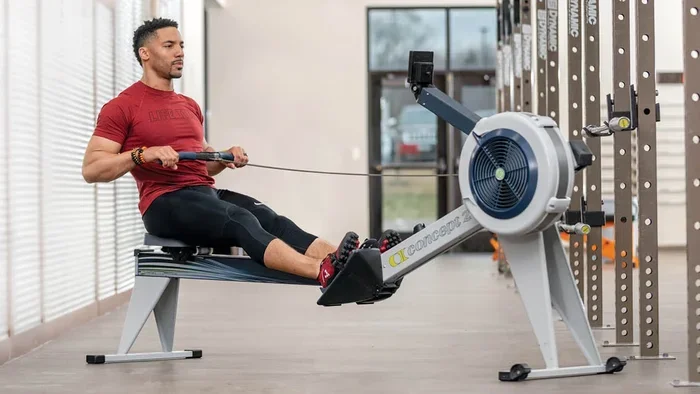
The rowing machine is one of the most effective full-body workout tools you can use, engaging over 86% of your muscles in a single stroke. It targets your legs, arms, back, and core simultaneously, making it a powerful choice for people who want maximum results in minimum time. Unlike many gym machines that isolate one muscle group, the rower delivers a balanced cardio and strength training session that transforms your entire physique.
What Part of Body Does Rowing Machine Work
If you have been searching for a workout that hits multiple muscle groups at once, a rowing machine might be exactly what you need. So, what part of body does rowing machine work? The short answer is nearly everything. From your legs and back to your arms and core, a rowing machine engages a surprising number of muscles in one smooth motion.
Many people think rowing is just an arm workout. That is a common mistake. In reality, the rowing machine is one of the best pieces of home gym equipment for a full body workout. Whether you are a beginner or a seasoned athlete, understanding which muscles you are actually working can help you get better results and avoid injury.
In this guide, we break down every muscle group a rowing machine targets. We also share tips on proper form, common errors, and how to maximize your sessions. By the end, you will know exactly why this simple machine delivers such powerful rowing workout benefits.
Key Takeaways
- A rowing machine engages 86% of your muscles, making it one of the most full-body workouts available.
- Your legs drive the initial power, targeting quads, hamstrings, and calves during each stroke.
- The rowing stroke strengthens your core, including abs, obliques, and lower back muscles throughout the motion.
- Your arms and shoulders pull the handle, building tone in biceps, triceps, and upper back.
- Consistent rowing improves posture by strengthening the muscles that support your spine and upper body.
- The drive phase works your lower body, while the recovery phase engages your upper body.
📑 Table of Contents
What Muscles Does a Rowing Machine Target?
The beauty of indoor rowing is that it works your entire body in one fluid movement. Each stroke follows a specific sequence, and different muscles fire at different phases. Let us break this down so you can see exactly what is happening under the hood.
The Leg Drive Phase
The stroke begins with your legs. This is the most powerful part of the movement. Your quadriceps, hamstrings, glutes, and calves all push against the footplates to drive you backward. In fact, about 60 percent of the power in each stroke comes from your lower body.
If you have ever wondered why your legs burn so fast on a rowing machine, this is why. The leg drive is where the real strength lives. Strong legs mean more power, better speed, and higher calorie burn during every session.
The Core and Back Engagement
Once your legs reach full extension, your core and back take over. Your abdominals, obliques, and lower back stabilize your torso. Then your upper back muscles, including the latissimus dorsi and rhomboids, pull your shoulders back.
This is where a rowing machine really shines compared to machines that isolate single muscles. Your core works hard to keep your posture stable throughout the entire stroke. Over time, this leads to better core strength and improved posture in daily life.
The Arm and Shoulder Pull
The final phase of the stroke involves pulling the handle toward your lower chest. Your biceps, forearms, and rear deltoids all contract during this motion. Your grip also strengthens as you hold the handle throughout each rep.
While the arms contribute less power than the legs, they still play an important role. Think of them as the finishing touch that completes each rowing machine exercise. Without proper arm engagement, your strokes lose efficiency and power.
How Each Stroke Works Different Body Parts
Understanding the stroke sequence helps you get more from every rep. A single rowing stroke has four distinct phases. Each one activates specific muscle groups in a coordinated pattern.
The Catch
This is the starting position. You are leaning slightly forward, knees bent, and arms extended. The muscles at rest here include your triceps and the front of your shoulders. Your core is lightly engaged to maintain a neutral spine.
The catch sets up the entire stroke. A strong catch means a powerful drive. Many beginners rush through this phase, but slowing down and setting up properly makes a big difference.
The Drive
This is the work phase. Your legs push, your core stabilizes, and your arms pull. Nearly every major muscle group in your body fires during the drive. It is the heart of the rowing machine movement.
The drive is where the magic happens for muscle groups like your quads, glutes, hamstrings, lats, and biceps. Focus on driving through your heels and keeping your back straight for maximum benefit.
The Recovery
The recovery is the return phase. Your arms extend first, then your torso leans forward, and finally your knees bend as you slide back to the catch. This phase is controlled and restful. It prepares your body for the next powerful drive.
Many people underestimate the recovery. But it is during this phase that your heart rate stays elevated, which boosts your cardio training benefits. A smooth recovery also reduces strain on your joints.
The Finish
At the finish, your legs are fully extended, your torso is slightly leaned back, and the handle is pulled to your lower chest. Your core and back muscles are fully contracted. This is the moment of peak engagement for your upper body.
Holding this position for a brief second before transitioning back to the catch helps you build strength and control. Think of the finish as the crown of each stroke.
Benefits of Using a Rowing Machine for Your Body
Now that you know what part of body does rowing machine work, let us look at the bigger picture. The rowing machine benefits go far beyond just building muscle.
Full Body Conditioning
A rowing machine gives you a rare combination of strength and cardio in one exercise. You build muscle while also improving your heart health. This makes it an incredibly efficient use of your workout time.
Unlike treadmills or bikes that focus mainly on the lower body, rowing pulls in your upper body too. That is why so many people call it a full body workout machine. You get more bang for your buck with every session.
Low Impact, High Reward
Rowing is gentle on your joints. There is no jumping, no pounding, and no heavy impact. This makes it a great option for people with knee or hip issues who still want an effective cardio workout.
The smooth, gliding motion of a rowing machine protects your joints while still challenging your muscles. You can push hard without worrying about wear and tear on your body. That is a win-win for long-term fitness.
Improved Posture and Balance
Since rowing heavily engages your back and core, it naturally strengthens the muscles that keep you upright. Over time, you will notice better posture and more stability in everyday movements.
Strong back muscles also help counteract the effects of sitting all day. If you work at a desk, a few minutes on a rowing machine can do wonders for your spine health and overall comfort.
Calorie Burning and Weight Loss
Rowing burns a significant number of calories. A moderate session can torch 400 to 600 calories per hour, depending on your intensity and body weight. Because it works so many muscles, your metabolism stays elevated long after you stop.
This makes the rowing machine a powerful tool for anyone focused on body composition and weight management. Pair it with a balanced diet, and you will see real results over time.
Common Mistakes That Reduce Effectiveness
Even though a rowing machine is simple to use, bad habits can sneak in quickly. Avoiding these mistakes will help you get the most out of every workout.
Overusing Your Arms
The biggest mistake beginners make is pulling with their arms too early. Your arms should be the last link in the chain, not the first. Let your legs do the heavy lifting, and use your arms only to finish the stroke.
If you find your arms burning out before your legs, you are likely using the wrong sequence. Focus on the drive order: legs, core, then arms. This will make your workouts feel easier and more effective.
Rounding Your Back
Slouching or rounding your back puts unnecessary strain on your spine. Keep your chest lifted and your shoulders relaxed throughout the entire stroke. A neutral spine is your best friend on a rowing machine.
Good posture also ensures the right muscles are doing the work. When your back rounds, your arms and shoulders overcompensate, which can lead to strain and poor rowing form over time.
Rushing the Recovery
Many people fly through the recovery phase just to get more reps in. But rushing leads to sloppy form and missed muscle engagement. Take your time. A controlled recovery sets you up for a stronger drive.
Think of the recovery as part of the workout, not a break between strokes. Smooth, deliberate movements keep your heart rate in the right zone and maximize the endurance training benefits of each session.
How to Get the Most Out of Your Rowing Workout
Now that you understand how a rowing machine works your body, here are some practical tips to level up your sessions.
Start With Proper Warm-Up
Always begin with five to ten minutes of light rowing at a relaxed pace. This warms up your joints and primes your muscles for the work ahead. A good warm-up reduces your risk of injury and improves performance.
Focus on Stroke Rate and Intensity
Your stroke rate, or strokes per minute, controls the pace of your workout. For endurance building, aim for 18 to 24 strokes per minute. For high-intensity intervals, you can go up to 28 to 32 strokes per minute.
But speed is not everything. Focus on the quality of each stroke. A slower, powerful stroke with proper form beats a fast, sloppy one every time. Power comes from your legs, not from rushing.
Mix Up Your Workouts
Doing the same steady-state row every day can get boring. Try mixing in interval training, where you alternate between hard pushes and easy recovery rows. This keeps your workouts fresh and boosts your calorie burn rowing results.
You can also try pyramid workouts, distance challenges, or time trials. Variety keeps you motivated and challenges your muscles in new ways. The best rowing machine results come from consistent, varied training.
Track Your Progress
Most modern rowing machines display metrics like distance, time, split, and calories burned. Use these numbers to track your progress over weeks and months. Seeing improvement on the screen is a powerful motivator.
Set small, achievable goals. Maybe you want to row 2,000 meters in under eight minutes, or beat your last distance record. These little wins keep you coming back and pushing harder.
Is a Rowing Machine Right for You?
The short answer is yes, for almost anyone. A rowing machine is one of the most versatile pieces of workout equipment you can own. It suits beginners, advanced athletes, older adults, and everyone in between.
If you want a low-impact exercise that still delivers serious results, rowing is hard to beat. It builds strength, improves cardiovascular health, and works nearly every major muscle group in a single movement. Plus, it is compact enough to fit in most homes.
Of course, if you have specific injuries or medical conditions, it is always a good idea to check with your doctor first. But for the vast majority of people, a rowing machine is a safe, effective, and enjoyable way to stay active and healthy.
So the next time you are planning your workout, remember that a rowing machine does far more than you might think. It targets your legs, back, arms, and core all at once. That is a rare combination, and it is exactly why so many people are falling in love with indoor rowing.
Frequently Asked Questions
What Part of Body Does Rowing Machine Work?
A rowing machine works nearly your entire body, including your legs, arms, back, and core. It engages major muscle groups like the quads, hamstrings, glutes, shoulders, and biceps all in one smooth motion. This makes it one of the most effective full-body workouts you can do at home or in the gym.
Does a Rowing Machine Work Upper Body Muscles?
Yes, a rowing machine targets your upper body including the back, shoulders, arms, and chest. The pulling motion specifically works your lats, rhomboids, and biceps with each stroke. Over time, this helps build upper body strength and improve your posture.
What Muscles Does a Rowing Machine Target?
A rowing machine works both your upper and lower body muscles in a coordinated movement. Your legs power the drive phase while your arms and back handle the pull. The core muscles also stay engaged throughout every stroke to keep your body stable and balanced.
Is a Rowing Machine Good for Abs and Core?
Absolutely, a rowing machine is excellent for strengthening your abs and core. Your abdominal muscles engage with every stroke to maintain proper form and transfer power from your legs to your upper body. Regular rowing sessions can help you build a stronger core and better overall stability.
Does Rowing Machine Work Legs Effectively?
Yes, your legs do the heavy work during a rowing stroke, making it a powerful leg workout. The drive phase activates your quads, hamstrings, and glutes as you push off the footplate. This repeated leg engagement helps build endurance and strength in your lower body over time.
Can Using a Rowing Machine Help With Back Pain?
A rowing machine can help strengthen the muscles that support your spine, which may reduce back pain over time. It targets the lower and upper back muscles, promoting better posture and spinal alignment. However, you should always use proper form to avoid straining your back during workouts.