What Is the Size of a Yoga Mat
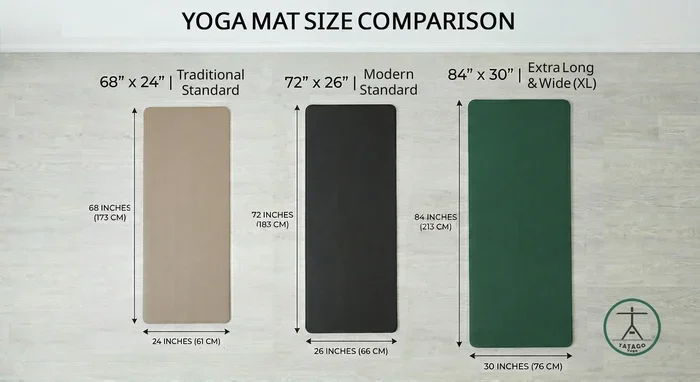
Understanding the size of a yoga mat is essential for comfort, stability, and proper alignment during your practice. Standard yoga mats typically measure 68 inches long and 24 inches wide, with thickness options ranging from 3mm to 6mm. Whether you are a tall yogi, a beginner, or looking for a travel-friendly option, choosing the correct yoga mat size can make a huge difference in your sessions.
If you have ever stepped onto a yoga mat that was too short or too thin, you know how distracting that can be. Your feet hang off the edge. Your knees ache on a hard floor. Everything feels off. That is why picking the right yoga mat size matters so much. It is not just about looks or brand names. It is about giving your body the space and support it needs to move freely and stay safe.
Whether you are a complete beginner or a seasoned practitioner, knowing your yoga mat dimensions helps you make a smart purchase. In this guide, we will walk you through every size option, explain what works best for different body types, and help you avoid common mistakes. By the end, you will feel confident choosing the perfect mat for your next session.
Key Takeaways
- Standard yoga mat size is 68 inches long by 24 inches wide, fitting most practitioners.
- Thickness matters — mats range from 3mm for travel to 6mm+ for joint support.
- Tall yogis should consider extra-long mats (72 to 85 inches) for full coverage.
- Material and density affect how the mat feels and performs during different styles of yoga.
- Choosing the right size depends on your height, practice style, and where you plan to use the mat.
- Travel yoga mats are shorter and lighter, making them easy to carry to classes or outdoors.
- Always test your mat size before purchasing when possible, or check measurements carefully online.
📑 Table of Contents
- Standard Yoga Mat Dimensions
- Yoga Mat Sizes for Different Body Types
- Thickness Guide: Finding the Right Cushioning
- How to Choose the Right Yoga Mat Size
- Yoga Mat Materials and How They Affect Size
- Common Mistakes When Choosing a Yoga Mat Size
- Expert Tips for Getting the Most Out of Your Yoga Mat
- Final Thoughts on Yoga Mat Size
Standard Yoga Mat Dimensions
Most yoga mats follow a standard size that works well for the average person. The typical standard size for a yoga mat is 68 inches long and 24 inches wide. This is the size you will find in most gyms and studios. It fits the majority of practitioners, especially those between 5 feet and 6 feet tall.
But what about thickness? The average thickness of a yoga mat falls between 3mm and 6mm. A 5mm mat is the most popular choice because it offers a good balance of cushioning and stability. Thinner mats feel more connected to the floor, which some yogis prefer for balance poses. Thicker mats provide more comfort for knees and joints during long holds.
Why Standard Dimensions Matter
The standard yoga mat size was designed with the typical body in mind. When your mat is the right dimensions, your hands and feet stay within the mat boundaries during poses. This gives you a clear visual boundary and helps with alignment. If your mat is too small, you constantly feel like you might slide off. That mental distraction can throw off your entire flow.
Also, studio mats are usually standard size. If you practice at home and buy a non-standard size, you might feel different when you visit a studio. Sticking with familiar yoga mat measurements keeps your practice consistent wherever you go.
Yoga Mat Sizes for Different Body Types
Not everyone fits the same mold. Body height, weight, and personal preference all play a role in finding the right fit. Let us break down the yoga mat sizes that work best for different body types.
Short and Average Height (Under 5’6″)
If you are under 5 feet 6 inches tall, a standard 68-inch mat should work perfectly for you. You will have plenty of room for your hands and feet. A standard yoga mat size in this range gives you full coverage without any excess material to trip over.
Tall Practitioners (Over 6 Feet)
For taller yogis, a standard 68-inch mat can feel too short. Your feet or hands may extend beyond the mat edge, especially in poses like downward dog or savasana. In this case, an extra long yoga mat measuring 72 inches or even 85 inches is a much better choice. These longer mats give you the space you need to stretch out fully and feel secure on the surface.
Wider Build or Extra Space Needs
The standard width of 24 inches works for most people. However, if you have a broader frame or simply like more room, you can find wider mats that are 26 inches or even 30 inches across. These wider yoga mat dimensions give you extra breathing room for poses like warrior or triangle. They are especially helpful if you share a mat space with a partner during couple yoga sessions.
Thickness Guide: Finding the Right Cushioning
Thickness is a key part of your mat’s overall feel. It affects comfort, stability, and portability. Let us look at the common thickness options and what each one is best for.
Thin Mats (3mm to 4mm)
Thin mats are lightweight and easy to carry. They provide a strong connection to the ground, which helps with balance. Many people prefer a thin yoga mat for styles like Ashtanga or Vinyasa where you are constantly moving and need a stable base. These mats are also great for travel yoga because they fold up small and slip easily into a bag.
Medium Mats (5mm to 6mm)
The 5mm to 6mm range is the sweet spot for most yogis. The average thickness of a yoga mat in this range offers enough cushioning for comfort without sacrificing stability. Your joints stay protected during kneeling poses, and you still feel grounded during standing balances. This is the range we recommend for most yoga mat beginners who want a reliable all-around option.
Thick Mats (7mm and Above)
Thick mats are all about comfort. If you have sensitive knees, back issues, or practice restorative yoga, a thicker mat can be a game changer. However, thick mats can feel unstable for balance poses. They are also heavier and bulkier to carry. If you choose a thick yoga mat, make sure you test it on a stable surface before committing to long practices.
How to Choose the Right Yoga Mat Size
Choosing the right yoga mat size does not have to be confusing. A few simple factors can guide your decision. Here is what to consider before you buy.
Step 1: Measure Your Height
Stand straight and measure your height. Then compare it to mat lengths. As a general rule, your mat should be at least 4 to 6 inches longer than your body. This gives you room at both ends — head and feet — without feeling cramped. If you are 5 feet 10 inches tall, a 72-inch mat will give you comfortable coverage.
Step 2: Consider Your Practice Style
Different styles of yoga demand different things from your mat. Hot yoga requires a mat that handles sweat and grip well. Gentle or restorative yoga benefits from a thicker, softer surface. Power yoga needs a mat that stays stable during fast transitions. Think about where and how you practice most often. This helps you narrow down the best size for a yoga mat for your specific needs.
Step 3: Think About Portability
Do you carry your mat to class regularly? If so, weight and thickness matter a lot. A travel yoga mat that is thin and lightweight saves your shoulders and back. Some people keep one mat at home and a separate travel mat for classes. This way, they get the best of both worlds — comfort at home and portability on the go.
Step 4: Test Before You Buy
Whenever possible, try a mat in person before purchasing. Lay it out on the floor and step onto it. Do a few poses. Notice how your hands and feet feel. Does the width feel right? Is the thickness comfortable for your joints? These small checks make a big difference in finding the right thickness for a yoga mat that suits you personally.
Yoga Mat Materials and How They Affect Size
The material of your mat can influence how the yoga mat dimensions feel in practice. Different materials offer different levels of grip, cushioning, and durability.
TPE (Thermoplastic Elastomer)
TPE mats are lightweight, eco-friendly, and come in a wide range of yoga mat sizes. They provide decent cushioning and good grip, even when wet. These mats are a popular choice for beginners and casual practitioners who want a reliable option without breaking the bank.
Natural Rubber
Natural rubber mats are dense, heavy, and offer excellent grip. They tend to be thicker and provide superior cushioning. If you practice hot yoga or sweat heavily, a rubber mat is a strong choice. The natural material also feels durable and long-lasting, even with regular use.
Cork
Cork mats are eco-friendly and naturally antimicrobial. They have a unique texture that improves grip as you sweat. Cork mats are usually available in standard yoga mat measurements and offer a firm, stable surface. They are slightly heavier than TPE but lighter than rubber.
Jute and Cotton
Natural fiber mats like jute and cotton offer a textured, earthy feel. They are thinner and provide less cushioning than rubber or TPE. These mats work well for practitioners who prefer a strong connection to the floor. They are also lightweight and easy to roll up for transport.
Common Mistakes When Choosing a Yoga Mat Size
Avoiding common mistakes saves you time, money, and frustration. Here are the pitfalls to watch out for.
Choosing Based on Price Alone
A cheap mat is not always a bad mat, but choosing solely based on price can lead to regret. A very thin, low-quality mat might wear out quickly or provide little cushioning. Invest in a mat that fits your body and practice style first, then consider your budget.
Ignoring Your Height
Many people buy a standard mat without checking if it fits their height. If you are over 6 feet tall, a 68-inch mat will leave your feet hanging. Always match the mat length to your body. A few extra inches of mat length can transform your comfort during practice.
Overlooking Thickness for Style
It is easy to fall in love with a beautiful mat design and ignore the thickness. But thickness directly affects your comfort and joint protection. A pretty mat that is too thin or too thick for your needs will not serve you well in the long run. Always prioritize function over aesthetics.
Not Considering Where You Practice
If you practice on a hard wooden floor, a thicker mat provides essential padding. If you practice on a thick carpet, a thinner mat might be better because it stays in place more easily. Your practice surface affects which yoga mat size and thickness work best for you.
Expert Tips for Getting the Most Out of Your Yoga Mat
Once you have chosen your ideal yoga mat size, a few simple habits will help you get the most from it.
- Clean your mat regularly. Sweat and oils build up over time. A quick wipe-down after each session keeps your mat fresh and grippy.
- Store it rolled, not folded. Folding can create permanent creases and cracks in the material. Rolling preserves the mat’s shape and cushioning.
- Replace when it wears out. A mat that has lost its grip or cushioning can cause slipping and discomfort. Most mats last 1 to 3 years with regular use.
- Use a mat towel for hot yoga. A microfiber towel placed over your mat absorbs sweat and improves grip during intense sessions.
- Break in a new mat. New mats can feel slippery at first. Practicing on a new mat for a few sessions helps the surface grip your skin better.
Final Thoughts on Yoga Mat Size
Finding the right yoga mat size is one of the simplest yet most impactful decisions you can make for your practice. A well-fitted mat supports your body, improves alignment, and lets you focus on your breath and movement instead of discomfort. Whether you choose a standard yoga mat size or go for an extra-long option, the key is to match the mat to your body, your style, and your lifestyle.
Take the time to measure yourself, test different thicknesses, and consider where you will be practicing most. These small steps lead to a much more enjoyable and effective yoga experience. Your mat is the foundation of your practice. Make sure it is the right one for you.
For more detailed guidance on choosing the perfect mat, check out our article on what is the standard size for a yoga mat to explore all the options available. You can also learn about average yoga mat lengths and average mat thicknesses to compare what fits your needs best. And if you are curious about the best size for a yoga mat based on expert reviews, we have you covered.
Frequently Asked Questions
What are the standard dimensions of a yoga mat?
The standard yoga mat size is 68 inches long and 24 inches wide, with a thickness of 5mm to 6mm. These dimensions fit most practitioners between 5 feet and 6 feet tall. However, taller or shorter individuals may need a different length or thickness for optimal comfort.
How do I know if a yoga mat is the right size for me?
Measure your height and add 4 to 6 inches to find the ideal mat length. Stand on the mat and check that your hands and feet stay within the edges during poses. If you feel cramped or your limbs hang off the mat, the size is not right for you.
Can I use a thicker yoga mat for better cushioning?
Yes, a thicker mat provides more cushioning for your joints, especially during kneeling or seated poses. However, thick mats can feel less stable for balance poses. Choose thickness based on your practice style and any joint or knee concerns you may have.
What is the best yoga mat size for tall people?
Tall practitioners should look for mats that are 72 inches or longer. Some extra-long mats reach 85 inches and provide full coverage for people over 6 feet tall. A longer mat ensures your hands and feet never hang off the edge during practice.
Are travel yoga mats the same size as standard mats?
No, travel yoga mats are typically shorter and thinner than standard mats. They usually measure around 60 to 66 inches long and are 3mm to 4mm thick. They are designed to be lightweight and portable, making them easy to carry to classes or outdoor sessions.
Does yoga mat thickness affect my balance?
Yes, thickness can affect balance. Thinner mats provide a firmer, more grounded feel that helps with stability. Thicker mats offer more cushioning but can feel less stable during standing balance poses. Choose based on your comfort and the style of yoga you practice most.