What Is the Diameter of an Olympic Barbell
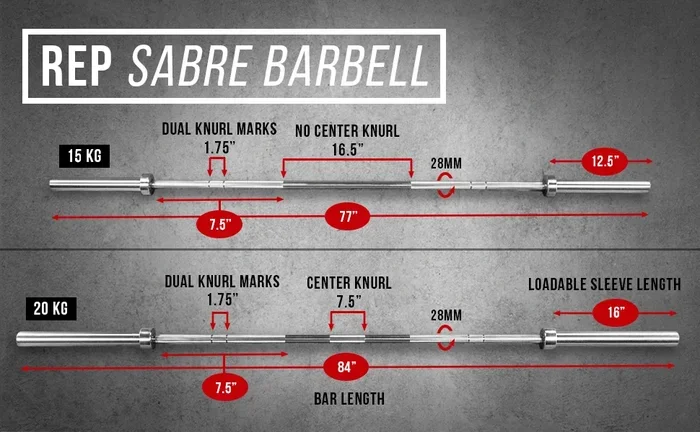
The diameter of an Olympic barbell is a key spec that impacts your grip, comfort, and lifting power. A standard men’s Olympic barbell measures 28mm in shaft diameter, while the women’s version is thinner at 25mm. Understanding these measurements helps you choose the right barbell for your training goals and avoid common grip and performance issues.
Whether you are a beginner stepping into the gym or a seasoned lifter loading plates for a heavy set, knowing the diameter of an Olympic barbell can make a real difference in your training. It is not just a number stamped on the bar. The diameter shapes how the bar feels in your hands, how much weight you can lift, and even how safe your workout is.
Many people assume all barbells are the same. They are not. The Olympic barbell has specific dimensions that set it apart from standard bars, Smith machine bars, and specialty bars. In this guide, we will break down everything you need to know about barbell diameter. You will learn the exact measurements, why they matter, and how to pick the right bar for your needs.
Let us get into it. No fluff. Just clear, practical information that you can use right away.
Key Takeaways
- Men’s Olympic barbell shaft diameter: 28mm (1.1 inches) is the standard competition size.
- Women’s Olympic barbell shaft diameter: 25mm (0.98 inches) for a more comfortable grip.
- Sleeve diameter matters too: The outer sleeve section is typically 50mm for proper plate loading.
- Grip diameter affects performance: Thicker bars challenge your grip strength, while thinner bars allow more reps.
- Not all bars are equal: Technique bars, safety bars, and training bars may differ from competition specs.
- Check the standard size of an Olympic barbell before purchasing to ensure compatibility with your plates.
📑 Table of Contents
- What Is the Diameter of an Olympic Barbell?
- Olympic Barbell vs Standard Barbell: How Do They Differ?
- How Barbell Diameter Affects Your Lifting Performance
- Different Types of Olympic Barbells and Their Diameters
- How to Choose the Right Barbell Diameter for You
- Common Mistakes People Make With Barbell Diameter
- Expert Tips for Getting the Most From Your Olympic Barbell
- Final Thoughts
What Is the Diameter of an Olympic Barbell?
The diameter of an Olympic barbell refers to the thickness of the shaft, which is the part you grip. This measurement is taken in millimeters and varies depending on the type of barbell and who it is designed for. The term “Olympic” refers to the bar’s ability to rotate on sleeves and meet competition standards set by the International Weightlifting Federation (IWF).
Here are the most common diameter measurements you will encounter:
- Men’s Olympic barbell shaft diameter: 28mm (about 1.1 inches)
- Women’s Olympic barbell shaft diameter: 25mm (about 0.98 inches)
- Junior and youth bars: 25mm or thinner
- Technique and training bars: 25mm to 28mm depending on the brand
These numbers are not random. They come from years of research and competition standards. The 28mm shaft for men’s bars offers a balance between grip strength challenge and comfort during explosive lifts like the snatch and clean and jerk. The 25mm women’s bar is slightly thinner to accommodate smaller hands and reduce fatigue during long training sessions.
Why Does Shaft Diameter Matter?
The shaft diameter directly affects your grip. A thicker bar forces your fingers to wrap around more surface area. This can tire your forearms faster but also builds grip strength over time. A thinner bar lets you hold more weight for more reps because your hands do not fatigue as quickly.
If you have ever struggled to finish a set of deadlifts because your hands gave out, the bar diameter might be part of the problem. Switching to a bar with a different diameter can change everything. This is why checking the diameter of an Olympic barbell before buying is so important.
Olympic Barbell vs Standard Barbell: How Do They Differ?
One of the most common questions lifters ask is how an Olympic barbell differs from a standard barbell. The answer goes beyond just diameter. It involves the entire design, including sleeve rotation, load capacity, and overall barbell dimensions.
A standard barbell typically has a shaft diameter of 25mm to 29mm, but the key difference lies in the sleeves. Standard barbells have fixed sleeves, meaning the plates do not spin freely. Olympic barbells have rotating sleeves that allow the plates to spin independently of the shaft. This rotation reduces wrist strain during Olympic lifts like the snatch and clean and jerk.
If you want a deeper look at how these two bar types compare, check out our guide on the difference between Olympic and standard barbell for a full breakdown.
Sleeve Diameter and Why It Matters
The sleeve diameter is another critical measurement. On a standard Olympic barbell, the sleeves (the parts where plates slide on) are typically 50mm in diameter. This standard size ensures compatibility with Olympic weight plates, which are designed to fit this sleeve size perfectly.
Using plates designed for a different sleeve size can lead to unsafe loading and uneven weight distribution. Always double-check that your plates match the barbell’s sleeve specifications. This is especially important if you are buying plates and bars separately.
How Barbell Diameter Affects Your Lifting Performance
The diameter of an Olympic barbell is not just a technical spec. It has a direct impact on how you perform in the gym. Let us explore the ways barbell diameter influences your lifts.
Grip Strength and Endurance
A 28mm shaft challenges your grip more than a 25mm shaft. During heavy pulls, rows, or deadlifts, your grip is often the first thing to fail. Training with a thicker bar builds forearm and finger strength that transfers to other exercises too.
Some powerlifters and strongman athletes deliberately use thicker bars to build a crushing grip. If your goal is grip endurance, a standard 28mm Olympic barbell is a great choice. You can also use fat grip attachments to increase the effective diameter of any bar.
Comfort and Joint Health
Thinner bars are gentler on your wrists and hands. If you have wrist issues or are doing high-rep sets, a 25mm bar will feel more comfortable. The reduced thickness means less pressure on the carpal tunnel and less friction on your palms.
This is one reason why women’s Olympic bars use a 25mm shaft. It reduces hand fatigue and allows lifters to focus on technique rather than fighting the bar. Many beginners also prefer the thinner bar because it feels less intimidating and easier to control.
Barbell Weight and Overall Feel
While diameter does not directly determine barbell weight, it contributes to the overall feel. A 28mm men’s Olympic barbell typically weighs 20kg (44 lbs). The Smith machine barbell weight is different and often heavier due to the machine’s mechanics, but the shaft diameter on Smith bars is usually around 25mm to 28mm.
The weight of the bar affects how much load you can add and how the bar bends under heavy weight. A heavier bar with proper diameter maintains rigidity, which is essential for safe and effective lifting.
Different Types of Olympic Barbells and Their Diameters
Not all Olympic barbells are built the same. Different types serve different purposes, and their diameters reflect those purposes. Here is a closer look at the main categories.
Competition Olympic Barbells
These are the bars you see at official weightlifting competitions. They must meet strict IWF standards, including a 28mm shaft diameter for men’s bars. The sleeves rotate smoothly, the knurling is precise, and the whip (flex) of the bar is carefully calibrated.
Competition bars are expensive, often costing over $1,000. They are built for serious athletes who need the exact specifications for peak performance. If you are a competitive lifter, investing in a quality competition bar is worth it.
Training and Technique Bars
Training bars are designed for practice and skill development. They often use a 25mm shaft diameter, making them easier to handle for beginners. The lighter weight and thinner shaft help new lifters learn proper form without struggling with a heavy, thick bar.
Many gyms keep a technique bar alongside their standard bars. It is a great tool for teaching young athletes or anyone new to Olympic lifting movements.
Specialty and Safety Bars
Safety bars and Swiss bars have unique designs that include angled or padded shafts. Their diameter may vary from the standard 28mm. Some safety bars use a thicker shaft of 30mm or more to provide extra stability during exercises like squats and bench presses.
If you are dealing with shoulder or wrist injuries, a specialty bar with a different diameter can make training more accessible and comfortable.
Multi-Purpose and Home Gym Bars
Home gym barbells often fall somewhere between competition and training specs. They typically use a 28mm shaft for men and 25mm for women, which makes them versatile for a wide range of exercises. These bars are durable, affordable, and suitable for most fitness enthusiasts.
Before buying a barbell for your home gym, always check the diameter of an Olympic barbell listed in the product specs. This ensures the bar will work with your existing plates and meet your lifting needs.
How to Choose the Right Barbell Diameter for You
Choosing the right barbell diameter depends on your goals, hand size, experience level, and the types of lifts you perform. Here are some practical tips to guide your decision.
Consider Your Hand Size
If you have larger hands, a 28mm bar may feel comfortable and secure. If you have smaller hands, a 25mm bar will be easier to grip for extended periods. There is no one-size-fits-all answer. The best approach is to try different bars at your gym and see what feels natural.
Match the Bar to Your Goals
Are you training for competition? Go with a 28mm men’s Olympic bar or a 25mm women’s bar. Are you focused on general strength and muscle building? Either diameter works, but a 28mm bar adds a grip challenge that can boost your overall strength. Are you a beginner? Start with a 25mm technique bar to build confidence and proper form.
Check Compatibility with Your Plates
Always ensure your plates have 50mm inner sleeve holes to match the Olympic barbell sleeve diameter. Using plates with the wrong hole size can be dangerous and will not load properly. This is a simple check that saves headaches and keeps your workouts safe.
Test Before You Buy
If possible, test the barbell before purchasing. Visit a local gym or fitness store and grip the bar. Pay attention to how it feels in your hands during different movements. A bar that feels great in the store is more likely to feel great during your workouts at home.
Common Mistakes People Make With Barbell Diameter
Even experienced lifters sometimes overlook the importance of barbell diameter. Here are common mistakes to avoid.
- Assuming all bars have the same diameter: They do not. Olympic bars, standard bars, and Smith bars all differ.
- Ignoring sleeve diameter: The shaft diameter is only half the story. The sleeve must match your plates.
- Using a competition bar for high-rep work: It wastes a good bar and accelerates wear. Use training bars for high-rep sets.
- Not considering grip attachments: Fat grip adapters can change the effective diameter of any bar, adding versatility to your training.
- Overlooking the barbell curl grip feel: The diameter affects how bicep curls feel. Thicker bars reduce the range of motion slightly but increase forearm activation.
Avoiding these mistakes will help you get the most out of your barbell and protect your body from unnecessary strain.
Expert Tips for Getting the Most From Your Olympic Barbell
Here are some insider tips from experienced coaches and lifters who know their barbells inside and out.
- Rotate your bars regularly. Using different bars with slight variations in diameter keeps your grip adaptable and prevents overuse injuries.
- Invest in quality knurling. The knurling pattern affects grip more than diameter alone. A well-knurled 28mm bar feels better than a smooth 25mm bar.
- Measure your hands. Wrap your thumb and index finger around your wrist. If the circumference is over 7.5 inches, you may prefer a 28mm bar. Under 7.5 inches, a 25mm bar might be more comfortable.
- Keep your bars clean. Chalk and sweat buildup reduces grip effectiveness. Wipe your bar down after every session to maintain the best feel.
- Match the bar to the lift. Use thinner bars for curls and isolation work, and standard 28mm bars for compound lifts like squats and deadlifts.
These small adjustments add up over time and can significantly improve your lifting experience and results.
Final Thoughts
The diameter of an Olympic barbell is a simple measurement with a big impact on your training. Whether you choose a 28mm men’s bar or a 25mm women’s bar, understanding the specifications helps you train smarter, lift safer, and progress faster. The right barbell diameter fits your hands, matches your goals, and works seamlessly with your weight plates.
Do not overlook this detail the next time you are shopping for equipment or setting up a home gym. A small measurement like shaft diameter can be the difference between a comfortable, effective workout and a frustrating one. Take the time to learn your bar, feel the difference, and make informed choices.
Your barbell is one of the most important tools in your fitness journey. Make sure it is the right one for you.
Frequently Asked Questions
What is the standard diameter of a men’s Olympic barbell?
The standard diameter of a men’s Olympic barbell shaft is 28mm, which is approximately 1.1 inches. This measurement meets the International Weightlifting Federation (IWF) competition standards and is the most widely used diameter in gyms and competitions worldwide.
What is the diameter of a women’s Olympic barbell?
A women’s Olympic barbell has a shaft diameter of 25mm, or about 0.98 inches. This thinner shaft is designed for smaller hands and reduces grip fatigue during long training sessions. It also weighs less than the men’s bar, typically around 15kg (33 lbs).
Does barbell diameter affect the weight you can lift?
Yes, indirectly. A thicker bar challenges your grip more, which can limit the total weight you can lift for exercises like deadlifts and rows. A thinner bar allows you to hold more weight for more reps because your hands fatigue slower. However, the bar diameter does not change the actual weight on the plates.
Can I use Olympic plates on a standard barbell?
No, Olympic plates have a 50mm inner hole diameter designed for Olympic barbell sleeves. Standard barbells have a smaller sleeve diameter, so Olympic plates will not fit properly. Always match your plates to the correct barbell type for safe and effective training.
What is the difference between shaft diameter and sleeve diameter?
The shaft diameter is the thickness of the part you grip, typically 25mm to 28mm for Olympic barbells. The sleeve diameter is the width of the outer section where plates load onto the bar, which is standard at 50mm for Olympic bars. Both measurements are important for proper plate compatibility and lifting comfort.
Should beginners use a 25mm or 28mm barbell?
Beginners often benefit from starting with a 25mm barbell because it is easier to grip and less intimidating. The thinner shaft allows new lifters to focus on learning proper technique without their grip giving out too quickly. As strength and confidence grow, transitioning to a 28mm bar is a natural next step.