What Does the Rowing Machine Work Out 2
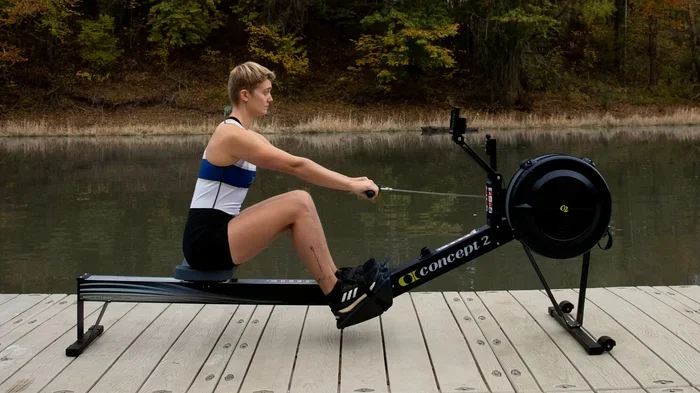
The what does the rowing machine work out 2 question is one of the most searched fitness queries online. A rowing machine targets over 80% of your body’s muscles, delivering a powerful full-body workout that builds strength, boosts cardio endurance, and burns serious calories. Whether you are a beginner or a seasoned athlete, understanding what muscles a rowing machine works helps you train smarter and see faster results.
Have you ever wondered what the rowing machine work out 2 routine actually targets in your body? Maybe you have seen one at the gym and thought it looked too easy. Or perhaps you have been using a rowing machine but are not sure if you are getting the most out of it. Either way, you are in the right place.
The rowing machine is one of the most underrated pieces of home gym equipment available today. It delivers a full-body workout that combines cardio and strength training in a single, fluid motion. Unlike treadmills or stationary bikes, a rowing machine engages your upper and lower body at the same time. This makes it incredibly efficient for people who want maximum results in minimum time.
In this guide, we will break down exactly what muscles a rowing machine works, the key rowing machine benefits, and how to use proper rowing technique to avoid injury and get the best results. Whether you are a complete beginner or looking to refine your routine, this article has everything you need.
Key Takeaways
- Full-Body Engagement: A rowing machine works out your legs, back, arms, and core in one smooth motion.
- Low Impact, High Reward: It is gentle on your joints while still delivering an intense cardio and strength session.
- Calorie Burn Power: Rowing torches calories fast, making it ideal for weight loss and endurance building.
- Proper Form Matters: Using correct technique prevents injury and maximizes muscle activation.
- Versatile Fitness Tool: Rowing machines suit all fitness levels and can be used for both steady-state and HIIT workouts.
- Home Gym Essential: Compact and effective, a rowing machine is a smart investment for any home workout setup.
📑 Table of Contents
What Muscles Does a Rowing Machine Work Out
The beauty of the rowing machine exercise lies in its ability to recruit multiple muscle groups simultaneously. When you pull and push through each stroke, your body works as a coordinated unit. This is what makes rowing so effective compared to machines that isolate single muscles.
Lower Body Muscles
Your legs do the heavy lifting during every rowing stroke. The rowing machine muscles in your lower body include:
- Quadriceps — These large muscles in the front of your thighs power the drive phase of each stroke.
- Hamstrings — They work alongside your quads to extend your hips and propel you backward.
- Calves — Your calf muscles stabilize your ankles and assist with the push-off phase.
- Glutes — Your glute muscles fire hard when you extend your hips, giving you a powerful squeeze at the end of each stroke.
Research shows that the leg drive accounts for about 60% of the total power generated during rowing. This is why many people feel their legs burning after just a few minutes on the machine.
Upper Body Muscles
Once your legs push, your upper body takes over. The what does the rowing machine work on your body 2 question really comes alive when you look at the upper body engagement:
- Lats and Upper Back — Your latissimus dorsi and rhomboids pull the handle toward your torso. This is the primary back muscle worked during rowing.
- Deltoids and Traps — Your shoulder muscles stabilize the pull and assist with the recovery phase.
- Biceps and Forearms — These muscles grip and pull the handle, giving your arms a solid workout.
- Chest Muscles — Your pecs engage during the pull, though they play a secondary role compared to your back.
Core Muscles
Your core acts as the bridge between your upper and lower body. Every rowing stroke requires your abs, obliques, and lower back to stabilize your torso. A strong core not only improves your rowing performance but also translates to better posture and balance in everyday life.
According to a study published in the Journal of Sports Science, rowing activates the core muscles more effectively than many traditional ab exercises. This makes it a standout choice for anyone looking to build a strong midsection without spending hours on crunches.
Cardio and Endurance Benefits of Rowing
Beyond muscle building, the rowing machine workout delivers incredible cardiovascular benefits. Rowing raises your heart rate quickly and keeps it elevated, making it one of the best cardio workouts you can do indoors.
How Rowing Boosts Heart Health
When you row consistently, your heart becomes stronger and more efficient at pumping blood. Over time, this leads to:
- Lower resting heart rate
- Improved blood circulation
- Better oxygen delivery to muscles
- Reduced risk of heart disease
The rowing machine resistance can be adjusted to match your fitness level. Beginners can start with lower resistance and focus on maintaining a steady pace. As your endurance improves, you can increase the resistance or incorporate interval training for an extra challenge.
Rowing for Weight Loss
If you are looking to burn calories, rowing is a top contender. A 155-pound person can burn approximately 250 to 350 calories in just 30 minutes of moderate rowing. The exact number depends on your weight, intensity level, and rowing machine calories burned rate.
What makes rowing especially effective for weight loss is the afterburn effect. Because rowing engages so many muscles at once, your body continues to burn calories even after you step off the machine. This is known as excess post-exercise oxygen consumption, or EPOC.
Quick Tip: For maximum calorie burn, try alternating between 1 minute of high-intensity rowing and 1 minute of easy rowing. Repeat this pattern for 20 to 30 minutes. This HIIT-style rowing workout keeps your metabolism revved up long after your session ends.
Proper Rowing Form and Technique
Using the correct proper rowing form is essential for getting the most out of your workout and preventing injuries. Many beginners make the mistake of treating the rowing machine like an arm workout. In reality, the power comes from your legs, and your arms simply finish the movement.
The Four Phases of a Rowing Stroke
Every rowing stroke has four distinct phases. Understanding each one helps you get the most out of rowing machine sessions:
- The Catch: You start with your knees bent, arms extended, and shoulders relaxed. This is the position where your muscles are loaded and ready to drive.
- The Drive: You push with your legs first, then lean back slightly, and finally pull the handle toward your lower chest. This sequence creates a smooth, powerful chain of movement.
- The Recovery: You extend your arms forward, lean your torso slightly forward, and then bend your knees to slide back to the catch position.
- The Finish: Your legs are fully extended, the handle is close to your body, and your shoulders are relaxed behind your hips.
Mastering this sequence takes practice. Start with slow, controlled strokes and focus on the timing. Once the movement feels natural, you can increase your speed and resistance.
Common Mistakes to Avoid
Even experienced rowers sometimes fall into bad habits. Here are the most common mistakes and how to fix them:
- Overusing your arms: Your arms should pull last, not lead the stroke. Let your legs do the heavy work.
- Rounding your lower back: Keep your back straight and your core engaged throughout the entire stroke. A rounded back puts unnecessary stress on your spine.
- Sliding too fast: Rushing the recovery phase throws off your rhythm and reduces power output.
- Holding your breath: Breathe steadily and rhythmically. Exhale during the drive and inhale during the recovery.
For a deeper dive into technique, check out our guide on proper rowing machine form to ensure you are training safely and effectively.
Rowing Machine vs Other Cardio Machines
Not all cardio machines are created equal. Here is how the rowing machine exercise compares to some popular alternatives:
| Feature | Rowing Machine | Treadmill | Stationary Bike |
|---|---|---|---|
| Muscles Worked | Full body (80%+) | Lower body focus | Lower body focus |
| Impact on Joints | Low impact | High impact | Low impact |
| Calories Burned (30 min) | 250-350 | 200-300 | 150-250 |
| Upper Body Engagement | High | None | Minimal |
| Space Required | Moderate | Large | Small |
As you can see, the rowing machine offers a unique combination of full-body engagement and low joint impact. This makes it suitable for people of all ages and fitness levels, including those recovering from injuries who need a low impact exercise option.
Getting the Most Out of Your Rowing Machine
Simply hopping on the machine and pulling is not enough to see real progress. To truly maximize your rowing machine workout, you need a structured approach.
Set Specific Goals
Before every session, decide what you want to achieve. Are you training for endurance? Building strength? Burning fat? Your goal determines the intensity, duration, and type of workout you should do.
Mix Up Your Routine
Doing the same rowing workout every day leads to plateaus. Try mixing steady-state rows with high-intensity intervals. You can also experiment with different rowing machine resistance levels to keep your muscles challenged.
Track Your Progress
Most modern rowing machines display metrics like distance, time, strokes per minute, and watts. Use these numbers to track your progress over time. Watching your numbers improve is incredibly motivating and helps you stay consistent.
For more strategies on maximizing your sessions, our article on how to get the most out of your rowing machine offers practical tips and workout plans.
Who Should Use a Rowing Machine
The short answer is almost everyone. Rowing machines are incredibly versatile and can be adapted to suit different fitness goals and ability levels.
Beginners
If you are new to fitness, rowing is a fantastic starting point. The movement is natural and easy to learn. Start with 10 to 15 minute sessions at a comfortable pace. Focus on form before speed. As your confidence grows, you can gradually increase the duration and intensity.
Experienced Athletes
For seasoned fitness enthusiasts, rowing machines offer advanced training possibilities. You can use them for cross-training, active recovery, or intense endurance training. Many professional athletes include rowing in their strength training routines to build functional full-body power.
Older Adults and Rehabilitation
The low impact nature of rowing makes it ideal for older adults or those recovering from joint surgery. It strengthens muscles around the knees, hips, and back without putting excessive stress on the joints. Always consult your doctor before starting any new exercise program.
Final Thoughts
The what does the rowing machine work out 2 question has a clear and powerful answer: a rowing machine works out nearly your entire body. From your quads and glutes to your lats, biceps, and core, every stroke engages multiple muscle groups in a coordinated, fluid motion.
Beyond building muscle, rowing delivers outstanding cardio benefits, burns calories efficiently, and puts minimal stress on your joints. Whether you want to lose weight, build endurance, or simply stay active, the rowing machine is one of the best investments you can make for your fitness journey.
Start with proper form, set clear goals, and stay consistent. The results will follow. Your body is designed to move, and the rowing machine is one of the best ways to unlock that potential.
For more information on the specific what does the rowing machine work on your body 2 topic, visit our detailed guide on what the rowing machine works on your body. And if you are curious about the broader rowing machine benefits, check out our article on benefits of using a rowing machine for a deeper look at how this incredible tool can transform your health.
Frequently Asked Questions
What does the rowing machine work out 2 mainly target?
The rowing machine work out 2 routine primarily targets your legs, back, arms, and core. It is a full-body exercise that engages over 80% of your major muscle groups in every stroke. The legs provide the power, the back and arms pull, and the core stabilizes the entire movement.
How often should I use a rowing machine for best results?
For general fitness, rowing 3 to 5 times per week is ideal. Each session should last between 20 and 45 minutes depending on your goals and fitness level. Consistency matters more than intensity, so find a schedule you can stick with long term.
Is rowing better than running for weight loss?
Both rowing and running are effective for weight loss, but rowing has the advantage of working your entire body while being easier on your joints. A rowing session can burn as many calories as a run, with less impact on your knees and ankles. This makes it a great option for people who cannot do high-impact exercises.
Can beginners use a rowing machine effectively?
Absolutely. Rowing machines are beginner-friendly because the movement is natural and the resistance can be adjusted. Start with low resistance and focus on learning the correct rowing technique. Within a few sessions, you will feel more comfortable and confident on the machine.
Does rowing tone your arms?
Yes, rowing does tone your arms. The pulling motion engages your biceps, forearms, shoulders, and upper back. Over time, regular rowing sessions can lead to more defined and toned arms. However, the arm muscles work together with your entire body, so the results are a result of full-body engagement.
What is the difference between air and magnetic rowing machines?
Air rowing machines use a flywheel that spins to create resistance. The harder you pull, the more resistance you feel. Magnetic rowing machines use magnets to create a smooth, quiet resistance that stays consistent. Air machines feel more like on-water rowing, while magnetic machines offer a quieter, more controlled experience for home use.